Complete Guide to Shiogama Shrine | History, Origins, Festivals, and Visiting Information for Mutsu Province’s Ichinomiya
Shiogama Shrine, located on Ichimoriyama in Shiogama City, Miyagi Prefecture, is a representative ancient shrine of the Tohoku region and has been deeply revered since ancient times as the Ichinomiya (first-ranked shrine) of Mutsu Province. Its official name is “Shiwahiko Shrine/Shiogama Shrine,” and it is a unique shrine with two shrines located on the same grounds. This article provides a detailed explanation of Shiogama Shrine’s history, origins, festivals, cultural properties, and visiting information—all the information you should know before visiting.
What is Shiogama Shrine? | Overview of Mutsu Province’s Ichinomiya
Shiogama Shrine is located at 1-1 Ichimoriyama, Shiogama City, Miyagi Prefecture, on a hill overlooking Shiogama Bay to the east. In 724, when Tagajo, the provincial capital of Mutsu Province, was built, Shiogama was established as the port town of “Kozu,” and has since been revered as the Ichinomiya (first-ranked shrine) of Mutsu Province, protecting the Tohoku region.
A unique feature of this shrine is that it houses two shrines within its grounds: Shiwa-hiko Shrine and Shiogama Shrine. Originally, only Shiogama Shrine was located here, but in the Meiji era, Shiwa-hiko Shrine was relocated to the grounds, and now they form a single legal entity as “Shiwa-hiko Shrine and Shiogama Shrine.”
Main Deities and Divine Virtues
The main deities enshrined at Shiogama Shrine are the following three:
- Shiotsuchi-no-Oji-no-Kami: The main deity enshrined in the auxiliary shrine, worshipped as the god of salt production and safe voyages.
- Takemikazuchi-no-Kami: The deity enshrined in the left shrine, known as the god of military fortune.
- Futsunushi-no-Kami: The deity enshrined in the right shrine, who, along with Takemikazuchi-no-Kami, played a significant role in the pacification of the eastern provinces.
Shiotsuchi-no-Oji-no-Kami is particularly revered as the god of safe childbirth and fertility, and is affectionately known as “Shiogama-san.” Furthermore, because he is said to have introduced salt-making techniques, he is deeply revered by people involved in fishing and shipping.
History and Origins of Shiogama Shrine
Origin of Founding
The exact founding date of Shiogama Shrine is unclear, but it is believed to have been located in this area since before the Nara period. According to shrine tradition, Shiotsuchi-no-Okina-no-Kami descended to this land to introduce the techniques of salt production and the development of the Tohoku region.
In ancient times, salt was a precious commodity essential to life, and the worship of Shiotsuchi-no-Okina-no-Kami, who possessed salt production technology, naturally spread. Especially after Tagajo Castle was built in 724, the importance of this shrine as the guardian deity of the political and military center of Mutsu Province increased even further.
Status as the Ichinomiya (First Shrine) of Mutsu Province
During the Heian period, it established a firm position as the Ichinomiya (first shrine) of Mutsu Province and received reverence from the imperial court. Records show that successive governors of Mutsu Province and Chinju-fu Shoguns visited the shrine to pray for national peace and the pacification of the Tohoku region.
From the Middle Ages onward, powerful warlords of the Tohoku region, such as the Oshu Fujiwara clan and the Date clan, held this shrine in high esteem. In particular, the Date family, lords of the Sendai domain, dedicated themselves to protecting the shrine for generations, undertaking the construction and repair of the shrine buildings.
Construction of the Current Shrine Building
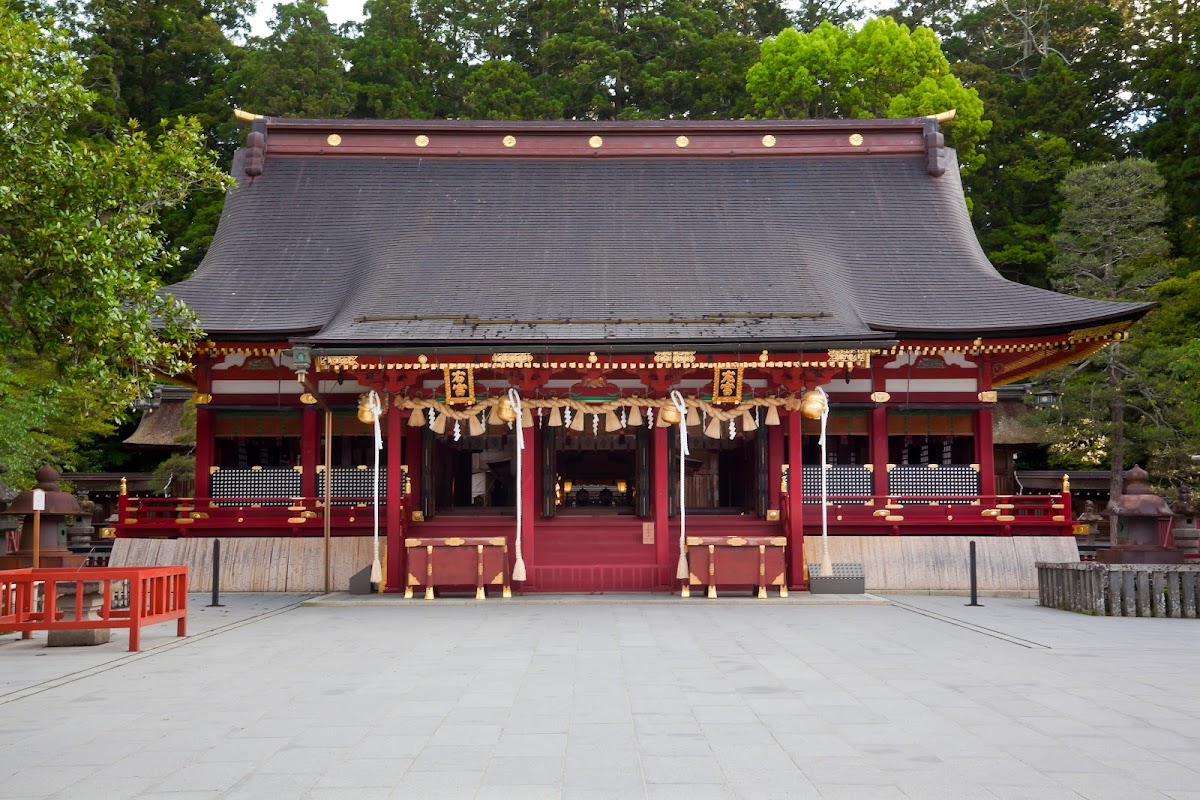
The current shrine building was completed in 1704 (Hoei 1) by Date Tsunamura, the fourth lord of the Sendai domain. Tsunamura began construction in 1695 (Genroku 8) and completed the magnificent shrine building after approximately nine years. This shrine building is highly regarded as a masterpiece of mid-Edo period shrine architecture and is designated as an Important Cultural Property.
Merger with Shiwahiko Shrine
Due to the shrine system reforms of the Meiji era, Shiwahiko Shrine was relocated to this site from Iwakiri Village (present-day Miyagino Ward, Sendai City) in 1874 (Meiji 7). Shiwa-hiko Shrine is a shrine dedicated to Shiwa-hiko-no-Okami, the god of agriculture. After its relocation, it came to be managed together with Shiogama Shrine.
Currently, its official name is “Shiwa-hiko Shrine/Shiogama Shrine,” and it is operated as a single religious corporation. The shrine buildings of both shrines stand side by side within the grounds, allowing visitors to worship at both.
Highlights and Cultural Assets within the Grounds
Characteristics of the Shrine Architecture
Shiogama Shrine’s buildings employ a rare “three main halls and two worship halls” style, unique in Japan. Beyond the gate are three main halls: the Left Main Hall, the Right Main Hall, and the Separate Shrine Main Hall, each with its own worship hall.
The Separate Shrine Main Hall enshrines the principal deity, Shiotsuchi-no-Okina-no-Kami, and is located on the right side. The left shrine enshrines Takemikazuchi-no-kami, and the right shrine enshrines Futsunushi-no-kami, with the three shrines working together to create a solemn atmosphere.
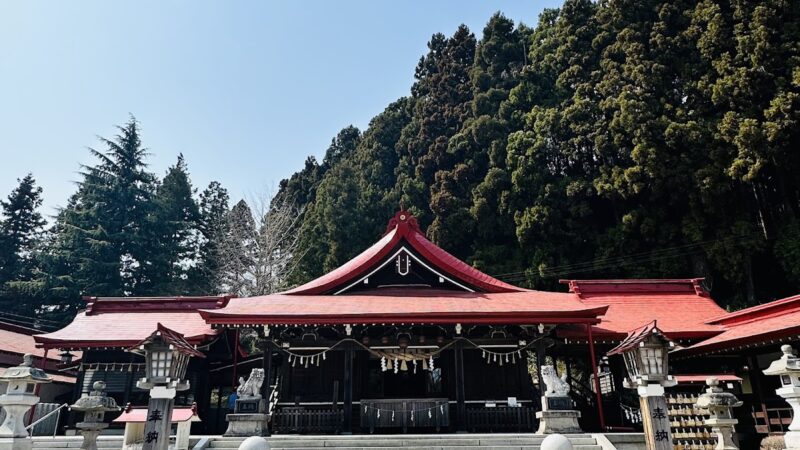
The shrine buildings are adorned with vibrant vermilion paint and intricate carvings, representing the pinnacle of Edo period architecture. The dragon carvings on the front of the porch and the carvings on the gables of the main shrine are particularly magnificent and attract the attention of many visitors.
National Natural Monument: Shiogama Cherry Tree
Within the grounds of Shiogama Shrine is the Shiogama Cherry Tree, a national natural monument. This cherry tree is a type of double-flowered cherry tree, a beautiful variety that produces pale pink blossoms.
The Shiogama Cherry Tree blooms later than typical cherry trees, reaching full bloom from late April to early May each year. Every year during this period, it is featured in local news and attracts many visitors for cherry blossom viewing. The shrine grounds are home to approximately 200 cherry trees, allowing visitors to enjoy various varieties including Shiogama cherry blossoms, Somei Yoshino cherry blossoms, and weeping cherry blossoms.
Shiogama Shrine Museum
The Shiogama Shrine Museum is located within the shrine grounds, exhibiting valuable historical materials and cultural artifacts passed down through the shrine. Visitors can see items that tell the history of the Tohoku region, such as armor and crafts donated by the Date family, ancient documents, and paintings.
The museum also provides detailed explanations of the shrine’s history and rituals, deepening your understanding of Shiogama Shrine. It’s a must-visit spot during your pilgrimage.
Sacred Trees and Natural Environment
The shrine grounds are home to several sacred trees over several hundred years old, creating a sacred atmosphere. In recent years, a new form of worship called “Sacred Tree Pilgrimage” has begun, allowing visitors to touch the sacred trees and receive their power.
The rich natural environment of Ichimoriyama is also one of the shrine’s attractions. The shrine grounds are adorned with plants and trees of all seasons, and the cherry blossoms in spring, wisteria in early summer, and autumn leaves are particularly magnificent. You can enjoy the atmosphere of the shrine, which is in harmony with nature, while strolling through the grounds.
Torii Gates and Approaches
Shiogama Shrine has several approaches, each marked with a torii gate. The most famous is the stone staircase of the main approach, where you climb 202 steep steps to reach the shrine building. This staircase is called “Otoko-zaka” (Men’s Slope), and reaching the top brings a sense of accomplishment and a magnificent view.
For those who find the stone steps difficult, there is also a gentler “Onna-zaka” (Women’s Slope) and an eastern approach that can be accessed by car. Some of the torii gates are designated as important cultural properties, making them architecturally valuable structures.
Annual Festivals and Special Rituals
Annual Festival (Hote Matsuri)
The annual festival of Shiogama Shrine is held every year on July 10th and is known as the “Hote Matsuri.” This festival is the largest festival in Shiogama City and is a rare festival nationwide in that the portable shrine is carried across the sea.
During the festival, the ceremonial boat carrying the portable shrine, accompanied by approximately 100 other boats, crosses Shiogama Bay. The sight of the fleet of boats, adorned with colorful streamers, moving across the sea is spectacular, attracting many tourists every year. This festival is a beloved summer tradition in the Tohoku region.
Katsurabi Festival
The Katsurabi Festival, held on December 1st, is known as a special ritual of this shrine. This festival is held as part of the Niiname-sai (harvest festival), a Shinto ritual to give thanks for the year’s harvest and pray for a bountiful harvest in the following year.
A solemn ceremony is performed by Shinto priests, and the rituals are still carried out according to ancient customs. General visitors can also observe, offering a valuable opportunity to experience the shrine’s traditions firsthand.
Summer Purification Ceremony and Passing Through the Chino-wa (Reed Ring)
On June 30th, the Summer Purification Ceremony is held. During this ceremony, a Chino-wa (reed ring) is set up on the shrine grounds, and worshippers pass through it to purify themselves of the sins and impurities accumulated over the past six months and pray for good health and protection from illness for the remaining half of the year.
In recent years, a special amulet called “Chino-wa Omamori” (reed ring charm) has been offered, allowing those who cannot pass through the Chino-wa to receive the same divine blessings. The Chino-wa is set up for several days before and after the Summer Purification Ceremony, so you can experience it if you visit during that period.
Other Annual Events
Shiogama Shrine holds various festivals and ceremonies throughout the year:
- Saitansai (January 1st): A festival celebrating the New Year
- Setsubunsai (February 3rd): Includes bean-throwing and other rituals
- Sakura-bana-sai (Late April): A festival timed to coincide with the blooming season of Shiogama cherry blossoms
- Tsukimisai (Monthly Festivals) (1st and 15th of each month): Regular festivals
- Oharai-shiki (December 31st): A Shinto ritual to purify oneself of sins and impurities accumulated over the year
Details of these festivals can be found on the shrine’s official website and in the shrine newsletter, “Shiogama-sama.”
Amulets, Goshuin (Shrine Seals), and Other Items Offered
Special Amulets
Shiogama Shrine offers a variety of amulets, but the following are particularly popular:
Safe Childbirth Amulet/Fertility Amulet: This amulet is associated with the divine virtues of Shiotsuchi-no-Okina-no-Kami, the main deity enshrined here, and is popular with those wishing for safe childbirth and fertility.
Good Luck Amulet: This is a new amulet that has recently been offered, based on the concept that “horse hooves bring good fortune.” It is prayed to for success in work, studies, and other endeavors.
Safe Voyage Amulet: This amulet is associated with the divine virtues of Shiotsuchi-no-Okina-no-Kami, the god of salt production and navigation, and is prayed to for safety at sea and prosperity in fishing.
Chino-wa Amulet: This is a special amulet given out during the Summer Purification Ceremony, and is believed to have the same divine virtues as passing through the Chino-wa (reed ring).
Goshuin (Shrine Seals)
At Shiogama Shrine, you can receive goshuin (shrine seals) for both Shiwahiko Shrine and Shiogama Shrine. They are available at the shrine office. In addition to the regular goshuin, seasonal special goshuin are sometimes offered.
Several types of goshuin notebooks are available, with beautiful designs featuring Shiogama cherry blossoms and the shrine buildings being particularly popular.
Other Items Available
Besides amulets and goshuin, various other items are available, including talismans, protective arrows, and rakes. Especially during the New Year, zodiac animal figurines and votive tablets are offered, attracting many visitors.
Access and Visiting Information
Location
Address: 1-1 Ichimoriyama, Shiogama City, Miyagi Prefecture
Transportation Access
Access by Train:
- Get off at Hon-Shiogama Station on the JR Senseki Line, then walk approximately 15 minutes to the main approach (Otoko-zaka).
- If you wish to avoid the stone steps of the main approach, take a taxi from Hon-Shiogama Station to the east approach (approximately 5 minutes).
Access by Car:
- Approximately 10 minutes from the Rifuchu IC on the Sanriku Expressway.
- Approximately 30 minutes from central Sendai.
- Free parking available on the grounds (approximately 300 spaces).
Visiting Hours and Admission Fee
- Visiting Hours: 5:00 AM to 8:00 PM (may vary depending on the season)
- Admission Fee: Free (Museum is subject to a fee)
- Shrine Office Hours: 8:30 AM to 5:00 PM
Etiquette for Visiting the Shrine
Shiogama Shrine has three main halls, which can be confusing for some visitors regarding the order of worship. Generally, it’s customary to visit the Shiwahiko Shrine on the right first, followed by the left, right, and then the auxiliary shrines of Shiogama Shrine. However, there are no strict rules regarding the order, so you can visit at your own pace.
Since Shiotsuchi-no-Okina-no-Kami, enshrined in the auxiliary shrine, is the principal deity, be sure to pay your respects there.
Nearby Tourist Attractions
The following tourist attractions are located near Shiogama Shrine:
- Shiogama Port: A market offering fresh seafood and numerous sushi restaurants.
- Marine Gate Shiogama: A terminal for sightseeing boats to Matsushima.
- Okama Shrine: A shrine dedicated to the sacred cauldron used in salt production.
- Shiogama Fish Market: A market boasting one of the highest tuna catches in Japan.
After visiting the shrine, we recommend enjoying Shiogama’s seafood or combining your visit with a trip to Matsushima.
Live Camera and Online Worship
Shiogama Shrine has installed a “Live Camera” on its official website, allowing you to check the shrine grounds in real time. You can enjoy the seasonal scenery of the shrine, including cherry blossom blooming and snowscapes, online.
This is a convenient service for those living far away or those who want to check the shrine grounds before visiting. Furthermore, our shrine’s official website offers information on festivals, a description of the shrine grounds, and back issues of the shrine newsletter, “Shiogama-sama.”
The Great East Japan Earthquake and Reconstruction
The Great East Japan Earthquake, which occurred on March 11, 2011, caused significant damage to Shiogama City. Shiogama Shrine also suffered damage, including the collapse of stone lanterns and damage to the approach to the shrine, but the main shrine building escaped major damage.
Immediately after the earthquake, our shrine served as a spiritual center for the community, holding festivals to pray for reconstruction and providing emotional support to the victims. Currently, the shrine grounds have been restored, and it welcomes visitors in the same state as before the earthquake.
2026 will mark 15 years since the Great East Japan Earthquake. Our shrine continues its efforts to pass on the memory of the earthquake to future generations, express gratitude for reconstruction, and pray for the further development of the region.
Shiogama Shrines in Tokyo and Wakayama
Shiogama Shrine in Minato Ward, Tokyo
A Shiogama Shrine is also located in Shinbashi, Minato Ward, Tokyo. This shrine originated in the winter of 1695 (Genroku 8), when Date Tsunamura, the lord of the Sendai domain and governor of Mutsu Province, invited the deity Shiogama Daimyojin, the Ichinomiya (first-ranked shrine) of Mutsu Province, from its original shrine to his domain residence in Shiodome, Edo.
Later, in the spring of 1856 (Ansei 3), it was moved to its current location. Its address is Shinbashi, Minato Ward, Tokyo, and the nearest station is Shinbashi Station. As a valuable shrine in Tokyo where one can receive the divine blessings of the Ichinomiya of Mutsu Province, it continues to attract many worshippers.
Shiogama Shrine in Wakayama Prefecture
In Wakayama City, Wakayama Prefecture, a Shiogama Shrine is located adjacent to Tamatsushima Shrine. This shrine also enjoys fervent devotion as a deity of safe childbirth and fertility, and is affectionately known as “Shiogama-san.”
Located in front of the Furōbashi Bridge in the inlet of Waka-no-ura, a scenic spot rich in historical significance since the Manyō era, it is also known for the nearby monument inscribed with a poem by Yamabe no Sukune Akahito.
These Shiogama Shrines were established by inviting the deity from the main Shiogama Shrine in Shiogama City, Miyagi Prefecture, demonstrating the widespread faith in Shiotsuchi-no-Okina-no-Kami throughout Japan.
Modern Initiatives at Shiogama Shrine
New Amulets and Prayers
While preserving tradition, Shiogama Shrine is also undertaking new initiatives to meet modern needs. The “Good Luck Amulet” is a prime example, gaining popularity as an amulet that meets the needs of modern people seeking success in work and studies.
Furthermore, the shrine has introduced a new form of worship called “Goshinboku Mairi” (pilgrimage to the sacred tree), allowing visitors to directly touch the sacred tree and receive its power. These are just some of the efforts being made to make visitors feel closer to the shrine.
Enhanced Information Dissemination
The shrine newsletter, “Shiogama-sama,” published four times a year, provides detailed information on seasonal festivals, events, and happenings. The official website also actively disseminates information, including live camera feeds of the shrine grounds and the latest announcements.
Seasonal topics such as the wisteria blooming status and the installation of the thatched ring are also posted in a timely manner, which is helpful when planning a visit.
Protection and Public Access to Cultural Properties
The Shiogama Shrine Museum appropriately preserves and displays valuable historical materials and cultural properties to the public. Special exhibitions are held regularly, allowing visitors to learn more about the history of the shrine and the Tohoku region.
The maintenance and management of the shrine buildings, which are designated as Important Cultural Properties, are also continuously carried out, and efforts to pass on this valuable cultural heritage to future generations continue.
Summary
Shiogama Shrine is a prestigious shrine that has been revered by the people of the Tohoku region for over a thousand years as the Ichinomiya (first-ranked shrine) of Mutsu Province. Its main deity is Shiotsuchi-no-Okina-no-Kami, and it is known for its divine blessings related to safe childbirth, fertility, safe voyages, and industrial development.
The shrine building, completed in 1704, is a masterpiece of Edo period architecture and, along with the Shiogama cherry tree (a nationally designated natural monument), is a major highlight of the grounds. The annual festivals, including the Hote Matsuri (Sail Festival) in July, are also impressive, and you can discover different charms depending on when you visit.
With good access from Sendai and Matsushima, it’s a must-visit spot for Tohoku sightseeing. The magnificent shrine building and the stunning view of Shiogama Bay that unfolds after climbing the 202 stone steps of the main approach will make your visit a truly special memory.
Checking information in advance on the shrine’s official website or via live cameras on the grounds, and timing your visit to coincide with festivals or cherry blossom season, will allow for a more fulfilling pilgrimage experience. Why not visit this Ichinomiya (first-ranked shrine) of Mutsu Province, with its thousand-year history, in peace and receive its divine blessings?