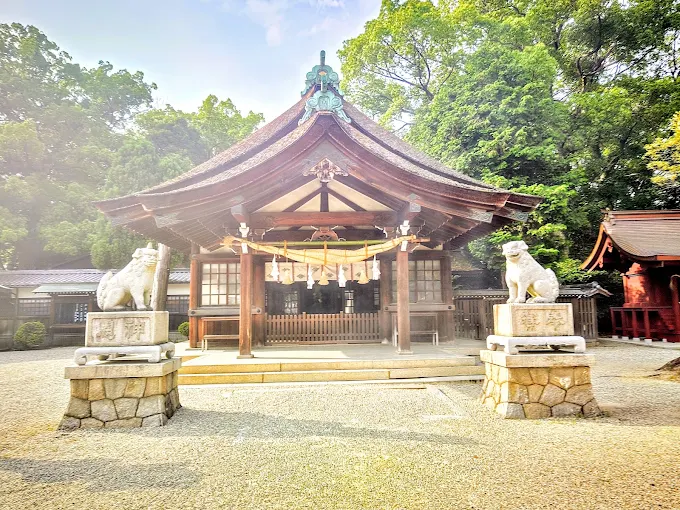
Complete Guide to Chiryu Shrine | The Charm of Mikawa Province’s Second-Ranked Shrine, One of the Three Shrines of the Tokaido Road, with a 1900-Year History
Chiryu Shrine, located in Chiryu City, Aichi Prefecture, is a venerable ancient shrine boasting a history of nearly 1900 years. Formerly known as “Chirifu Daimyojin,” it was counted as one of the three shrines of the Tokaido Road during the Edo period, attracting fervent devotion from travelers traversing the Tokaido. This article provides a detailed introduction to Chiryu Shrine, from its history to its highlights and access methods.
History and Origins of Chiryu Shrine
Founding Legends from the Reign of Emperor Keiko
According to the shrine’s traditions, it was founded in the 42nd year of Emperor Keiko’s reign (112 AD). With a long and distinguished history of approximately 1900 years, it has garnered deep reverence not only in the Hekikai region but also from a wide area. It has a long history of being revered as the guardian deity of the region, and has been affectionately known as “Chiryu Daimyojin” since ancient times.
Status as the Second-Ranked Shrine of Mikawa Province
In the “Engishiki” Jinmyocho (Register of Shrines), compiled during the Heian period, Chiryu Shrine is listed as one of the six shrines in Hekikai District, holding the position of the second-ranked shrine of Mikawa Province. The “Mikawa no Kuni Meisho Zue” (Illustrated Guide to Famous Places in Mikawa Province) lists “Ichinomiya (Togashira Shrine), Ninomiya (Chiryu Shrine), Sannomiya (Sanage Shrine),” indicating its importance as a shrine in Mikawa Province. It has been treated as a shrine of high status since ancient times, receiving rituals from the provincial governor.
Role as one of the Three Shrines of the Tokaido Road
In the Edo period, Chiryu Shrine came to be counted as one of the three shrines of the Tokaido Road. For travelers on the Tokaido Road, Chiryu Shrine was an important place of worship, and was particularly widely known for its divine protection against venomous snakes. This divine virtue spread throughout the country, attracting such devotion that branch shrines and enshrined divided spirits were established in various parts of Japan.
Deities and Benefits
Main Deities
The main deities enshrined at Chiryu Shrine are Ugayafukiaezu-no-Mikoto, Hikohodemi-no-Mikoto, Tamayorihime-no-Mikoto, and Kamuyamato Iwarehiko-no-Mikoto. These deities are connected to the ancestral gods of the Imperial Family, signifying the shrine’s high status.
Main Benefits
Chiryu Shrine has long been known for various blessings:
- Protection from Vipers: This is the most famous divine blessing, and travelers on the Tokaido Road prayed here for safe journeys.
- Prayer for Safe Childbirth: Many pregnant women visit to pray for safe childbirth.
- Rainmaking: In agricultural areas, it has been worshipped as a god of rainmaking.
- Protection from Evil and Good Fortune: Prayers for protection from evil and good fortune at important life events.
- Traffic Safety: Nowadays, car blessings are also performed.
Highlights of the Shrine Grounds
Tahoto Pagoda (Nationally Designated Important Cultural Property)
The most noteworthy structure on the grounds of Chiryu Shrine is the Tahoto Pagoda, which is designated as a Nationally Important Cultural Property. This pagoda is a valuable building that conveys the remnants of the era of syncretism of Shinto and Buddhism, and has high historical value as a Buddhist building remaining on the shrine grounds. Its elegant form is a symbol of the shrine grounds and attracts the attention of visitors.
Main Hall and Worship Hall
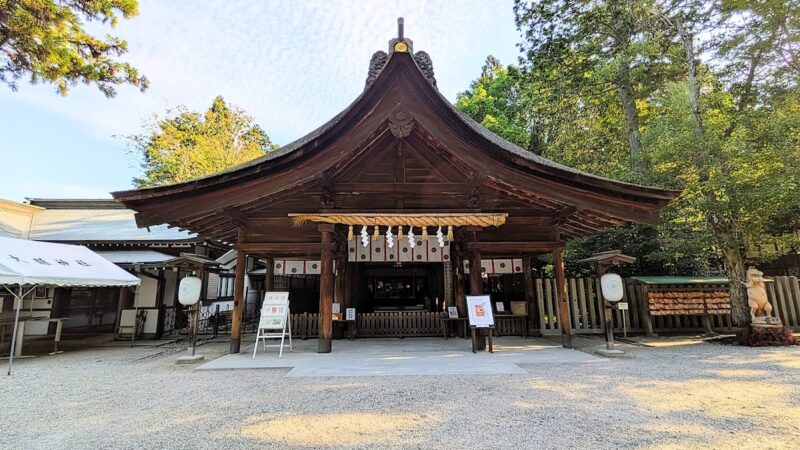
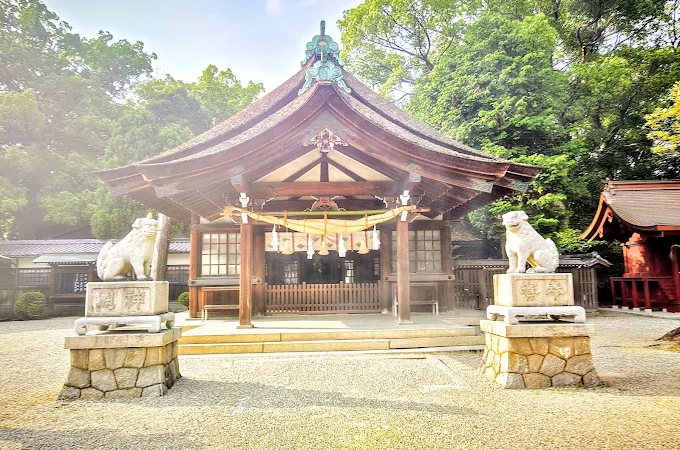
The main hall is designated as a nationally registered tangible cultural property and exudes a solemn atmosphere. The worship hall is a place where visitors offer their prayers and is carefully maintained. The shrine grounds are spacious, and there is a parking lot inside the torii gate, making it easy to visit.
Treasure Trove of Cultural Assets
In addition to the pagoda, Chiryu Shrine preserves many cultural assets:
- Aichi Prefecture Designated Cultural Property: Old plaques, Bugaku masks, Noh masks, etc.
- Chiryu City Designated Cultural Property: Lion’s head mask and 9 other items
These cultural assets are valuable materials that tell the story of Chiryu Shrine’s long history and cultural value.
Basho Haiku Monument and Literary Value
A haiku monument of Matsuo Basho stands on the shrine grounds. Chiryu flourished as a post town on the Tokaido road and was visited by many literary figures and artists, including Basho. The haiku monument commemorates the connection between Chiryu Shrine and literature.
Integration with Chiryu Park
Chiryu Park, adjacent to Chiryu Shrine, is known as a famous spot for flowers. Irises and Japanese irises are particularly beautiful, attracting many tourists during the season. Visitors can enjoy a stroll through the park in conjunction with a visit to the shrine.
Chiryu Festival (UNESCO Intangible Cultural Heritage)
Overview of the Chiryu Festival
The Chiryu Festival, the annual grand festival of Chiryu Shrine, is a magnificent festival held every year on May 2nd and 3rd. This festival is known for its “dashi bunraku” (float puppetry) and “karakuri” (mechanical puppets), and in 2016 it was registered as a UNESCO Intangible Cultural Heritage as one of the “Yama, Hoko, and Yatai Festivals.”
Main Festival and Interim Festival
The Chiryu Festival consists of a main festival and an interim festival. The main festival is held in even-numbered years, and the interim festival in odd-numbered years. During the main festival, five floats appear, and float bunraku (puppet theater) and mechanical puppets are performed. During the interim festival, flower-decorated floats appear, creating a vibrant atmosphere.
Float Bunraku and Mechanical Puppets
The biggest highlight of the Chiryu Festival is the “float bunraku,” a form of puppet theater performed on top of the floats, and the elaborate “mechanical puppets.” These are traditional performing arts that have continued since the Edo period, boasting high skill and artistry. The festival attracts many tourists during its duration, making it the largest event in Chiryu City.
Prayers and Offerings
About Prayers
Chiryu Shrine offers various types of prayers:
- First Shrine Visit: Prayers for the healthy growth of the baby
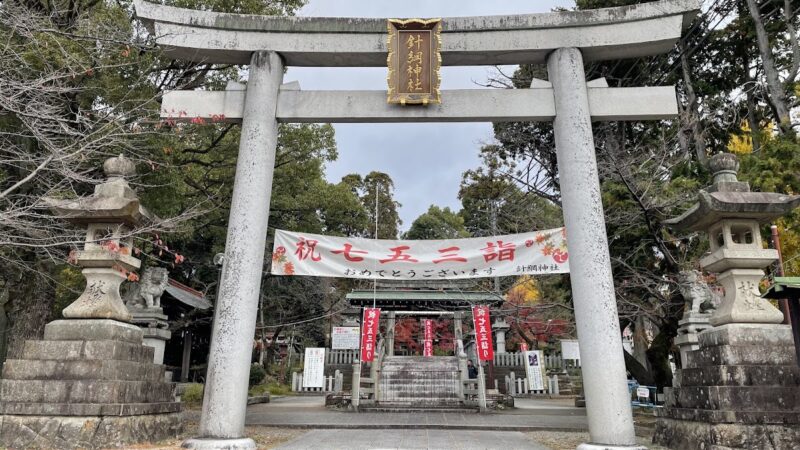
- Shichi-Go-San Ceremony: Prayers for the growth of children and for their future health
- Safe Delivery Prayers: Prayers for a safe delivery for expectant mothers and the health of mother and child
- Exorcism Prayers: Prayers for protection from misfortune during unlucky years
- Traffic Safety Prayers: Blessings for cars, etc.
- Other: Prayers for business prosperity, family safety, success in exams, etc.
Prayers may require reservations, so it is recommended to check with the shrine in advance.
Items Offered
Chiryu Shrine offers a variety of items:
- Amulets: Various types of amulets, including those for warding off venomous snakes, safe childbirth, and traffic safety.
- Goshuin (Shrine Seal): You can receive a Goshuin as a memento of your visit.
- Ema (Votive Tablet): You can write your wishes on an ema and offer it to the shrine.
- Ofuda (Talisman): Talismans for family safety and other purposes.
Shinto Wedding Ceremony
Chiryu Shrine offers traditional Shinto wedding ceremonies. A wedding at this historic shrine will be solemn and memorable. Those wishing to have a Shinto wedding ceremony should consult with the shrine in advance to confirm dates and details.
Annual Events
Chiryu Shrine holds various Shinto rituals and events throughout the year:
- January: New Year’s Day Festival, First Shrine Visit of the Year
- February: Setsubun Festival
- May 2nd & 3rd: Chiryu Festival (Annual Grand Festival)
- July: Summer Purification Ceremony
- November: Shichi-Go-San Festival
- December: Year-End Purification Ceremony, New Year’s Eve Festival
These events are cherished by the local community and have become seasonal traditions.
Access Information
Access by Train
From Meitetsu Nagoya Main Line “Chiryu Station”:
- Approximately 12 minutes on foot
- Located northwest of the station, along National Route 1
Using City Buses (Minibuses):
- Take Route 1 (Green Route) from Chiryu Station and get off at “Iwase Surgical Clinic” stop, then approximately 5 minutes on foot
Access by Car
From Isewangan Expressway:
- Approximately 15 minutes from Toyota Minami IC
- Approximately 15 minutes from Toyoake IC
From National Route 1:
- Easily accessible as it is located along National Route 1
- You can enter the shrine’s parking lot from the “Chiryu Shrine South” traffic light
Parking
A parking lot is available on the shrine grounds. The parking lot is located inside the torii gate, making it convenient for visitors. However, congestion is expected during major events such as the Chiryu Festival, so using public transportation is recommended.
Address and Basic Information
- Address: 12 Kanda, Nishimachi, Chiryu City, Aichi Prefecture
- Phone: Please contact the shrine directly.
- Visiting Hours: The shrine grounds are generally open for free worship.
- Shrine Office: Please check the hours for receiving amulets and prayers.
Nearby Tourist Attractions
Chiryu Park
Chiryu Park, adjacent to Chiryu Shrine, is famous for its flowers. The scenery is particularly magnificent during the iris and Japanese iris season from late May to early June. Visiting it in conjunction with a visit to Chiryu Shrine is highly recommended.
Historical Sites of the Tokaido Road
Chiryu has a history as a thriving post town on the Tokaido Road, specifically “Chiryu-juku.” Historical sites related to the Tokaido Road are scattered throughout the area, allowing visitors to enjoy historical walks.
Manners and Points for Visiting a Shrine
Basic Worship Etiquette
- Bow before passing through the torii gate: Show respect before entering the sacred area.
- Purify yourself at the water basin: Purify your left hand, right hand, and mouth in that order.
- Walk along the edge of the path: The center is considered the path of the gods.
- Two bows, two claps, one bow: This is the basic etiquette in front of the main hall.
Attire for Worship
No special attire is required for regular worship, but if you are receiving prayers, please wear clean and presentable clothing. For formal ceremonies such as Shinto weddings, formal attire is required.
Photography
Photography is generally permitted on the shrine grounds, but there may be restrictions inside the main hall or during Shinto rituals. Please observe proper etiquette and be considerate of other worshippers.
Summary of the Charms of Chiryu Shrine
Chiryu Shrine is a venerable ancient shrine with a history of nearly 1900 years, and has been cherished by many people as one of the three major shrines along the Tokaido road. It is known for its valuable cultural assets, including the Tahoto pagoda (a nationally designated Important Cultural Property), the Chiryu Festival (a UNESCO Intangible Cultural Heritage), and its blessings for protection against venomous snakes and safe childbirth.
Located in a convenient location along National Route 1, approximately a 12-minute walk from Meitetsu Chiryu Station, and with ample parking on the grounds, it is easily accessible by both train and car. Visiting the adjacent Chiryu Park in conjunction with the shrine will make for an even more fulfilling experience.
Chiryu Shrine, with its status as the second-ranked shrine of Mikawa Province, has continuously attracted the faith of the local people. Why not take a moment to quietly pray while feeling the history and tradition? It is also an ideal shrine for prayers at important life events such as a baby’s first shrine visit, Shichi-Go-San (a traditional rite of passage for children), and prayers for safe childbirth. Please visit Chiryu Shrine and experience its history and charm for yourself.