Aga Shrine Complete Guide | History, Benefits, Access, and Visiting Information
Aga Shrine is a historical shrine deeply rooted in the community and cherished by many visitors. This article provides detailed information you should know before visiting, including the history of Aga Shrine, its enshrined deities, benefits, highlights of the grounds, how to worship, and access information.
What is Aga Shrine?
Aga Shrine is one of the shrines throughout Japan that has played an important role as a center of local faith. The name “Aga” often originates from local rivers and topography, and the shrine is known for its deep connection to water.
Multiple Aga Shrines exist in different regions, each with its own unique history and characteristics. In particular, shrines bearing the name “Aga” are scattered throughout the Agano River basin in Niigata Prefecture, and have attracted the faith of local residents as guardian deities of water transport and agriculture.
Origin of the Name of Aga Shrine
The place name “Aga” is believed to originate from the river that has flowed through this region since ancient times. The Agano River is a major river representative of Niigata Prefecture and has been closely intertwined with people’s lives since ancient times. The use of this place name in the shrine’s name reflects the people’s gratitude for the blessings of water and their prayers for protection from floods.
History and Origins of Agano Shrine
The founding dates of Agano Shrines vary by region, but many have a long history dating back to before the Edo period. They were established alongside the development of the region and have watched over the development of agriculture and water transport.
Background of Founding
Many Agano Shrines were founded during the process of regional development to pray for the safety of the land and a bountiful harvest. Especially in river basins, shrines were built as a gathering place for people praying for protection from floods and the blessings of abundant water.
According to ancient documents, water deity worship has been deeply rooted in the settlements along the Agano River basin since ancient times, and the deity has been revered as a god who calms river floods and brings abundant harvests. Historically, local village headmen and influential figures played a central role in maintaining the shrine buildings and holding regular festivals, thereby strengthening community bonds.
Changes Through the Ages
During the Edo period, the shrine developed as the local tutelary deity under the protection of the feudal domain. Regular festivals were held, and it became a central event in the village’s important affairs.
With the Meiji era’s separation of Shinto and Buddhism, many shrines were reorganized, and Aga Shrine also underwent a reorganization of its rank and improvements to its grounds. Many of the foundations for the current shrine buildings were laid during this period.
From the Showa and Heisei eras to the present day, the shrine has been carefully preserved by local residents, and the repair of the shrine buildings and maintenance of the grounds have been continuously carried out.
Deities and Divine Virtues
The deities enshrined at Aga Shrines vary from shrine to shrine, but generally, the following gods are worshipped:
Main Deities Enshrined
Water Gods/Dragon Gods
- Mizuhanome-no-kami
- Takaokami-no-kami
- Kuraokami-no-kami
These deities are known as gods who control water and have been objects of worship for securing agricultural water, protection from floods, and rainmaking.
Agriculture/Bountiful Harvest Deities
- Okuninushi-no-mikoto
- Ukanomitama-no-mikoto
These deities have been revered as gods to whom prayers for bountiful harvests have been offered since the time when agriculture was the main industry.
Regional Guardian Deities
- Susanoo-no-mikoto
- Oyamatsumi-no-kami
These deities are worshipped as gods who protect the safety and prosperity of the entire region.
Divine Virtues (Benefits)
Aga Shrine is believed to offer the following divine blessings:
- Abundant Harvest and Business Prosperity: For those wishing for the development of agriculture and commerce
- Family Safety: Protection of family health and peaceful life
- Protection from Misfortune and Disaster: Protection from various calamities
- Protection from Water-Related Disasters: Protection from water-related accidents and disasters
- Matchmaking: Benefits for finding a good partner
- Childbearing and Safe Childbirth: For those wishing for children and safe childbirth
Highlights of the Shrine Grounds
The grounds of Aga Shrine offer various historical sights.
Main Hall and Worship Hall
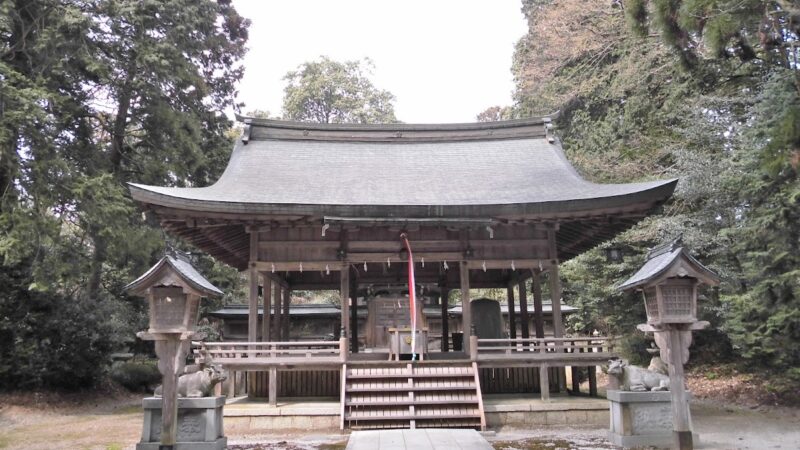
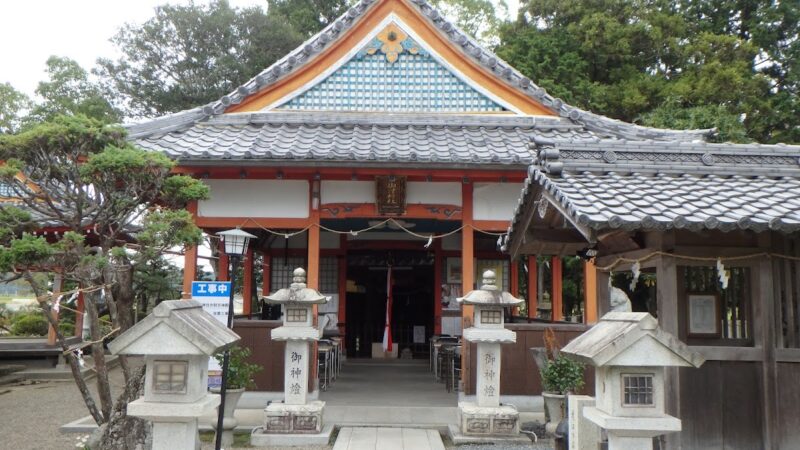
The shrine architecture follows the traditional style of the region, allowing visitors to appreciate the beauty of wooden architecture. The carvings and decorations showcase the skills of the craftsmen of the time, meticulously crafted down to the smallest detail.
In the worship hall, worshippers can offer prayers to the gods. In a tranquil atmosphere, you can pray with a calm heart.
Shrine Precincts
Several shrine precincts (subsidiary shrines/minor shrines) are sometimes enshrined around the main shrine. Each enshrines a different deity, and worshippers visit them seeking specific blessings.
Sacred Trees
Sometimes, sacred trees, said to be hundreds of years old, stand within the shrine grounds. Large cedars and zelkova trees are cherished as sacred beings, and many worshippers pray to receive strength from their vitality.
Water Basin
The water basin, where worshippers purify themselves before praying, is a particularly important place for Aga Shrine, which enshrines the god of water. By purifying their hands and mouths with pure water, they cleanse their minds and bodies before approaching the deity.
Guardian Dogs and Stone Lanterns
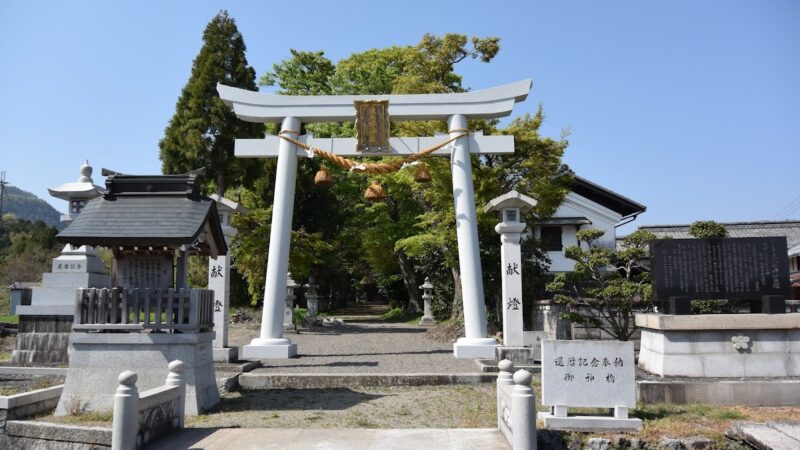
Guardian dog statues and stone lanterns, donated by worshippers, are placed throughout the shrine grounds. The names and dates of the donors are inscribed on these stone structures, providing clues to the history of the region. ## Annual Events and Festivals
Aga Shrine holds various festivals and events throughout the year.
Main Annual Events
New Year’s Day Festival (January 1st)
A festival to welcome the new year and pray for peace and prosperity throughout the year. It is bustling with many visitors making their first shrine visit of the year.
Setsubun Festival (around February 3rd)
A ceremony where beans are scattered to ward off evil and invite good fortune. It is celebrated on a grand scale in some regions.
Spring Grand Festival (around April)
An important festival to celebrate the arrival of spring and pray for a bountiful harvest.
Summer Purification Ceremony (June 30th)
A Shinto ritual to purify oneself of the impurities accumulated over the past six months and pray for good health for the remaining half of the year. A ritual of passing through a ring of reeds may also be performed.
Autumn Grand Festival (September-October)
This festival expresses gratitude for the harvest and offers new grain to the gods. A portable shrine procession and offering ceremonies may also be held.
Niiname-sai (November 23rd)
This festival expresses gratitude to the gods for the harvest of new grain.
New Year’s Eve/Year-End Purification Ceremony (December 31st)
This Shinto ritual purifies the impurities of the year and welcomes the new year with a pure heart.
Regional Festivals
In some regions, unique traditional festivals are passed down. These include portable shrine processions, lion dances, and Kagura (sacred dance) performances, reflecting the strong local culture.
How to Visit a Shrine and Manners
There are basic manners and etiquette for visiting a shrine. Knowing the correct way to visit allows you to offer your prayers to the gods with more sincerity.
Basic Procedure for Visiting a Shrine
1. Passing Through the Torii Gate
The torii gate is the entrance to the sacred area. Bow before passing through. Since the center of the path is considered the path of the gods, it is polite to walk along the sides.
2. Purifying yourself at the water basin
- Hold the ladle in your right hand and purify your left hand.
- Switch the ladle to your left hand and purify your right hand.
- Switch the ladle back to your right hand, receive water in your left hand, and rinse your mouth.
- Purify your left hand again.
- Hold the ladle upright, let water flow over the handle, and return it to its original place.
3. Worshiping in front of the main hall
- Place your offering in the offering box (place it gently, do not throw it).
- Ring the bell if there is one.
- Bow twice, clap twice, and bow once (two bows, two claps, one bow).
- Bow deeply twice.
- Clap your hands twice at chest height.
- Bring your hands together and pray.
- Finally, bow deeply once.
4. Departure
After exiting the torii gate, turn around and bow once.
Attire for worship
Casual clothing is acceptable, but clean and subdued attire is preferred. Avoid overly revealing clothing or overly casual attire such as sandals.
If you are receiving a prayer, more formal attire (suit or jacket, etc.) is appropriate.
Photography Etiquette
Photography is generally permitted on the shrine grounds, but please observe the following points:
- Do not take photos in areas where photography is prohibited, such as inside the main hall.
- Be considerate of other worshippers.
- Remember that this is a sacred place and take photos with respect.
- Do not speak loudly or make noise.
Amulets and Goshuin (Shrine Seals)
Types of Amulets
Aga Shrine offers various types of amulets.
- Exorcism Amulet: For those in their unlucky year or those wishing for protection from misfortune.
- Traffic Safety Amulet: For safe driving and traffic safety.
- Family Safety Amulet: For the health and peace of the family.
- Academic Success Amulet: For students taking exams or those wishing for academic improvement.
- Business Prosperity Amulet: For those wishing for business development.
- Matchmaking Amulet: For those wishing for a good match.
- Safe Childbirth Amulet: For expectant mothers wishing for a safe delivery.
- Health Amulet: For recovery from illness and long life.
Amulets are sacred objects imbued with the power of the gods. It is recommended to carry them carefully and return them to the shrine (for burning) after about a year to receive a new one.
Goshuin (Shrine Seal)
A Goshuin is a shrine seal and calligraphy given as proof of worship. If you bring your Goshuincho (Shrine Seal Book), the Shinto priest or shrine maiden will carefully write it for you. Etiquette for receiving a Goshuin (temple/shrine stamp):
- Apply at the reception area after completing your prayers.
- Open your Goshuincho (stamp book) and hand it over.
- Prepare the offering fee (around 300-500 yen).
- Wait quietly while the stamp is being written.
- Express your gratitude upon receiving it.
Please cherish your Goshuin as a record of your visit, not as a stamp rally.
Access Information
Access to Aga Shrine varies depending on the location of each shrine. Here are some general access methods.
Access by Public Transportation
Using Trains and Buses
It is common to walk from the nearest station or take a bus. Depending on the area, the distance from the station may be considerable, so consider taking a taxi.
It is recommended to check the latest access information in advance on the shrine’s official website or the local tourism association’s website.
Access by Car
Parking
Many Aga Shrines have parking lots for visitors. Since congestion is expected during New Year’s visits and festivals, please allow ample time for your visit. Car Navigation Settings
If you cannot find the shrine by name, searching by address or phone number is recommended.
Nearby Tourist Attractions
There are several local tourist attractions scattered around Aga Shrine. You can enjoy the local history and nature along with your visit.
- Scenic spots along the Agano River
- Local history museums and local history museums
- Hot spring facilities
- Roadside stations
- Local specialty product shops
Best Time of Year and Place to Visit
Recommended Time of Year to Visit
Spring (March-May)
This is a beautiful season with cherry blossoms and fresh greenery. The Spring Grand Festival is often held, creating a lively atmosphere.
Summer (June-August)
You can enjoy a cool and refreshing visit in the lush green grounds. Summer purification ceremonies and summer festivals are sometimes held.
Autumn (September-November)
This is a season of beautiful autumn foliage and harvest thanksgiving festivals. The pleasant weather makes it ideal for visiting. Winter (December-February)
You can worship in a solemn atmosphere within the tranquil grounds. The first shrine visit of the New Year is particularly lively.
Visiting Hours
Shrine visiting hours are generally from sunrise to sunset. Shrine office hours (for amulets and Goshuin stamps) are usually around 9:00-17:00, but this varies by shrine.
Worshiping in the refreshing early morning air is a particularly cleansing experience.
The Charm of Aga Shrine
Faith Rooted in the Community
The greatest charm of Aga Shrine lies in its deep affection for the local residents and its deep-rooted connection to their lives. The faith, passed down through generations, strengthens community bonds and plays a role in preserving culture.
Harmony with Nature
Many Aga Shrines are located in rich natural environments. The trees within the shrine grounds, the pure water, and the scenery of the four seasons offer visitors healing and peace.
The Weight of History
Aga Shrine has received the prayers of the local people throughout its long history. The weight of this history can be felt in the atmosphere and architecture of the shrine grounds.
Tranquility and Peace
Spending time in the quiet shrine grounds, away from the hustle and bustle of the city, is a precious opportunity to calm the mind and reflect on oneself.
Frequently Asked Questions
Are there any rules regarding visiting hours?
Generally, you can enter the shrine grounds anytime during the day, but if you visit during the shrine office’s reception hours (usually around 9:00 to 17:00), you can receive amulets and Goshuin (shrine stamps).
How much is the offering fee?
Amulets typically cost around 500 to 1,000 yen, and Goshuin stamps around 300 to 500 yen. The cost for receiving a prayer service is approximately 5,000 yen and up.
Is it possible to visit with pets?
Policies vary by shrine. While small dogs in carrier bags may be permitted, it’s recommended to check with the shrine beforehand.
Is a reservation required for a prayer service?
Except during New Year’s and festivals, reservations are often not required. However, if you want to guarantee a prayer service or are requesting a group prayer, it’s best to contact the shrine in advance.
When should I receive an exorcism during my unlucky year?
While it’s generally considered best to receive an exorcism during your unlucky year between New Year’s Day and Setsubun (the day before the beginning of spring), you can receive one at any time throughout the year.
Summary
Aga Shrine is a valuable place that preserves the history and culture of the region. The feelings of people who are grateful for the blessings of water and pray for the safety and prosperity of the region have been passed down through many years.
When visiting the shrine, please observe the proper etiquette and offer your prayers to the gods with sincerity. Spending time in the tranquil grounds will be a precious experience, allowing you to forget the hustle and bustle of everyday life and find peace of mind.
We hope that through your visit to Aga Shrine, you will feel the beauty of Japanese shrine culture, experiencing the seasonal beauty of nature, traditional festivals, and the warmth of the local people.
When visiting an Aga Shrine near you, please use this guide to ensure a fulfilling visit.