Complete Guide to Osawa Shrine (Higashiomi City, Shiga Prefecture): Exploring the Legend of the Dragon God and the History of its Founding by Prince Shotoku
Osawa Shrine, located in Kamihiraki-cho, Higashiomi City, Shiga Prefecture, is a historic shrine said to have been founded by Prince Shotoku during the reign of Empress Suiko. It boasts unique features not found in other shrines, such as its distinctive torii gate entwined with a dragon, the legend of the Shiramizu Pond within the grounds, and the worship of the Eight Great Dragon Kings. This article comprehensively introduces everything you need to know before visiting Osawa Shrine, including its history, blessings, highlights, and access methods.
History and Origins of Osawa Shrine
Founding Legend by Prince Shotoku
The founding of Osawa Shrine is said to date back to the 12th year of Empress Suiko’s reign (604 AD). When Prince Shotoku reclaimed the barren land in the Gamo district, he constructed a pond (also known as Sumi Pond, Shiramizu Pond, or Nigori Pond) as a water source for irrigation. It is said that the Misawa Shrine originated when Ichikishimahime-no-Mikoto was enshrined on the shore of this pond.
The detailed records state, “By the will of the Emperor, Minister Soga no Umako was appointed as the magistrate to reclaim the barren land from Nagamitsu-ji Village in Gamo district to Hiki Village throughout the district, and the shrine is enshrined on the shore of the pond dug as a water source for rice paddies.” This shows that the shrine was deeply connected to the agricultural development of this region.
As a Center of Dragon God Worship
Misawa Shrine developed not only as a guardian deity of a water source, but also as a center of dragon god worship. There is a legend that Prince Shotoku invited the dragon god to the shrine, and dragon motifs can be seen throughout the grounds. Water and dragon gods have had a deep connection since ancient times, and it was a natural progression for dragon gods to be enshrined in shrines that govern agricultural water.
A distinctive feature is the enshrinement of the Eight Great Dragon Kings, a form of worship influenced by Buddhism. The Eight Great Dragon Kings are eight dragon kings who protect Buddhist teachings, and as gods who govern water, they have been the object of prayers for rain and abundant harvests.
Deities and Benefits
Main Deity
The main deity of Misawa Shrine is Ichikishimahime-no-Mikoto. Ichikishimahime-no-Mikoto is one of the three Munakata goddesses and is sometimes identified with Benzaiten. She is widely worshipped as the goddess of water, transportation, and arts and crafts.
Enshrined Deities
In addition to the main deity, the following deities are also enshrined:
- Eight Great Dragon Kings: Dragon gods who control water
- Benzaiten: A Buddhist goddess syncretized with Ichikishimahime-no-Mikoto
- Prince Shotoku: Enshrined as the founder
- Kenryujin
- Ashimachiji
- Ashimatsuji
Benefits
Misawa Shrine is said to offer a variety of benefits:
- Family Safety: Protection of family health and peace
- Business Prosperity: Development and success of business
- Childbearing and Safe Childbirth: Wishing for children and safe childbirth
- Matchmaking: Blessing with a good marriage (related to the Shiramizu Pond legend)
- Abundant Harvest: Abundant agricultural harvests
- Protection from Water-Related Disasters: Protection from water-related calamities
- Improvement in Performing Arts: As a blessing from Benzaiten
Especially as a shrine of water sources, it is believed to have strong blessings related to water. Furthermore, due to the legend of Shiramizu Pond, it is also believed to bring blessings for matchmaking.
Highlights of Misawa Shrine
Torii Gate Entwined with Dragons
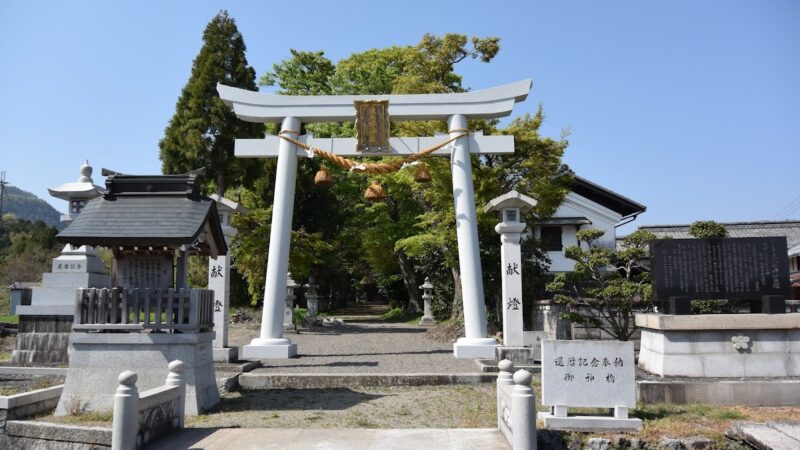
The most distinctive feature of Misawa Shrine is its torii gate carved with dragons entwined around it. Unlike ordinary torii gates, the powerful design of dragons coiled around the pillars surprises visitors. This dragon torii gate is also a popular photo spot and is frequently posted on social media.
Dragons have been worshipped as water gods and rain gods, revered as beings that bring water essential for agriculture. This torii gate symbolizes Misawa Shrine’s central location for dragon god worship.
Dragon at the Water Basin
The water basin also features dragon carvings. The image of a dragon spitting water from its mouth serves to purify worshippers and represents the shrine’s role as a water source. The meticulously carved details of the dragon’s expression are a must-see.
Dragon Carved into Rock
Next to the main hall is a dragon carved directly into the rock. The dragon, carved into natural stone, exudes a wildness and power unlike anything artificial. This dragon is also considered one of the Eight Great Dragon Kings, demonstrating the depth of the dragon deity worship within the shrine grounds.
Shiramizu Pond (Sumi Pond, Nigori Pond)
The pond within the shrine grounds is said to be the source of irrigation water, built by Prince Shotoku. A beautiful yet sad story, the “Shiramizu Pond Legend,” is associated with this pond.
Shiramizu Pond Legend
Long ago, a young man named Ono no Tokikane, renowned for his handsome looks even in other lands, lived in this area. One day, he met a beautiful woman, Princess Miwa, passing through the village, and the two fell in love. The two enjoyed happy days together, but tragedy eventually struck.
Princess Miwa’s true identity was actually an incarnation of a dragon god, and she could not remain in the human world for long. It is said that at the time of their parting, the princess threw herself into a pond, and the ripples created at that moment shone white, giving rise to the name “Shiramizuike” (White Water Pond).
This legend is an important story demonstrating that Misawa Shrine is not merely a water source shrine, but is deeply connected to dragon god worship. Furthermore, this legend has led to the belief in the shrine’s blessings for matchmaking.
Worship Hall and Main Shrine
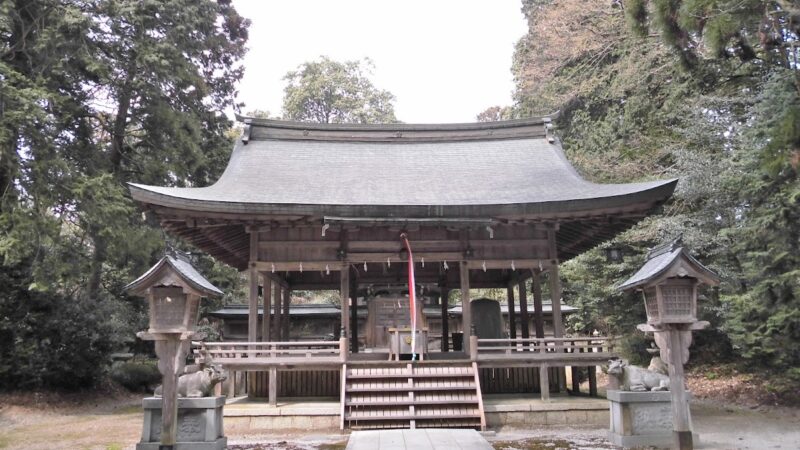
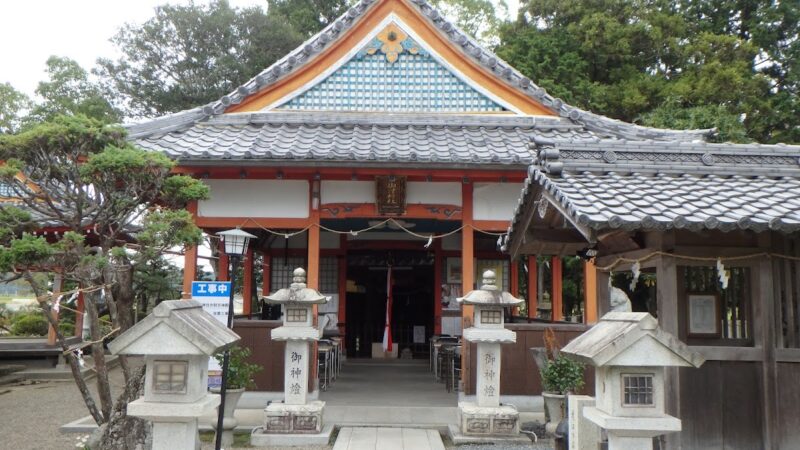
The worship hall is a serene wooden structure that harmonizes with the quiet atmosphere of the shrine grounds. The main shrine enshrines deities, including Ichikishimahime-no-Mikoto, and exudes a solemn atmosphere.
The shrine grounds are relatively small, but precisely because of this, the sacred atmosphere is concentrated, creating a space where one can worship at a leisurely pace.
Basic Information and Access
Basic Information
- Official Name: Osawa Shrine
- Location: 1319-1 Kamihiraki-cho, Higashiomi City, Shiga Prefecture 527-0086
- Deities Enshrined: Ichikishimahime-no-Mikoto (Main Deity), Hachidai Ryuo, Benzaiten, Prince Shotoku, and others
- Founding: Traditionally believed to be in the 12th year of Emperor Suiko’s reign (604 AD)
- Annual Festival: Local festivals are held throughout the year
- Parking: Available (for worshippers)
- Admission Fee: Free
- Visiting Hours: Open all day (cautionary at night)
Access Method
Access by Public Transportation
- Nearest Station: Omi Railway “Yokaichi Station”
- Approximately 10 minutes by taxi from Yokaichi Station
- If using the bus, you can use the Chokotto Bus (Higashiomi City Community Bus), but the number of buses is limited, so advance confirmation is necessary.
Access by Car
- Approximately 15 minutes from Meishin Expressway “Yokaichi IC”
- Accessible from National Route 421
- Search for “1319-1 Kamihiraki-cho, Higashiomi City, Shiga Prefecture” or “Misawa Shrine” in your car navigation system
- Parking available (free)
Access by car is convenient, but some roads are narrow, so caution is required when driving.
Recommended Nearby Spots
Tarobo Shrine (Aga Shrine)
One of Higashiomi City’s representative shrines, located about 15 minutes by car from Misawa Shrine. It is famous for its “Meoto-iwa” (Married Couple Rocks) passing between giant rocks, and is known for its blessings of victory and good fortune.
Eigenji Temple
The head temple of the Eigenji branch of the Rinzai school of Zen Buddhism, famous for its autumn foliage. Approximately 20 minutes by car from Misawa Shrine. Many tourists visit in autumn.
Hyakusaiji Temple
An ancient Tendai sect temple said to have been founded by Prince Shotoku. One of the “Three Mountains of Kotō,” and like Misawa Shrine, it is worth visiting as a place associated with Prince Shotoku.
Aito Margaret Station Roadside Station
A roadside station where you can purchase fresh local produce and specialty products. Convenient to stop by before or after visiting Misawa Shrine.
Points and Manners for Visiting a Shrine
Proper Etiquette for Visiting a Shrine
- Bow Before Passing Through the Torii Gate: Bow before entering the shrine grounds.
- Purify at the Water Basin: Cleanse your hands and mouth with the water flowing from the dragon’s mouth.
- Worship at the Main Hall: Worship using the two bows, two claps, and one bow ritual.
- Walk Around the Shrine Grounds: Visit the sights such as the Shiramizu Pond and the dragon carved into the rock.
- Bow Upon Exit: Turn around and bow before leaving the torii gate.
Photography
Photography is generally permitted on the shrine grounds, but please note the following:
- Refrain from taking photos inside the main hall.
- Be considerate of other worshippers.
- The dragon torii gate is a popular photo spot, but be careful not to obstruct worshippers.
- Be mindful of location information when posting on social media.
Best Time to Visit
Misawa Shrine can be visited throughout the year, but each season offers a different charm:
- Spring: Beautiful fresh greenery and refreshing air for worship.
- Summer: Lush greenery and the cool surface of Shiramizu Pond.
- Autumn: Autumn leaves adorn the shrine grounds, making it ideal for photography.
- Winter: The snow-covered dragon torii gate creates a fantastic atmosphere.
Annual Events at Misawa Shrine
Misawa Shrine holds various community-based festivals throughout the year. For detailed schedules, it is recommended to check with the Higashiomi City Tourism Association or the Shiga Prefecture Shrine Association in advance.
This shrine has been carefully preserved by the local community, and during festivals, you can feel the deep faith of the local people.
About Goshuin (Shrine Seals)
Regarding the issuance of Goshuin at Misawa Shrine, there may not always be a permanent shrine office, so prior confirmation is necessary. Those wishing to obtain a Goshuin are advised to inquire with the Higashiomi City Shrine Association or surrounding shrines. Due to the recent boom in collecting Goshuin (temple/shrine stamps), many visitors have come to the shrine. However, Goshuin are not merely commemorative stamps, but are given as proof of worship. It’s important to cherish the original meaning: first, worship with sincerity, and then receive the Goshuin.
History and Culture of Higashiomi City
Higashiomi City, where Misawa Shrine is located, has long been known as the birthplace of Omi merchants and is a region with a rich history and culture. Development progressed from the time of Prince Shotoku, and agriculture and commerce flourished.
Besides Misawa Shrine, there are many other historically important temples and shrines scattered throughout the city, such as Tarobo-gu, Hyakusai-ji, and Eigen-ji. A “Higashiomi City Temple and Shrine Pilgrimage” visiting these is an attractive route for history buffs and fans of shrines and temples.
Dragon God Worship and Japanese Water Culture
The dragon god worship at Misawa Shrine is an important element in understanding Japanese water culture. Since ancient times in Japan, water has been the source of life and the foundation of agriculture. The dragon god, who controls water, has been revered as a being that brings rain, causes rivers to flow, and nourishes fields.
In particular, enshrining the dragon god at the source of irrigation water was an act of gratitude and reverence for water, as well as a prayer for the never-ending blessing of water. Misawa Shrine is a prime example of this, preserving the water worship that has continued since the time of Prince Shotoku.
The dragon motifs seen throughout the shrine grounds are not merely decorations, but evidence of the long history of how the people of this region have lived in harmony with water.
Summary: The Value of Visiting Misawa Shrine
Misawa Shrine is a historic shrine quietly nestled in Higashiomi City, Shiga Prefecture. It is full of unique charms not found in other shrines, including the legend of its founding by Prince Shotoku, its distinctive torii gate entwined with dragons, the legend of Shiramizu Pond, and the worship of the Eight Great Dragon Kings.
People constantly visit seeking various blessings, such as family safety, business prosperity, fertility, safe childbirth, and matchmaking. Furthermore, as a center of dragon deity worship, it is a place to express gratitude for the blessings of water.
The shrine grounds are small, but precisely because of this, a sacred atmosphere is concentrated within, creating a space where you can pray slowly and calmly. While it’s a popular spot for taking photos, we recommend that you first pray with a sincere heart and reflect on the history and faith passed down in this land.
When visiting Higashiomi City, be sure to visit Misawa Shrine and experience the atmosphere of this shrine associated with Prince Shotoku, which boasts a history of over 1400 years. As you pass through the dragon-shaped torii gate and stand by the shore of Shiramizu Pond, you will surely feel the prayers and gratitude that people of ancient times directed towards water.