Complete Guide to Aichi Prefecture Gokoku Shrine | History, Goshuin (Shrine Seals), Access, and Festivals
Aichi Prefecture Gokoku Shrine is a shrine located in Sannomaru, Naka-ku, Nagoya City, Aichi Prefecture. It enshrines over 93,000 war dead from Aichi Prefecture, from the Boshin War to World War II. Located south of Nagoya Castle in the government district, its lush grounds are a popular oasis in the city center, beloved by many visitors.
This article comprehensively explains everything you need to know before visiting Aichi Prefecture Gokoku Shrine, from its history and how to worship, to goshuin (shrine seals), prayers, weddings, annual festivals, and access information.
About Aichi Prefecture Gokoku Shrine
What is a Gokoku Shrine?
A Gokoku Shrine is a shrine that enshrines the war dead (those who died in war) who served their country. Since the Meiji Restoration, shrines have been established throughout Japan to honor those who sacrificed their lives for the nation and to pass on their achievements to future generations. Aichi Prefecture Gokoku Shrine is the central shrine in Aichi Prefecture and is revered by the people of the prefecture.
Deities and War Dead
At Aichi Prefecture Gokoku Shrine, over 93,000 war dead associated with Aichi Prefecture, from 1853 (Kaei 6) to the Greater East Asia War (World War II), are enshrined as great deities of the nation.
The enshrined deities include those who died in the following wars:
- Boshin War (1868-1869)
- Satsuma Rebellion (1877)
- First Sino-Japanese War (1894-1895)
- Russo-Japanese War (1904-1905)
- World War I (1914-1918)
- Manchurian Incident/Second Sino-Japanese War (1931-1945)
- Greater East Asia War (Pacific War) (1941-1945)
Those from Aichi Prefecture or those with ties to Aichi Prefecture who sacrificed their lives for their country in these wars are enshrined as war heroes.
History of Aichi Prefecture Gokoku Shrine
Origin of Founding
The history of Aichi Prefecture Gokoku Shrine dates back to May 1869 (Meiji 2). Lord Tokugawa Yoshikatsu, the lord of the Owari domain, enshrined the spirits of 25 samurai who died in the Boshin War at Kawanayama in what is now Nagoya City’s Showa Ward, and named it “Seichusha.”
The “Seichu” in Seichusha means “to commend loyalty,” and embodies respect and gratitude for those who sacrificed their lives for the country.
Renaming to Shokonsha and Development
In 1875 (Meiji 8), Seichusha was renamed “Shokonsha.” Subsequently, the spirits of those from Aichi Prefecture who perished in national crises such as the First Sino-Japanese War and the Russo-Japanese War were successively enshrined, and the size of Shokonsha expanded. ### Renaming to Gokoku Shrine
In March 1939 (Showa 14), it was designated a Gokoku Shrine by the Minister of Home Affairs and renamed “Aichi Prefecture Gokoku Shrine“. This officially made it one of the Gokoku Shrines nationwide, receiving national protection.
Post-War Reconstruction and Present State
After World War II, its relationship with the state was temporarily severed by the GHQ’s Shinto Directive. However, after the restoration of independence in 1952 (Showa 27), it was rebuilt as a religious corporation. In 1955 (Showa 30), it was relocated to its current location in San-no-maru, Naka-ku, Nagoya City, Aichi Prefecture, where it remains today.
Currently, it is designated as a Special Shrine by the Association of Shinto Shrines and is positioned as one of the important shrines in Aichi Prefecture.
Shrine Grounds Guide
Features of the Shrine and Grounds
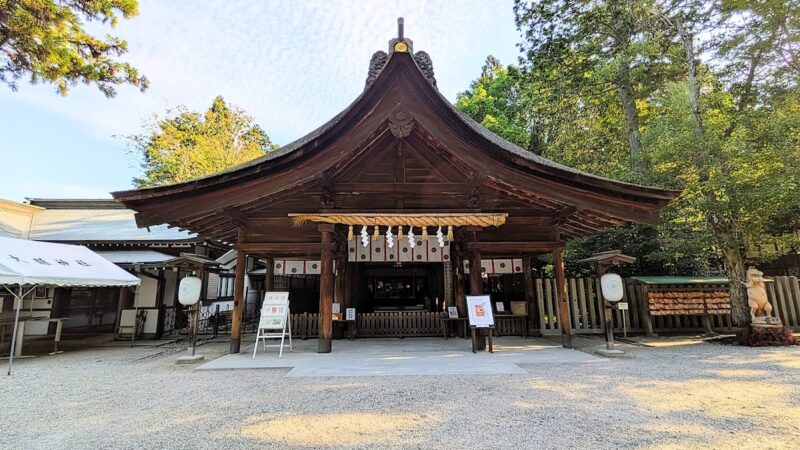
The grounds of Aichi Prefecture Gokoku Shrine, while located in the government office district south of Nagoya Castle, offer a tranquil space surrounded by lush greenery. Despite being in the city center, it is surrounded by a large forest and green trees, providing peace and tranquility to visitors.
Main Facilities:
- Worship Hall/Main Sanctuary: A magnificent shrine building where the spirits of the war dead are enshrined.
- Shrine Office: Offers Goshuin (shrine stamps) and amulets, and accepts requests for various prayers.
- Assembly Hall: A facility used for weddings and various events.
- Water Basin: A place to purify oneself before worship.
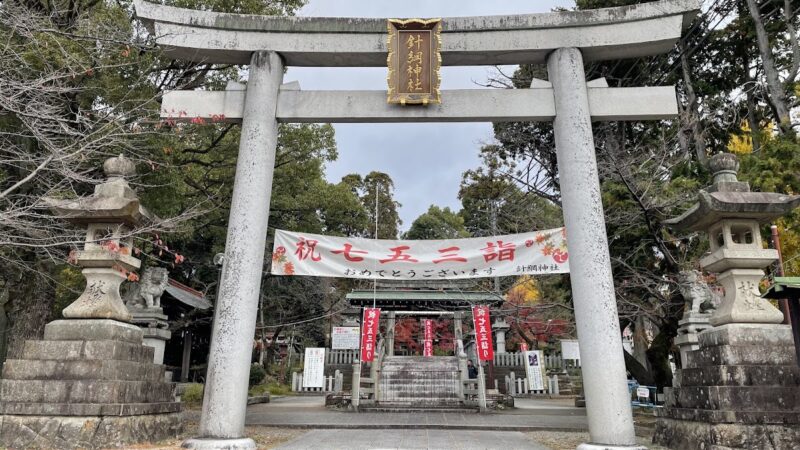
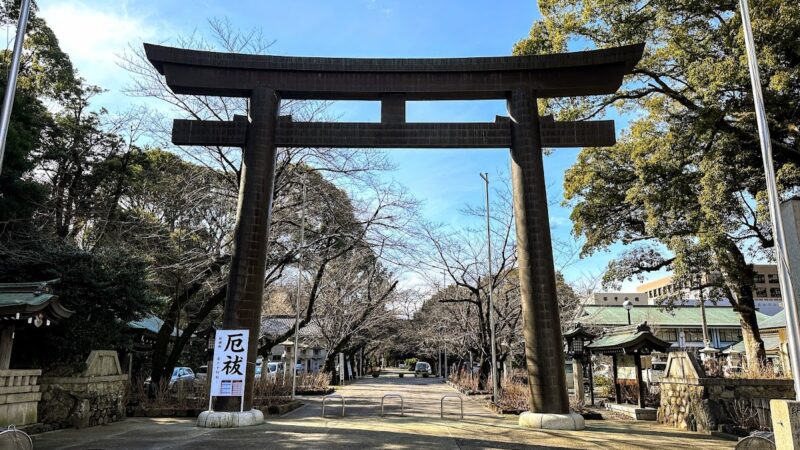
- Torii Gate: A sacred gate marking the entrance to the shrine grounds.
Highlights of the Shrine Grounds
The shrine grounds contain several memorials and monuments commemorating those who died in war, allowing visitors to learn about history while paying their respects. Furthermore, the landscaping that allows you to experience nature in every season is one of its attractions.
How to Worship and Manners
Basic Worship Etiquette
When worshipping at Aichi Prefecture Gokoku Shrine, follow the general etiquette for visiting a shrine:
- Bow before passing through the torii gate
- Purify your hands and mouth at the water basin
- Hold the ladle in your right hand and purify your left hand.
- Switch to your left hand and purify your right hand.
- Switch back to your right hand, receive water in your left hand, and rinse your mouth.
- Finally, hold the ladle upright and purify the handle.
- Two bows, two claps, and one bow in front of the main hall
- Bow deeply twice.
- Clap your hands twice at chest height.
- Pray with all your heart.
- Finally, bow deeply once.
Mindset When Worshiping
Gokoku Shrine is a shrine that enshrines the spirits of those who sacrificed their lives for the country. When visiting a shrine, it is important to pray quietly with gratitude and respect.
About Goshuin (Shrine Seals)
Issuance of Goshuin
Aichi Prefecture Gokoku Shrine issues Goshuin as proof of worship. Goshuin are available at the shrine office and can be requested after your visit.
Features of the Goshuin:
- Calligraphy of “Aichi Prefecture Gokoku Shrine”
- Shrine seal
- Date of visit
About Goshuincho (Shrine Seal Books)
Original Goshuincho are available for those who do not have their own. Aichi Prefecture Gokoku Shrine’s Goshuincho are popular as souvenirs of visits.
Reception Hours and Offering Fee
Goshuin are accepted during the shrine office’s opening hours. Please inquire about the offering fee at the shrine office.
About Prayers
Acceptance of Various Prayers
Aichi Prefecture Gokoku Shrine accepts various prayers to suit life’s milestones and wishes.
Main Types of Prayers Offered:
- Family Safety: Prayers for the health and peace of the family
- Business Prosperity: Prayers for the development and prosperity of the business
- Traffic Safety: Prayers for the safety of vehicles and drivers
- Exorcism: Prayers for protection from misfortune during the unlucky year
- Safe Childbirth: Prayers for the health of mother and child and for a safe delivery
- First Shrine Visit: Prayers for the healthy growth of the baby
- Shichi-Go-San (7-5-3 Festival): Prayers for the child’s growth and future health
- Prayers for Success in Exams: Prayers for success in exams and tests
- Recovery from Illness: Prayers for recovery from illness
How to Apply for Prayers
Those wishing to request prayers should apply at the shrine office. Advance reservations are sometimes recommended, so we suggest contacting us by phone.
Contact Information:
- Phone: 052-201-8078
- FAX: 052-221-8798
Prayer Procedure
- Registration and application form completion at the shrine office
- Payment of the offering fee
- Prayer in the main hall
- Distribution of amulets and talismans
Shinto Wedding Ceremony
Wedding Ceremony at Aichi Prefecture Gokoku Shrine
At Aichi Prefecture Gokoku Shrine, you can hold a traditional Shinto wedding ceremony. In the lush grounds, you can celebrate the beginning of your new life in a solemn yet warm atmosphere.
Characteristics of a Shinto Wedding Ceremony
A ceremony that respects Japanese tradition:
- The Three Cups Ceremony (San-San-Ku-Do)
- Recitation of Vows
- Offering of Tamagushi (Sacred Branches)
- Dance Performance by Shrine Maidens (Optional)
Wedding Application
Those wishing to have a Shinto wedding ceremony should contact the shrine office in advance. You can receive detailed information regarding the ceremony date, costs, and preparations.
Annual Festivals
Aichi Prefecture Gokoku Shrine holds various festivals throughout the year.
Main Annual Festivals
Spring Grand Festival (Late April)
- An important festival to express gratitude to the war dead
- Many bereaved families and related parties attend
Mitama Festival (July)
- A summer festival to comfort the spirits of the war dead
- Lanterns are lit in the temple grounds, creating a mystical atmosphere
Autumn Grand Festival (October)
- A festival to give thanks for the autumn harvest and report to the war dead
End of War Memorial Service (August 15th)
- A memorial service held to commemorate the end of the war
Other Festivals:
- New Year’s Day Festival (January 1st)
- National Foundation Day Festival (February 11th)
- Showa Festival (April 29th)
- Niiname-sai Festival (November 23rd)
- Tencho-sai Festival (December 23rd)
- Oharai Ceremony (June 30th, December 31st)
Attending the Festival
General visitors are welcome to attend the festival. Please check the official website or contact the shrine office for festival dates and details.
Access Information
Location
Address: 1-7-3 Sannomaru, Naka-ku, Nagoya City, Aichi Prefecture 460-0001
Access by Train
Nagoya Municipal Subway:
- Meijo Line “Nagoya Castle Station”
- Approximately 7 minutes on foot from Exit 5
- Most easily accessible route
- Tsurumai Line “Marunouchi Station”
- Approximately 10 minutes on foot from Exit 1
- Sakuradori Line “Marunouchi Station”
- Approximately 12 minutes on foot from Exit 6
Access by Bus
Nagoya Municipal Bus:
- Approximately 5 minutes on foot from the “City Hall” bus stop
Access by Car
Nagoya Expressway Inner Ring Road:
- Approximately 5 minutes from the “Marunouchi Exit”
Parking:
- Parking available for visitors on the temple grounds (limited number of spaces)
- There are several coin-operated parking lots nearby.
Nearby Facilities
- Nagoya Castle: Approximately 10 minutes on foot
- Aichi Prefectural Government Office: Approximately 3 minutes on foot
- Nagoya City Hall: Approximately 5 minutes on foot
This location allows you to enjoy sightseeing at Nagoya Castle in addition to visiting the shrine.
Visiting Hours and Shrine Office Hours
Visiting Hours
Entry to the shrine grounds is generally free, but please refrain from visiting at night.
Recommended Visiting Hours: 9:00 AM – 5:00 PM
Shrine Office Hours
Weekdays, Saturdays, Sundays, and Holidays: 9:00 AM – 5:00 PM
The issuance of Goshuin (shrine stamps), amulets, and prayer requests are handled during the shrine office’s opening hours.
Visiting During the New Year Period
During the New Year’s visit period (January 1st – 3rd), the hours are extended to accommodate visitors. Please check the official website for details.
Amulets and Items Offered
Various Amulets
Aichi Prefecture Gokoku Shrine offers a variety of amulets:
- Traffic Safety Amulet: Protects the safety of vehicles and drivers
- Academic Success Amulet: Wishes for academic improvement
- Exorcism Amulet: Wards off misfortune
- Health Amulet: Wishes for health and longevity
- Family Safety Amulet: Protects the peace and safety of the family
Other Items Offered
- Ofuda: To be enshrined on the household altar
- Ema: To write a wish and offer it
- Goshinya: An arrow for warding off evil
About the Supporters’ Association
Aichi Prefecture Gokoku Shrine Supporters’ Association
The Supporters’ Association has been organized to support Aichi Prefecture Gokoku Shrine and to continue expressing gratitude and honoring the war dead. The Association supports the maintenance and management of the shrine, the execution of festivals, and social contribution activities. ### Joining the Supporters’ Association
Those wishing to join the Supporters’ Association should inquire at the shrine office. Members receive benefits such as invitations to festivals and newsletters.
Links and Publications
Checking Official Information
The latest information can be found on the Aichi Prefecture Gokoku Shrine’s official website and social media:
- Official Homepage: Festival schedules, announcements, etc.
- Official Instagram: Scenes from the shrine grounds and seasonal landscapes
- Official X (Twitter): Breaking news updates
Publications
The shrine publishes materials commemorating the war dead and the history of the shrine. Please inquire at the shrine office for details.
Inquiries
Contact Information
Aichi Prefecture Gokoku Shrine Office
- Phone: 052-201-8078
- FAX: 052-221-8798
- Address: 1-7-3 Sannomaru, Naka-ku, Nagoya City, Aichi Prefecture 460-0001
Inquiry Contents
We handle the following types of inquiries:
- Reservations and consultations for prayers
- Consultations regarding Shinto wedding ceremonies
- Confirmation of festival dates
- Questions regarding visits to the shrine
- Inquiries regarding the Supporters’ Association
Please make telephone inquiries during the office hours (9:00 AM to 5:00 PM).
Summary
Aichi Prefecture Gokoku Shrine is a historical and traditional Gokoku Shrine that enshrines over 93,000 war dead associated with Aichi Prefecture. Since its founding in 1869 (Meiji 2), this shrine has continued to express gratitude and honor those who sacrificed their lives for the country for over 150 years.
Located south of Nagoya Castle in the government district, its lush grounds serve as an oasis in the heart of the city, offering tranquility to many visitors. You can connect with the shrine in various ways, including receiving a Goshuin (shrine stamp), prayers, and Shinto wedding ceremonies.
When visiting Nagoya, be sure to visit Aichi Prefecture Gokoku Shrine to offer your gratitude to the war dead and reaffirm the preciousness of peace. A visit in conjunction with sightseeing at Nagoya Castle is also recommended.
Conveniently located just a 7-minute walk from Nagoya Castle Station on the Meijo Subway Line, it is easily accessible. It is a rare shrine in Nagoya where you can quietly pray while experiencing the changing seasons.