What is Hosenji Temple? A Thorough Explanation of the History, Characteristics, and Access of Hosenji Temples Nationwide
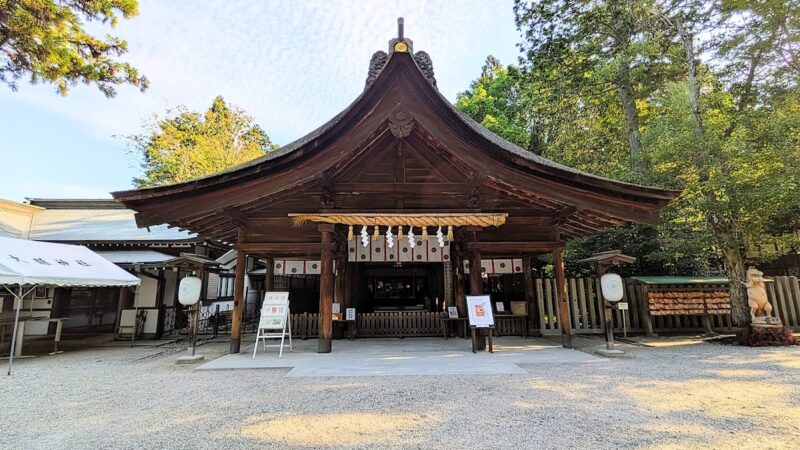
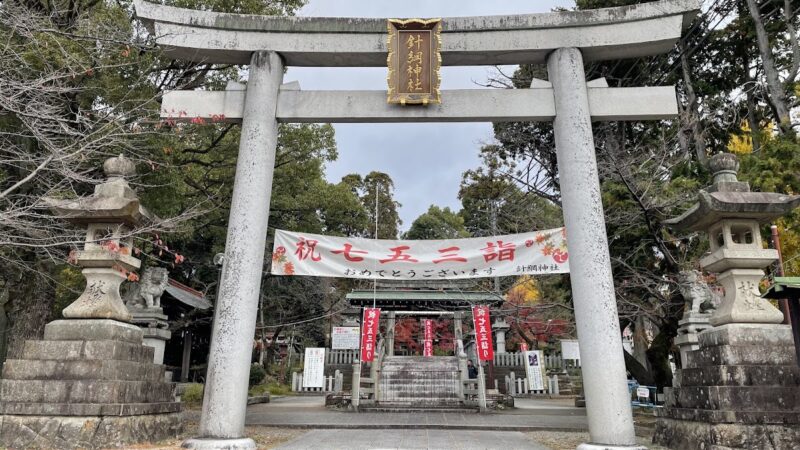
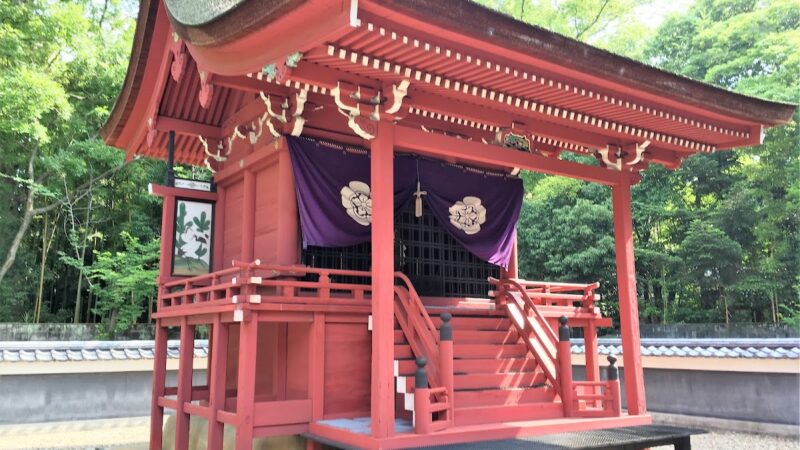
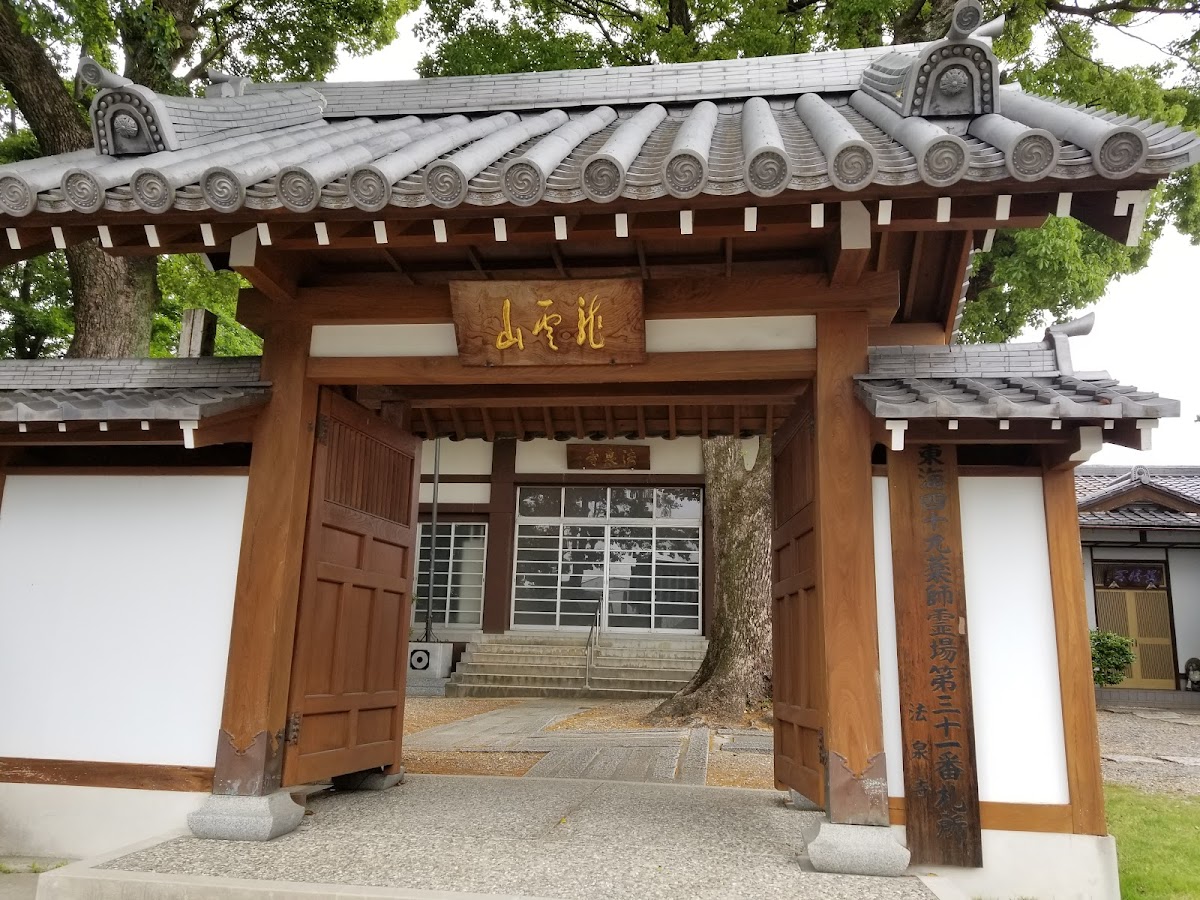
There are several temples named “Hosenji” throughout Japan. Each belongs to a different Buddhist sect and has its own unique history and characteristics. This article comprehensively explains the history, highlights of the temple grounds, annual events, and modern role of Hosenji temples belonging to various sects, including the Shinshu Otani sect, Soto Zen sect, Jodo sect, and Nichiren sect.
Overview of Hosenji Temples and Their Nationwide Distribution
The name Hosenji has long been adopted by many temples as an auspicious name meaning “fountain of Buddhist teachings.” Currently, the following temples are known as major Hosenji temples.
- Hosenji Temple in Asahi Ward, Osaka City (Shinshu Otani School)
- Hosenji Temple in Kamisato Town, Saitama Prefecture (Soto Zen School)
- Hosenji Temple in Kofu City, Yamanashi Prefecture
- Hosenji Temple in Asakura City, Fukuoka Prefecture (Jodo School)
- Hosenji Temple in Kanonji City, Kagawa Prefecture
- Hosenji Temple in Isehara City, Kanagawa Prefecture (Nichiren School)
- Hosenji Temple in Minakami Town, Gunma Prefecture (Soto Zen School)
- Hosenji Temple in Saga Prefecture
Each Hosenji Temple serves as a center of faith for its community, providing ancestral memorial services and spiritual support for local residents.
Characteristics of Hosenji Temples by Sect
Shinshu Otani School Hosenji Temple (Asahi Ward, Osaka City)
Hosenji Temple, located in Asahi Ward, Osaka City, belongs to the Shinshu Otani School. Hosenji Temple continues to preach the path of the Pure Land Buddhism revealed by Shinran Shonin, and is cherished by many followers as a place to find the true meaning of life.
Teachings and Activities
Hosenji Temple, of the Shinshu Otani sect, conducts Buddhist ceremonies based on the teachings of Shinran Shonin. Regular memorial services and study sessions are held as places to share various emotions such as gratitude, mourning, and joy. We strive to provide opportunities to easily engage with Buddhism and operate as a temple open not only to parishioners but also to local residents.
Soto Zen Hosenji Temple (Kamisato Town, Saitama Prefecture)
Hosenji Temple, a Soto Zen temple located in Kamisato Town, Kodama District, Saitama Prefecture, is a branch temple of Chorakuji Temple in Shimonita Town, Gunma Prefecture. It is said to have been founded during the Tensho era (1573-) by Kanai Chikuzen-no-kami of the area.
Perpetual Memorial Services and Cemeteries
To meet modern needs, we offer perpetual memorial graves. We provide consultations for those without heirs or those concerned about future cemetery management, and we conduct respectful memorial services based on the teachings of the Soto Zen sect. The temple grounds have a quiet and peaceful atmosphere, providing a suitable environment for honoring ancestors.
Nichiren Sect Hosenji Temple (Isehara City, Kanagawa Prefecture)
Nichiren Sect Hosenji Temple, located in Sannomiya, Isehara City, Kanagawa Prefecture, is a temple associated with Nichicho Shonin, known as the “god of eyes and academic achievement.”
Distinctive Beliefs and Services
Famous for its prayers for eye health, it attracts many visitors. We also offer services that meet modern needs, such as perpetual memorial services, tree burials, and grave closures. We also conduct funerals and memorial services, and accept consultations regardless of religious affiliation. We also accommodate family funerals, enabling us to provide heartfelt services even on a small scale.
Jodo Sect Hosenji Temple (Asakura City, Fukuoka Prefecture)
Located in Uchimizu-cho, Asakura City (formerly Amagi City), Fukuoka Prefecture, Nishitani-yama Kanroin Hosenji Temple is a Jodo sect temple and a branch temple of Chikugo Zendoji Temple of the Chinzei sect. According to the temple’s history, it was originally founded as a Hosso sect temple in 1296 (Einin 4), during the reign of Emperor Fushimi (92nd Emperor) and Hojo Sadatoki.
Historical Background
Later, it changed sects to the Jodo sect and has continued to exist as a center of local faith to this day. This temple, with its long history, is also valuable as a local cultural asset.
Soto Zen Sect Hosenji Temple (Minakami Town, Gunma Prefecture)
Located in Ishikura, Minakami Town, Tone District, Gunma Prefecture, Hosenji Temple is also a Soto Zen temple. It actively disseminates modern information through its official website and social media (Facebook, Instagram).
Hosenji Temple Grounds and Highlights
Hosenji Temple, Kanonji City, Kagawa Prefecture
Hosenji Temple in Kanonji City, Kagawa Prefecture, is known as a famous spot for autumn foliage. Approximately 50 maple trees, including over a dozen trees aged 100-150 years, are planted on the grounds, painting the temple grounds red during the autumn foliage season.
Maple Festival
Every November, the “Maple Festival” is held, attracting many people who enjoy tea ceremonies and sales of local agricultural products. This event has become a well-established local tradition and is popular with tourists.
Hosenji Temple in Saga Prefecture
Hosenji Temple in Saga Prefecture is known as a temple restored by Ryuzoji Takanobu, a prominent Sengoku period warlord of Kyushu.
Cultural Properties and Highlights
The Great Buddha Hall houses a wooden seated statue of Vairocana Buddha (the Great Buddha), approximately 3 meters tall, which is the main highlight. Furthermore, numerous cultural properties of high historical and cultural value remain, including the principal image, a wooden seated statue of Eleven-faced Kannon Bodhisattva, the stone statues of the Sixteen Arhats within the temple grounds, and the tomb of Ryuzoji Takanobu.
Main Events Held at Hosenji Temple
Each Hosenji temple holds annual events according to its sect.
Regular Memorial Services
- Monthly Memorial Service: A regular monthly memorial service to honor ancestors.
- Equinox Memorial Service: A memorial service held in conjunction with the spring and autumn equinoxes.
- Obon Memorial Service: The Obon festival to welcome ancestors.
- Ho-on-ko: The most important event in Shinshu Buddhist temples.
Special Events and Activities
Many Hosenji temples also hold special events to help people feel closer to Buddhism. They offer opportunities to easily experience Buddhism through activities such as Zen meditation sessions, sutra copying sessions, and Dharma talks.
The Role of Hosenji Temples in Modern Times
Perpetual Memorial Services and Tree Burials
In today’s society, characterized by a declining birthrate, an aging population, and the rise of nuclear families, many Hosenji temples offer new forms of memorial services such as perpetual memorial services and tree burials. Even without successors, the temple takes responsibility for continuing perpetual memorial services, providing peace of mind.
Consultations Regarding Funerals and Memorial Services
Hosenji Temple readily accepts consultations regarding funerals and memorial services. We offer support for a variety of concerns, including those unfamiliar with funeral arrangements, those wishing for a family funeral, and those considering closing a family grave. In most cases, consultations are available regardless of religious affiliation, so anyone can feel at ease contacting us.
Community Hub
Hosenji Temple functions not merely as a religious facility, but also as a community hub. We provide a place for local residents to interact through events such as the Maple Leaf Festival, tea ceremonies, and sales of local agricultural products.
Access and Visiting Information for Hosenji Temple
Nearest Station and Access Methods
Access to each Hosenji Temple varies. When using public transportation, it is generally recommended to take a bus or taxi from the nearest station. For detailed access information, we recommend checking each temple’s official website or social media.
Points to Note When Visiting
- Visiting Hours: Generally, daytime visits are possible, but memorial services or funerals may be taking place.
- Dress Code: Except in special circumstances, everyday clothing is acceptable.
- Photography: Photography is often permitted within the temple grounds, but prior confirmation is necessary for photography inside the main hall.
- Parking: Many Hosenji temples have parking lots, but they may be crowded during events.
Historical Significance of Hosenji Temples
Background of Founding and Construction
The founding dates of each Hosenji temple vary, but most were established during the medieval to early modern periods. Many temples developed under the patronage of Sengoku period warlords and influential local figures, making them important cultural heritage sites that tell the history of the region.
Changes in Sectarian Status
Some temples, like Hosenji Temple in Fukuoka Prefecture, have different sectarian affiliations at the time of their founding and today. This reflects the complex changes in Japanese religious history and provides valuable information for studying the nature of faith in each era.
Hosenji Temple and Local Culture
Preservation of Cultural Properties
Many Hosenji temples preserve valuable cultural properties such as Buddhist statues, paintings, and ancient documents. These are important materials that convey the history of the region, and some are designated cultural properties.
Preservation of Traditional Events
Hosenji temple preserves traditional events rooted in the community. Seasonal events such as the Maple Leaf Festival have become established as local traditions and are cultural memories shared across generations.
Memorial Services and Consultations at Hosenji Temple
The Importance of Ancestor Worship
Hosenji temple values ancestor worship. Through regular memorial services, we provide opportunities to express gratitude to ancestors and reaffirm family bonds.
Modern Forms of Memorial Services
We propose forms of memorial services that suit modern lifestyles, such as perpetual memorial services, tree burials, and grave closures. We can flexibly respond to individual circumstances, such as the presence or absence of successors and financial situations.
Creating an Accessible Environment for Consultation
Many Hosenji temples are committed to creating an environment where people can easily seek advice. They accept inquiries via phone, email, and social media, making it easy for first-time visitors to consult with confidence.
Modern Initiatives at Hosenji Temples
Adapting to Digitalization
Some Hosenji temples utilize official websites and social media such as Facebook and Instagram for information dissemination. They share event announcements and information in real time, making Buddhism more accessible to younger generations.
Open Temple Management
An increasing number of Hosenji temples are accepting consultations regardless of sect or denomination, without being bound by the traditional danka (parishioner) system. This expands opportunities for more people to experience Buddhist teachings and find peace of mind.
The Significance of Visiting Hosenji Temples
Seeking Peace of Mind
The time spent in a quiet temple grounds, away from the stress and anxiety of modern society, is precious. Hosenji temples serve as a sanctuary for those seeking such peace of mind.
Opportunities to Experience Buddhism
Through events such as Zen meditation sessions and Dharma talks, you can easily experience Buddhism. Even Buddhism, which is often perceived as difficult, becomes more accessible through easy-to-understand guidance.
Learning about Local History
By visiting the grounds and cultural properties of Hosenji Temple, you can learn about the local history and culture. In particular, historically important temples, such as those associated with Ryuzoji Takanobu, offer a glimpse into Japanese history.
Summary: The Diversity and Universality of Hosenji Temples
Hosenji Temples, scattered throughout Japan, each possess their own unique history and characteristics, yet they all share the common role of nourishing people’s hearts as a spring of Buddhist teachings. Regardless of sect—Shinshu Otani, Soto Zen, Jodo, or Nichiren—their functions of ancestral memorial services, contributions to the local community, and as a spiritual haven for modern people remain the same.
They are also making flexible efforts to adapt to the times, such as offering modern services like perpetual memorial services and tree burials, using social media for information dissemination, and providing consultations regardless of sect or denomination. On the other hand, efforts to preserve history and tradition, such as traditional annual events and cultural assets, continue.
Visiting Hosenji Temple is not only an opportunity to honor ancestors, but also an opportunity to reflect on oneself and find inner peace. Participating in seasonal events like the Maple Festival or strolling through the tranquil temple grounds allows you to spend a special time away from everyday life.
Hosenji Temple is a reliable resource for important life events such as funerals, memorial services, and consultations regarding cemeteries. Because of its welcoming atmosphere, we recommend contacting them if you have any anxieties or questions.
The teachings of Buddhism help us discover the true meaning of life. Hosenji Temple continues to preach these teachings in the modern age, providing spiritual support to many people. Why not visit your nearest Hosenji Temple and experience its history and charm?