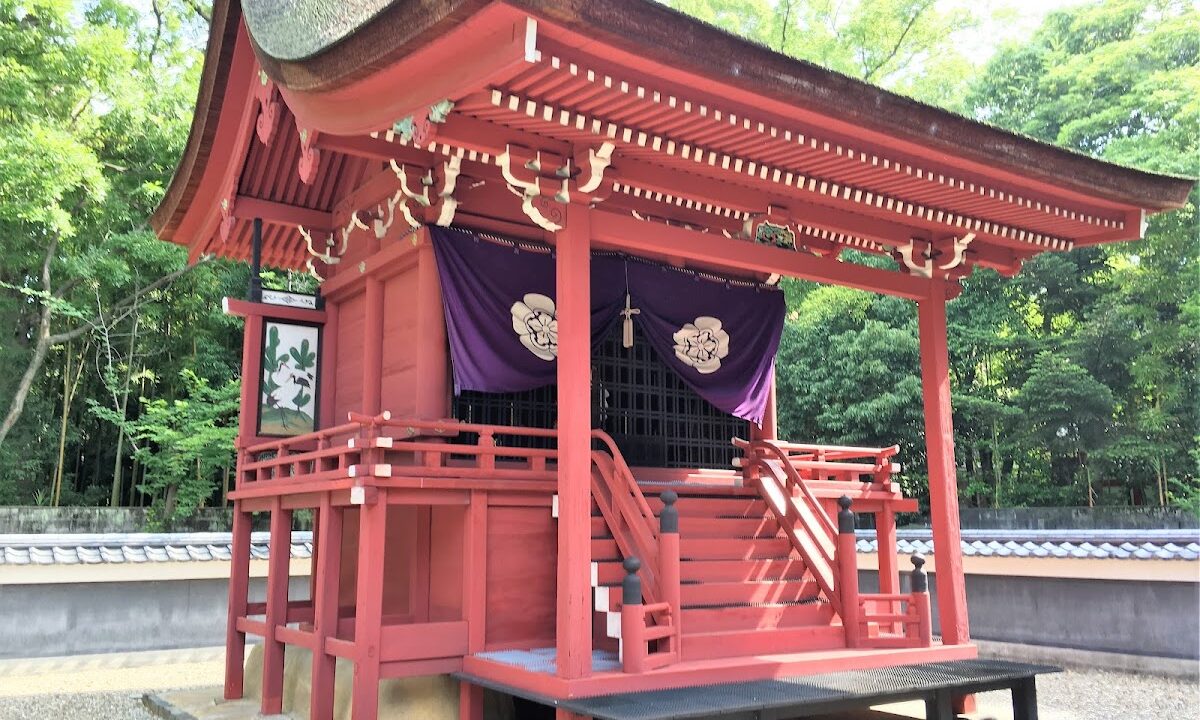
Tobe Shrine (Aichi Prefecture) Complete Guide: The National Important Cultural Property Main Hall and the History Connected to Tokugawa Ieyasu’s Fourth Son
Tobe Shrine, located in Yobitsugi, Minami-ku, Nagoya City, Aichi Prefecture, is a historic shrine founded during the Keicho era in the early Edo period. It boasts a main hall designated as a National Important Cultural Property and has received deep reverence from the Owari Domain due to its connection with Matsudaira Tadayoshi, the fourth son of Tokugawa Ieyasu. This article comprehensively introduces information you should know before visiting Tobe Shrine, including its history, highlights, goshuin (shrine stamp) information, and access methods.
History and Origins of Tobe Shrine
Circumstances of Founding and Relationship with Tsushima Shrine
The history of Tobe Shrine dates back to Keicho 8 (1603). It is said to have begun in that year when Susanoo-no-Mikoto was invited from Tsushima Shrine, located in Tsushima City, Aichi Prefecture. Tsushima Shrine was a central site of worship for warding off epidemics in the Owari region, and the fact that a divided spirit of this shrine was received here speaks to the deep fear and faith against epidemics prevalent in this area at the time.
Initially, the shrine was called “Tomobe Jadokushin Tenno,” “Jadokushin Tenno,” “Jadoku Shrine,” and “Tobe Tenno.” The name “Jadokushin” (Snake Poison God) originates from the fact that Susanoo-no-Mikoto was syncretized with Gozu Tenno and worshipped as a god who wards off epidemics and poisons. Following the Meiji-era separation of Shinto and Buddhism, the shrine was renamed “Tomobe Shrine,” and it remains so to this day.
The Story of Matsudaira Tadayoshi and the Construction of the Shrine
Matsudaira Tadayoshi, the fourth son of Tokugawa Ieyasu, was deeply involved in the construction of Tomobe Shrine. In 1606, during the Keicho era, when Matsudaira Tadayoshi, the lord of Kiyosu Castle, was suffering from a serious illness, he prayed at Tomibe Shrine for recovery. It is said that his prayers were answered, and Tadayoshi recovered within a short time.
Grateful for this miraculous recovery, Matsudaira Tadayoshi constructed a magnificent shrine complex consisting of a main hall, worship hall, prayer hall, and corridors as a token of his gratitude. The main hall constructed at this time is now designated as a National Important Cultural Property. Although Matsudaira Tadayoshi died at the young age of 28, the legacy he left at Tomibe Shrine during his short life remains vivid and continues to be passed down more than 400 years later.
Reverence and Shrine Land of the Owari Domain
Following the construction of the shrine complex by Matsudaira Tadayoshi, Tomibe Shrine became a shrine revered by the Owari Tokugawa family. The Owari domain granted the shrine 100 koku of land, and it was maintained and managed under the protection of the domain. The scale of this shrine’s territory, 100 koku, was a considerable honor for a local shrine, demonstrating how important Tomibe Shrine was to the Owari Domain.
Throughout the Edo period, Tomibe Shrine, situated on the Kasadera Plateau, was widely revered by people from samurai to commoners as a guardian deity of the region and a shrine renowned for its miraculous powers in warding off epidemics.
Deities and Benefits
Main Deity: Susanoo-no-Mikoto (Gozu Tenno)
The main deity of Tomibe Shrine is Susanoo-no-Mikoto. In Japanese mythology, he is known as a brave god who, after being banished from Takamagahara, defeated Yamata-no-Orochi in Izumo Province and rescued Kushinadahime.
During the era of syncretism of Shinto and Buddhism, he was worshipped as Gozu Tenno and widely revered as a god of protection against epidemics and misfortune. At Tomibe Shrine, which belongs to the lineage of Tenno worship with Tsushima Shrine as its head shrine, the benefit of warding off epidemics has been particularly emphasized.
Expected Benefits
The main benefits that can be prayed for at Tomibe Shrine are as follows:
- Healing from Illness: The most famous benefit based on the miraculous tale of Matsudaira Tadayoshi
- Ward off Epidemics and Misfortune: The inherent divine virtue of Susanoo-no-Mikoto (Gozu Tenno)
- Health and Longevity: A benefit derived from the power to ward off disease
- Family Safety: The aspect of being a guardian deity of the region
- Good Fortune and Prosperity: The power of Susanoo-no-Mikoto to overcome difficulties
Especially for those suffering from illness, their families, and those praying for good health, Tomibe Shrine, where the miracle of healing from illness more than 400 years ago still lives on, is a special place of prayer.
Highlights of the Main Hall and Grounds, a National Important Cultural Property
The Main Hall: A Masterpiece of Momoyama Architecture
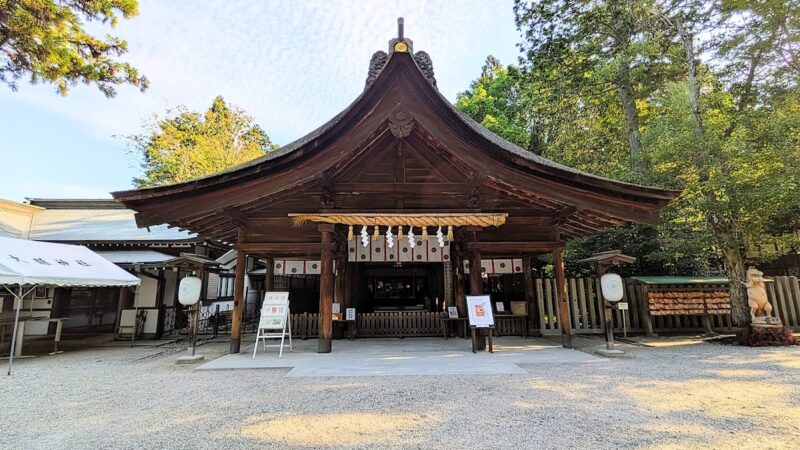
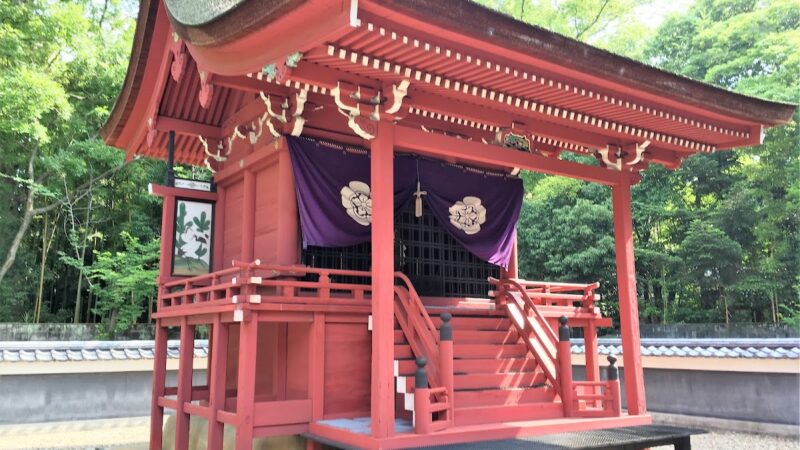
The greatest highlight of Tomibe Shrine is its main hall, designated as a National Important Cultural Property. Built in 1606 (Keicho 11), it employs the Ikkensha Nagare-zukuri style.
Architectural Features of the Main Hall:
- Momoyama Period Design: The carvings and decorations in the details express the magnificent and opulent aesthetic sense unique to the Momoyama period.
- Excellent Condition: Despite being over 400 years old, it has retained its original appearance in excellent condition, making it a valuable historical document for architecture.
- Unique in Nagoya City: The Tomibe Shrine main hall is the only shrine building in Nagoya City designated as a National Important Cultural Property, making it extremely rare.
The Ikkensha Nagare-zukuri style features a bay of one ken (approximately 1.8 meters) between the pillars at the front, with the roof sloping downwards towards the front. Despite its compact size, its dignified appearance conveys the beauty of early Edo period shrine architecture.
Worship Hall, Prayer Hall, and Corridor
The worship hall, prayer hall, and corridor, built by Matsudaira Tadayoshi along with the main shrine, are also important structures within the shrine grounds. Although they do not have the same level of cultural property designation as the main shrine, they are valuable for understanding the overall structure of early Edo period shrine architecture.
Worshippers offer their prayers in the worship hall, and the structure leads to the main shrine through the prayer hall behind it. The corridor serves to demarcate the sacred space within the shrine grounds, giving worshippers a solemn atmosphere.
Floats and Festival Culture
Tomobe Shrine also preserves a float (dashi) designated as a cultural property of Nagoya City. This float is pulled out during the annual festival and is a valuable cultural asset that conveys the local festival culture to the present day.
During the festival, the float parades through the historic streets of the Kasadera Plateau, playing an important role in strengthening the ties of the local community. The tradition of festivals that has continued since the Edo period demonstrates that Tomibe Shrine is not merely a historical site, but a living place of faith.
Atmosphere of the Shrine Grounds
Although Tomibe Shrine is located in a residential area of Minami Ward, Nagoya City, stepping onto the grounds envelops you in a tranquil atmosphere. Because it sits on a hill on the Kasadera Plateau, you can enjoy the surrounding views from the grounds.
The grounds are filled with ancient trees, creating a peaceful space that makes you forget the hustle and bustle of the city. Visitors can view the main hall, a designated Important Cultural Property, up close, feeling both the weight of history and the sacred atmosphere.
Information on Goshuin (Shrine Seals) and Goshuincho (Shrine Seal Books)
Tomibe Shrine’s Goshuin
Due to the recent boom in goshuin, many visitors at Tomibe Shrine are receiving goshuin. Tomibe Shrine’s goshuin features a simple yet dignified design with the shrine’s name written in ink and stamped with the shrine’s seal.
Goshuin (Shrine Seal) Issuance Location and Hours:
- Issuance Location: Shrine Office
- Issuance Hours: During visiting hours (We recommend checking in advance for details)
- Offering Fee: General market rate (approximately 300-500 yen)
Goshuin are popular as a memento of your visit and a way to preserve your connection with the shrine.
About Limited Edition Goshuin
At Tomibe Shrine, limited edition goshuin are sometimes issued on special days such as the annual festival. These limited edition goshuin feature different designs and colors than usual, giving them a special feel unique to that time of year.
Information about limited edition goshuin can sometimes be found on the shrine’s bulletin board, social media, and goshuin information websites. We recommend checking in advance if you wish to obtain a special goshuin.
About Goshuincho (Shrine Seal Books)
Please check with the shrine office during your visit to see if Tomibe Shrine’s original goshuincho are available. If Tomibe Shrine offers its own original goshuincho (stamp book), it features a unique design and is a popular souvenir of your visit.
Those collecting goshuin stamps typically bring their own goshuincho with them. For those receiving a goshuin stamp for the first time, receiving a goshuincho at Tomibe Shrine would be a wonderful memento.
Annual Festivals, Rituals, and Events
Annual Festival (Autumn Grand Festival)
The annual festival of Tomibe Shrine is held grandly every autumn. This festival is a major event in which the entire community participates, including the pulling of floats and the procession of the portable shrine.
Highlights of the Annual Festival:
- Float Procession: Floats designated as cultural properties of Nagoya City parade through the area.
- Shinto Rituals: Solemn rituals are performed at the main shrine.
- Community Revitalization: Stalls line the streets, and the area is bustling with many worshippers.
The annual festival is the time when the history and local culture of Tomibe Shrine are most vividly expressed, allowing visitors to see the shrine in a different light than usual.
Other Annual Events
In addition to the annual festival, Tomibe Shrine holds various other annual events:
- Hatsumode (First Shrine Visit of the New Year): The shrine is bustling with worshippers in the new year.
- Setsubun Festival: A ritual to ward off evil.
- Natsukoshi no Harae (Summer Purification Ceremony): A ritual to purify oneself of the impurities accumulated over the past six months.
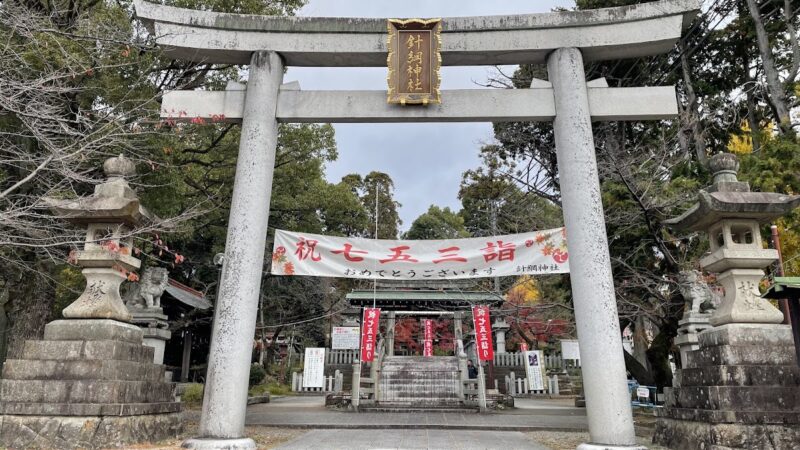
- Shichi-Go-San (Seven-Five-Three Festival): Celebrating the growth of children.
These events convey a form of faith closely intertwined with the lives of the local people.
Access and Parking Information
Access by Public Transportation
Tomobe Shrine is relatively easy to access from Nagoya city center by public transportation.
If using the Meitetsu Nagoya Main Line:
- Get off at “Sakura Station,” approximately 5-10 minutes on foot
- Access from the nearest station is the most convenient.
If using the Nagoya Municipal Subway:
- Get off at “Sakuramotocho Station” on the Sakuradori Line, approximately 15 minutes on foot
- “Tsurusato Station” is also available.
The route from Sakura Station to Tomobe Shrine is a quiet one through a residential area. Signposts are installed, so even first-time visitors should be able to arrive without getting lost.
Access by Car and Parking
Access by Car:
- Approximately 5 minutes southwest from the Sakuramotocho intersection
- Enter “Tomobe Shrine” or the address “4-13-38 Yobitsugi, Minami-ku, Nagoya City” into your car navigation system.
Parking:
Tomobe Shrine has a parking lot for visitors. However, the parking lot may be full during peak times such as festivals, so please consider using public transportation.
For details on parking (number of spaces, operating hours, etc.), we recommend contacting the shrine before your visit or checking on-site.
Combining with the surrounding area
Around Tomibe Shrine, there are other historical temples and shrines, such as Kasadera Kannon (Kasafukuji Temple). Combining visits to multiple temples and shrines in Nagoya’s Minami Ward is also recommended.
The Kasadera Plateau is a region with a long history, and traces of that history remain in the townscape. You can enjoy exploring the local history in conjunction with your visit to Tomibe Shrine.
Precautions and Manners When Visiting a Shrine
Basic Manners for Visiting a Shrine
When visiting Tomibe Shrine, please observe the following basic manners:
- Bow at the Torii Gate: Bow at the torii gate before entering the shrine grounds.
- Purification at the Water Basin: Purify your hands and mouth before praying.
- Walking on the Path: The center of the path is the path for the gods, so walk along the sides.
- Two Bows, Two Claps, One Bow: Basic etiquette at the main hall.
- Respectful Attitude: Be quiet and reverent within the shrine grounds.
Regarding Photography
Photography is generally permitted within the shrine grounds, but please note the following:
- Do not take photographs in areas where photography is prohibited, such as inside the main hall.
- Be considerate of other worshippers.
- Remember that this is a sacred place and take photographs with moderation.
- For large-scale photography, such as using tripods, please obtain permission in advance.
The main hall, a designated Important Cultural Property, is a valuable structure, but please remember that it is an object of worship and treat it with respect.
Shrine Office Hours
The issuance of Goshuin (shrine stamps) and requests for prayers are limited to the shrine office’s operating hours. If you wish to be sure of receiving assistance, it is recommended to inquire by phone in advance.
Especially if you wish to receive a limited edition Goshuin or a special prayer, prior confirmation is crucial.
Cultural Value of Tomibe Shrine
Significance in Architectural History
The main hall of Tomibe Shrine is a valuable structure that conveys the architectural style of the transitional period from the Momoyama period to the Edo period, dating back to the Keicho era (1596-1615).
Shrine architecture from this period represents the transition from the turmoil of the Sengoku period to the peaceful era under the Tokugawa Shogunate. The main hall of Tomibe Shrine embodies a coexistence of the magnificent and ornate ornamentation of the Momoyama period and the spirit of respecting formality from the Edo period, occupying a significant position in architectural history.
As a Cultural Heritage of Nagoya City
While many shrines exist in Nagoya City, the main hall of Tomibe Shrine is the only shrine building designated as a National Important Cultural Property. This fact demonstrates the outstanding value of Tomibe Shrine as a cultural heritage of Nagoya City.
Many historical buildings in Nagoya City were lost in the air raids of World War II. In this context, the fact that the main hall of Tomibe Shrine has survived, preserving its early Edo period form, is truly miraculous.
A Precious Preservation of Local History
Tomibe Shrine is not merely a cultural property; it has watched over the history of the region and the lives of its people for over 400 years.
From the history of the Kasadera Plateau, the reverence of the Owari Tokugawa family, the local festival culture, to the modern-day Goshuin (shrine stamp) boom, it has continued to interact with people in different ways throughout the ages. This continuity is the true value of Tomibe Shrine.
Nearby Shrines and Temples
Nearby, there are several other historical temples and shrines scattered around Tomibe Shrine.
Kasafuku-ji Temple (Kasadera Kannon)
Located approximately 1.5 kilometers north of Tomibe Shrine, this is an ancient Shingon Buddhist temple. It is said to have been founded in 733 AD (Tenpyo 5) and is affectionately known as “Kasadera Kannon.” The principal image, an eleven-faced Kannon, is widely worshipped as a Kannon that wards off evil.
Other Nearby Temples and Shrines
In addition to Tomibe Shrine, Nagoya City’s Minami Ward has numerous other shrines and temples deeply rooted in the community. Those who enjoy visiting temples and shrines can combine visits to experience the rich religious culture of this region.
Best Season to Visit Tomibe Shrine
Spring (March-May)
In spring, the trees on the shrine grounds are enveloped in fresh greenery, allowing for a refreshing visit. During cherry blossom season, you can enjoy cherry blossom viewing in the surrounding area as well.
Autumn (September-November)
Autumn, when the annual festival is held, is the busiest season at Tomibe Shrine. For those who want to experience the parade of floats and the atmosphere of the festival, visiting during the festival period is highly recommended. Also, during the autumn foliage season, the trees on the shrine grounds change color, offering a beautiful view.
New Year’s Visit (January)
The first shrine visit of the new year is an excellent opportunity to pray for good health throughout the year. Visiting Tomibe Shrine, known for its miraculous healing powers, will be particularly meaningful for those praying for good health.
Summary: The Charms of Tomibe Shrine
Tomibe Shrine (Minami-ku, Nagoya City, Aichi Prefecture) is a shrine with the following multifaceted charms:
- National Important Cultural Property Main Hall: The only shrine building in Nagoya City designated as a National Important Cultural Property
- History with Tokugawa Ieyasu’s Fourth Son: The story of Matsudaira Tadayoshi’s miraculous recovery from illness and the construction of the shrine
- Benefits for Protection from Epidemics: The miraculous power of healing from illness, as it enshrines Susanoo-no-Mikoto (Gozu Tenno)
- Reverence from the Owari Domain: A prestigious shrine granted 100 koku of land
- Living Festival Culture: Locally rooted traditions such as the annual festival with its parade of floats
- Easy Access: Easily accessible from Nagoya City by public transportation
Tomibe Shrine, with a history of over 400 years, continues to attract the faith of local people even today. Tomibe Shrine is an extremely valuable entity, as it combines cultural value as a nationally designated Important Cultural Property with its role as a living place of worship.
When visiting Minami Ward in Nagoya City, be sure to visit Tomibe Shrine and experience the beauty of Momoyama architecture and its history connected to the Tokugawa family. Praying in the tranquil grounds will provide a special experience, as if a miraculous story from 400 years ago is being brought back to life in the present day.
Contact Information
Tomibe Shrine
- Address: 4-13-38 Yobitsugi, Minami Ward, Nagoya City, Aichi Prefecture 457-0014
- Phone Number: Please check the latest information before visiting
- Visiting Hours: Grounds are freely accessible (please check the hours of the shrine office)
- Official Information: Please check the latest information on-site or related websites
*For detailed information such as the hours for receiving Goshuin (shrine stamps), prayer reception, and festival dates, we recommend contacting the shrine directly in advance.