What is a Shinmei Shrine? A thorough explanation of Shinmei Shrines throughout Japan, from their history, enshrined deities, and blessings to how to worship.
What is a Shinmei Shrine? Basic Understanding
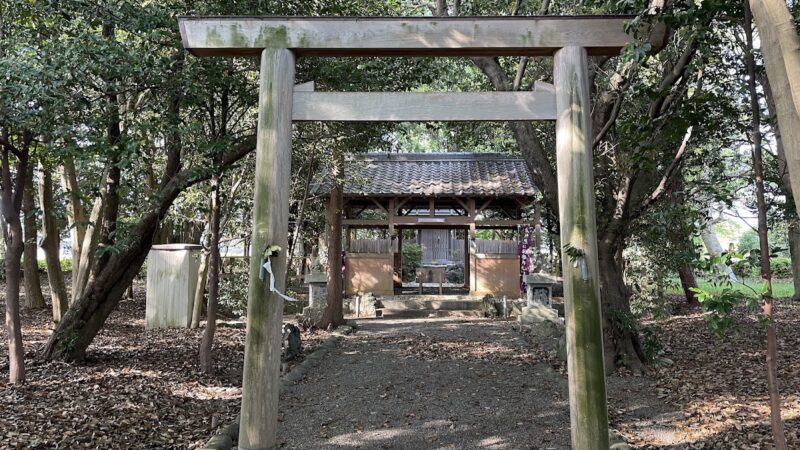
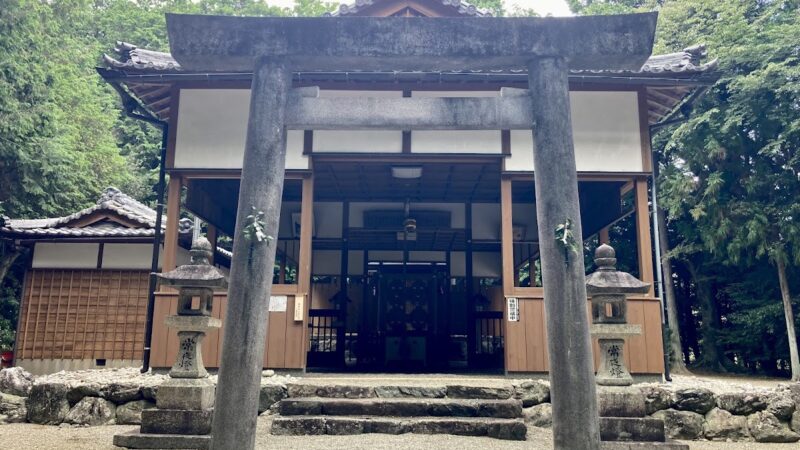
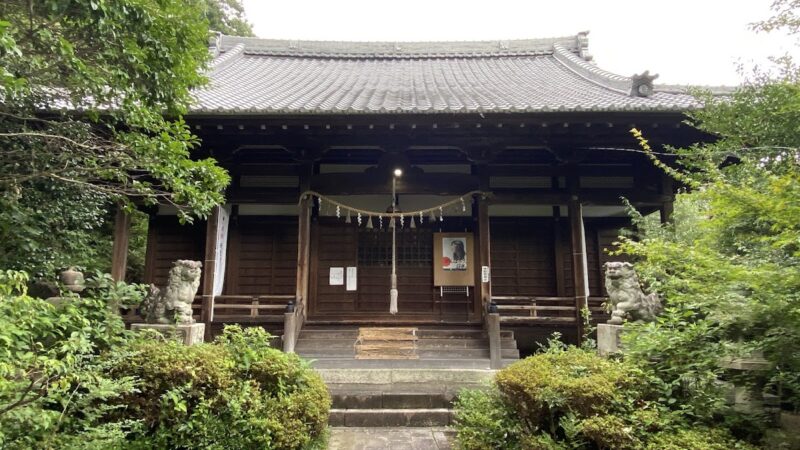
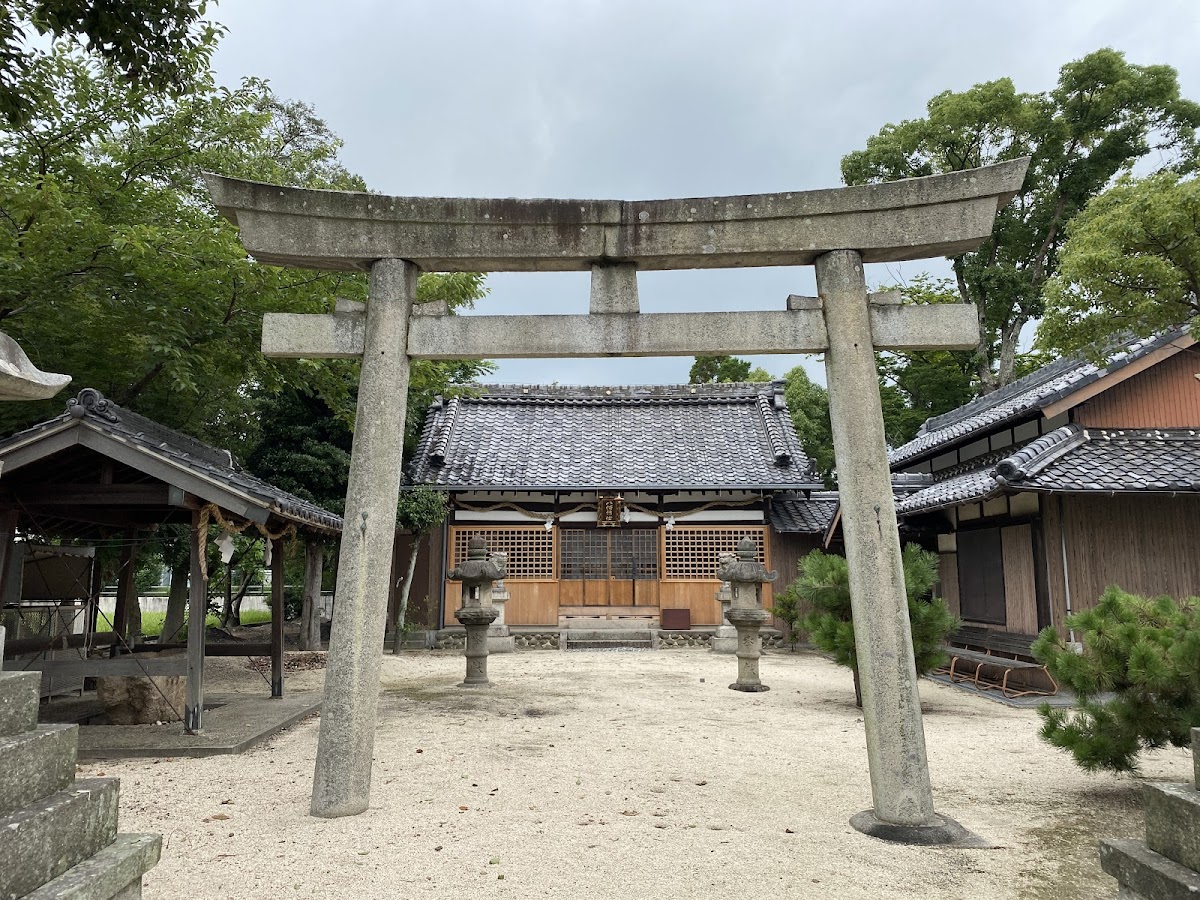
A Shinmei Shrine is a general term for shrines that enshrine Amaterasu Omikami as their principal deity. “Shinmei” is an honorific title referring to Amaterasu Omikami, and numerous Shinmei Shrines are located throughout Japan. They are a historical group of shrines that have played a role in spreading the faith of Ise Grand Shrine, which is their head shrine, to various regions.
Shinmei Shrines are affectionately called “O-Shinmei-san” or “Shinmei-sama,” and have long been revered as the center of faith for local residents. Many of them adopt the Shinmei-zukuri style, the oldest shrine architectural style in Japan, and hold significant architectural historical value.
Origin of the Name “Shinmei-gu”
The word “Shinmei” originally meant “gods,” but from the Heian period onward, it became specifically associated with Amaterasu Omikami. As the faith in Amaterasu Omikami, enshrined at the Inner Shrine of Ise Grand Shrine, spread throughout Japan, “Shinmei-gu” and “Shinmei-sha” shrines were established in various locations.
Major Shinmei-gu Shrines Nationwide
While numerous Shinmei-gu shrines exist throughout Japan, we introduce some of the most historically significant and prestigious ones.
National Treasure: Nishina Shinmei-gu Shrine (Omachi City, Nagano Prefecture)
Nishina Shinmei-gu Shrine, located in Omachi City, Nagano Prefecture, is designated a National Treasure as the oldest existing Shinmei-zukuri style main hall in Japan. It is a valuable cultural asset that preserves the architectural style of the late Heian period and is highly regarded by architectural historians as a place where the prototype of Shinmei-zukuri architecture can be understood.
Nestled amidst the lush, ancient trees of Nishina Forest, the shrine exudes a sacred atmosphere. The main hall, the fishing hut, and the middle gate are designated National Treasures, showcasing the beautiful form of the Shinmei-zukuri style, complete with its distinctive chigi (ornamental roof finials) and katsuogi (decorative roof beams).
Asagaya Shinmei-gu Shrine (Suginami Ward, Tokyo)
Located in Suginami Ward, Tokyo, just a two-minute walk from JR Asagaya Station, Asagaya Shinmei-gu Shrine is widely known as a shrine for warding off evil (protection against eight misfortunes). Within its grounds, surrounded by approximately 3,000 tsubo (about 10,000 square meters) of forest, a sacred stone, said to have been brought from the Miyagawa River in Ise, is enshrined in the main hall, demonstrating its deep connection to Ise Grand Shrine.
Throughout the year, plant and antique markets are held, and numerous performances of koto music, Noh theater, and jazz are offered, keeping the grounds constantly vibrant. Despite its urban location, it maintains abundant nature and serves as a spiritual haven for the local community.
Shinmei-gu Shrine (Kanazawa City, Ishikawa Prefecture)
Shinmei-gu Shrine, one of the five former shrines of Kanazawa, has been affectionately known as “O-Shinmei-san” since ancient times and is a prestigious shrine, sometimes referred to as one of the seven or three most important Shinmei shrines in Japan. It has attracted widespread devotion from successive lords of the Kaga Domain to commoners and has been known as a shrine for purification.
The “Aburi-mochi Festival,” held in spring and autumn, is famous as a unique Shinto ritual unparalleled in Japan. Furthermore, the shrine’s Sagicho festival is considered the origin of Kanazawa’s Sagicho festival, preserving the region’s traditional culture to this day.
Shinmei-gu Shrine (Hachinohe City, Aomori Prefecture)
Shinmei-gu Shrine, known as one of the three shrines of the Hachinohe Sansha Taisai (Three Shrines Festival), holds a special place in the hearts of Hachinohe citizens. Every year on July 1st, the “Chino-wa Festival” takes place, where a large ring made of reeds is erected in front of the shrine, and a long procession of people praying for protection from evil and good health forms.
The eve of the festival on June 30th and the main festival on July 1st feature Kagura (sacred dance) performances and Bon Odori (traditional Japanese dance), and the shrine grounds are lined with numerous stalls, making it a beloved summer tradition. A ginkgo tree estimated to be 600 years old stands on the grounds, adding to its appeal.
Shinmei-gu Shrine (Tochigi City, Tochigi Prefecture)
Shinmei-gu Shrine, affectionately known as “Tochigi’s Ise Shrine,” is also known as the birthplace of the name Tochigi Prefecture. As a shrine deeply intertwined with local history, it attracts many worshippers.
Fukagawa Shinmei-gu Shrine (Koto Ward, Tokyo)
Founded by Fukagawa Hachiroemon, the first to develop the Fukagawa area, this is the “Shrine of Fukagawa’s Origin.” The Jurojin Shrine within the grounds enshrines Jurojin, one of the Seven Lucky Gods of Fukagawa, and the shrine is bustling with visitors on a pilgrimage to the Seven Lucky Gods during the New Year’s period. The summer festival, especially the main festival held every three years, is a major local event.
Shinmei-gu Shrine (Minato-ku, Tokyo)
This is a historic shrine founded in 1005 by imperial decree of Emperor Ichijo. It is said to have been revered by Watanabe no Tsuna and the Tokugawa family. Thanks to the prayers of the chief priest and parishioners, it has escaped many disasters, including the Great Kanto Earthquake and wartime destruction. Currently, it is visited by many people as a shrine for warding off evil.
Shinmei-gu Shrine (Omi Village, Nagano Prefecture)
This Shinmei-gu shrine has a Shinmei-zukuri style main hall that is slightly larger than the National Treasure Nishina Shinmei-gu Shrine. There is a ridge beam inscription indicating reconstruction in 1684, and the style and techniques suggest it was built during this period. Built only slightly later than Nishina Shinmei-gu Shrine, it is designated as an Important Cultural Property as a large-scale and old Shinmei-zukuri main hall nationwide.
With its thick, imposing wooden beams and decorative design, it is a representative example of early modern Shinmei-zukuri architecture. The fact that it remains together with the temporary shrine built in the Shinmei-zukuri style is considered precious.
Deities Enshrined and the Faith of Shinmei Shrines
About Amaterasu Omikami
Amaterasu Omikami, the enshrined deity of Shinmei Shrines, is the supreme deity in Japanese mythology and a goddess who personifies the sun. She is revered as the ancestral deity of the Imperial family and is enshrined in the Inner Shrine of Ise Grand Shrine. As the god of agriculture and the god of national peace, she has been at the center of Japanese faith since ancient times.
Deities Enshrined Alongside Amaterasu Omikami
Many Shinmei Shrines enshrine Toyouke Omikami alongside Amaterasu Omikami. Toyouke Omikami is the goddess who presides over food and grains and is the enshrined deity of the Outer Shrine of Ise Grand Shrine. In some regions, other deities such as Amenokoyane no Mikoto may also be enshrined.
Benefits of Shinmei Shrine
Shinmei Shrines are believed to offer a variety of benefits, but are particularly known for the following:
Protection from Misfortune and Evil Spirits
Many Shinmei Shrines are revered as shrines for protection from misfortune and evil spirits. Asagaya Shinmei Shrine, in particular, is widely known as a shrine for protection from eight kinds of misfortune, and the Shinmei Shrine in Minato Ward is widely known as a shrine for protection from evil spirits. Many worshippers visit to receive prayers for their unlucky years, a significant turning point in their lives.
Good Health and Protection from Illness
Due to the divine virtues of Amaterasu Omikami, Shinmei Shrines are believed to offer benefits for good health and protection from illness. The Chino-wa Festival held at Hachinohe Shinmei Shrine is a representative Shinto ritual for protection from misfortune and prayers for good health.
Family Safety and Good Fortune
Shinmei Shrines are cherished by local people as places to pray for the safety and happiness of their families. Many worshippers visit during the New Year’s visit and annual festivals to pray for a safe year.
Abundant Harvest and Business Prosperity
At Shinmei-gu shrines, which enshrine Toyouke-no-Okami, you can expect blessings of abundant harvests and business prosperity. It is deeply revered by people involved in agriculture and commerce, and many worshippers can be seen praying for the prosperity of their businesses.
Shinmei-zukuri Architectural Style
What is Shinmei-zukuri?
Shinmei-zukuri is one of the oldest shrine architectural styles in Japan, exemplified by the Ise Grand Shrine. It features a gable roof, a flat entrance, and a raised floor structure, possessing a simple and pure beauty with restrained ornamentation.
Characteristics of Shinmei-zukuri
The main characteristics of Shinmei-zukuri are as follows:
- Chigi: Wooden beams that cross and protrude from both ends of the roof. There are inward-cut and outward-cut types, which are said to represent the gender of the enshrined deity.
- Katsuogi: Cylindrical wooden beams arranged along the roof ridge. Usually, an odd number are used.
- Raised Floor Structure: A raised floor elevated from the ground. This protects against dampness and creates a sacred space.
- Foundation Stone: A stone that serves as the base for the columns. At Nishina Shinmei Shrine and other locations, a traditional construction method is seen where columns are erected on foundation stones and secured with vertical and horizontal bracing.
- Kirimeguri: A decorative structure with a balustrade surrounding the three sides of the front.
National Treasures and Important Cultural Properties of Shinmei-zukuri Architecture
The main hall of Nishina Shinmei Shrine is designated a National Treasure as the oldest Shinmei-zukuri architecture in Japan, and the main hall of the Shinmei Shrine in Omi Village is also protected as an Important Cultural Property. These buildings are extremely important resources for understanding the development of Shinmei-zukuri architecture.
Annual Events and Festivals of Shinmei Shrines
Annual Festival
Each Shinmei Shrine holds an annual festival once or twice a year. These festivals include the dedication of Kagura (sacred dance and music), a procession of portable shrines, and the setting up of stalls, and are cherished as important local events.
Chino-wa Festival (Hachinohe)
At the Shinmei Shrine in Hachinohe, the Chino-wa Festival is held every year on July 1st. By passing through a large ring of reeds, people purify themselves of the impurities accumulated over the past six months and pray for good health and protection from illness for the remaining half of the year. Beginning with a pre-festival on June 30th, the main festival features Kagura dedication and Bon Odori (traditional Japanese dance), and is a popular summer event attracting many people.
Aburi-mochi Festival (Kanazawa)
The Aburi-mochi Festival, held in spring and autumn at the Shinmei Shrine in Kanazawa, is a unique Shinto ritual unlike any other in Japan. Rice cakes are roasted and offered to the gods, and then distributed to worshippers. It is believed that eating this mochi (rice cake) brings good health and protection from illness.
Sagicho (Kanazawa)
The Sagicho festival held at Shinmei Shrine in Kanazawa is considered the original Sagicho festival in Kanazawa. It is a fire festival where New Year’s pine decorations and Shimenawa (sacred ropes) are burned, and prayers are offered for good health throughout the year.
Plant and Antique Market (Asagaya)
Asagaya Shinmei Shrine holds plant and antique markets throughout the year. Its convenient location makes it a popular event attracting many visitors.
Cultural and Performing Arts Offerings
Some Shinmei Shrines offer various cultural and performing arts offerings, including koto music, Noh theater, and jazz. Offerings across a wide range of genres, from traditional performing arts to contemporary music, contribute to the revitalization of the shrine.
How to Worship and Manners
Basic Worship Etiquette
The basic etiquette for visiting Shinmei Shrine is as follows:
- Bow before passing through the torii gate: As a greeting before entering the sacred area, bow before the torii gate.
- Walking along the approach: The center of the approach is considered the path of the gods, so it is desirable to walk along the sides.
- Purify at the water basin: Purify your hands and mouth at the water basin. Hold the ladle in your right hand and wash your left hand, then switch to your left hand and wash your right hand, switch back to your right hand, receive water in your left hand and rinse your mouth, and finally hold the ladle upright and rinse the handle.
- Worship at the main hall: Place your offering, ring the bell, and worship using the two bows, two claps, and one bow ritual.
Receiving Prayers
If you wish to receive prayers for exorcism or life-changing rituals, it is recommended to contact the shrine in advance and make a reservation. The prayer fee (first offering) varies depending on the shrine, but is generally around 5,000 to 10,000 yen.
Life-Changing Rituals and Shinmei Shrines
Shinmei Shrines perform various rituals for important life milestones, such as prayers for safe childbirth, first shrine visits for newborns, Shichi-Go-San (a traditional rite of passage for children), exorcism, and weddings. You can receive careful prayers from Shinto priests.
Access and Visiting Information for Shinmei Shrines
Transportation Access
Access to each Shinmei Shrine varies depending on its location, but many are within walking distance of train stations. For example, Asagaya Shinmei Shrine is conveniently located just a 2-minute walk from JR Asagaya Station. For Shinmei Shrines in rural areas, access by car may be more convenient.
Visiting Hours
Entry to the shrine grounds is generally free, but the reception hours of the shrine office vary depending on the shrine. Generally, reception hours are from 9:00 AM to around 5:00 PM. If you wish to have prayers performed, it is recommended to check in advance.
Parking
Many Shinmei Shrines have parking lots for visitors. However, congestion is expected during festivals, so using public transportation may be recommended.
Relationship between Shinmei Shrines and Ise Grand Shrine
Spread of Ise Grand Shrine Faith
Shinmei Shrines consider Ise Grand Shrine as their head shrine and have played a role in spreading the faith of Amaterasu Omikami throughout the country. From the Middle Ages onward, as pilgrimages to Ise Grand Shrine became popular, the movement to invite the divided spirit of Ise Grand Shrine to various locations intensified, and many Shinmei Shrines were founded.
Legend of Sacred Stones
Some Shinmei Shrines, such as Asagaya Shinmei Shrine, enshrine sacred stones said to have been brought back from the Miyagawa River in Ise. This demonstrates a deep connection with Ise Grand Shrine and serves to evoke a sense of reverence for Ise Grand Shrine in visitors. ### Distribution of Jingu Taima (Ise Grand Shrine Amulets)
Many Shinmei-gu shrines distribute Jingu Taima, the sacred amulets of Ise Grand Shrine. This allows families to enshrine Amaterasu Omikami, contributing to the spread of Jingu faith throughout Japan.
History and Origins of Shinmei-gu Shrines
Ancient Beliefs
The belief in Amaterasu Omikami has been one of Japan’s central beliefs since ancient times. As Ise Grand Shrine gained a special status under the Ritsuryo system, local powerful families and influential figures began to invite Amaterasu Omikami and establish Shinmei-gu shrines.
Development in the Middle Ages
In the Middle Ages, Shinto priests of Ise Grand Shrine, known as Onshi, traveled throughout Japan, spreading Jingu faith. This activity led to an increase in Shinmei-gu shrines throughout the country, and Ise faith spread among the common people.
Development in the Middle Ages ### Prosperity in the Early Modern Period
During the Edo period, pilgrimages to Ise Shrine became extremely popular among common people, further increasing devotion to Shinmei Shrines. The feudal lords of each domain also protected Shinmei Shrines, supporting the construction of shrine buildings and festivals. The reverence shown to the Kanazawa Shinmei Shrine by the Kaga domain lord is one example.
Modern Era
With the Meiji-era reform of the shrine system, many Shinmei Shrines were elevated to the ranks of village shrines, regional shrines, etc. After World War II, they became independent religious corporations and continue to function as centers of local faith.
Highlights of the Shrine Grounds
Sacred Trees
Many Shinmei Shrines have sacred trees with long histories. The Hachinohe Shinmei Shrine has a ginkgo tree estimated to be 600 years old, which displays beautiful yellow foliage in autumn. These sacred trees are valuable artifacts that tell the history of the shrines.
Shagumoto Forest
Some Shinmei Shrines, like Nishina Shinmei Shrine, are surrounded by lush forests of ancient Shagumoto trees. Even Shinmei Shrines in urban areas maintain abundant nature within their vast grounds, making them cherished as urban oases.
Subsidiary Shrines
Various subsidiary shrines are enshrined within the grounds of Shinmei Shrines. Some, like the Jurojin Shrine at Fukagawa Shinmei Shrine, enshrine one of the Seven Lucky Gods. Each subsidiary shrine offers its own unique blessings, catering to the diverse wishes of worshippers.
Cultural Properties
Many Shinmei Shrines possess cultural properties of high historical value, including main halls designated as National Treasures or Important Cultural Properties, as well as old ridgepole inscriptions, Kagura halls, and torii gates. These are carefully preserved as part of Japan’s cultural heritage.
Shinmei Shrines and Local Communities
Center of Local Festivals
Shinmei Shrines play a vital role as the center of local festivals. Large-scale festivals, such as the Hachinohe Sansha Taisai, are held in cooperation with multiple shrines, contributing to the formation of local identity. ### Cultural Hub
Shinmei Shrines, where cultural activities such as Kagura (Shinto ritual dance), Noh (Noh theater), and music are performed, also function as regional cultural hubs. They serve as a space open to a wide range of generations, fostering the inheritance of traditional culture and the creation of new culture.
Market Venue
Some Shinmei Shrines regularly host markets, such as plant markets and antique markets. These markets contribute to the revitalization of the local economy and play an important role as places for people to interact.
Recovery from Disaster
Shinmei Shrines, having survived disasters such as the Great Kanto Earthquake and wartime destruction, are symbols of hope for the local people. Their history of overcoming difficult times continues to inspire courage and strength in modern worshippers.
Summary
Shinmei Shrines, dedicated to Amaterasu Omikami, are located throughout Japan and have long attracted the faith of local people. The Shinmei-zukuri architectural style, exemplified by the National Treasure Nishina Shinmei Shrine, is an important legacy of Japanese architectural culture.
Shinto shrines offer a variety of blessings, including protection from evil, good health, and family safety, and are cherished as places of prayer at important life events and as places of daily worship. Each Shinto shrine in Japan has its own unique traditional events, such as the Chino-wa Festival and the Aburi-mochi Festival, playing an important role in the preservation of local culture.
While Shinto shrines in urban areas are easily accessible and convenient to visit, those in rural areas offer a tranquil space surrounded by abundant nature. Learning about the individuality and charm of each Shinto shrine and actually visiting them will deepen your understanding of Japanese shrine culture.
Visiting a Shinto shrine and experiencing faith in Amaterasu Omikami, and taking time to pray for peace of mind and tranquility in life, holds great significance even in modern society. Please visit a Shinto shrine near you, or one you encounter during your travels, and experience its history and culture.