About Yamato-hime Shrine
Yamato-hime Shrine is a sub-shrine of the Inner Shrine of Ise Grand Shrine, located in Ise City, Mie Prefecture. It enshrines Yamato-hime no Mikoto, who is credited with enshrining Amaterasu Omikami in the land of Ise.
History and Origins of Yamato-hime Shrine
Circumstances of Founding
Yamato-hime Shrine was founded on November 5, 1923 (Taisho 12). While it is one of the newest shrines among the 125 shrines of Ise Grand Shrine, its founding holds profound significance.
Yamato-hime no Mikoto was the daughter of Emperor Suinin, the 11th emperor of Japan. As a representative of Amaterasu Omikami (a vessel for conveying the will of the gods), she traveled throughout the land approximately 2000 years ago, ultimately establishing the Ise Grand Shrine.
Status as a Sub-Shrine
Yamato-hime-no-miya is one of the 14 sub-shrines of the Inner Shrine (Naiku), and holds a particularly high status among the 125 shrines of the Ise Grand Shrine. Sub-shrines have a status second only to the main shrine, and receive treatment similar to the main shrine during the Shikinen Sengu (periodic rebuilding of the shrine).
About the Deity Enshrined: Yamato-hime-no-Mikoto
Achievements of Yamato-hime-no-Mikoto
Yamato-hime-no-Mikoto traveled from Yamato Province to Iga, Omi, Mino, Owari, and other regions in search of a suitable place for Amaterasu Omikami to reside, finally arriving at the banks of the Isuzu River in Ise Province. This journey is described in detail in the “Yamato-hime-no-Mikoto Seiki” (Chronicle of Yamato-hime-no-Mikoto).
In Ise, Amaterasu Omikami declared, “This land is where the waves of the eternal world return. It is a pitiable land among the neighboring countries. I wish to reside in this land,” and thus, Ise Grand Shrine was founded.
Contribution to the Founding of the Grand Shrine
Yamato-hime no Mikoto is known not only for founding the Grand Shrine, but also for establishing the foundations of the shrine’s ritual system and offerings (shinsen). Many of the current rituals at the Grand Shrine were established during Yamato-hime no Mikoto’s time.
Points to Note During Your Visit
Highlights of the Shrine Grounds
Shrine Architecture
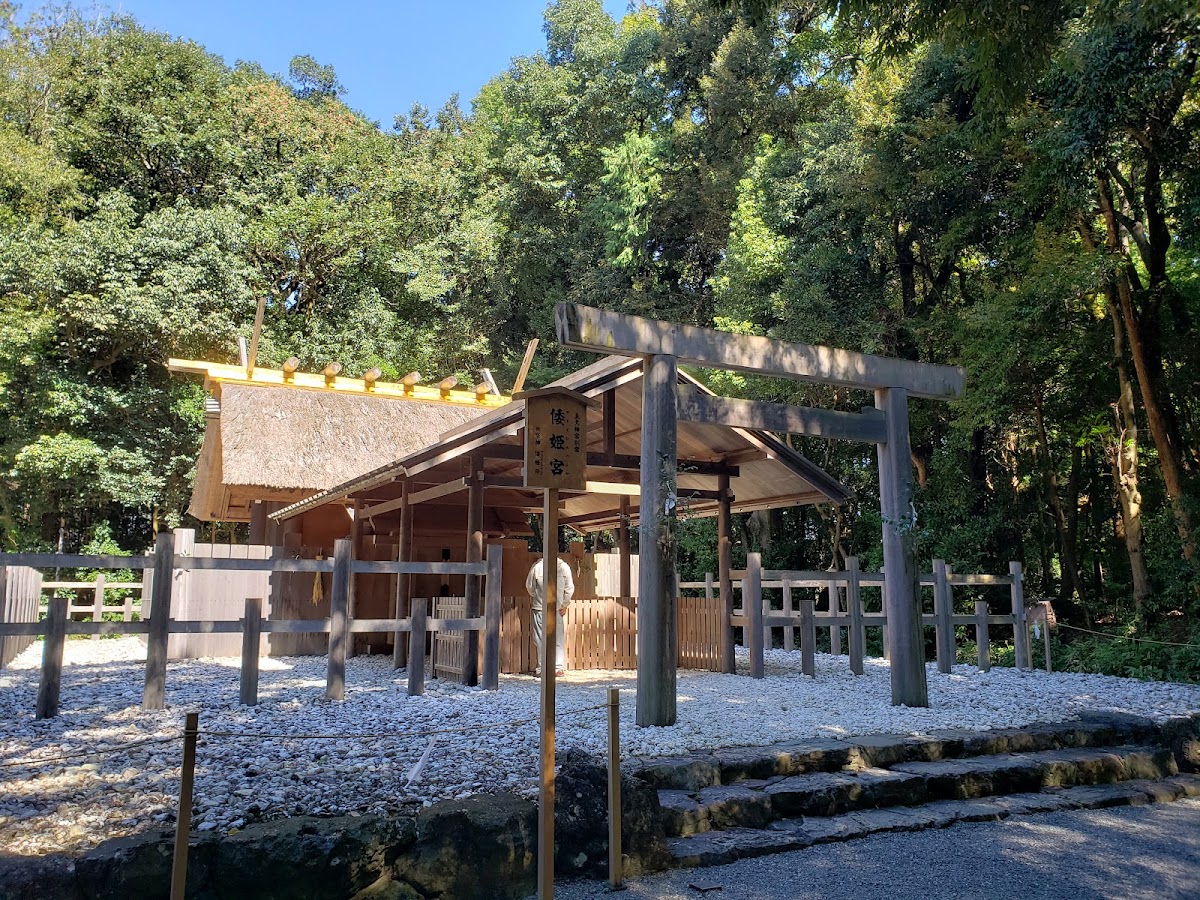
The Yamato-hime Shrine is built in the Shinmei-zukuri style, a unique architectural style of the Ise Grand Shrine. It features a cypress bark roof and plain wooden pillars, possessing a simple yet dignified beauty.
Torii Gate and Approach
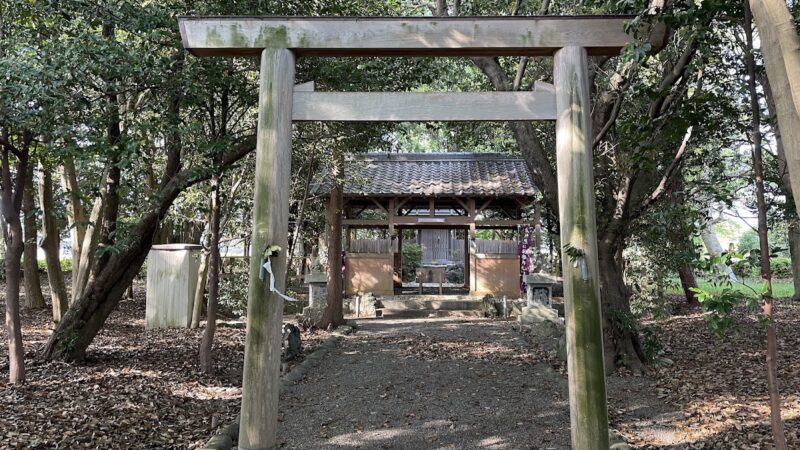
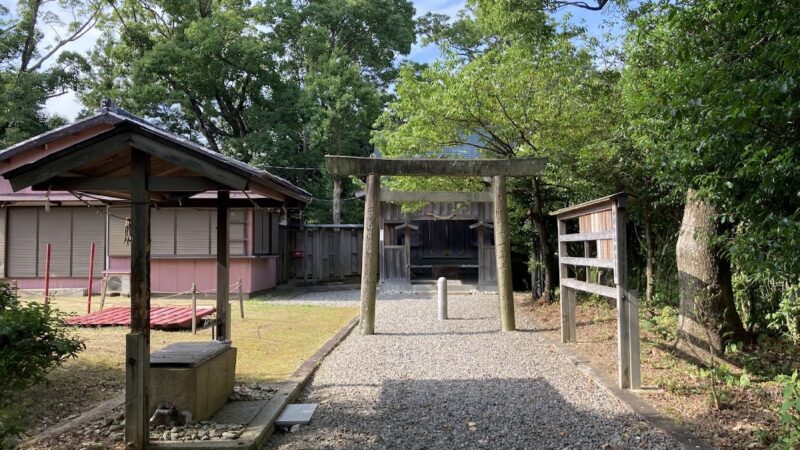
The approach leading to the shrine grounds is paved with gravel, creating a pure and serene atmosphere. Bow before passing through the torii gate.
Atmosphere Within the Enclosure
Similar to the main shrine, the sacred area enclosed by the enclosure exudes a sacred atmosphere. Worshippers offer their respects from outside the sacred enclosure.
Proper Worship Etiquette
- Purify at the Water Basin: Purify your hands and mouth at the water basin at the entrance to the shrine grounds.
- Bow at the Torii Gate: Bow before passing through the torii gate.
- Two Bows, Two Claps, One Bow: Bow deeply twice before the shrine, clap your hands twice, and then bow deeply once more.
- No Personal Offerings: Personal offerings are prohibited at Ise Grand Shrine. Offering gratitude is the essence of worship.
Suitable Time for Worship
Worship in the early morning (immediately after opening) is recommended. There are fewer worshippers, allowing for a peaceful and tranquil atmosphere. The cool morning hours are especially comfortable during the summer.
Benefits and Divine Virtues
Main Benefits
Good Fortune and Guidance
Because Princess Yamato-hime guided Amaterasu Omikami to the land of Ise, it is believed that she grants the benefit of opening the path of life and guiding one in the right direction.
Protection of Women
As a princess and shrine maiden, Princess Yamato-hime served the gods and is worshipped as a guardian deity of women. Many women visit the shrine at important turning points in their lives.
Development of Culture and Arts
Princess Yamato-hime, who established the ritual system of the shrine, is also revered as a deity who protects and nurtures culture and traditions.
Family Safety and Prosperity of Descendants
Due to her achievements in protecting the ancestral deities of the Imperial family, many visitors come to pray for the peace and prosperity of their families and descendants.
Access Information
Access by Train
From Kintetsu/JR Ise-shi Station
- Take the Mie Kotsu bus bound for “Naiku-mae” or “Urata-cho” (approx. 15 minutes)
- Get off at the “Chokokan-mae” bus stop and walk for approximately 3 minutes.
From Kintetsu Ujiyamada Station
- Take the Mie Kotsu bus bound for “Naiku-mae” (approx. 12 minutes)
- Get off at the “Chokokan-mae” bus stop and walk for approximately 3 minutes.
Access by Car
From the Ise Expressway
- Approximately 5 minutes from Ise-Nishi IC
- Approximately 10 minutes from Ise IC
Parking
There is no dedicated parking lot for Yamato-hime-no-miya, but you can use the parking lot (free) at the nearby Jingu Chokokan Museum. It is approximately a 15-minute walk from the Naiku parking lot.
Walking Route from Naiku
It is approximately a 15-20 minute walk from Naiku to Yamato-hime-no-miya. After visiting the Inner Shrine, the most common route is to cross the Uji Bridge and head north along Prefectural Road 32. The route passes through a residential area, but guide signs are provided.
Notes for Visitors
Opening Hours
- January-April, September: 5:00 AM – 6:00 PM
- May-August: 5:00 AM – 7:00 PM
- October-December: 5:00 AM – 5:00 PM
*Please note that opening hours may vary depending on the season. It is recommended to check the official information from the Jingu Shrine Office before visiting.
Clothing and Belongings
There are no specific dress code requirements for visiting, but clean clothing appropriate for a sacred place is desirable. In summer, please bring a parasol or hat; in winter, please bring warm clothing.
Photography
Photography is permitted within the shrine grounds, but photography inside the sacred enclosure (shrine buildings) is prohibited. Please be considerate of other visitors and avoid disturbing rituals.
Nearby Attractions
Jingu Chokokan Museum & Jingu Agricultural Museum
Located very close to Yamato-hime Shrine, this museum displays materials related to the history and culture of the shrine, as well as the Shikinen Sengu (periodic rebuilding of the shrine). The Western-style architecture from the Meiji era is also a highlight.
Yamato-hime Cultural Forest
The area around Yamato-hime Shrine has been developed as the “Yamato-hime Cultural Forest,” with walking paths. You can enjoy a relaxing time in a rich natural environment.
Naiku (Ise Grand Shrine)
When visiting Yamato-hime Shrine, it is customary to also visit Naiku. The main shrine, dedicated to Amaterasu Omikami, is the central point of a visit to Ise Grand Shrine.
Summary
Yamato-hime Shrine is a prestigious auxiliary shrine dedicated to Yamato-hime no Mikoto, a key figure in the founding of Ise Grand Shrine. Although relatively recently established, its historical significance is immense, making it a shrine worth visiting in conjunction with a visit to Naiku. Why not take some time to quietly pray in the tranquil grounds, while reflecting on Japan’s history and traditions?