Complete Guide to Kotohira Shrine and Kamiochigaya Shrine (Ise City, Mie Prefecture)
Kotohira Shrine and Kamiochigaya Shrine, located in Yamato-cho, Ise City, Mie Prefecture, are historic shrines dating back to the Kamakura period. Despite their proximity to Ise Grand Shrine, these shrines maintain a tranquil atmosphere and continue to attract the faith of the local community. This article provides a detailed explanation of their history, enshrined deities, highlights within the grounds, and access methods.
History and Origins of Kotohira Shrine and Kamiochigaya Shrine
History from the Kamakura Period
Kotohira Shrine and Kamiochigaya Shrine were founded as the guardian shrine of Jōmyōji Temple, which is said to have been established during the Kamakura period. Although Jōmyōji Temple is now a ruined temple, the shrine continues to attract worshippers to this day as its guardian shrine.
This shrine, originally founded as the guardian shrine of a temple, has remained a central point of local faith even after the separation of Shinto and Buddhism, making it an important example of the religious history of the Ise region.
Relationship with Jōmyōji Temple
Jōmyōji Temple flourished in the Middle Ages, but was abolished due to the Meiji-era decree separating Shinto and Buddhism and the anti-Buddhist movement. However, its guardian shrines, Kotohira Shrine and Kami-ochikaya Shrine, survived as shrines, continuing the faith of the local people.
Even after the temple disappeared, its spirituality and form of faith have been passed down to the present day in the form of shrines, making it a valuable example of the continuity of religious culture in this region.
Historical Background of Yamato-machi, Ise City
Yamato-machi is a historical area located midway between the Outer Shrine and the Inner Shrine of Ise Grand Shrine. It has long been on the route of the Ise pilgrimage, a place where many pilgrims passed through. The Kotohira Shrine and Kami-Ochigaya Shrine, located in this area, have formed a unique cultural sphere where pilgrimages to Ise Shrine and local beliefs intersect.
Deities and Divine Virtues
Composition of Main Deities
The Kotohira Shrine and Kami-Ochigaya Shrine enshrine the following five deities:
Ōmononushi-no-Mikoto
The main deity of Ōmiwa Shrine, located on Mount Miwa in Yamato Province, known as the god of nation-building and the guardian deity of agriculture, commerce, and industry. A central deity in Kotohira faith, believed to bestow divine blessings of maritime safety and business prosperity.
Ukanomitama-no-Kami
The main deity of Inari faith, widely worshipped as the god of abundant harvests, business prosperity, and industrial development. As the god who presides over food and grains, believed to bring stability and prosperity to life.
Miwa-no-Okami
This deity is considered either another name for Ōmononushi-no-Mikoto or a collective name for the gods residing on Mount Miwa. Since ancient times, it has been worshipped as the god of sake brewing and medicine.
Yamato-hime-no-Mikoto
The daughter of the 11th Emperor Suinin, she is an important deity who traveled throughout Japan as the representative of Amaterasu-Ōmikami and is said to have founded the Ise Grand Shrine. She holds special significance in the Ise region.
Kamiochigaya-no-Kami
A unique local deity that preserves the beliefs passed down in this region. Although detailed records are scarce, it has been cherished by the local people as a guardian deity of the land.
Divine Virtues and Faith
These enshrined deities are believed to bestow the following divine virtues:
- Safety at Sea and Navigation: A traditional divine virtue of Kotohira faith
- Business Prosperity and Development: The divine virtues of Omononushi-no-Mikoto and Ukanomitama-no-Kami
- Abundant Harvests and Agricultural Promotion: The divine virtue of Ukanomitama-no-Kami
- Family Safety and Regional Protection: The comprehensive divine virtues of the enshrined deities, including Kami-Ochikaya-no-Kami
- Good Fortune and Fulfillment of Wishes: The comprehensive divine virtues of multiple deities
Highlights of the Shrine Grounds
Atmosphere of the Shrine and Grounds
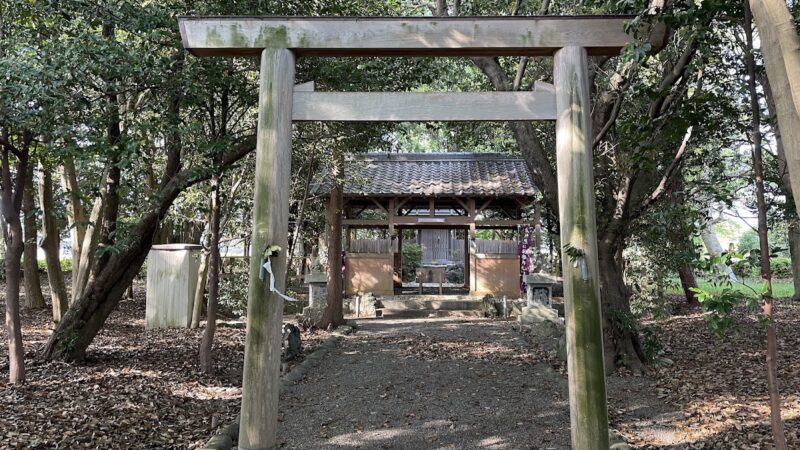
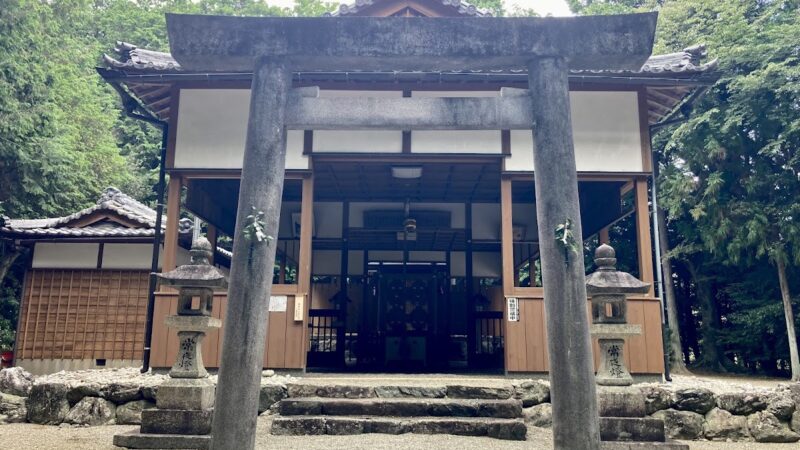
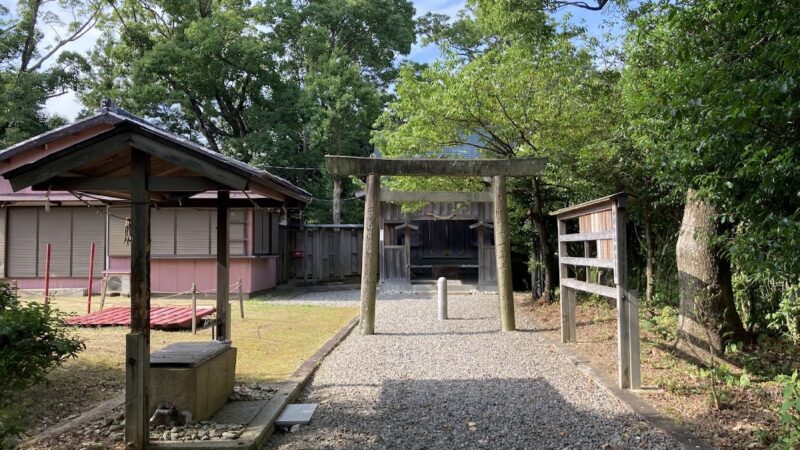
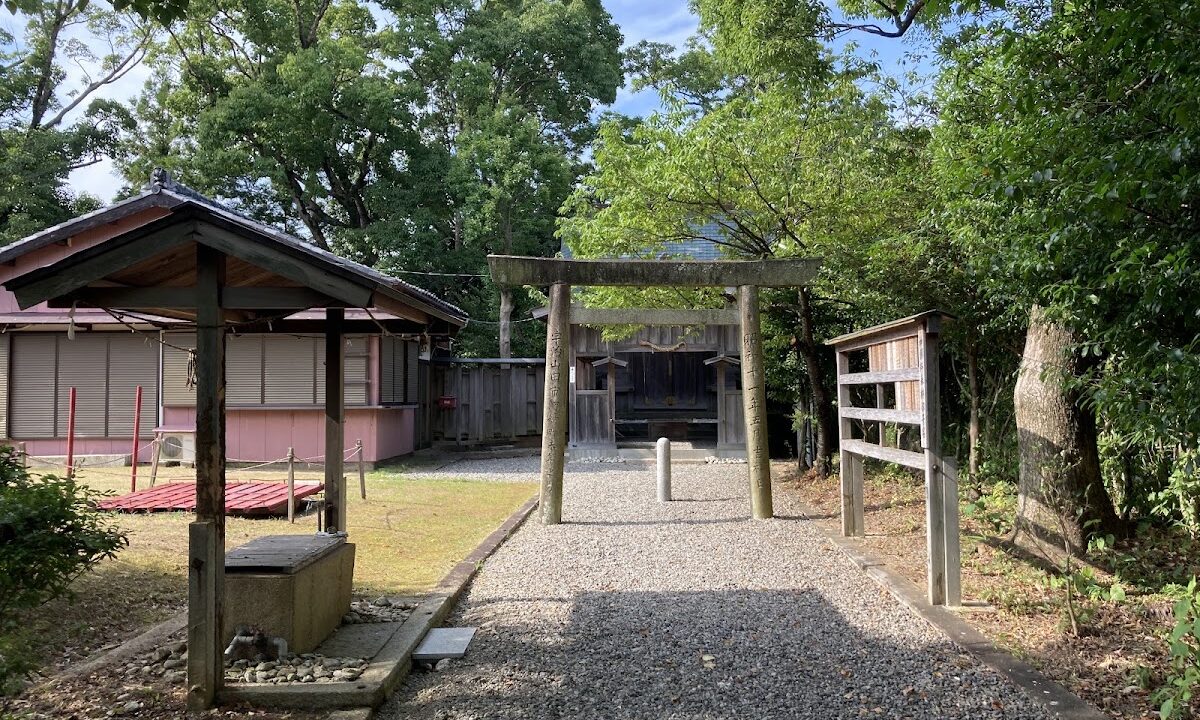
The grounds of Kotohira Shrine and Kami-Ochikaya Shrine, while located in a residential area of Ise City, maintain a tranquil atmosphere. Although the grounds are small, they are meticulously maintained, reflecting the deep faith of the local people.
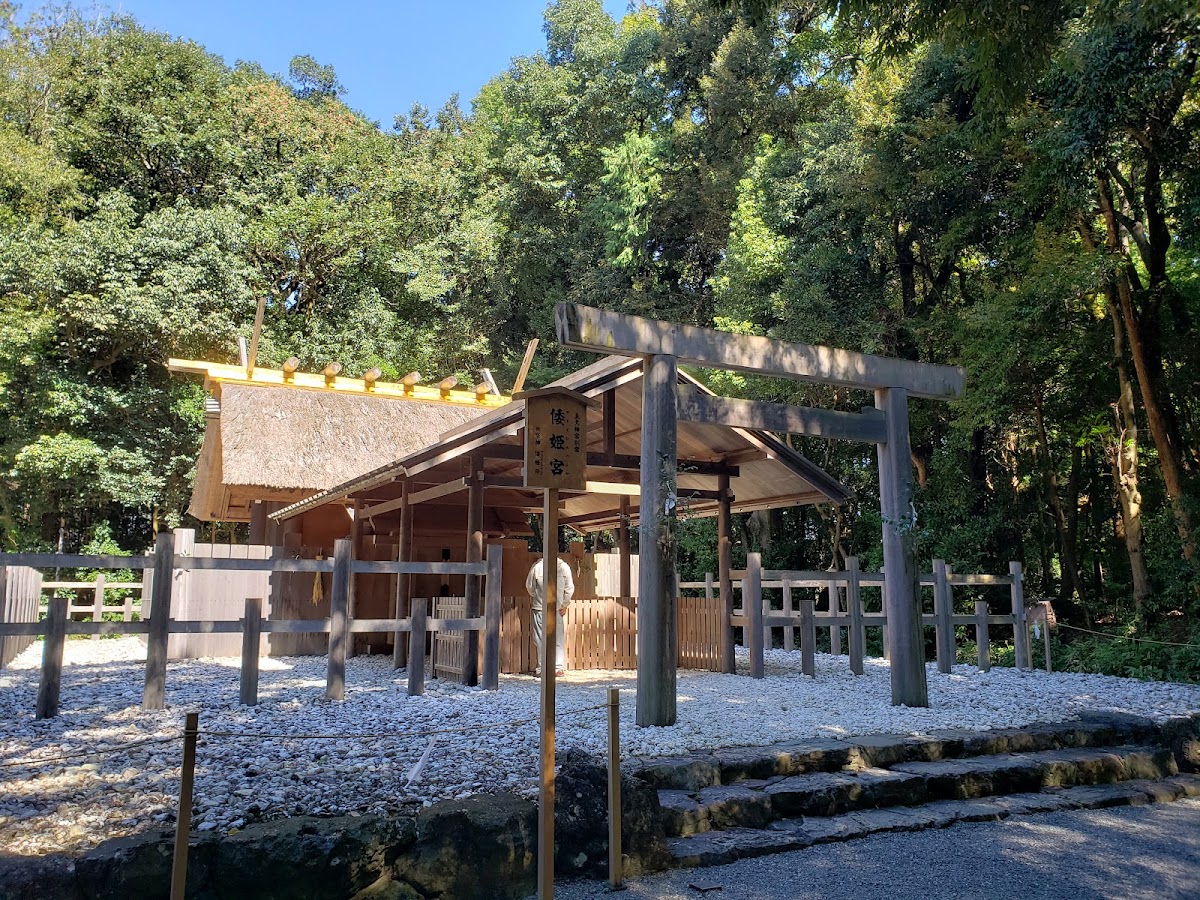
The shrine building follows traditional Shinto architectural styles, possessing a simple yet dignified appearance. Trees are planted within the grounds, allowing visitors to feel a sense of nature despite its urban location.
Stone Monuments and Offerings
Within the shrine grounds remain stone monuments and offerings that tell the story of history. These are valuable historical materials that convey the history of local faith from the Edo period to the modern era.
Of particular note are the stone monuments related to the Kotohira faith, which attest to the deep devotion of shipping operators and merchants.
Etiquette for Visiting Shrines
When visiting Kotohira Shrine and Kami-Ochikaya Shrine, follow the general etiquette for visiting shrines:
- Bow before passing through the torii gate
- Cleanse your hands and mouth at the water basin
- Bow twice, clap twice, and bow once in front of the main hall
- Walk around the shrine grounds and pray quietly
- Bow once again at the torii gate when leaving
Access Information
Basic Information
Address: 18 Yamato-cho, Ise City, Mie Prefecture 516-0032
Phone Number: 0596-24-8907
Access by Train
Walking Route from Nearest Station:
- From Uji-Yamada Station: Approximately 9 minutes on foot (approximately 693m)
- Uji-Yamada Station on the Kintetsu Yamada Line and Toba Line is the nearest station
- Exit the station and head southeast. You will arrive after passing through a residential area.
- From Ise-shi Station: Approximately 15 minutes on foot (approx. 1.2 km)
- Accessible from Ise-shi Station on the JR Sangū Line and Kintetsu Yamada Line
- Although it’s a bit of a distance, you can enjoy walking through the streets of Ise.
- From Isuzugawa Station: Approximately 25 minutes on foot
- Within walking distance from Isuzugawa Station on the Kintetsu Toba Line
Access by Car
Route from Major Roads:
- Approximately 10 minutes from Ise IC on the Ise Expressway
- Approximately 15 minutes from Ise-nishi IC on the Ise Expressway
Parking: Please check in advance regarding the availability of dedicated parking. There are coin-operated parking lots nearby.
Using the Access Map
For first-time visitors, we recommend using a smartphone map app. Searching for “Kotohira Shrine Ise-shi Yamato-cho” will show the exact location. Located in a residential area, referring to a map will help you arrive without getting lost.
Nearby Tourist Attractions
Ise Grand Shrine (Outer Shrine & Inner Shrine)
Ise Grand Shrine, one of Japan’s most representative shrines, is located about 10-15 minutes by car from Kotohira Shrine and Kami-no-Ochigaya Shrine. Visiting both the Outer Shrine (Toyouke Daijingu) and the Inner Shrine (Kotai Jingu) is the traditional way to visit.
Okage Yokocho & Oharai-machi
This traditional streetscape spreads out in front of the Inner Shrine gate, where you can enjoy Ise specialties such as Akabuku mochi, Ise udon noodles, and tekone sushi. There are also plenty of souvenir shops, making it one of the highlights of Ise sightseeing.
Futami Okitama Shrine
This seaside shrine in Futami-cho, Ise City, is famous for its Meoto Iwa (Married Couple Rocks). It has been known since ancient times as a place for “Hama-sangu,” a purification ritual before visiting Ise Grand Shrine.
Around Ise City Station
The area around Ise City Station is home to many restaurants and shops, offering a glimpse into local life and culture. It’s an area where you can experience the everyday life of Ise, distinct from the tourist areas.
Best Season and Events for Visiting
Seasonal Charms
Spring (March-May)
The mild climate makes it an ideal season for visiting the shrine. The fresh greenery is beautiful, and you can enjoy your visit in the refreshing air.
Summer (June-August)
Ise is a relatively warm region, so it can get hot in the summer. Visiting in the early morning or evening is recommended.
Autumn (September-November)
The weather is pleasant, and the trees on the shrine grounds change color during the autumn foliage season. It’s an ideal season to visit in conjunction with Ise sightseeing.
Winter (December-February)
Although Ise is relatively mild, it can get cold in winter. The shrine is bustling with locals during the New Year’s visit period.
Main Festivals and Events
As this is a small local shrine, there are few large-scale festivals, but various festivals are held throughout the year by local people. It is recommended to inquire in advance for detailed festival schedules.
Points to Note and Manners When Visiting
Basic Manners When Visiting
- Attire: Casual attire is acceptable, but please dress neatly and cleanly.
- Photography: Photography is generally permitted on the shrine grounds, but please be considerate of other visitors.
- Quietness: As the shrine is located in a residential area, please refrain from speaking loudly.
- Litter: Please take all your trash with you.
About Goshuin (Shrine Seals)
Regarding the issuance of Goshuin, it is recommended to check in advance, as there may not always be a resident priest. Many visitors to shrines in the Ise region enjoy collecting Goshuin in conjunction with visiting Ise Grand Shrine.
About the Kotohira Faith
Relationship with Kotohira Shrines Nationwide
The Kotohira faith originates from Kotohira-gu Shrine (Konpira-san) in Kotohira-cho, Kagawa Prefecture, and has spread throughout Japan. During the Edo period, “Konpira pilgrimages” became extremely popular among common people, and Kotohira shrines were established in various locations.
The Kotohira Shrine in Ise City is also believed to have been founded and maintained within this nationwide Kotohira faith.
Connections to Maritime Transport and Commerce
The Kotohira faith attracted particularly strong devotion among shipping operators and merchants. Because Ōmononushi-no-Mikoto was revered as the god of maritime safety, sailors prayed for safe voyages and offered thanks upon their safe return.
Ise has long been a key point for maritime transport and a bustling commercial city frequented by pilgrims to Ise Grand Shrine, providing a fertile ground for the Kotohira faith to take root.
Uniqueness of Kamiochigaya Shrine
Regionally Unique Beliefs
Kamiochigaya Shrine is a uniquely local shrine worshipped alongside Kotohira Shrine. The name “Kamiochigaya” is extremely rare and is thought to be based on beliefs and traditions unique to this region.
The Mystery of Kamiochigaya-no-kami
There are few detailed records about Kamiochigaya-no-kami, and many aspects of its origin and character remain unknown. However, it is certain that it has been carefully worshipped by the local people and is thought to have played a role as a guardian deity of the land.
The existence of such uniquely local deities demonstrates the diversity and richness of Japanese folk beliefs.
Characteristics of Shrine Worship in Ise
Relationship with Ise Grand Shrine
Ise City is home to Ise Grand Shrine, the highest-ranking shrine in Japan, but it also has many other local shrines. Local shrines like Kotohira Shrine and Kami-Ochigaya Shrine form a unique religious culture that blends the culture of pilgrimage to Ise Grand Shrine with local beliefs and practices.
Significance of the Worship of Yamato-hime no Mikoto
The enshrinement of Yamato-hime no Mikoto at Kotohira Shrine and Kami-Ochigaya Shrine demonstrates the unique characteristics of the Ise region. Yamato-hime no Mikoto was a key figure in the founding of Ise Grand Shrine and a crucial figure in mythology who enshrined Amaterasu Omikami in the land of Ise.
The presence of this enshrined deity indicates that this shrine is not merely a shrine of Kotohira worship, but also a center of local faith within the sacred site of Ise.
Voices and Experiences of Visitors
As a Place of Quiet Prayer
Visitors to Kotohira Shrine and Kami-Ochigaya Shrine often describe it as “a quiet place of prayer away from the hustle and bustle of Ise Grand Shrine” and “a warm atmosphere rooted in the local community.” Many people seem to be drawn to the charm of this unspoiled shrine, which hasn’t been commercialized for tourism.
Interaction with Local People
Since this shrine is visited regularly by local people, if you’re lucky, you might have the opportunity to interact with them. You might even be able to hear directly about the history and culture of Ise.
Pilgrimage Plan Combined with Ise Shrine Visit
One-Day Model Course
Morning:
- 9:00 Arrive at Ise City Station
- 9:30 Visit the Outer Shrine (Toyouke Daijingu)
- 11:00 Visit Kotohira Shrine and Kami-Ochigaya Shrine
Afternoon:
- 12:00 Lunch in Ise City
- 13:30 Visit the Inner Shrine (Kotai Jingu)
- 15:00 Stroll through Okage Yokocho
- 16:30 Departure
Half-Day Course
If time is limited, a compact plan combining a visit to the Outer or Inner Shrine with a visit to Kotohira Shrine and Kami-Ochigaya Shrine is also recommended.
Historical Research and Future Challenges
Limitations of Historical Materials
Regarding Kotohira Shrine and Kami-Ochigaya Shrine, detailed historical records are currently limited. The abandonment of Jōmyōji Temple may have resulted in the loss of many historical documents. It is hoped that more detailed history will be revealed in the future through local historical documents and oral traditions.
Importance of Preservation and Inheritance
Small local shrines are particularly vulnerable to the effects of depopulation and the aging population. Maintaining local communities and attracting external attention and support are crucial for passing on historical shrines like Kotohira Shrine and Kami-Ochikaya Shrine to future generations.
Summary
Kotohira Shrine and Kami-Ochikaya Shrine are shrines located in Yamato-cho, Ise City, Mie Prefecture, with a history dating back to the Kamakura period. Founded as the guardian shrine of Jōmyōji Temple, they have continued to attract local faith even after the separation of Shinto and Buddhism.
They enshrine five deities: Ōmononushi-no-Mikoto, Ukanomitama-no-Kami, Miwa-no-Ōkami, Yamato-hime-no-Mikoto, and Kami-Ochikaya-no-Kami, and are believed to bestow divine blessings such as maritime safety, business prosperity, and abundant harvests. The fact that Yamato-hime no Mikoto is enshrined here holds special significance in the Ise region.
It’s easily accessible, about a 9-minute walk from Ujiyamada Station and about a 15-minute walk from Ise-shi Station, making it a convenient visit in conjunction with a visit to Ise Grand Shrine. The quiet grounds, untouched by tourism, provide a suitable space for quiet prayer.
When visiting Ise, why not visit not only Ise Grand Shrine but also these locally rooted shrines? There, you’ll be able to feel the depth of Ise’s history and faith, aspects not found in typical tourist guides.
Kotohira Shrine and Kami-ochikaya Shrine, though small in scale, possess a multi-layered charm, with a history dating back to the Kamakura period, diverse enshrined deities, and unique local beliefs. They are valuable for understanding a part of the local faith in the sacred land of Ise.