Complete Guide to Ise Grand Shrine’s Inner Shrine (Kotai Jingu)
Ise Grand Shrine’s Inner Shrine (Naiku), officially known as “Kotai Jingu,” is Japan’s highest-ranking sacred site, dedicated to Amaterasu Omikami, the ancestral deity of all Japanese people. With a history spanning approximately 2000 years, it is one of Japan’s most prominent shrines, attracting around 8 million visitors annually.
What is Ise Grand Shrine’s Inner Shrine?
History and Origin
The Inner Shrine was founded approximately 2000 years ago, during the reign of Emperor Suinin (the 11th emperor), to enshrine the Yata no Kagami (the sacred mirror), the divine representation of Amaterasu Omikami. It is said that Yamato-hime no Mikoto, after traveling to various locations, established the shrine on the banks of the Isuzu River.
The Tradition of Shikinen Sengu
At the Inner Shrine (Naiku), the “Shikinen Sengu,” a ceremony of rebuilding the shrine buildings every 20 years, has been continued for over 1300 years. The most recent was the 62nd Shikinen Sengu in 2013 (Heisei 25), and the next one is scheduled for 2033. This tradition ensures the reliable transmission of architectural techniques and rituals.
Points to Note When Visiting
Correct Worship Route
There is a recommended route for visiting the Inner Shrine:
- Uji Bridge – A wooden bridge 101.8m long that separates the secular world from the sacred world. Please keep to the right.
- First Torii Gate – The entrance to the sacred area beyond the Uji Bridge.
- Water Basin or Isuzu River Purification Area – A place to purify oneself.
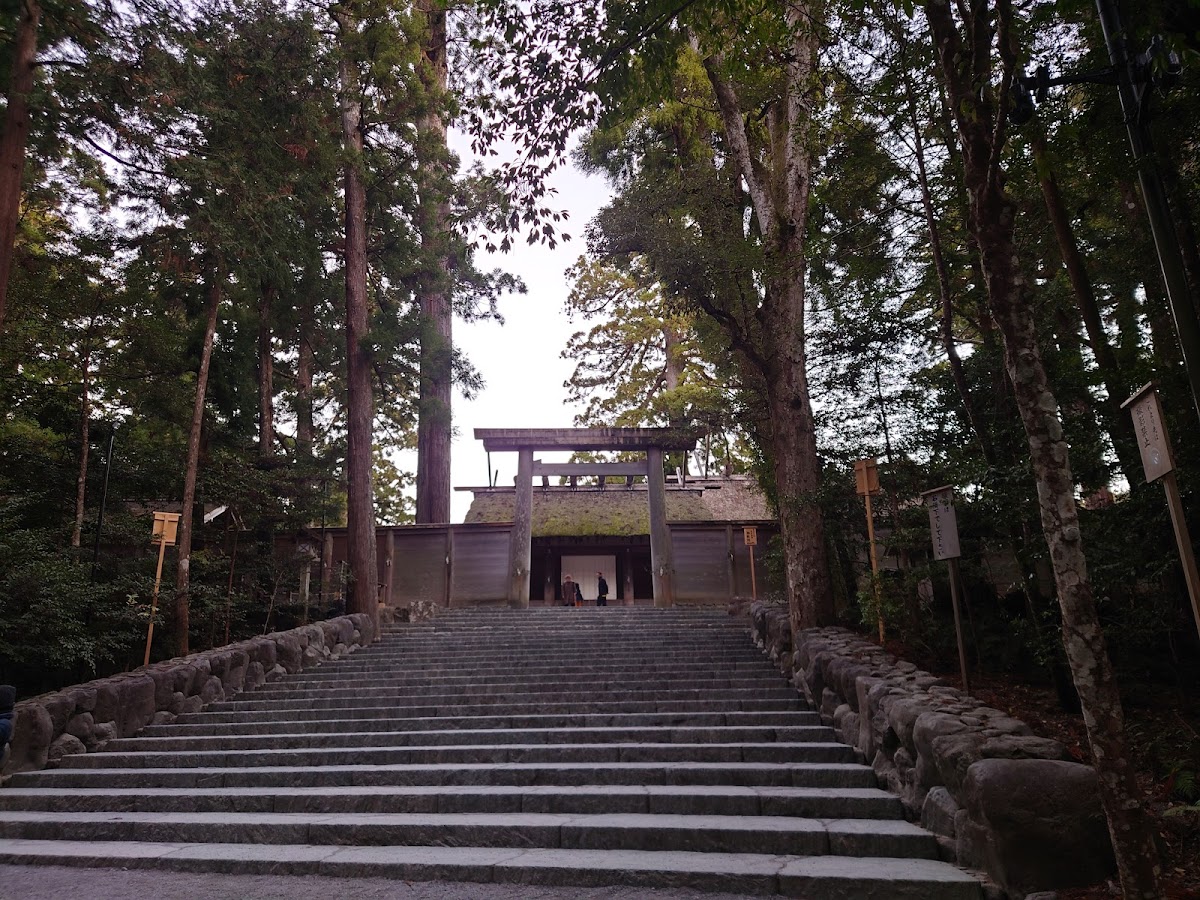
- Second Torii Gate – The main entrance to the Inner Shrine’s sacred area.
- Goshogu – The main sanctuary dedicated to Amaterasu Omikami (photography prohibited).
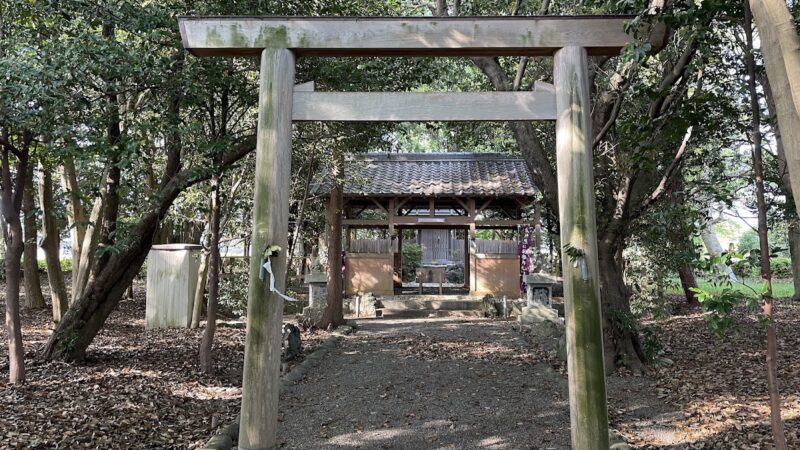
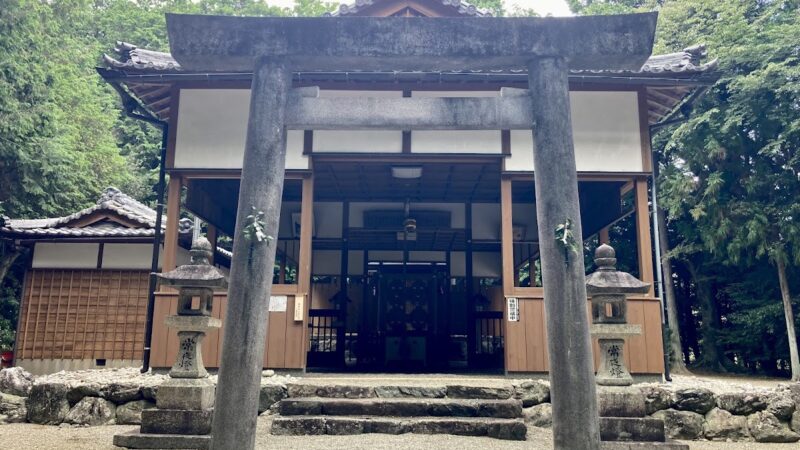
- Aramatsuri-no-miya – The first auxiliary shrine of the Inner Shrine.
Water Basin Ritual at the Isuzu River
A unique feature of the Inner Shrine is that you can purify your hands directly in the Isuzu River:
- There are stone steps leading down to the riverbank, where you can wash your hands in the clear stream.
- This is a valuable place to experience the ancient tradition of purification.
- You can purify yourself at either the water basin or the Isuzu River.
- The water of the Isuzu River is called “Mitarashi” (purification area) and is considered sacred.
Precautions when visiting
- Do not make personal wishes at the main shrine. – It is considered a place to express gratitude for everyday blessings.
- Photography is permitted up to the second torii gate. – Photography is prohibited beyond that point.
- Formal attire is desirable. – It is especially mandatory for formal visits.
- Visiting hours. – Visiting early in the morning (around 5:00-6:00 AM) is considered particularly sacred.
Visiting the auxiliary shrines
The Inner Shrine has 10 auxiliary shrines, but the most important are:
Aramatsuri-no-miya
- Dedicates the fierce spirit (aramitama) of Amaterasu Omikami.
- The first auxiliary shrine of the Inner Shrine; it is considered appropriate to make personal wishes here.
- Located approximately 5 minutes on foot from the main shrine.
Kazahinomi-no-miya
- A place to enshrine the god of wind and pray for a bountiful harvest
- Located beyond the Kazahinomiya Bridge
Benefits and Divine Virtues
Main Benefits
Benefits believed to be bestowed at the Inner Shrine:
- National peace and prosperity of the Imperial family – The original purpose of the ritual
- Good fortune and prosperity – Improvement of all kinds of luck
- Family safety – Peace and health of the family
- Fulfillment of wishes – Especially prayers at the Aramatsuri Shrine
- Protection from evil and disaster – Protection from Amaterasu Omikami
Characteristics of Divine Virtues
Amaterasu Omikami is the sun goddess, the source of life, and the being that illuminates all things:
- The energy of all beginnings and regeneration
- Guidance that dispels doubts and illuminates the path to take
- Role as a spiritual anchor for the Japanese people
Access Method
Access by Train
Using Kintetsu and JR
- Get off at Kintetsu “Ujiyamada Station” or “Ise-shi Station”
- Get off at JR “Ise-shi Station”
- From either station, take a bus for approximately 10-20 minutes and get off at “Naiku-mae” bus stop.
From Nagoya
- Approximately 1 hour 30 minutes by limited express train from Kintetsu Nagoya Station
- Approximately 1 hour 40 minutes by JR Rapid Mie train
From Osaka
- Approximately 2 hours by limited express train from Kintetsu Osaka Namba Station
Access by Bus
- Mie Kotsu Bus – From Ise-shi Station or Ujiyamada Station to “Naiku-mae” (approximately 20 minutes, 430 yen one way)
- CAN Bus – Circular bus connecting Geku and Naiku (approximately every 15 minutes)
Access by Car
- Approximately 5 minutes from Ise IC on the Ise Expressway
- Approximately 10 minutes from Ise Nishi IC
- Parking – Free parking is available near the Inner Shrine (approximately 1,500 spaces; paid during peak seasons).
Access from the Outer Shrine
Ise Grand Shrine follows the custom of “Outer Shrine First,” meaning you visit the Outer Shrine first, then the Inner Shrine:
- Approximately 4km from the Outer Shrine to the Inner Shrine
- Approximately 15 minutes by bus, approximately 10 minutes by taxi
- Approximately 50 minutes on foot
Useful Information for Your Visit
Estimated Time Required for Visiting
- Inner Shrine Only – Approximately 1 hour
- Including Sub-Shrines – Approximately 1 hour 30 minutes to 2 hours
- Both Outer and Inner Shrines – Approximately 3 hours to half a day
Recommended Time to Visit
- Early Morning Visit – 5:00-7:00 AM is the most sacred and least crowded time
- Weekdays – Weekends and holidays are extremely crowded
- Times to Avoid – New Year’s Day (first three days), Golden Week, and weekends during the autumn foliage season
Visiting Hours (Gate Opening Hours)
- January-April, September: 5:00 AM – 6:00 PM
- May-August: 5:00 AM – 7:00 PM
- October-December: 5:00 AM – 5:00 PM
- Open all year round
Oharai-machi & Okage-yokocho
Recommended for a stroll after visiting the Inner Shrine, located in the temple town:
- Oharai-machi – A cobblestone street approximately 800m long, extending from Uji Bridge
- Okage-yokocho – A collection of souvenir shops, including the main store of Akabuku, a famous Ise specialty
- Ise Udon – A local specialty dish with thick noodles topped with a sweet and spicy sauce
- Tekone Sushi – A local dish of Ise-Shima
Summary
Ise Grand Shrine’s Inner Shrine is a special sacred place that can be called the spiritual home of the Japanese people. By visiting with gratitude to Amaterasu Omikami and following the correct worship etiquette, you will gain a refreshing feeling and renewed energy. Visiting both the Inner Shrine and the Outer Shrine, and enjoying the food and drink in Oharai-machi, will make for a fulfilling pilgrimage to Ise. It is Japan’s most prestigious shrine, a place everyone should visit at least once in their lifetime.