Complete Guide to Shiogama Shrine | A Thorough Explanation of the History, Benefits, and Visiting Methods of Shiogama Shrines Nationwide
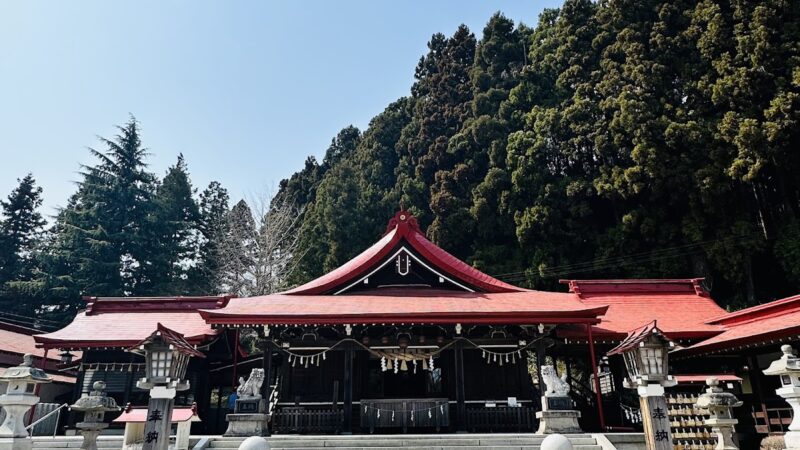
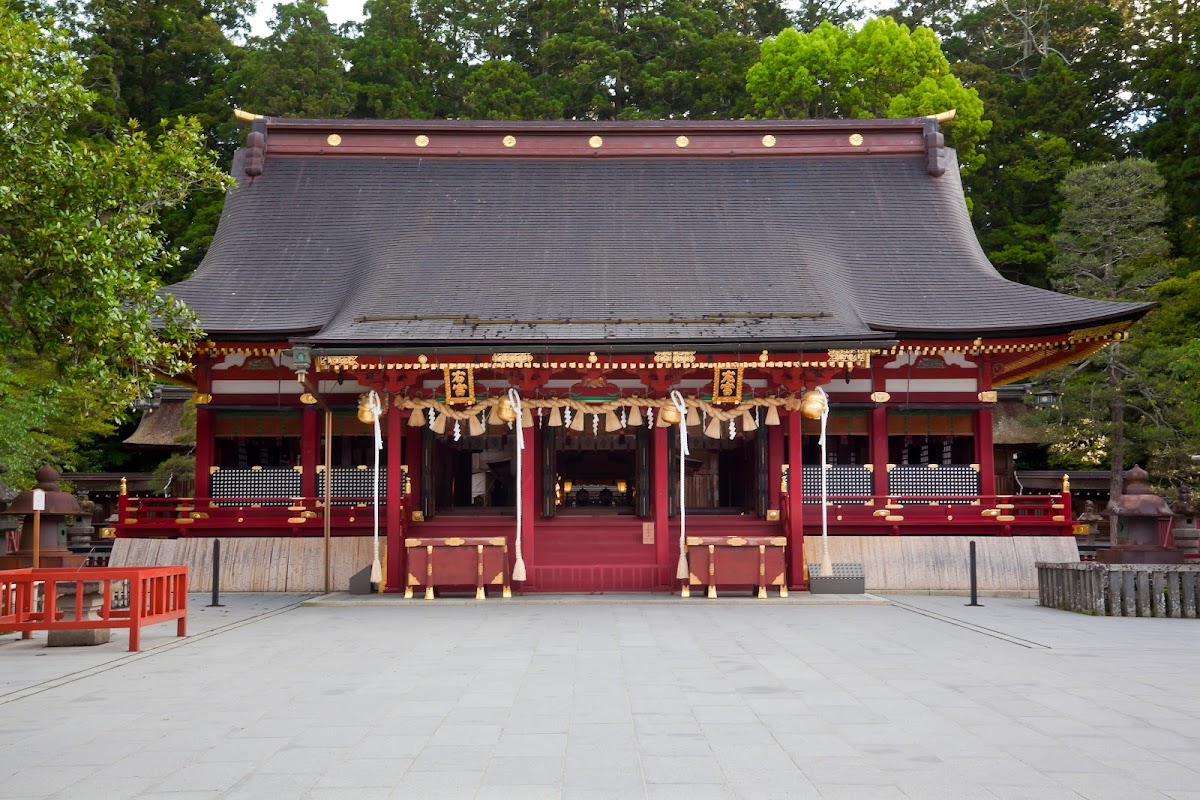
Shiogama Shrine (also known as Shiogama Shrine or Shiogama Shrine) is a venerable shrine with locations throughout Japan. In particular, the Shiogama Shrine in Shiogama City, Miyagi Prefecture, is the Ichinomiya (first-ranked shrine) of Mutsu Province and enjoys deep devotion, mainly in the Tohoku region. It is known for its diverse blessings, including safe childbirth, maritime safety, and protection from evil. This article comprehensively explains everything you need to know before visiting, from the history of Shiogama Shrine to visiting methods, various prayers, goshuin (shrine stamps), and annual events.
What is Shiogama Shrine? | The Center of Faith Spreading Nationwide
Regarding the Spelling of Shiogama Shrine
Shiogama Shrine has several spellings, including “塩釜神社,” “塩竈神社,” and “鹽竈神社.” This is due to historical circumstances and regional differences. “鹽” is the old form of “塩” (salt), and “竈” is the formal kanji representation of “釜” (kettle). While the main shrine in Miyagi Prefecture uses “鹽竈神社” as its official name, branch shrines throughout the country commonly use “塩釜神社” or “塩竈神社”.
Shiogama Shrines Across Japan
Shiogama Shrines are centered around their main shrine in Shiogama City, Miyagi Prefecture, with branch shrines located throughout Japan. The main Shiogama Shrines include the following:
- Shiwahiko Shrine/Shiogama Shrine (Shiogama City, Miyagi Prefecture): Ichinomiya (first-ranked shrine) of Mutsu Province, head shrine
- Shiogama Shrine (Tenpaku Ward, Nagoya City, Aichi Prefecture): Worshipped as a guardian deity for safe childbirth and protection against insects
- Shiogama Shrine (Yaita City, Tochigi Prefecture): Revered as the god of salt production, safe childbirth, and livestock farming
- Shiogama Shrine (Kanagawa Prefecture): A daughter who served the Sendai lord during the late Tokugawa period invited a divided spirit to the shrine.
All of these shrines received divided spirits from the head shrine in Miyagi Prefecture and are centers of worship in their respective regions.
History and Origins of Shiogama Shrine
Origin of Founding
Although detailed records of the founding of Shiogama Shrine do not remain, it has been revered since ancient times as a guardian deity of the Tohoku region. According to legend, when Takemikazuchi-no-Mikoto and Futsunushi-no-Mikoto pioneered Mutsu Province, Shiotsuchi-no-Oji-no-Mikoto, who served as their guide, bestowed upon them salt-making techniques in this area. The residents, in gratitude, began to worship him.
Shiotsuchi-no-Oji-no-Mikoto is worshipped as the god of sea routes and the god who controls tides. He is revered not only for salt-making techniques but also as the guardian deity of fishing and navigation. Because childbirth is related to the ebb and flow of the tides, he also became deeply revered as the guardian deity of safe childbirth.
History as the Ichinomiya (First Shrine) of Mutsu Province
Shiogama Shrine in Shiogama City, Miyagi Prefecture, has received special reverence from the imperial court and samurai families as the Ichinomiya of Mutsu Province since the Heian period. Successive rulers of the Tohoku region, including the Oshu Fujiwara clan and the Date clan, contributed to the development of the shrine by constructing and repairing its buildings. Date Masamune, in particular, deeply revered Shiogama Shrine, donating land and improving its buildings.
During the Meiji era, it was designated a National Shrine of the second rank, and after World War II, it has remained a religious corporation to this day. With the relocation of Shiwa-hiko Shrine to the grounds during the Meiji era, its official name became “Shiwa-hiko Shrine/Shiogama Shrine,” and it operates as a single corporation.
History of Branch Shrines in Various Regions
Shiogama Shrines throughout Japan were mainly established during the Edo and Meiji periods. The Shiogama Shrine in Nagoya City received a divided spirit from the main shrine in Miyagi Prefecture and is revered locally as a guardian deity for safe childbirth and protection against insects. Shiogama Shrine in Yaita City, Tochigi Prefecture, is dedicated to the legend that Shiotsuchi-no-Okina-no-Mikoto traveled to Chigaura in Oshu and bestowed upon the gods the method of salt production from seawater.
Deities and Blessings
Main Deities
The main deities of Shiogama Shrine are the following three:
Shiotsuchi-oji-no-kami
- Main deity enshrined in the separate shrine
- God of salt production, god of sea routes, god who controls tides
- Blessings of safe childbirth, longevity, and safety at sea
Takemikazuchi-no-mikoto
- Enshrined in the left shrine
- God of war, god of pacifying the land
- Blessings of victory, protection from evil, and national peace
Futsunushi-no-mikoto
- Enshrined in the right shrine
- God of war, god of land development
- Blessings of victory, good fortune, and business prosperity
Main Benefits
Shiogama Shrine is known for its diverse blessings:
Prayer for Safe Childbirth
As Shiotsuchi-no-Okina-no-Kami is the god who controls the tides, he is worshipped as a guardian deity of childbirth, which is closely related to the ebb and flow of the tides. Many worshippers utilize the safe childbirth prayer service.
Maritime Safety and Navigational Safety
As a god of sea routes, he is deeply revered by those involved in fishing and shipping, and many worshippers visit to pray for maritime safety and a bountiful catch.
Protection from Misfortune and Protection from Inauspicious Directions
As the shrine enshrines Takemikazuchi-no-Mikoto and Futsunushi-no-Mikoto, powerful warrior gods, it is believed to offer protection from misfortune and protection from inauspicious directions.
Longevity and Longevity
Shiotsuchi-no-Okina-no-Kami is also known as a god of longevity, and worshippers visit to pray for good health and long life.
Prayers for Family Safety and Business Prosperity
As the local guardian deity, prayers for family safety, business prosperity, and business success are common.
How to Worship and Manners
Basic Worship Procedure
Here’s a basic guide to visiting Shiogama Shrine:
- Bow Before Passing Through the Torii Gate
The torii gate is the entrance to the sacred area. Bow before entering the grounds.
- Purify Your Body and Mind at the Water Basin
- Hold the ladle in your right hand and purify your left hand.
- Switch the ladle to your left hand and purify your right hand.
- Switch the ladle back to your right hand, receive water in your left hand, and rinse your mouth.
- Finally, stand the ladle upright and purify the handle.
- Avoid Walking in the Center of the Path
The center of the path is considered the path of the gods. Try to walk along the edges.
- Worship at the Main Hall
- Quietly place your offering.
- Ring the bell if there is one.
- Two bows, two claps, one bow (two bows, two claps, one bow)
- Bow at the Torii Gate on Your Departure
When leaving the shrine grounds, turn back and bow at the torii gate.
Points for Worship at the Miyagi Prefecture Head Shrine
At the head shrine in Shiogama City, Miyagi Prefecture, the formal way to worship is to visit the three shrines: the Betsugu, the Left Shrine, and the Right Shrine. First, worship Shiotsuchi-no-Okina-no-Kami at the Betsugu, then Takemikazuchi-no-Mikoto at the Left Shrine, and Futsunushi-no-Mikoto at the Right Shrine. It is also recommended to visit the Shiwa-hiko Shrine, which has been relocated to the shrine grounds.
There are two approaches to the shrine grounds: the Omotesando (front approach) and the Higashi-sando (east approach). The Omotesando has 202 steep stone steps. Those who are not confident in their physical strength are advised to access the shrine via the Higashi-sando.
Visiting Hours and Reception Hours
At most Shiogama Shrines, worship is possible from sunrise to sunset, but the reception hours for prayers and amulets are limited. Generally, they are from 9:00 AM to 3:00 PM or 4:00 PM. It is recommended to check the latest information on each shrine’s official website before visiting.
Various Prayers and Blessings
At Shiogama Shrine, you can receive various prayers tailored to life’s milestones and wishes.
Prayer for Safe Childbirth
Shiogama Shrine, known as the guardian deity of safe childbirth, actively performs prayers for safe childbirth. While it is customary to visit on the Day of the Dog in the fifth month of pregnancy, it is acceptable to visit on a different day depending on your physical condition and circumstances. Since procedures such as bringing or receiving a maternity belt vary by shrine, it is best to check in advance.
First Shrine Visit Prayer (Omiyamairi)
Omiyamairi is a ceremony to give thanks for the safe birth of a baby and to pray for their healthy growth. The general guideline for boys is the 31st day after birth, and for girls, the 33rd day. However, it’s important to consider the baby’s and mother’s health, as well as the season, when deciding on the date.
Shichi-Go-San Prayer Ceremony
Shichi-Go-San is a ceremony to celebrate a child’s growth and pray for their future health and happiness. It is held around November 15th for children aged 3 (boys and girls), 5 (boys), and 7 (girls). It’s recommended to check the birth year that applies this year beforehand and visit on a day when crowds are expected.
###厄除けご祈願 (Exorcism Prayer)
This is a prayer for protection against misfortune and for a safe year for those in their unlucky years. Unlucky years are calculated using the traditional Japanese age system: 25, 42, and 61 for men, and 19, 33, and 37 for women. Many people receive prayers for all three years, including the year before and after their unlucky years. A chart of birth years corresponding to unlucky years is posted at each shrine, so please check it.
###厄除けご祈願 (Exorcism Prayer) ### Child Protection Ceremony (Insect Exorcism)
The Child Protection Ceremony, particularly well-known at Shiogama Shrine in Nagoya City, is a prayer service for the improvement of infants’ night crying, colic, and weak constitutions. It is deeply revered as a guardian deity for warding off insects, attracting many worshippers from far and wide.
Other Prayers
- Prayer for Family Safety: Prayers for the health and peace of the family
- Car Purification: Prayers for new car purchases and traffic safety
- Business Prosperity: Prayers for the development and prosperity of the business
- Academic Success: Prayers for passing exams and improving academic performance
- Recovery from Illness: Prayers for recovery from illness
- Prayer for Good Relationships: Prayers for being blessed with a good relationship
If you wish to have a prayer service, reservations may be required, so it is recommended to inquire with the shrine in advance.
Goshuin (Shrine Seals) and Souvenirs
About Goshuin
At Shiogama Shrine, you can receive a goshuin as proof of your visit. At the main shrine in Miyagi Prefecture, you can receive two goshuin: one for Shiwa-hiko Shrine and one for Shiogama Shrine. You can apply for a goshuin at the reception area after your visit and pay a donation (generally 300-500 yen).
If you do not have a goshuincho (seal book), you can receive a pre-printed goshuin or purchase one on the spot. Shiogama Shrine’s original goshuincho features designs related to the shrine’s history and enshrined deities, making them popular souvenirs.
Amulets and Offerings
Shiogama Shrine offers amulets for various blessings:
- Safe Childbirth Amulet: An amulet for praying for a safe delivery
- Child-Rearing Amulet: An amulet for wishing for the healthy growth of children
- Exorcism Amulet: An amulet for warding off evil
- Traffic Safety Amulet: An amulet for traffic safety
- Health Amulet: An amulet for health and longevity
- Good Fortune Amulet: An amulet for improving one’s luck
Other items such as demon-repelling arrows, rakes, and votive tablets are also offered. Some items are limited to certain seasons, so please check when you visit.
Annual Events and Festivals
Shiogama Shrine holds various festivals and events throughout the four seasons.
Main Annual Events
January
- New Year’s Day Festival (January 1st): A festival to celebrate the New Year
- Pine Burning Festival: Burning of New Year’s decorations
February
- Setsubun Festival: Driving away evil spirits with bean-throwing
- Prayer Festival: Praying for a bountiful harvest
March-April
- Spring Grand Festival: The grand spring festival
- Shiogama Cherry Blossom Blooming: At the main shrine in Miyagi Prefecture, the Shiogama cherry blossoms, a national natural monument, reach their peak bloom
July
- Hote Festival (Miyagi Prefecture Main Shrine): The grand summer festival featuring a procession on the sea. A magnificent festival where the portable shrine is carried on a ceremonial boat around Matsushima Bay.
September
- Autumn Grand Festival: The grand autumn festival
November
- Shichi-Go-San Festival: Expect crowds on weekends and holidays in November
- Niiname-sai Festival: A festival of gratitude for the harvest
December
- Oharai Ceremony: A purification ceremony to cleanse away the sins and impurities accumulated over the past six months
Details and schedules of annual events can be found on each shrine’s official website or in their newsletter. Especially during the Hote Festival and the Shiogama Cherry Blossom season, the shrines are bustling with tourists, so those planning a visit should check the information early.
Access and Parking Information
Access to Shiogama City, Miyagi Prefecture (Main Shrine)
Location
1-1 Ichimoriyama, Shiogama City, Miyagi Prefecture 985-8510
Access by Train
- Approximately 15 minutes on foot from JR Senseki Line “Hon-Shiogama Station” to the main approach
- Approximately 15 minutes on foot from JR Tohoku Main Line “Shiogama Station” to the east approach
Access by Car
- Approximately 10 minutes from Sanriku Expressway “Rifuchu IC”
- Approximately 30 minutes from central Sendai
Parking
There are four free parking lots for visitors (No. 1, No. 2, No. 3, and Bus) located on the east and north sides of the shrine grounds, with a total capacity of approximately 300 vehicles.
Access to Tenpaku Ward, Nagoya City
Location
1328 Miyukiyama, Tenpaku Ward, Nagoya City, Aichi Prefecture
Access by Train
- Approximately 10 minutes on foot from Shiogamaguchi Station on the Tsurumai Subway Line
Parking
Parking available for visitors (prior confirmation of the number of spaces is recommended)
Other Shiogama Shrines
For access to Shiogama Shrines in various locations, it is recommended to check their respective official websites or tourist guides.
Highlights of the Shrine Grounds
Highlights of the Miyagi Prefecture Head Shrine
The Stone Steps of the Main Approach (Omotesando)
The 202 steep stone steps are a sacred path leading visitors to the sacred area. A magnificent shrine awaits at the top.
Shrine Buildings Designated as National Important Cultural Properties
The main halls of the Betsugu, Samiya, and Umiya are valuable cultural properties that preserve the architectural style of the Edo period.
Shiogama Cherry Blossoms
Designated as a national natural monument, the Shiogama cherry blossoms are a type of double-flowered cherry tree that blooms beautifully from late April to early May every year. Known for its magnificent blossoms with 35 to 50 petals per flower, they receive extensive media attention during their blooming season.
Shiogama Shrine Museum
The shrine grounds house a museum displaying the history, treasures, and rituals of the shrine. Seasonal exhibitions are also held, allowing visitors to gain a deeper understanding of Shiogama Shrine’s culture.
Gardens
Beautiful gardens are maintained within the shrine grounds, allowing visitors to enjoy the changing seasons. The autumn foliage season, in particular, is a popular spot for viewing the spectacular scenery.
Characteristics of Shiogama Shrines in Various Locations
The Shiogama Shrine in Nagoya City is known as a guardian deity for safe childbirth and protection against insects, and is beloved by local residents. Shiogama Shrine in Yaita City, Tochigi Prefecture, is revered as the god of salt production, safe childbirth, and livestock farming, and is deeply connected to the local industries.
Points to Note and Crowding Information for Visitors
Days When Crowds Are Expected
Shiogama Shrine is particularly crowded during the following times:
- First three days of the New Year: Most crowded with New Year’s visits
- Days of the Dog: Crowded with prayers for safe childbirth (especially on Saturdays, Sundays, and public holidays)
- Saturdays, Sundays, and public holidays in November: Crowded with Shichi-Go-San (7-5-3) visits
- Day of the Hote Festival (Miyagi Prefecture Head Shrine): Bustling with many tourists
- Shiogama Cherry Blossom Blooming Season (Miyagi Prefecture Head Shrine): Crowded with cherry blossom viewers
If you wish to avoid crowds, visiting on weekday mornings or early afternoons is recommended.
Attire and Items to Bring
If you are receiving a prayer, it is advisable to wear attire that is not too casual. Especially for first shrine visits (Hatsumiyamairi) and Shichi-Go-San (7-5-3) ceremonies, many people visit in formal or semi-formal attire.
The main approach to the Miyagi Prefecture main shrine has 202 steep stone steps, so comfortable shoes are recommended. Also, don’t forget to take appropriate precautions against the cold or heat depending on the season.
Regarding Photography
Photography is generally permitted within the shrine grounds, but photography inside the main hall or during prayers may be prohibited. Please observe proper photography etiquette and be considerate of other visitors.
Summary | Fulfilling Your Wishes at Shiogama Shrine
Shiogama Shrine is a venerable shrine with a history of over a thousand years as a guardian deity of Tohoku, attracting worshippers from all over Japan. It offers a variety of blessings, including prayers for safe childbirth, maritime safety, and protection from evil, and you can receive prayers tailored to life’s milestones and wishes.
The main shrine in Shiogama City, Miyagi Prefecture, is the Ichinomiya (first-ranked shrine) of Mutsu Province, boasting magnificent shrine buildings, beautiful natural surroundings, and valuable cultural assets, making it a popular power spot. Branch shrines in various locations, including Nagoya City and Tochigi Prefecture, are also cherished as local guardian deities.
When visiting, please observe basic worship etiquette and offer your prayers with sincerity. Shiogama Shrine offers many attractions, including goshuin (shrine stamps), amulets, and annual events. Please use the information in this article to plan your visit to Shiogama Shrine.
We recommend checking the official websites of each shrine for the latest worship information and event schedules. We pray that your wishes will be granted and your heartfelt desires will be fulfilled.