What is a Great Torii? A Thorough Explanation of the Meaning of Giant Torii Gates, the Face of Shrines, and Famous Examples Across Japan
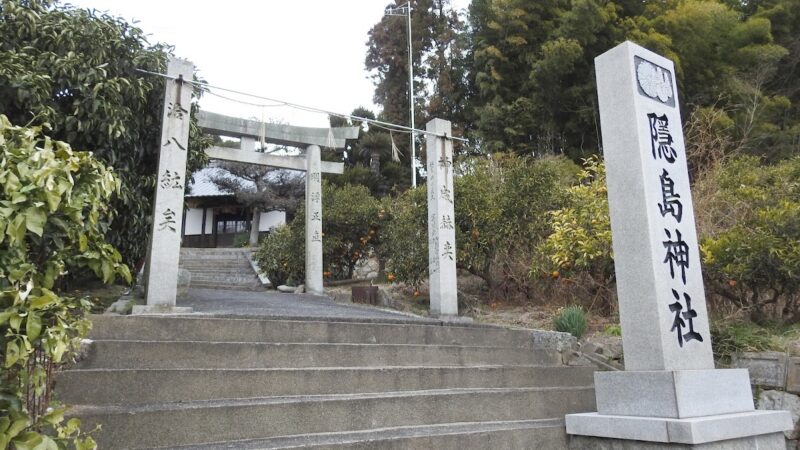
A great torii (大鳥居) is a particularly large torii gate standing at the entrance or approach to a shrine. It is an important structure that marks the entrance to the sacred area. Larger in scale than a typical torii, it welcomes many worshippers as a symbol of the shrine.
Meaning and Role of Great Torii
A Barrier Marking the Entrance to the Sacred Area
A great torii serves as a barrier separating the secular world from the sacred area. Passing through the torii signifies a transition from the everyday world to a sacred space, and is believed to have the effect of purifying the worshipper’s heart.
A Symbol Representing the Shrine’s Status
The size and material of the great torii tell the story of the shrine’s status and history. Especially the great torii built as the first torii gate, it indicates the location of the shrine from afar and serves as a landmark guiding worshippers.
Famous Torii Gates Across Japan
Itsukushima Shrine’s Great Torii Gate (Hiroshima Prefecture)
This vermilion-painted torii gate, standing on the sea, is a symbol of Itsukushima Shrine, known as one of Japan’s three most scenic spots.
- Height: Approximately 16.6 meters
- Circumference of Main Pillars: Approximately 9.9 meters
- Weight: Approximately 60 tons
- Year of Construction: The current torii gate was built in Meiji 8 (1875)
- Features: At high tide, it appears to float on the sea, and at low tide, it can be approached on foot.
Heian Shrine’s Great Torii Gate (Kyoto Prefecture)
This massive vermilion-painted torii gate is a well-known landmark of Kyoto.
- Height: 24.4 meters
- Width: 18 meters
- Year of Construction: Showa 4 (1929)
- Features: Standing at the entrance to Jingu-michi, it is a particularly prominent structure in Kyoto City.
Meiji Jingu Shrine’s Great Torii Gate (Tokyo)
Known as one of the largest wooden torii gates in Japan.
- Height: 12 meters
- Column Diameter: 1.2 meters
- Material: Taiwanese cypress (over 1500 years old)
- Year of Construction: Rebuilt in Showa 50 (1975)
- Features: Standing at the entrance to the approach road leading from Harajuku Station, it marks the entrance to a sacred area in the middle of the city.
Kumano Hongu Taisha Shrine’s Great Torii Gate (Wakayama Prefecture)
A torii gate known as part of the World Heritage Site “Sacred Sites and Pilgrimage Routes in the Kii Mountain Range”.
- Height: 33.9 meters
- Width: 42 meters
- Year of Construction: Heisei 12 (2000)
- Features: The tallest steel torii gate in Japan, standing in the former shrine grounds of Osaibara.
Points to Note When Visiting the Torii Gate
How to Pass Through the Torii Gate
- Bow Before Passing Through: Stop briefly in front of the torii gate, bow slightly, and then enter the shrine grounds.
- Avoid the Center: The center of the torii gate is considered the path for the gods, so pass through to either the left or right.
- Bow Again When Leaving: When leaving the torii gate after finishing your prayers, it is polite to turn around and bow.
Photography Etiquette
- Take photos in a location that does not disturb other worshippers.
- Use of tripods may be prohibited by some shrines, so check in advance.
- Refrain from taking photos during Shinto rituals.
- Avoid using flash photography.
Best Time to Visit
- Early Morning: A time when there are fewer people, allowing for a peaceful visit. The large torii gate illuminated by the morning sun is especially beautiful.
- Evening: The sight of the large torii gate bathed in the setting sun is fantastic and ideal for photography.
- During Illumination: Some shrines illuminate the gates at night, allowing visitors to enjoy a different, more majestic atmosphere than during the day.
Benefits of the Large Torii Gate
Protection from Evil and Misfortune
Passing through the large torii gate is believed to purify oneself of worldly impurities and ward off misfortune. The large torii gate at Itsukushima Shrine, in particular, is believed to possess powerful protection against evil, combined with the purifying effect of the sea.
Good Fortune and Increased Luck
Passing through the large torii gate, the entrance to the sacred area, is considered an act of bringing in new good fortune. It is especially effective to visit at the beginning of the year or at significant life milestones.
Matchmaking and Family Safety
Many shrines with large torii gates are believed to offer benefits for matchmaking and family safety. Heian Shrine is particularly known for its blessings related to matchmaking.
Access to Major Torii Gates
Itsukushima Shrine (Hiroshima Prefecture)
- Train: Approximately 10 minutes by ferry from JR Miyajimaguchi Station, 12 minutes on foot from Miyajima Pier
- Car: Approximately 10 minutes by car from Hatsukaichi IC on the Hiroshima-Iwakuni Expressway, ferry from Miyajimaguchi
- Visiting Hours: 6:30 AM – 6:00 PM (Varies depending on the season)
- Admission Fee: 300 yen (Entry fee)
Heian Jingu Shrine (Kyoto Prefecture)
- Train: 10 minutes on foot from Higashiyama Station on the Tozai Subway Line, or immediately after alighting at Okazaki Park Museum/Heian Jingu-mae bus stop on City Bus Route 5 from Keihan Sanjo Station
- Bus: Approximately 30 minutes by City Bus Route 5 from JR Kyoto Station
- Visiting Hours: 6:00 AM – 6:00 PM (Varies depending on the season)
- Admission Fee: Free for the grounds (600 yen for the sacred garden)
Meiji Jingu Shrine (Tokyo)
- Train: 1 minute walk from Harajuku Station on the JR Yamanote Line, 1 minute walk from Meiji-jingumae Station on the Tokyo Metro Chiyoda Line and Fukutoshin Line
- Visiting Hours: From sunrise to sunset (varies depending on the month)
- Admission Fee: Free
Kumano Hongu Taisha Shrine (Wakayama Prefecture)
- Train: Approximately 1 hour and 20 minutes by Kumano Kotsu bus from Shingu Station on the JR Kisei Main Line, get off at Hongu Taisha-mae
- Car: Approximately 2 hours from Owase-Kita IC on the Kisei Expressway via National Routes 42 and 168
- Visiting Hours: 8:00 AM to 5:00 PM
- Admission Fee: Free
Types and Structure of Large Torii Gates
Classification by Material
- Wooden: Traditional torii gates, made from cypress or cedar (e.g., Meiji Jingu Shrine)
- Stone: Highly durable and can be preserved for long periods (can be seen at shrines throughout Japan)
- Steel: Modern construction methods allow for the construction of massive torii gates (e.g., Kumano Hongu Taisha Shrine)
- Concrete: Easy to maintain and sometimes used at modern shrines
Classification by Style
- Myojin Torii: The most common style, with vertical pillars and a curved lintel
- Shinmei Torii: A simple style, exemplified by Ise Jingu Shrine
- Ryobu Torii: A style with supporting pillars in front of and behind the main pillars (e.g., Itsukushima Shrine)
Summary
A large torii gate is not merely a structure; it plays a crucial role as an entrance to a sacred area and as a symbol of the shrine. Each large torii gate throughout Japan has its own history and characteristics, and observing proper etiquette during visits allows for a deeper spiritual experience. Be sure to visit the large torii gates in various locations and experience their majestic appearance and sacred atmosphere.