What is a Hirabutai? A thorough explanation of the basic style of shrine architecture and highlights for visitors.
Basic knowledge of Hirabutai
Definition and role of Hirabutai
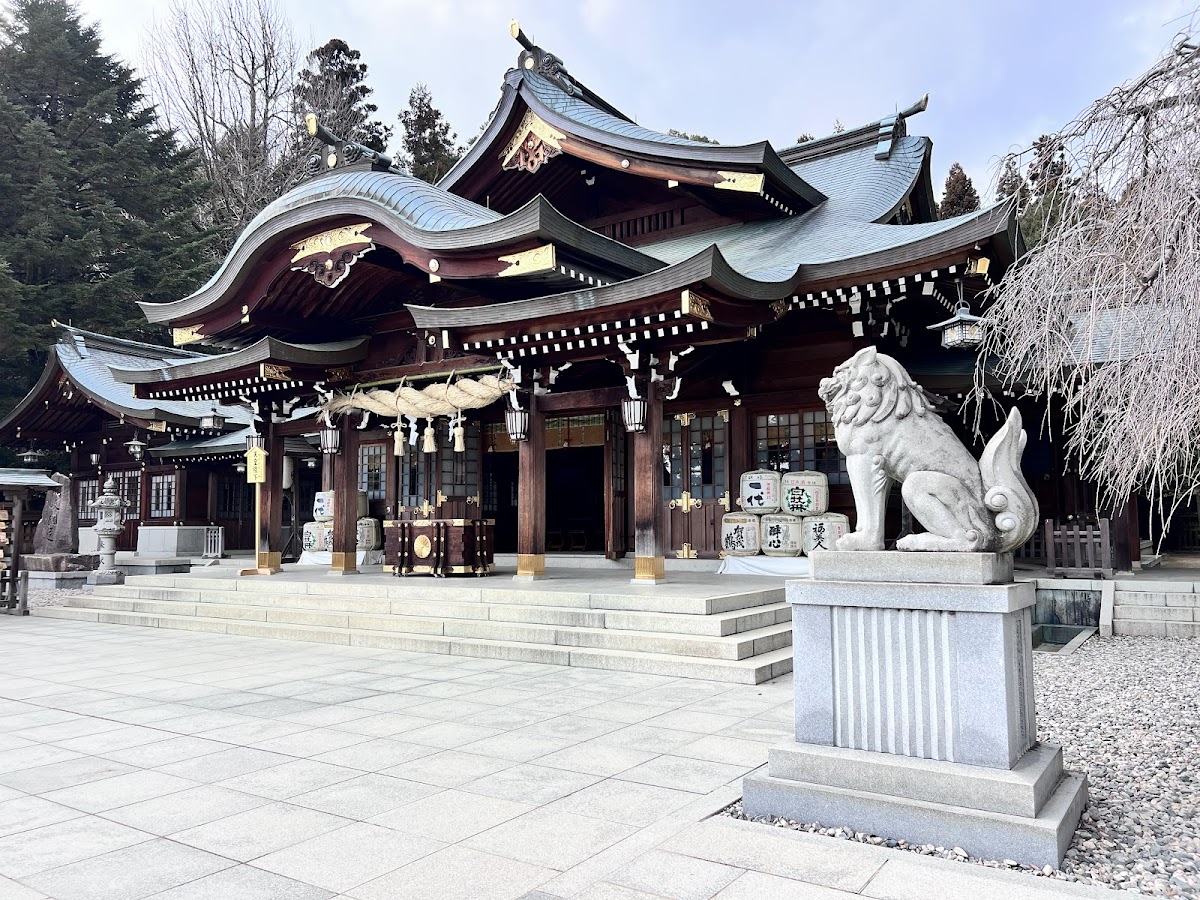
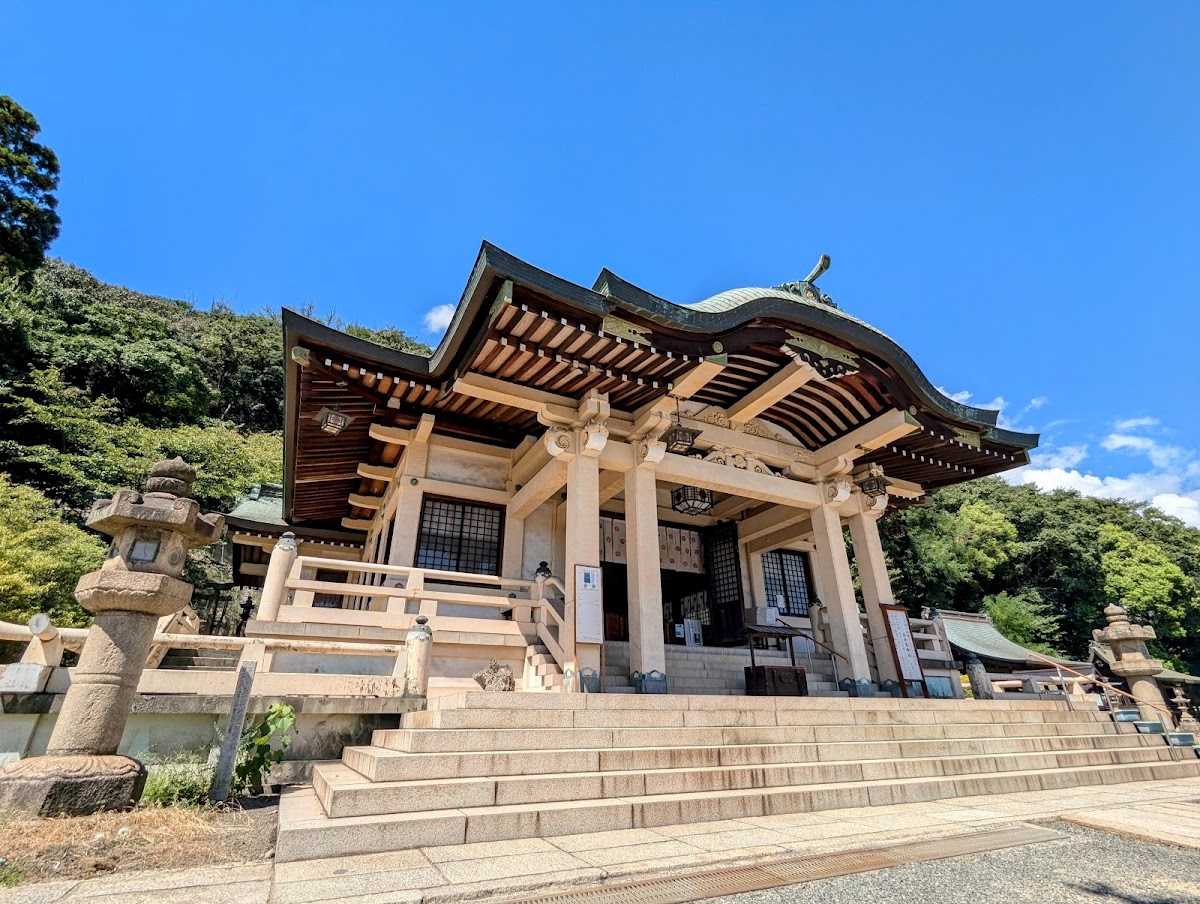
A Hirabutai (平舞台) is a stage-like space with a flat floor, erected in front of the main hall or worship hall of a shrine. It plays an important role as a place for offering Shinto rituals such as Kagura and Bugaku, and as a ceremonial space during festivals.
Generally, it is erected about 1-2 meters above the ground and is characterized by a railing called a Kōran (高蘭). The floorboards are made of high-quality wood such as cypress (ひき) or zelkova (キー木), resulting in a robust structure that can withstand many years of use.
Difference between Hirabutai and Buden (舞殿)
A Hirabutai is often confused with a Buden (舞殿). The main differences between the two are as follows:
- Hirabutai: An open structure without a roof. Open on all four sides, and subject to weather conditions
- Maiden: A stage located inside a covered building. Allows for Shinto rituals to be performed even in rainy weather.
Some shrines have both, and their use depends on the purpose and scale.
History and Development of the Flat Stage
Ancient Tradition
The origin of the flat stage can be traced back to ancient Shinto rituals. The scene in the Ama-no-Iwato myth recorded in the Kojiki, where Ame-no-Uzume-no-Mikoto performed a dance before the gods, is considered the prototype of Kagura (Shinto ritual dance).
During the Heian period, Bugaku (court dance and music) flourished in the imperial court and major shrines, and dedicated stages were developed. Through the Kamakura and Muromachi periods, and into the Edo period, flat stages became widespread in shrines throughout the country, developing in conjunction with local festival culture.
Establishment of Architectural Styles
From the mid-Edo period onward, as the style of shrine architecture was systematized, certain standards were established for the structure and arrangement of flat stages. Design standards were established according to the status of the shrine, including the positional relationship with the main shrine, the size of the stage, and the design of the railing.
Structure and Architectural Characteristics of a Flat Stage
Basic Structure
A flat stage consists of the following elements:
- Floor: Floorboards 3-5 cm thick laid without gaps. Acoustic effects are also considered to allow the sound of the performers’ footsteps to resonate.
- Support Posts: Posts that support the floor. Usually erected on stone foundations.
- Balustrade: A railing surrounding the stage. Serves to prevent falls and as decoration.
- Stairs: Stairs for ascending and descending, located at the front. Typically an odd number of tiers, either 3 or 5.
Dimensions and Placement
The size of the stage varies depending on the size of the shrine, but generally:
- Small Shrines: 3 ken x 2 ken (approx. 5.4m x 3.6m)
- Medium-Sized Shrines: 5 ken x 3 ken (approx. 9m x 5.4m)
- Large Shrines: 7 ken x 4 ken or more (approx. 12.6m x 7.2m or more)
The stage is generally positioned on the extension of the approach to the shrine, as viewed from the front of the main hall.
Representative Shrines with Flat Stages
Itsukushima Shrine (Hiroshima Prefecture)
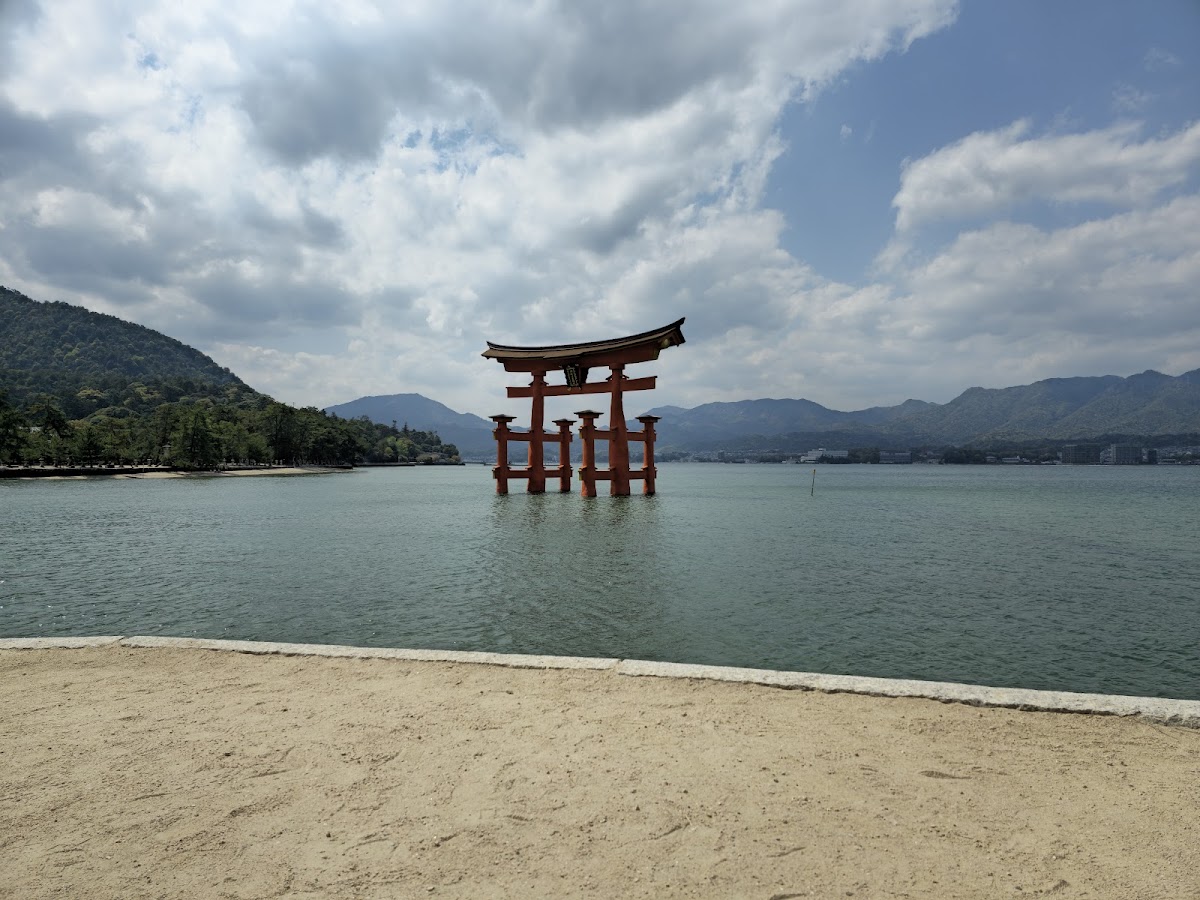
The flat stage of Itsukushima Shrine, a World Heritage Site, is known for its unique structure built on the sea. At high tide, it appears to float on the water, and the fantastical sight when Gagaku (court music and dance) is performed is breathtaking.
Features:
- Dimensions: 8 bays (approx. 14.5m), 4 bays (approx. 7.3m)
- Designated as a National Treasure
- Bugaku (court dance and music) is regularly performed throughout the year.
Sumiyoshi Taisha Shrine (Osaka Prefecture)
The stone stage at Sumiyoshi Taisha Shrine is an important flat stage, counted as one of Japan’s three most important stages. It is a rare stone stage made of granite and is designated as an Important Cultural Property.
Features:
- Constructed during the Keicho era (1596-1615)
- Kagura (sacred dance and music) is performed annually during the Unoha Shinto ritual in May
- Scenic beauty integrated with the arched bridge (drum bridge)
Kasuga Taisha Shrine (Nara Prefecture)
At the flat stage in the apple orchard of Kasuga Taisha Shrine, Kagura and Bugaku are performed during the Kasuga Wakamiya On-matsuri festival. It boasts a history of over 800 years as a stage for ancient and elegant festivals.
Shinto Rituals and Performing Arts Performed on the Flat Stage
Kagura
Kagura is a general term for songs and dances offered to the gods, and is the most frequently performed Shinto ritual and performing art on the flat stage.
Main Types:
- Miko Kagura: Shrine maidens dance with bells and fans.
- Shishi Kagura: Performers wearing lion masks ward off evil spirits.
- Yudate Kagura: Boiling water is sprinkled with bamboo leaves for purification.
Bugaku
A classical performing art performed to the accompaniment of Gagaku (court music). It was introduced from the continent during the Heian period and has been passed down in the imperial court and major shrines. It is still regularly performed at Itsukushima Shrine and Kasuga Taisha Shrine.
Noh and Dengaku
At some shrines, Noh and Dengaku are also performed on the flat stage. Dengaku, in particular, which is linked to agricultural rituals, is an important event for praying for a bountiful harvest in the region.
Points to Note When Viewing the Hirabutai (Flat Stage) During a Visit
Architectural Beauty Highlights
When viewing the Hirabutai during a visit, pay attention to the following points:
- Balustrade Design: The shape of the finials (giboshi) and the intricate carvings reflect the unique characteristics of each shrine.
- Wood Grain of the Floorboards: Floorboards that have been used for many years have a unique luster and elegance.
- Harmony with the Main Hall: The balance of the stage and the main hall’s arrangement, and the visual unity.
- Surrounding Landscape: The relationship with the garden and pond, and the harmony with the scenery of the four seasons.
Photography Tips
Points for beautifully photographing the Hirabutai:
- Early Morning or Evening: The oblique light highlights the texture of the wood.
- During Festivals: Obtain permission from the shrine to photograph the rituals.
- Low Angle: Emphasizes the height and dignity of the stage.
- Wide-Angle Lens: Expresses the relationship with the main hall and surrounding buildings.
Manners and Precautions
- The flat stage is a sacred space. Please observe in silence during the Shinto ritual.
- Unauthorized entry onto the stage is strictly prohibited.
- Please follow the shrine’s regulations regarding photography and use flash sparingly.
- Please observe and photograph from a position that does not interfere with the ritual.
Access to Shrines with a Flat Stage
Itsukushima Shrine
Location: 1-1 Miyajima-cho, Hatsukaichi City, Hiroshima Prefecture
Access: Approximately 10 minutes by ferry from JR Miyajimaguchi Station, 12 minutes on foot from Miyajima Pier
Visiting Hours: 6:30 AM – 6:00 PM (Varies depending on the season)
Admission Fee: 300 yen (Entrance fee)
Bugaku Performance: On monthly festival days, the first three days of the New Year, etc. (Please check)
Sumiyoshi Taisha Shrine
Location: 2-9-89 Sumiyoshi, Sumiyoshi-ku, Osaka City, Osaka Prefecture
Access: 3 minutes on foot from Nankai Main Line “Sumiyoshi Taisha Station”, immediately next to Hankai Tramway “Sumiyoshi Torii-mae Station” Visiting Hours: 6:00 AM – 5:00 PM (Outer Garden: 24 hours)
Admission Fee: Free
Main Rituals: Unoha Ritual (First Rabbit Day in May), Sumiyoshi Festival (July)
Kasuga Taisha Shrine
Location: 160 Kasugano-cho, Nara City, Nara Prefecture
Access: Approximately 10 minutes by bus from JR/Kintetsu Nara Station, get off at “Kasuga Taisha Honden” bus stop
Visiting Hours: 6:30 AM – 5:30 PM (Varies by season)
Admission Fee: 500 yen (Special worship at the main shrine)
Main Rituals: Kasuga Wakamiya On-matsuri (December 15-18)
Benefits of the Flat Stage and Shrine
Benefits for Improvement in Performing Arts
Shrines where Kagura and Bugaku are performed on a flat stage are revered as gods of performing arts. The following shrines are particularly known for attracting many visitors from the entertainment industry:
- Itsukushima Shrine: Ichikishimahime-no-Mikoto is syncretized with Benzaiten and revered as the goddess of performing arts and music.
- Sumiyoshi Taisha Shrine: Worshipped since ancient times as the god of waka poetry and literature, it is believed to bring blessings for improvement in performing arts.
- Tenkawa Daibenzaiten Shrine (Nara): A sacred place for performing arts, visited by many entertainers.
Blessings for Good Fortune and Protection from Evil
Kagura and Bugaku (traditional dance and music) are believed to have the power to ward off evil spirits and bring good fortune. It is said that visiting a shrine when a Shinto ritual is performed on a flat stage brings particularly strong blessings.
Particularly Effective Times to Visit:
- First Kagura Performance of the New Year
- Spring and Autumn Grand Festivals
- Summer Purification Ceremony
Matchmaking and Family Safety
Many Kagura performances pray for a bountiful harvest and family safety, making shrines where these are offered popular with worshippers seeking matchmaking and family happiness.
Preservation and Inheritance of the Hirabutai (Flat Stage)
Cultural Value
Many Hirabutai with high historical value are designated as National Treasures or Important Cultural Properties. As wooden structures, they require regular restoration and serve as places for the inheritance of traditional architectural techniques.
Restoration and Preservation Activities
Maintaining Hirabutai requires significant expense and specialized skills. Many shrines continuously carry out preservation activities such as:
- Roof restoration by cypress bark roofing craftsmen (in the case of dance halls)
- Repair of structural materials by shrine carpenters
- Regular replacement of floorboards
- Repainting of railings
These activities are carried out on an ongoing basis. ### Transmission of Kagura
The transmission of Kagura and Bugaku, performed on the flat stage, is also an important issue. At shrines throughout Japan, the following initiatives are being undertaken:
- Organization of preservation societies by parishioners
- Training of children to perform Kagura
- Promotion through regular public performances
- Protection through designation as an intangible cultural property
These are some of the efforts being made.
Summary
The flat stage is not merely a building; it is an important cultural device supporting Japanese Shinto rituals and performing arts. When visiting a shrine, pay attention not only to the main hall and torii gate, but also to the flat stage.
Especially during festivals, you can witness Kagura and Bugaku being performed and experience the original role and beauty of the flat stage. Why not rediscover the depth of shrine architecture and the splendor of traditional Japanese performing arts through the flat stage?