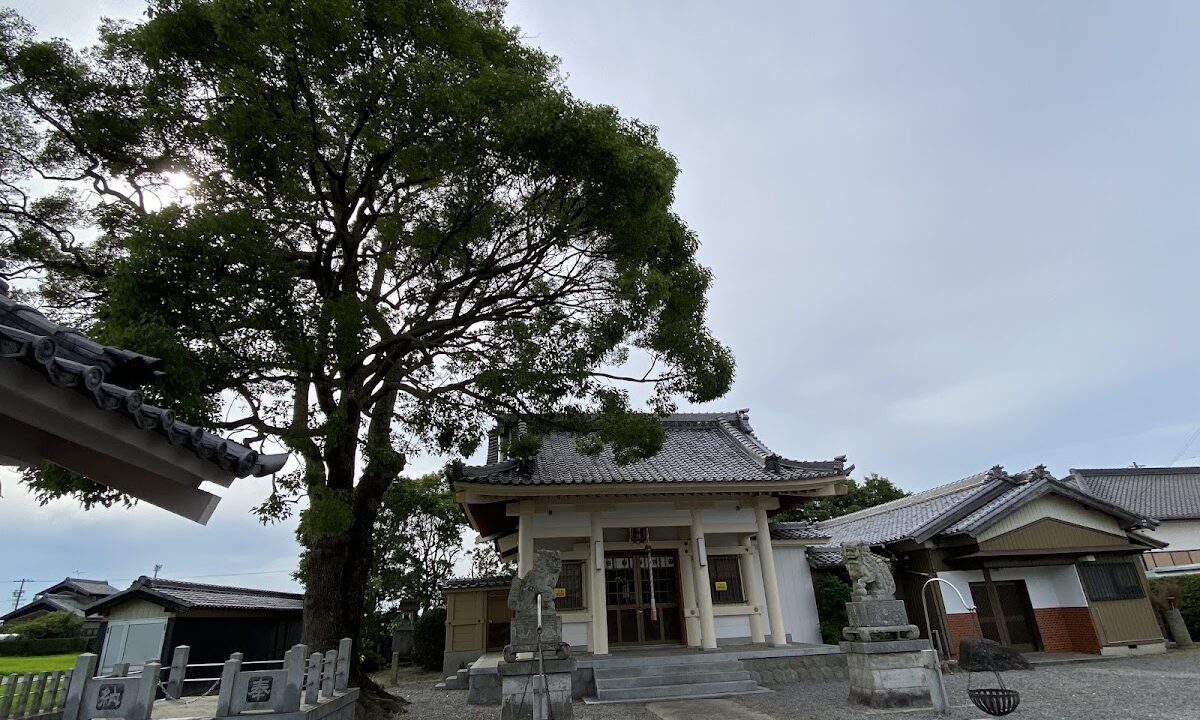
Complete Guide to Shinmei-sha and Hachiman-sha Combined Shrine (Aichi Prefecture) | Suginomiya Shrine’s Goshuin, History, and Visiting Information
Located in Nakasugi-cho, Kita-ku, Nagoya City, the Shinmei-sha and Hachiman-sha Combined Shrine, affectionately known locally as “Suginomiya Shrine,” is a historic shrine. It boasts the rare “combined shrine” format, where two shrines are enshrined in a single building, preserving a complex history spanning from the Sengoku period to the Edo period.
This article comprehensively covers information useful for visiting the Shinmei-sha and Hachiman-sha Combined Shrine, including goshuin information, detailed history, highlights within the grounds, and access methods.
Basic Information on Shinmei-sha and Hachiman-sha Combined Shrine (Suginomiya Shrine)
Location and Access
Location
1-18 Nakasugi-cho, Kita-ku, Nagoya City, Aichi Prefecture
Nearest Station
Approximately 10-15 minute walk from Kurokawa Station on the Nagoya Municipal Subway Meijo Line or Amagasaka Station on the Meitetsu Seto Line
Access by Car
Approximately 5 minutes east from Shiga-hondori towards Shimizu, along the Kami-kaido road. It is recommended to check in advance regarding the availability of a dedicated parking lot.
Shrine Office Opening Hours
The shrine office is open on the 1st and 15th of each month for the monthly festival. Opening hours are mainly in the morning, so it is recommended to visit in the morning if you wish to receive a Goshuin (shrine stamp).
The shrine is usually unattended, but the grounds are freely accessible for worship.
History of the Combined Shinmei-sha and Hachiman-sha Shrines
Origins and Two Eras
Two important dates are recorded in the history of the combined Shinmei-sha and Hachiman-sha shrines.
Tenbun 10 (1541)
During the Sengoku period, it is believed that the first shrine was founded in this area. It was built as a center of faith for the local people amidst the social conditions of the time.
Kanei 7 (1630)
During the early Edo period, it is believed that the shrine was rebuilt or underwent major renovations. It is possible that the current “combined shrine” format was established during this period.
The Unique “Combined Shrine” Format
The most distinctive feature of the combined Shinmei-sha and Hachiman-sha shrines, as its name suggests, is its “combined shrine” (aiden) format.
While “aidono” (相殿) is relatively common, the term “aiden” is rare, referring to a state where two independent shrines are enshrined together in a single shrine building. The Shinmei Shrine and the Hachiman Shrine, each with its own distinct history, came to be enshrined in a single building due to historical circumstances.
Various factors likely contributed to this arrangement, including regional consolidation, economic reasons, and shifts in religious beliefs.
Role in the Community
From the Edo period to the present day, the combined Shinmei Shrine and Hachiman Shrine has served as the tutelary deity of the Nakasugi-cho area, acting as a spiritual pillar for the local residents. Through annual events and festivals, it plays a vital role in maintaining community cohesion.
About the Enshrined Deity
Deity of the Shinmei Shrine
The Shinmei Shrine enshrines Kunitokotachi-no-Mikoto.
In Japanese mythology, Kunitokotachi-no-Mikoto is a primordial deity who appeared at the creation of heaven and earth, and is considered the god who formed the foundation of the land. Generally, Shinmei Shrines enshrine Amaterasu-Omikami, so the enshrinement of Kunitokotachi-no-Mikoto is quite distinctive.
The selection of this unique deity is thought to reflect local beliefs and historical background, and has attracted attention among researchers.
Deity of Hachiman Shrine
Hachiman shrines enshrine Hondawake-no-Mikoto, also known as Emperor Ōjin.
Hachiman has long been revered by the samurai class as the god of military fortune and victory, and has also been widely worshipped as the guardian deity of agriculture and industry. Numerous Hachiman shrines exist throughout Japan, making it one of the most widespread shrines in the country.
Deities of Subsidiary Shrines
To the right of the main shrine is a small shrine where the following deities are enshrined:
- Jingu (Ise Grand Shrine)
- Atsuta Shrine
- Tenjin Shrine
- Kasuga Shrine
- Yatsurugi Shrine
These subsidiary shrines demonstrate the diversity of local beliefs and serve as a comprehensive sacred site that fulfills various wishes.
Highlights of the Shrine Grounds
Shrine Name Marker and Torii Gate
At the entrance to the shrine grounds stands a shrine name marker inscribed with “Shinmei-sha/Hachiman-sha Combined Shrine (Suginomiya).” This marker is an important indicator of the shrine’s unique form.
Behind the lantern stand stands a stone torii gate, leading the path into a sacred space. Concrete barriers are in place to ensure safety within the shrine grounds.
Water Basin (Mitarai Shimizu)
To the right is the Mitarai Shimizu (water basin for purification), where worshippers can cleanse themselves. The pure water symbolizes the shrine’s spiritual power and is cherished as a place for purifying mind and body.
Worship Hall and Main Shrine
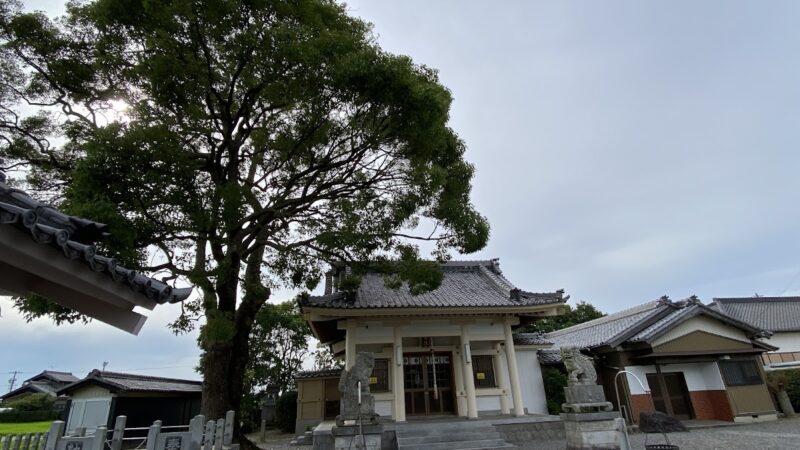
The worship hall is neatly maintained as a place for worshippers to offer prayers.
The main shrine faces south, with chigi (ornamental roof finials) in a style indicating a male deity, and five katsuogi (decorative roof beams). This architectural style is an important element that reflects the status of the shrine and the nature of the enshrined deity.
Komainu (Guardian Dogs)
Komainu are placed within the shrine grounds, guarding the sacred area. Observing the style and age of the komainu provides clues to understanding the historical changes of the shrine.
Shrine Office
The shrine office, located on the right, is open on the day of the monthly festival, and is where goshuin (shrine seals) and amulets are distributed. It also functions as a place for communication with local parishioners and visitors.
Goshuin Information
About the Issuance of Goshuin
Goshuin are issued at the Shinmei Shrine and Hachiman Shrine combined hall.
Issuance Dates
On the 1st and 15th of each month (the days of the monthly festival)
Issuance Time
Morning (Specific times may vary, so prior confirmation is recommended)
Issuance Location
Shrine Office
Offering Fee
Following the general market rate for shrines (approximately 300-500 yen)
Goshuin Design
The goshuin features the name of the shrine, “Shinmei-sha/Hachiman-sha Combined Shrine” or “Suginomiya Shrine,” written in ink, and stamped with the shrine’s seal. As a goshuin from a shrine with the rare format of a combined shrine, it is attracting attention among collectors.
About Goshuin Notebooks
Please inquire at the shrine office during your visit regarding the availability of original goshuin notebooks. Many visitors come as part of a goshuin pilgrimage visiting shrines in Nagoya City.
Annual Events
Monthly Festivals (1st and 15th of each month)
Monthly festivals are held on the 1st and 15th of each month. On this day, the shrine office is opened, and local parishioners and devotees gather. It is an important Shinto ritual to express gratitude for daily blessings and pray for future peace.
Chino-wa Ritual (Summer Purification Ceremony)
Every July, the Chino-wa Ritual is held. This is a traditional Shinto ritual to purify oneself of sins and impurities accumulated over the past six months and to pray for good health and protection from illness for the remaining half of the year.
In recent years, as a measure against COVID-19, the Chino-wa (straw ring) has been set up for several days, allowing parishioners and devotees to freely visit in small groups. This flexible approach demonstrates the shrine’s attitude of adapting to modern circumstances while preserving tradition.
Other Annual Events
- New Year’s Visit (January 1st-3rd)
- Setsubun Festival (February)
- Annual Grand Festival (Autumn)
- Shichi-Go-San Ceremony (November)
- Year-End Purification Ceremony (December 31st)
For specific dates and details, please check local bulletin boards or shrine announcements.
Manners and Points for Visiting a Shrine
Basic Worship Etiquette
- Bow at the Torii Gate: Bow before entering the shrine grounds.
- Purify at the Water Basin: Purify your hands and mouth at the water basin.
- Walking Along the Path: Walk along the sides of the path, as the center is considered the path of the gods.
- Etiquette at the Main Hall: Two bows, two claps, and one bow are the basic rituals.
- Bow Upon Exit: When leaving the shrine grounds, turn around and bow after passing through the torii gate.
Photography
Photography is generally permitted on the shrine grounds, but please note the following:
- Refrain from taking photos inside the main hall.
- Obtain permission before taking photos during Shinto rituals.
- Be considerate of other worshippers.
- Avoid using flash photography.
Attire
For regular visits, everyday clothing is acceptable, but formal attire is preferable in the following cases:
- When receiving prayers
- When making a formal visit
- When attending an important Shinto ritual
Nearby Shrines and Temples
Many shrines and temples that tell the history of Nagoya’s Kita Ward are scattered around the Shinmei-sha and Hachiman-sha Combined Shrine.
Hachioji Shrine and Kasuga Shrine
These shrines are located in Shimizu, Kita Ward, along the Kami-kaido road. They are about a 5-minute walk from the Shinmei-sha and Hachiman-sha Combined Shrine, and many people visit both together.
Other Nearby Shrines
- Rokushogu (Kami-Iida)
- Betsukoe Shrine
- Yamada Tenmangu
- Hitsuji Shrine
When planning a shrine tour centered around Nagoya’s Kita Ward, visiting these shrines as well will allow you to gain a deeper understanding of the local religious culture.
Connections with the Community
Collaboration with Osugi Community Center
The Shinmei-sha and Hachiman-sha Combined Shrine has a close relationship with the local Osugi Community Center. Information about Shinto rituals and events is often conveyed to local residents through this center, which plays a central role in the local community.
Activities of the Parishioners’ Organization
Local parishioners’ organizations support the maintenance and management of the shrine and the operation of festivals. Many local residents participate in activities that support the shrine, such as cleaning, maintaining the shrine grounds, and preparing for annual events.
Connections to Local Events
The shrine also functions as a place for gatherings during traditional local events and seasonal milestones, serving as a place for intergenerational exchange.
Visitor Voices
History in a Quiet Setting
“Although this shrine is quietly nestled in a residential area, entering the grounds envelops you in a serene atmosphere. As a historical shrine with the rare form of a combined shrine (goden), it is well worth a visit.”
Warm Atmosphere at the Monthly Festival
“I visited on the day of the monthly festival, which is held twice a month. Local residents gathered, and the Shinto ritual was performed in a warm atmosphere. The goshuin (shrine stamp) was also written carefully.”
Experiencing the Chino-wa (Ring of the Reed Ring) Ritual
“I participated in the summer Chino-wa ritual. Passing through the large ring of reeds gave me a feeling of purification of mind and body. It was a valuable opportunity to experience a traditional Shinto ritual.”
To Deepen Your Understanding of the Combined Shinto Shrine of Shinmei and Hachiman
The Significance of the “Goden” Formation
Even looking across Japan, there are not many shrines with the “Goden” form. This form reflects a complex background, including the historical changes of the region, economic circumstances, and the integration of faiths.
The enshrinement of two distinct Shinto shrines, the Shinmei-sha and the Hachiman-sha, within a single shrine building creates a more comprehensive place of worship, functioning as a shrine capable of fulfilling diverse wishes.
The Significance of Enshrining Kunitokotachi-no-Mikoto
The unique form of enshrining Kunitokotachi-no-Mikoto within the Shinmei-sha is a crucial element demonstrating the shrine’s distinctiveness. Kunitokotachi-no-Mikoto is a fundamental deity of the land, revered as the god who governs the stability and prosperity of the earth.
It is presumed that the selection of this deity was influenced by the region’s geographical characteristics, historical background, or special circumstances at the time of its founding.
Its Place in Local History
From the Sengoku period to the Edo period, the Nagoya region was strongly influenced by powerful figures such as Oda Nobunaga, Toyotomi Hideyoshi, and Tokugawa Ieyasu. The founding and transformation of the combined Shinmei-sha and Hachiman-sha shrine can be understood within this larger historical context.
Advice for Planning Your Visit
If You Want a Goshuin (Shrine Seal)
If you wish to receive a Goshuin, be sure to visit on the morning of the 1st or 15th of each month. On other days, the shrine office is unmanned, and you will not be able to receive a Goshuin.
It is recommended to check information about the shrine and local area in advance to understand the times of the monthly festival.
If You Are Visiting Multiple Shrines
Nagoya City’s Kita Ward has many historical shrines. If you are planning to visit multiple shrines in one day, check an efficient route using a map app.
Planning your route mainly along Shiga-hondori and Kami-kaido will make travel smoother.
Seasonal Highlights
- Spring: Enjoy a refreshing visit amidst the fresh greenery.
- Summer: Participate in the Chino-wa Shinto ritual.
- Autumn: Enjoy the annual festival and the autumn foliage.
- Winter: Enjoy the New Year’s visit and the tranquil atmosphere.
The shrine grounds, displaying different expressions in each season, offer new discoveries with every visit.
Summary
The Shinmei-sha and Hachiman-sha Combined Shrine (Suginomiya Shrine) is a shrine located in Nakasugi-cho, Kita-ku, Nagoya City, Aichi Prefecture, with a history spanning from the Sengoku period to the Edo period.
Unusually, two shrines are enshrined in one building in the “combined shrine” style. Kunitokotachi-no-Mikoto is enshrined in the Shinmei-sha, and Homudawake-no-Mikoto is enshrined in the Hachiman-sha. This unique configuration is a valuable cultural asset that tells the story of the region’s history and the diversity of its beliefs.
The shrine office is open on the 1st and 15th of each month for the monthly festival, and Goshuin (shrine seals) are also available. The annual events, including the summer Chino-wa Shinto ritual, are deeply rooted in the community and are carefully preserved by parishioners and devotees.
It is accessible from Kurokawa Station on the Nagoya Municipal Subway Meijo Line and Amagasaka Station on the Meitetsu Seto Line, and other historical shrines such as Hachioji Shrine and Kasuga Shrine are scattered around the area.
Despite being located in a quiet residential area, stepping into the grounds of the combined Shinmei-sha and Hachiman-sha shrines envelops you in a sacred atmosphere. When planning a shrine tour in Nagoya, be sure to visit this unique “combined shrine” style shrine.
Frequently Asked Questions (FAQ)
Q1: When can I get a Goshuin (shrine stamp) at the combined Shinmei-sha and Hachiman-sha shrines?
A1: Goshuin are given out on the 1st and 15th of each month, the days of the monthly festival. Visiting in the morning when the shrine office is open is recommended. On regular days, the shrine office is unmanned, and Goshuin are not given out.
Q2: What does “Gōden” mean?
A2: Gōden (合殿) refers to a form of shrine where multiple shrines are enshrined together in one building. In the case of a Shinmei-sha/Hachiman-sha Gōden, two independent shrines, Shinmei-sha and Hachiman-sha, are enshrined in one building. This is a relatively rare form, different from “Aidono” (相殿).
Q3: Is there parking available?
A3: We recommend checking directly with the shrine or local information before your visit regarding the availability of dedicated parking. Since the surrounding area is a residential area, please consider using public transportation.
Q4: When is the Chino-wa Ritual held?
A4: The Chino-wa Ritual is held every July. In recent years, the Chino-wa (straw ring) has been set up for several days, allowing worshippers to freely participate. Please check the shrine or local notices for specific dates.
Q5: Can I request prayers or purification rituals?
A5: You can inquire about prayers and purification rituals at the shrine office on the day of the monthly festival. It may be advisable to contact them in advance, so we recommend checking with local information sources or the Osugi Community Center.
Q6: Is it unusual for Kunitokotachi-no-Mikoto to be enshrined at Shinmei Shrine?
A6: Yes, it is a very rare case. Generally, Shinmei Shrines enshrine Amaterasu-Omikami, so enshrining Kunitokotachi-no-Mikoto is a unique form. This characteristic is an important element that demonstrates the uniqueness of the combined Shinmei Shrine and Hachiman Shrine.
Q7: Are there any other recommended shrines in the vicinity?
A7: Hachioji Shrine and Kasuga Shrine are within walking distance. Also, in Kita Ward, Nagoya City, there are many historical shrines such as Rokushogu (Kami-Iida), Betsukoe Shrine, Yamada Tenmangu, and Hitsuji Shrine. Planning to visit several shrines in one day is also recommended.
Q8: Is it crowded during the New Year’s visit?
A8: As it is a community-oriented shrine, large-scale New Year’s visits are expected to be relatively less crowded. However, on New Year’s Day and the first three days of the year, local parishioners and residents will visit, so it will be busier than usual.
Q9: Can I visit for Shichi-Go-San (a traditional Japanese rite of passage for children)?
A9: We accept Shichi-Go-San visits. If you are visiting during the Shichi-Go-San season in November, it would be best to visit on the day of the monthly festival (the 1st or 15th) as the shrine office will be open, making it easier to discuss prayers.
Q10: How long does it take to get there from the nearest station?
A10: It is about a 10-15 minute walk from Kurokawa Station on the Nagoya Municipal Subway Meijo Line or Amagasaka Station on the Meitetsu Seto Line. The route from Shiga-Hon-dori via Kamikaido towards Shimizu is the easiest to follow.