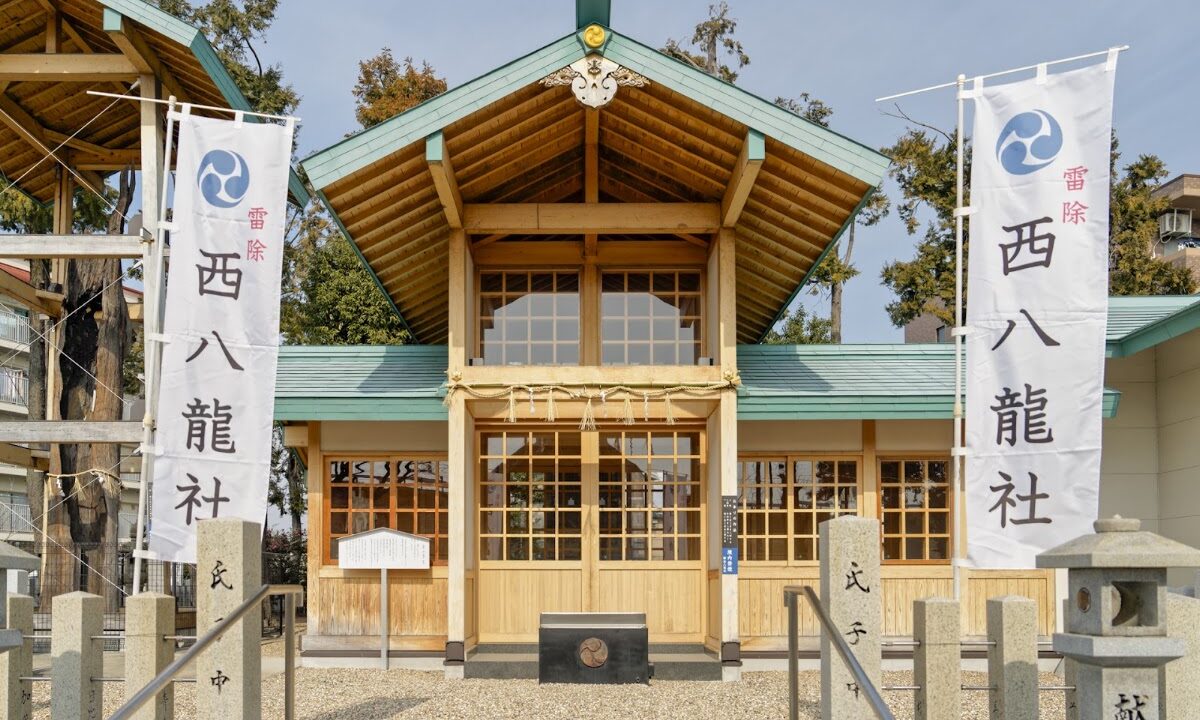
Complete Guide to Nishihachiryu Shrine (Kita-ku, Nagoya City, Aichi Prefecture) | Goshuin (Shrine Seal), History, Benefits, and Access Information
Nishihachiryu Shrine, located in Nakajima, Kita-ku, Nagoya City, Aichi Prefecture, is a historical shrine said to have been founded during the Shohei era (931-938). It is deeply revered in the community as a god of protection against lightning and a god of prayer for sunshine, and stories of its miraculous powers during wartime have been passed down. This article provides a comprehensive overview of Nishihachiryu Shrine, including detailed information, goshuin (shrine seal), benefits, history, and access methods.
Basic Information on Nishihachiryu Shrine
Location and Access
Address: 1-203 Nakajima, Kita-ku, Nagoya City, Aichi Prefecture 462-0015
Nishihachiryu Shrine is located in the Nakajima area of Kita-ku, Nagoya City, in a quiet residential area. The nearest station is Ajima Station on the Meitetsu Komaki Line, approximately a 20-35 minute walk from the station. It’s also only about a 5-minute walk from Ajima Shrine, and many visitors combine their visits to both shrines.
Transportation Access:
- Approximately 20-35 minute walk from Ajima Station on the Meitetsu Komaki Line
- By car: Approximately 10 minutes from the Kurokawa Interchange on the Nagoya Expressway
- Parking: Parking available for visitors on the shrine grounds
Shrine Rank and Classification
- Former Shrine Rank: Unranked Shrine
- Classification: Fourteenth Class
From the Edo period to the Meiji period, Nishihachiryu Shrine was revered as the local guardian deity, but under the modern shrine ranking system, it was classified as an unranked shrine. However, its deep faith and spiritual efficacy transcend its rank and are deeply rooted in the local community.
Deity and Benefits
Deity
The deity enshrined at Nishi-Hachiryu Shrine is Takaokami-no-Kami. Takaokami-no-Kami is a dragon god who controls water and is an important water deity in Japanese mythology, appearing in the Kojiki and Nihon Shoki. The character “龗” means dragon, and Takaokami-no-Kami has been worshipped as a water god residing in mountain peaks and valleys.
Benefits
Nishi-Hachiryu Shrine is particularly known for the following benefits:
Protection from Lightning (Protection from Lightning Strikes)
Since around the Bunsei era (1818-1830), Nishi-Hachiryu Shrine has become widely known as a god of protection from lightning. In areas prone to thunderstorms, it is revered as a god that protects houses and people from lightning strikes. Farmers, in particular, feared damage from lightning and had a custom of receiving amulets for protection from lightning.
Prayers for Sunshine (Rain and Sunshine)
Because the shrine enshrines Takaokami-no-kami, a water deity, prayers for rain during droughts and, conversely, for sunshine during prolonged rains have been offered. In times when agriculture flourished, the shrine attracted the faith of local farmers as a god who controlled the weather.
Protection from Water Disasters
Due to its characteristics as a dragon god, there is also a belief in protection from floods and water-related disasters.
Abundant Harvest
As a god who controls water, the shrine is revered as a god who brings the appropriate rain necessary for crop growth, and is therefore a subject of prayers for a bountiful harvest.
History of Nishihachiryu Shrine
Founding and History
Nishihachiryu Shrine is said to have been founded during the Shohei era (931-938), in the reign of Emperor Suzaku. This indicates that water deity worship existed in this area from the mid-Heian period. As an ancient shrine with a history of over 1000 years since its founding, it has been a center of local faith.
Prosperity in the Edo Period
Around the Bunsei era (1818-1830), Nishihachiryu Shrine became particularly well-known as a god of protection against lightning and a god of prayer for good weather. This period was the late Edo period, a time when interest in weather increased along with the development of agricultural technology. The worship of Nishihachiryu Shrine spread not only to the Ajima area but also to the surrounding areas.
A Mysterious Legend During Wartime
Nishihachiryu Shrine has an interesting legend from wartime.
In 1943 (Showa 18), renovation work was carried out on the Jizo River for drainage from the Nagoya Army Arsenal Toriimatsu Factory. When the work reached Nishihachiryu Shrine, a series of strange events occurred.
- Construction workers fell ill one after another with unexplained illnesses.
- Heavy machinery suddenly stopped working.
- Work continued to be stalled for inexplicable reasons.
The construction workers, perplexed by these phenomena, wondered if it was due to the divine power of the shrine. After discussions with local parishioners, an agreement was reached on the condition that the parishioners participate in the construction, and the relocation of the shrine was successfully carried out.
This legend is still passed down in the community today as an episode demonstrating the strong spiritual power of Nishihachiryu Shrine. It speaks to the depth of faith of the local residents who continued to protect the shrine even during the difficult times of war.
Nishihachiryu Shrine in Modern Times
Even after the war, it continued to be worshipped as the local guardian deity, and even today, it welcomes visitors, offering Goshuin (shrine stamps) on the 1st and 15th of each month. In recent years, with the rise of the Goshuin boom, visitors have been coming from far away as well.
Goshuin Information
Goshuin Issuance Dates
Goshuin are available at Nishihachiryu Shrine.
Issuance Dates:
- 1st of every month
- 15th of every month
- During major festivals
Issuance Hours:
- Normal: 8:30 AM – 12:00 PM (noon)
- During major festivals: Until after 3:00 PM
Goshuin (temple/shrine seals) are only issued twice a month, on the 1st and 15th. Please pay attention to the dates when planning your visit. Issuance hours are extended during major festivals.
Goshuin Design
The goshuin of Nishihachiryu Shrine features the shrine’s name, “Nishihachiryu Shrine,” written in ink and stamped in red. It’s a powerful and impressive goshuin, befitting a shrine dedicated to the dragon god. Many visitors receive it as a memento of their visit and as proof of their faith.
Available Items
In addition to goshuin, other items such as amulets and talismans are available. The lightning protection amulet is particularly popular. For details on available items, please inquire directly during your visit.
Shrine Grounds
Shrine Building and Facilities
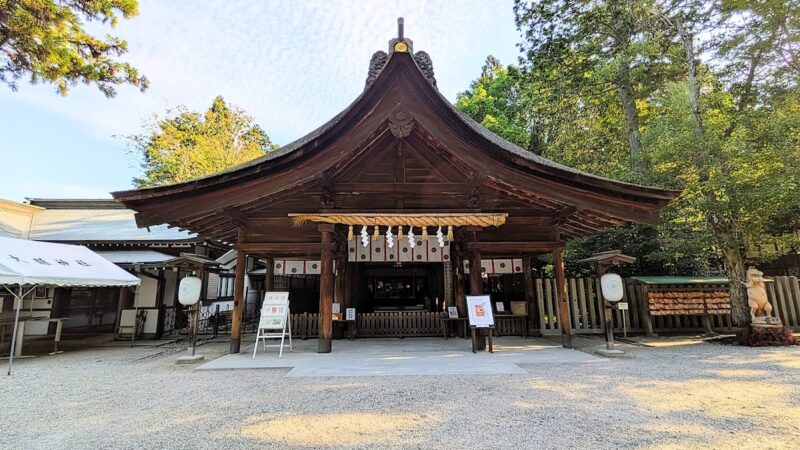
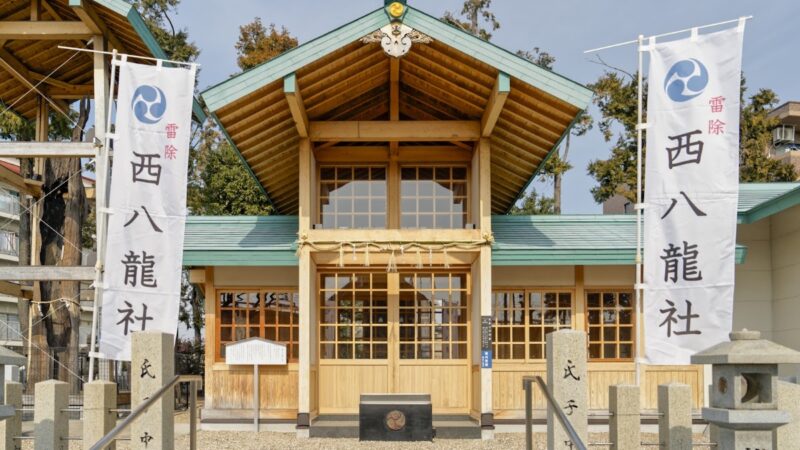
Despite being located in a residential area, the grounds of Nishi-Hachiryu Shrine maintain a tranquil atmosphere. Passing through the torii gate, a well-maintained shrine grounds unfolds, with the main hall (haiden) situated directly ahead.
The shrine building is a traditional wooden structure, possessing a warm and inviting presence befitting a local guardian deity. A purification fountain (temizuya) is also located on the grounds, allowing visitors to cleanse themselves before praying.
Etiquette for Worship
Worship at Nishi-Hachiryu Shrine follows the general etiquette for visiting a shrine:
- Bow before the torii gate
- Cleanse your hands and mouth at the water basin
- Offer your donation in front of the main hall
- Bow twice, clap twice, and bow once
- When leaving, turn around and bow once after passing through the torii gate
Annual Events and Festivals
Grand Festivals
Nishi-Hachiryu Shrine holds various festivals throughout the year. During grand festivals, the hours for receiving Goshuin (shrine stamps) are extended, and the shrine is bustling with many worshippers.
As the local guardian shrine, seasonal events such as New Year’s visits, Setsubun festivals, and the annual grand festival are held, deepening ties with the local residents.
Nearby Shrines and Temples
Ajima Shrine
Ajima Shrine, located about a 5-minute walk from Nishi-Hachiryu Shrine, is a highly prestigious shrine listed in the Engishiki (ancient Japanese legal code). Founded in ancient times, this historic shrine is listed in the Engishiki Jinmyocho (a historical record of shrines) and is frequently visited along with Nishihachiryu Shrine.
Ajima Shrine enshrines the ancestral deity of the Owari clan and is revered as the guardian shrine of the region. A “Ajima Shrine Pilgrimage,” visiting both shrines, is highly recommended.
Other Nearby Spots
Nagoya City’s Kita Ward has many other shrines and temples, offering plenty of opportunities for shrine pilgrimages. The area around Ajima Station is dotted with historical temples and shrines.
Points to Note When Visiting
For Those Wishing to Receive a Goshuin (Temple Stamp)
- Goshuin are only available on the 1st and 15th of each month.
- The hours for receiving Goshuin are from 8:30 AM to noon.
- During major festivals, the hours are extended until after 3:00 PM.
- If you do not have a Goshuincho (stamp book), we recommend preparing one in advance.
Access
- It is a 20-35 minute walk from the nearest Ajima Station.
- If you are unsure about the weather or your physical condition, please consider taking a taxi.
- Visiting by car is possible, but parking space is limited.
- As it is located in a residential area, please be considerate of the neighbors regarding noise, etc.
Visiting Manners
- Please visit quietly and with reverence within the temple grounds.
- Photography is permitted, but please be considerate of other visitors.
- Please take all your trash with you.
- Goshuin are proof of your visit, so please be sure to pray before receiving one.
The Charms and Highlights of Nishi-Hachiryu Shrine
Over 1000 Years of History
Founded during the Shohei era (931-938), Nishi-Hachiryu Shrine boasts a history of over 1000 years, a place of worship that has continued since the Heian period. Throughout its long history, it has been protected by the local people, and the faith has been passed down to the present day.
The Mystery of Dragon God Worship
Nishi-Hachiryu Shrine, which enshrines Takaokami-no-kami, the dragon god who controls water, is a shrine where you can feel the mystery of dragon god worship. Its unique blessings, such as protection from lightning and prayers for good fortune, convey the Japanese people’s reverence for the power of nature.
A Miraculous Tale from Wartime
A mysterious legend surrounding the Jizo River renovation work in 1943 (Showa 18) speaks to the strong spiritual power of Nishi-Hachiryu Shrine. This legend, still told even in today’s scientifically advanced age, makes you feel the mysterious power of the shrine.
A Local Guardian Shrine
The charm of Nishihachiryu Shrine lies in its simple atmosphere as a local guardian shrine, unspoiled by tourism. You can feel the warmth unique to a shrine loved and protected by the local residents.
Recommended Plan for Visiting Nishihachiryu Shrine
Ajima Shrine Pilgrimage Course
- Get off at Ajima Station on the Meitetsu Komaki Line
- Visit Ajima Shrine (approx. 15-minute walk)
- Travel to Nishihachiryu Shrine (5-minute walk)
- Visit Nishihachiryu Shrine
- Return to the station while strolling around the area
Estimated time: approx. 2-3 hours
Goshuin Stamp Pilgrimage Plan
This plan involves visiting on the 1st or 15th of each month to receive goshuin stamps at both Nishihachiryu Shrine and Ajima Shrine. Visiting early in the morning allows for a peaceful and tranquil visit to the shrine grounds.
Map and Route Guide
To access Nishihachiryu Shrine, we recommend using a smartphone map app. Searching for “Nishihachiryu Shrine, Kita-ku, Nagoya City” will show you the route from your current location.
From Ajima Station, the route via Ajima Shrine is easy to understand and recommended, as you can visit both shrines along the way. Since the route goes through a residential area, please check the map as you proceed.
Summary
Nishihachiryu Shrine, located in Kita-ku, Nagoya City, Aichi Prefecture, is a historical shrine founded during the Shohei era. It enshrines Takaokami-no-kami, the dragon god who controls water, and has been deeply revered in the region as a god of protection against lightning and a god of prayer for good fortune.
The mysterious miraculous tales from wartime are still passed down, allowing you to feel the mystical power of the shrine. Goshuin (shrine stamps) are given out on the 1st and 15th of each month, and visiting both the nearby Ajima Shrine and Nishihachiryu Shrine is also recommended.
Nishihachiryu Shrine, with its unspoiled atmosphere untouched by tourism, offers a glimpse into a history of faith spanning over 1000 years. When visiting Nagoya’s Kita Ward, be sure to stop by. A peaceful pilgrimage awaits, where you can feel the blessings of the dragon god.
Despite its location within walking distance of Ajima Station on the Meitetsu Komaki Line, Nishihachiryu Shrine maintains a tranquil atmosphere, making it a beloved place for both locals and visitors from afar, offering a respite from the hustle and bustle of the city. Many people visit the shrine seeking its unique blessings, such as protection from lightning and prayers for good fortune, as well as to receive its Goshuin (shrine stamp).
Why not experience the profound depth of Japanese shrine culture at Nishihachiryu Shrine, where history, tradition, and the faith of the local people breathe life into the place?