Nagoya Shrine (Aichi Prefecture) Complete Guide: History, Goshuin (Shrine Seals), Access, and Highlights Explained in Detail
Nagoya Shrine is a historic shrine located in Marunouchi, Naka-ku, Nagoya City, Aichi Prefecture. Founded in the early Heian period, this shrine has deep ties to the origin of the name Nagoya and has a long history as the guardian shrine of Nagoya Castle. Along with the adjacent Nagoya Toshogu Shrine, it is a beloved oasis in the city center for citizens and worshippers.
This article provides a thorough explanation of everything you need to know before visiting Nagoya Shrine, including its history, enshrined deities, highlights within the grounds, goshuin information, annual events, and access methods.
Basic Information about Nagoyano Shrine
Location: 2-3-17 Marunouchi, Naka-ku, Nagoya City, Aichi Prefecture
Former Shrine Rank: Prefectural Shrine (Seventh Rank)
Founded: March 16, 911 (Engi 11)
Main Deities: Susanoo-no-Mikoto, Kushinadahime-no-Kami
Shrine Office Hours: 9:00 AM – 5:00 PM (Normal)
Parking: Available (Limited Spaces)
Nagoyano Shrine maintains a quiet atmosphere despite being located in the heart of Nagoya City, in the government district, making it a valuable sanctuary amidst the business district.
History of Nagoyano Shrine
Founding and the Heian Period
Nagoyano Shrine is said to have been founded on March 16, 911 (Engi 11), by imperial decree of Emperor Daigo. Originally called “Kame-no-Tenno-sha,” it was built next to Hachioji Shrine and Wakamiya Hachiman Shrine.
In the early Heian period, this area was called “Nagoya-sho,” and the shrine’s name originates from this place name. There is also a theory that the place name “Nagoya” became the origin of the later name “Nagoya,” making it an indispensable part of Nagoya’s history.
The Sengoku Period and its Connection to the Oda Family
During the Sengoku period, Nagoya Shrine underwent a major turning point. Although the shrine buildings were destroyed by fire during a battle, they were rebuilt by Oda Nobuhide, the father of Oda Nobunaga. Oda Nobuhide seized Nagoya Castle (the predecessor of the later Nagoya Castle) in 1532 and established his base there, thus providing generous protection to Nagoya Shrine.
Oda Nobunaga is said to have been born and raised at Nagoya Castle, and Nagoya Shrine is known for its deep connection to the Oda family. It also functioned as a place of prayer for Sengoku period warlords and served as a spiritual pillar for the region.
The Edo Period and the Construction of Nagoya Castle
In 1610 (Keicho 15), with the construction of Nagoya Castle by Tokugawa Ieyasu, Nagoya Shrine underwent significant changes. Due to the castle’s expansion, the shrine was forced to relocate to its current location. During this period, Nagoya Shrine was positioned as the guardian shrine of Nagoya Castle and the tutelary deity of Nagoya, gaining followers along with the development of the castle town.
Throughout the Edo period, Nagoya Shrine was sometimes known as “Susanoo Shrine.” This name derives from its principal deity, Susanoo-no-Mikoto. It also had a deep relationship with Tsushima Shrine, the head shrine of Tsushima Shrines, and played a role as a center of Tenno worship.
After the Meiji Era
With the abolition of the feudal domains and the establishment of prefectures, the shrine ranking system was established. In 1876 (Meiji 9), Nagoyano Shrine was elevated to the rank of a prefectural shrine. It was at this time that the shrine’s name was officially standardized as “Nagoyano Shrine.”
During the Great Nagoya Air Raid of 1945 (Showa 20), Nagoyano Shrine, along with many other buildings in Nagoya, was damaged. However, after the war, thanks to the efforts of parishioners and worshippers, the shrine buildings were rebuilt, resulting in its current form.
Deities and Divine Virtues
Main Deities
The main deities of Nagoyano Shrine are the following gods:
Susanoo-no-Mikoto
A heroic god in Japanese mythology, known for slaying the Yamata no Orochi (eight-headed serpent). He is worshipped as a god of protection against evil, warding off disease, and matchmaking.
Kushiinadahime-no-Kami
The wife of Susanoo-no-Mikoto, and the princess who was saved from the Yamata no Orochi. This shrine offers divine blessings for matchmaking, marital harmony, and family safety.
Hyosu-no-kami
Revered as the god of military success and good fortune in competitions.
Yahashira-no-kami
A collective term for multiple deities, believed to possess various divine blessings.
Divine Blessings
The main divine blessings you can receive at Nagoyano Shrine are as follows:
- Protection from Misfortune and Disaster: Protection from misfortune through the powerful energy of Susanoo-no-Mikoto
- Matchmaking and Marital Harmony: Successful matchmaking through the divine couple Susanoo-no-Mikoto and Kushinadahime-no-Kami
- Business Prosperity and Good Fortune: The power of protection for the region as the guardian deity of Nagoya
- Family Safety: Protection of family health and peace
- Long-lasting Military Fortune and Success in Competitions: Prayers for victory through the god of military prosperity
Located in a business district, many visitors come to pray for improved career prospects and successful business negotiations.
Highlights of the Shrine Grounds
Main Hall and Worship Hall
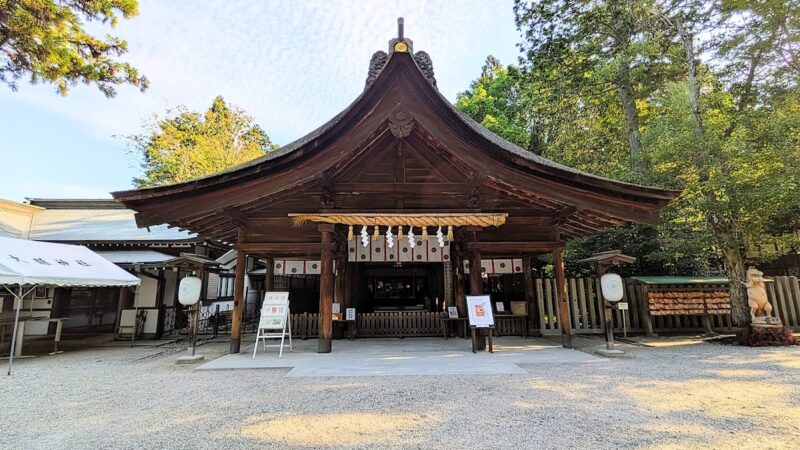
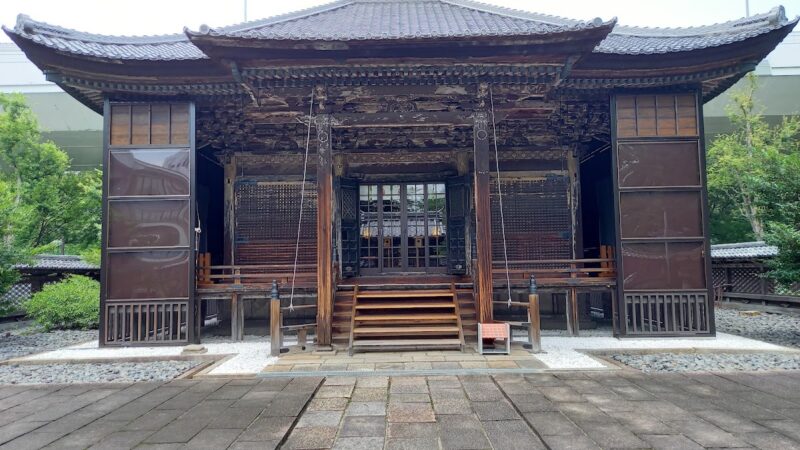
The main hall of Nagoyano Shrine, although rebuilt after the war, is a beautiful building that faithfully adheres to the traditional style of shrine architecture. Standing before the worship hall, one is enveloped in a solemn atmosphere that makes one forget the hustle and bustle of the city.
The shrine faces east, and its appearance bathed in the morning sun is particularly divine. The warmth of the wooden architecture and the meticulously maintained grounds harmonize, providing tranquility to visitors.
Water Basin
The water basin on the grounds features a magnificent dragon carving, which is popular among visitors. This dragon, with its powerful and dynamic form, is revered as a dragon god that controls water. It’s a popular spot for many to take photos as they perform the purification ritual before worship.
Main Gate and Torii
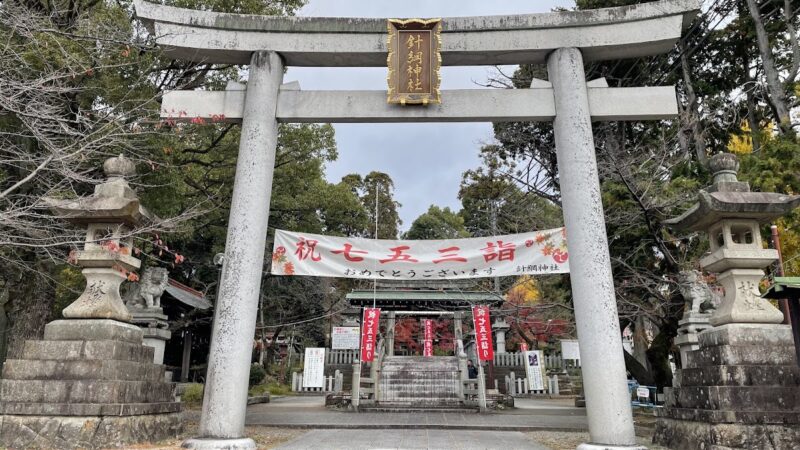
A magnificent torii gate stands at the entrance to Nagoyano Shrine, beyond which is the main gate. Passing through the torii gate gives you the feeling of entering a different world, even though you’re in the middle of the city. The structure of the main gate maintains a traditional style while exuding a sense of dignity.
Subsidiary Shrines and Auxiliary Shrines
Several subsidiary shrines are enshrined within the grounds of Nagoyano Shrine. Each has its own specific divine virtues, and by visiting these subsidiary shrines in addition to the main shrine, visitors can offer a wider range of prayers.
The shrine grounds are not vast, but they are meticulously maintained, and seasonal flowers and trees delight visitors.
Shrine Office and Gift Shop
The shrine office offers Goshuin (shrine stamps) and various amulets and talismans. Nagoyano Shrine’s original amulets, some with designs unique to Nagoya, are popular souvenirs.
Goshuin Information
Types of Goshuin
Nagoya Shrine offers standard Goshuin. These are traditional Goshuin with “Nagoya Shrine” written in ink and stamped with the shrine’s seal. While there are slight variations depending on the calligrapher, all are carefully written.
Goshuin Reception Hours
Goshuin are usually available during the shrine office’s opening hours, from 9:00 AM to 5:00 PM. However, reception may be unavailable during religious ceremonies or events, so it is recommended to check in advance if you wish to receive one.
Offering Fee
The offering fee for a Goshuin (temple/shrine stamp) is approximately 300 to 500 yen, similar to most shrines (this may vary depending on the season). It’s best to have the exact amount ready to avoid needing change.
Goshuincho (Stamp Book)
Original Goshuincho are sometimes available. They feature designs characteristic of Nagoya or unique to Nagoyano Shrine, and many visitors purchase them as souvenirs.
Goshuin Pilgrimage with the Adjacent Nagoya Toshogu Shrine
Nagoya Toshogu Shrine is located right next to Nagoyano Shrine, allowing you to visit both shrines and collect Goshuin stamps at once. They are only a few minutes’ walk apart, making for an efficient Goshuin pilgrimage. Planning a shrine pilgrimage in central Nagoya, including Aichi Prefecture Gokoku Shrine, will make for a more fulfilling visit.
Annual Festival and Main Annual Events
Annual Festival (Grand Festival)
Nagoyano Shrine’s annual festival is held every autumn. The annual festival is the most important festival for the shrine, where gratitude is offered to the enshrined deity and prayers are made for the prosperity of the region and the peace and well-being of the parishioners. A solemn ceremony is conducted by Shinto priests, and many parishioners and devotees attend.
Main Annual Events
Hatsumode (January 1st-3rd)
Many worshippers visit to welcome the new year. Due to its location in the heart of Nagoya City, it is especially lively during the Hatsumode period. The shrine grounds are bustling with people praying for family safety, business prosperity, and protection from evil.
Setsubun Festival (around February 3rd)
Shinto rituals such as bean-throwing are performed to ward off evil and invite good fortune. It is a traditional event where evil spirits are driven away and good fortune is invited in with the chant of “Oni wa soto, Fuku wa uchi” (Out with the demons, in with good fortune).
Natsukoshi no Oharae (June 30th)
This is a Shinto ritual to purify and cleanse away the sins and impurities accumulated over the past six months. A ritual called “Chino-wa Kuguri” (passing through a ring of reeds) is sometimes performed, with prayers offered for good health and protection from illness.
Shichi-Go-San Pilgrimage (November)
Shichi-Go-San pilgrimage is held to celebrate children’s growth and pray for their continued healthy development. Children in kimonos and their families can be seen on the shrine grounds.
Year-End Purification Ceremony (December 31st)
This is a Shinto ritual to purify oneself of the sins and impurities accumulated throughout the year, and to welcome the new year with a fresh start.
Please note that the detailed dates and content of these events may change from year to year, so it is recommended to check with the shrine before visiting.
Access and Transportation Information
Access by Train
Using the Nagoya Municipal Subway
- Tsurumai Line “Marunouchi Station”: Approximately 5 minutes on foot from Exit 1 (nearest station)
- Sakuradori Line “Marunouchi Station”: Approximately 5 minutes on foot from Exit 1
- Meijo Line “Shiyakusho Station”: Approximately 8 minutes on foot from Exit 7
Access from Marunouchi Station is the most convenient. Exit from Exit 1 and head north. Follow the signs for Nagoya Toshogu Shrine, and you will arrive at Nagoyano Shrine.
Access by Bus
Get off at the “Shimizuguchi” bus stop (Nagoya Municipal Bus), approximately 3 minutes on foot. Multiple bus lines are available, but the subway is more convenient due to its more frequent service.
Access by Car and Parking
Approximately 5 minutes from the Marunouchi Exit of the Nagoya Expressway Inner Ring Road
Approximately 8 minutes from the Higashi Betsuin Exit of the Nagoya Expressway Inner Ring Road
There are a few parking spaces at the shrine, but the number is limited, so we recommend using public transportation. There are also coin-operated parking lots nearby, but they are often full on weekdays, so we recommend visiting with plenty of time to spare.
Combining with Nearby Tourist Spots
Nagoya Toshogu Shrine: Located west of Nagoyano Shrine, a 1-minute walk
Aichi Prefecture Gokoku Shrine: Approximately a 10-minute walk
Nagoya Castle: Approximately a 15-minute walk
Nagoya City Hall Main Building: Approximately an 8-minute walk (National Important Cultural Property)
By combining these spots, you can enjoy a historical and cultural walking course in the heart of Nagoya.
Relationship between Nagoyano Shrine and Nagoya Toshogu Shrine
Nagoya Toshogu Shrine is located immediately west of Nagoyano Shrine, and the two shrines have a close relationship. Nagoya Toshogu Shrine was founded in 1612 (Keicho 17) to enshrine Tokugawa Ieyasu as the guardian deity of Nagoya Castle.
Although they appear adjacent on a map, they are operated as independent shrines. Many visitors visit both shrines at once, receiving the divine blessings of each. While Nagoyano Shrine is a guardian deity of the region since ancient times, Nagoya Toshogu Shrine has deep ties to the Tokugawa family, and visiting both shrines allows one to experience Nagoya’s history from multiple perspectives.
The atmosphere of each shrine grounds is also different; comparing the simple and tranquil atmosphere of Nagoyano Shrine with the dignified atmosphere of Nagoya Toshogu Shrine, which is associated with the Tokugawa family, is an interesting experience.
Manners and Etiquette for Visiting a Shrine
Basic Etiquette for Visiting a Shrine
- Bow before passing through the torii gate: As a sign of respect before entering the sacred area, bow before the torii gate.
- Walk along the edge of the path: The center of the path is considered the path of the gods, so walk along the edge.
- Purify yourself at the water basin: Purify your left hand, then your right hand, then your mouth, and finally your left hand.
- Etiquette in front of the main hall: Two bows, two claps, and one bow are the basic rituals.
- Bow upon leaving: Turn around and bow before leaving the torii gate.
Photography
Photography is generally permitted within the shrine grounds, but it is considered good manners to refrain from taking pictures inside the main hall or during Shinto rituals. Please be considerate of other visitors.
Clothing
There are no specific dress code requirements, but it is desirable to wear clothing that reflects the sacred nature of the place. If you are receiving prayers, it is preferable to wear clothing that is not too casual.
The Charm of Nagoyano Shrine and a Recommendation for Visiting
The greatest charm of Nagoyano Shrine lies in its seamless integration into modern urban life, despite its history spanning over 1100 years. Located in the heart of the business district, stepping onto the shrine grounds envelops you in a tranquil and sacred atmosphere.
With its historical significance linked to the origin of the name “Nagoya,” its connection to Oda Nobunaga and his son Nobuhide, and its role as the guardian shrine of Nagoya Castle, it is an indispensable shrine when discussing Nagoya’s history. Furthermore, visiting it together with the adjacent Nagoya Toshogu Shrine allows for a deeper understanding of Nagoya’s history and culture.
This shrine is recommended for a wide range of visitors, from those collecting Goshuin (shrine stamps), history buffs, power spot enthusiasts, and anyone seeking solace away from the hustle and bustle of everyday life.
If you have the opportunity to visit central Nagoya, be sure to stop by Nagoyano Shrine and experience the weight of its over thousand-year history and the tranquility within the city. It will be a valuable experience that touches upon the origins of the city of Nagoya.