Complete Guide to Ozeki Shrine (Aichi Prefecture) | History, Blessings, Access, and Festival Information
Ozeki Shrine, located in Aichi Prefecture, is a shrine that has been cherished by the local people for centuries. This article provides a detailed introduction to Ozeki Shrine, including its historical background, enshrined deities and blessings, highlights of the grounds, annual festivals, worship methods, and access information.
What is Ozeki Shrine?
Ozeki Shrine is a historical shrine located in Aichi Prefecture, and has been protected for many years as a center of faith for the local residents. The place name “Ozeki” and the shrine name are based on the geographical features and historical origins of this region, which have been passed down since ancient times.
The shrine grounds are enveloped in a tranquil atmosphere, providing a space that offers peace of mind to visitors. While located away from the hustle and bustle of urban areas, it plays an important role as a center of the local community.
History and Origins of Ozeki Shrine
History of Founding
The founding date of Ozeki Shrine is conveyed through local traditions and documents. Like many local shrines, it is believed to have been founded during the ancient and medieval periods by the settlers and lords of this region.
Unraveling the history of the shrine reveals a history of people worshipping deities with prayers for the development of local agriculture, protection from disasters, and the eradication of epidemics.
From the Edo Period to the Modern Era
During the Edo period, it was revered as a village shrine and the local tutelary deity. Even after the Meiji era’s policy of consolidating shrines, it was protected by the strong faith of the local residents and has been passed down to the present day.
From the Showa to the Heisei and Reiwa eras, it has been maintained and managed by the local parishioners, and festival events have continued.
Deities and Benefits
Deities
The deities enshrined at Kosai Shrine are determined by the characteristics and historical background of the region. In many cases, the following deities are enshrined:
- Susanoo-no-Mikoto: God of protection against misfortune and disaster
- Oyamatsumi-no-Kami: God of mountains and guardian deity of industry
- Amaterasu-Omikami: Supreme deity of Japan
- Other Regional Deities: Guardian deities unique to the region
Benefits
At Kosai Shrine, the following benefits are believed to be offered:
- Family Safety: Protection of family health and peaceful living
- Abundant Harvest: Prosperity of agriculture and abundant harvests
- Protection from Misfortune and Disaster: Protection from various calamities
- Regional Peace and Tranquility: Peace and development of the entire region
- Traffic Safety: Protection of safe travel and journeys
- Business Prosperity: Success and prosperity of businesses
Highlights of the Shrine Grounds
Main Hall and Worship Hall
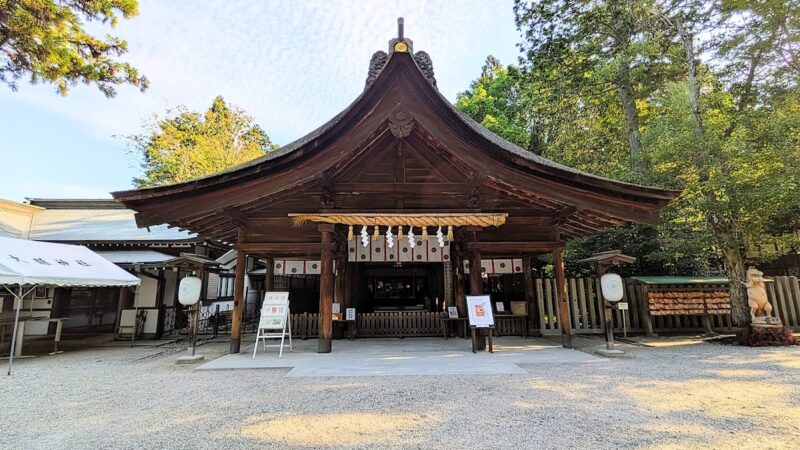
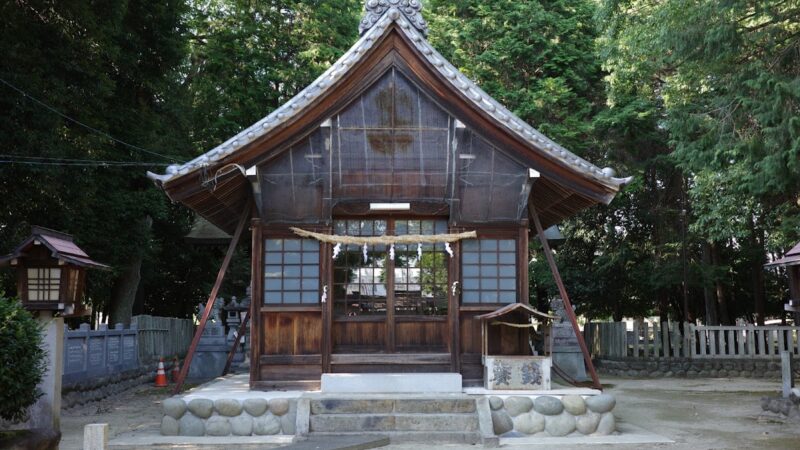
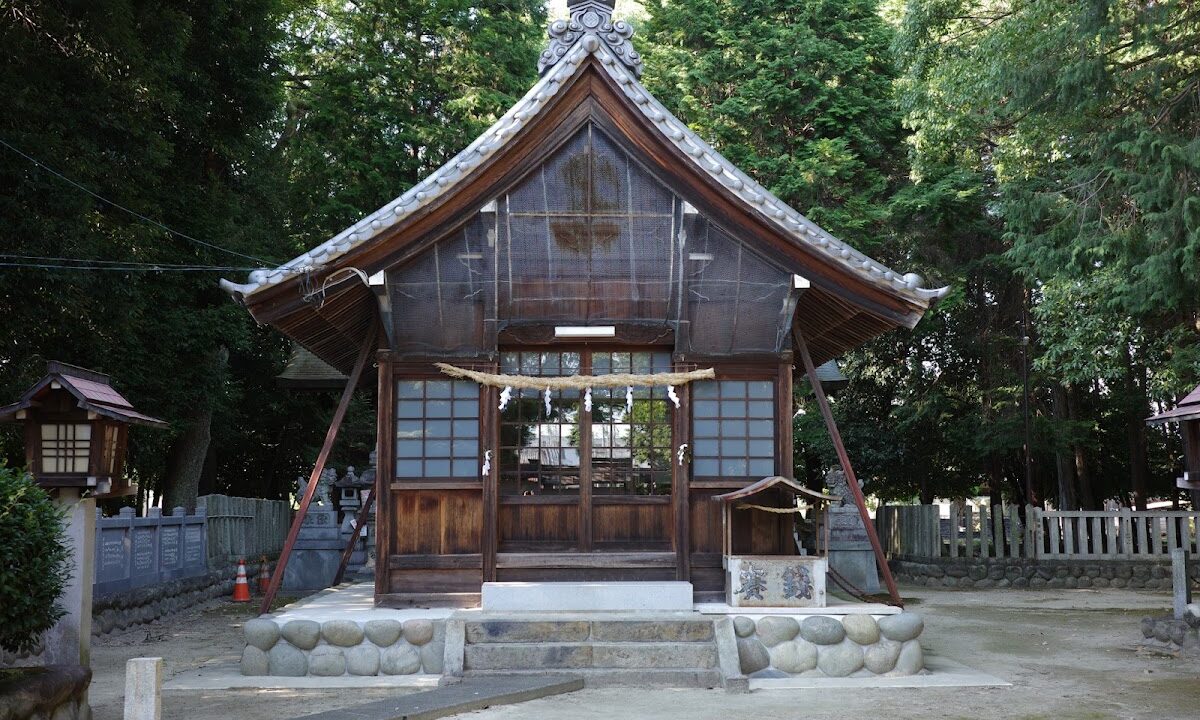
The main hall of Kosai Shrine is built in the traditional style of shrine architecture. In the worship hall, worshippers can offer prayers before the deity, allowing for a solemn and peaceful experience.
The architectural style and decorations reflect the local history and culture, showcasing the craftsmanship of artisans in every detail.
Subsidiary Shrines
Several subsidiary shrines (auxiliary shrines and subordinate shrines) are sometimes located around the main hall. These enshrine different deities and are believed to offer unique blessings.
Sacred Trees and Nature
The shrine grounds are home to sacred trees said to be hundreds of years old, and beautiful nature that changes with the seasons. In particular:
- Spring: Cherry blossoms and fresh greenery adorn the shrine grounds.
- Summer: A tranquil space enveloped in deep green.
- Autumn: Beautiful autumn leaves create a calm atmosphere.
- Winter: Worship in a crisp, serene atmosphere.
Water Basin and Komainu (Guardian Dogs)
The water basin, where one purifies oneself before worship, is an important place in the etiquette of worship. The guardian dogs protecting the shrine grounds have a dignified appearance that reflects the passage of time.
Annual Festivals and Events
Major Festivals
At Kosai Shrine, various festivals are held throughout the year:
Spring Grand Festival
The grand festival, held with the arrival of spring, prays for a bountiful harvest and peace in the community. Parishioners and local residents participate, and a celebratory feast (naorai) may be held after the Shinto rituals.
Summer Purification Ceremony (Nagoshi no Oharae)
Held at the end of June, the Summer Purification Ceremony (Nagoshi no Oharae) is a ritual to cleanse away the impurities accumulated over the past six months and pray for good health and protection from illness for the remaining half of the year. Rituals such as passing through a ring of reeds (Chino-wa Kuguri) may also be performed.
Autumn Grand Festival
The Autumn Grand Festival, a celebration of gratitude for the autumn harvest, is one of the most important festivals of the year. A portable shrine procession and offering ceremonies take place, enveloping the entire community in a festive atmosphere.
Year-End Purification Ceremony and First Shrine Visit of the Year
At the end of December, the Year-End Purification Ceremony (Tsukinami-sai) is held to cleanse away the impurities accumulated over the year. From New Year’s Day onwards, the shrine is bustling with worshippers visiting for the first shrine visit of the year, praying for happiness in the new year.
Monthly Festivals
Monthly festivals (Tsukinami-sai) are held on specific days each month, maintaining the connection between the shrine and the community through regular rituals.
Etiquette and Manners for Visiting a Shrine
Basic Etiquette for Visiting a Shrine
Here are the basic etiquette rules for visiting Kosai Shrine:
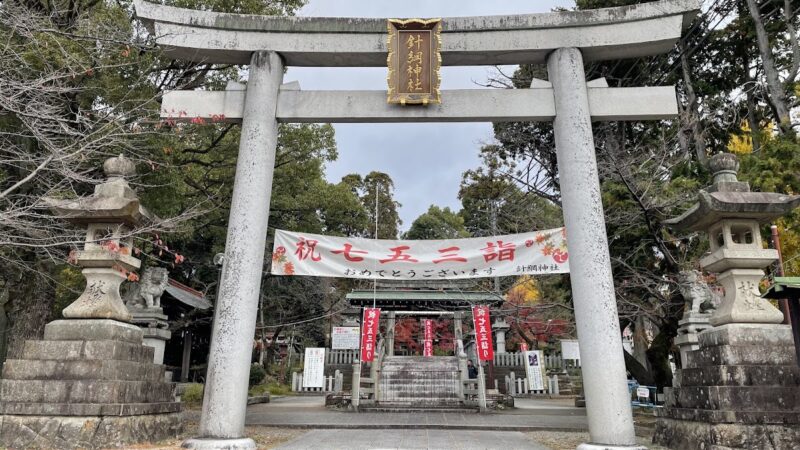
- Passing Through the Torii Gate: Bow before entering the shrine grounds.
- Purifying at the Water Basin:
- Hold the ladle in your right hand and purify your left hand.
- Switch the ladle to your left hand and purify your right hand.
- Hold the ladle in your right hand again, receive water in your left hand, and rinse your mouth.
- Finally, stand the ladle upright to purify the handle.
- Praying in Front of the Main Hall:
- Place your offering in the offering box.
- Ring the bell if there is one.
- Pray using the two bows, two claps, and one bow method.
- Leaving the Shrine Grounds: After passing through the torii gate, turn around and bow.
Attire and Items to Bring When Visiting a Shrine
No special formal attire is required, but clean clothing that reflects the sacred nature of the place is desirable. Even in summer, please avoid revealing clothing and strive for modest attire.
Photography Etiquette
Photography is generally permitted on the shrine grounds, but please refrain from taking photos inside the main hall or during Shinto rituals. Also, please be considerate of other visitors.
Goshuin (Shrine Seals) and Gifts
Goshuin (Shrine Seals)
At Kosai Shrine, you may be able to receive a goshuin as proof of your visit. Goshuin are given at the shrine office after your visit. You can bring your own goshuincho (seal book) or purchase one on-site.
When requesting a goshuin, it is considered good manners to do so after completing your prayers. Also, since a Shinto priest may not always be present, it is recommended to check in advance.
Amulets and Souvenirs
Kosai Shrine offers a variety of amulets and souvenirs:
- Exorcism Amulet: Protects you from misfortune
- Traffic Safety Amulet: Prayers for safe driving and safe travels
- Family Safety Amulet: Protects the health and happiness of your family
- Academic Success Amulet: Prays for academic improvement
- Business Prosperity Amulet: Prays for business success
It is customary to replace amulets with new ones approximately once a year, and return old amulets to the shrine to be burned.
Access Information
Location
Kosai Shrine is located in Aichi Prefecture. It is recommended to check the detailed address in advance.
Access by Public Transportation
Access from the nearest station:
- If using the train, you can access the shrine on foot or by bus from the nearest station.
- If using the bus, it is within walking distance from the nearest bus stop.
- Please check the transportation company’s website in advance for detailed routes and timetables.
Access by Car
If coming by private car:
- Access is possible from major roads.
- Enter the shrine name or address into your car’s navigation system.
- It is recommended to check in advance whether parking is available and how many spaces are available.
Parking Information
There may be parking spaces for visitors on the shrine grounds or nearby. However, on days when congestion is expected, such as during festivals, the use of public transportation is recommended.
Nearby Tourist Attractions
When visiting Kosai Shrine, you can make your experience more fulfilling by also visiting nearby tourist attractions.
Historical Buildings
Aichi Prefecture has many historical buildings and cultural properties. Visiting them along with Kosai Shrine will allow you to gain a deeper understanding of the region’s history.
Natural Spots
The surrounding area features parks and nature trails, allowing visitors to enjoy the beauty of nature throughout the seasons. The scenery is particularly stunning during the cherry blossom season in spring and the autumn foliage season.
Local Specialties
After visiting the shrine, we recommend enjoying local specialties and famous dishes. You can savor the unique flavors of Aichi Prefecture.
The Charm of Kosai Shrine and its Connection to the Community
The Center of the Community
Kosai Shrine is not merely a religious facility; it is an important place that strengthens the bonds of the local community. Through festivals and events, intergenerational exchanges are fostered, and the region’s traditional culture is passed down.
The Parishioner System and Maintenance
The maintenance of the shrine is supported by local residents called “parishioners.” The shrine is protected through the cooperation of many people, including cleaning activities and preparations for festivals.
Educational Value
For local children, Kosai Shrine is a valuable place to learn about traditional Japanese culture and etiquette. Cultural identity is nurtured through participation in festivals and worship.
Precautions When Visiting the Shrine
Visiting Hours
While the shrine grounds are generally open for free visits during the day, the reception hours at the shrine office may be limited. If you wish to receive a Goshuin (shrine stamp) or other items, please check the reception hours in advance.
Precautions During Festivals
During festivals, different regulations and crowds are expected. Please respect the events of the local residents and follow instructions.
Pet Policy
Regulations regarding bringing pets into shrine grounds vary by shrine. Please check in advance or follow the signs on the grounds.
Accessibility Information
If you wish to visit using a wheelchair or stroller, it is recommended to check the conditions of the grounds (presence of stairs, pavement condition, etc.) in advance.
Guidelines for Visiting Kosai Shrine
The Significance of Shrine Visits
Shrine visits are not merely for sightseeing or making wishes; they are places to express gratitude to nature, ancestors, and local history, and to purify the heart. Cherish this time to quietly reflect on yourself, away from the hustle and bustle of everyday life.
A Heart of Gratitude
When visiting a shrine, it’s important not only to make wishes, but also to have a heart of gratitude for daily peace and health. Prioritizing gratitude over requests will lead to a more fulfilling shrine visit.
Continuous Connection
Visiting regularly, rather than just once, deepens your connection with the shrine. You can find peace of mind while enjoying the changing scenery of the grounds with each season.
Summary
Kosai Shrine, located in Aichi Prefecture, is a historical and traditional shrine that has been carefully preserved as a center of faith for the local residents. The reverence for the enshrined deities, the annual festivals, and the deep ties with the local community are major attractions of this shrine.
When visiting, it is important to observe basic etiquette and manners and respect the sacred space. While you can receive goshuin (shrine stamps) and other items, the essence of shrine visits is, above all, to quietly pray and offer daily gratitude.
A visit to Kosai Shrine will allow you to experience traditional Japanese culture, find peace of mind, and feel the history and way of life of the local people. When you visit Aichi Prefecture, be sure to stop by Kosai Shrine and experience its charm firsthand.
As a shrine deeply rooted in the community, we hope it will continue to be cherished by many people and passed down to future generations.