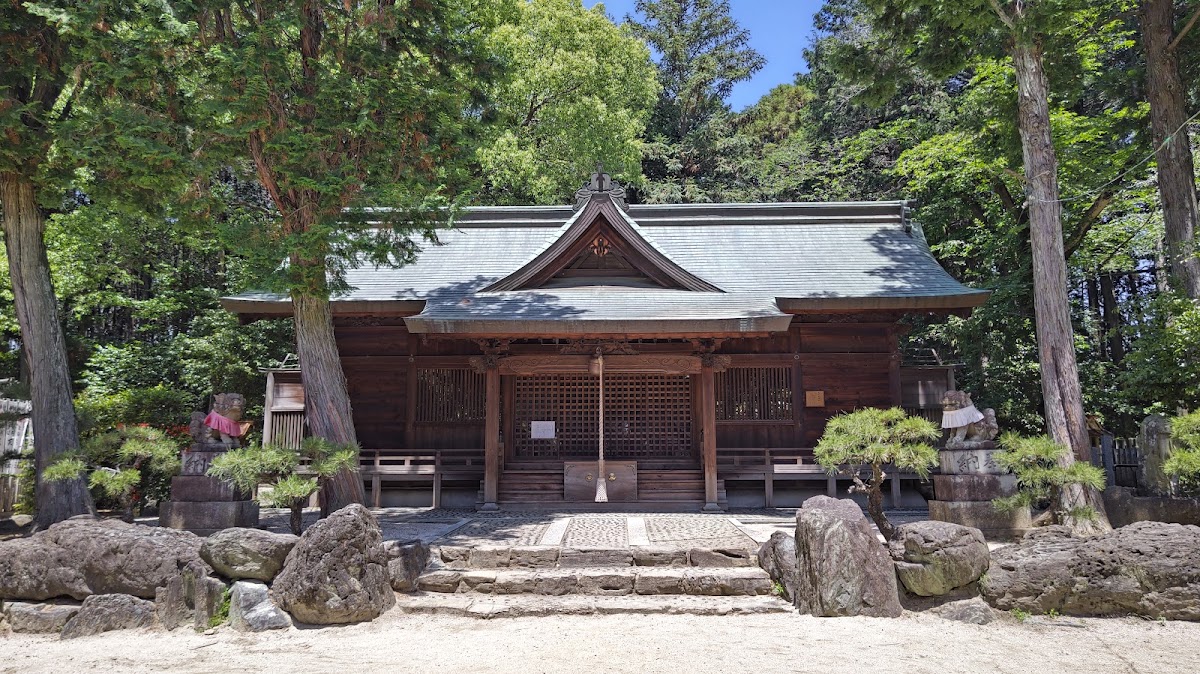
Ryoshagu Shrine (Kasugai City, Aichi Prefecture) Complete Guide | Goshuin (Shrine Seal), History, and Access Information
Ryoshagu Shrine, located in Kasugai City, Aichi Prefecture, is a historical shrine that enshrines two deities: Atsuta Shrine and Hachiman Shrine. During the Edo period, a deep connection to the Shikinaisha (a shrine listed in the Engishiki, an ancient Japanese legal code) Wanira Shrine was discovered, and it remains a beloved local shrine today. This article provides a detailed guide to Ryoshagu Shrine, including its history, enshrined deities, goshuin information, highlights of the grounds, and access methods.
Basic Information on Ryosha-gu Shrine
Location: 1 Miyacho, Miyacho, Kasugai City, Aichi Prefecture (Postal Code 486-0904)
Corporate Number: 2180005008201
Access:
- Approximately 7 minutes on foot (approx. 551m) from Meitetsu Komaki Line “Kasugai Station (Meitetsu)”
- Approximately 15 minutes on foot from JR Chuo Main Line “Kasugai Station”
Parking: Parking space available for visitors on the shrine grounds
Shrine Office Hours: Usually unattended; prior confirmation is necessary for those wishing to receive a Goshuin (shrine stamp)
Ryosha-gu Shrine is known as the only shrine in Japan with this unique name. Located in a residential area of Kasugai City, it is a precious shrine where visitors can pray in a quiet atmosphere.
History of Ryosha-gu Shrine
Founding and History
Ryosha-gu Shrine is said to have been founded in Keian 1 (1648). Originally, there were two separate shrines, Atsuta Shrine and Hachiman Shrine, but when they were enshrined together, the name “Ryosha” (meaning “two shrines”) was given.
The shrine attracted the faith of the local people and had already established a firm position during the Edo period, as can be seen from the stone lantern remaining on the grounds, dating back to Enkyo 1 (1744). This lantern still exists next to the main hall and is a valuable cultural asset that conveys the long history of the shrine.
Relationship with the Shikinaisha Wanira Shrine
A noteworthy point in the history of Ryosha-gu Shrine is an important discovery that occurred at the end of the Edo period. A shrine dedicated to the Shikinaisha Wanira Shrine was discovered within the forest on the shrine grounds.
Shikinaisha are historically significant shrines listed in the Engishiki Jinmyocho, compiled during the Heian period, and Wanira Shrine has long been known as a Shikinaisha in Kasugai District. This discovery revealed that Ryosha-gu Shrine is the successor to Wanira Shrine.
Following this discovery, in 1866 (Keio 2) the shrine was granted the name “Shikinai Wanira Shrine Ryosha-gu“. However, during the Meiji era’s reform of the shrine system, the “Shikinai Wanira Shrine” part was removed, resulting in the current name “Ryosha-gu Shrine”.
Due to this historical background, Ryosha-gu Shrine is positioned not merely as a local shrine, but as a prestigious shrine tracing its lineage back to ancient Shikinaisha shrines.
About the Deities Enshrined
Ryosha-gu Shrine enshrines the deities of both Atsuta Shrine and Hachiman Shrine.
Main Deity
Hon-da-wake-no-mikoto: The deity enshrined at Hachiman Shrine, also known as Emperor Ojin, the 15th emperor. Widely worshipped as the god of military fortune and victory.
Yamato Takeru no Mikoto: The enshrined deity of Atsuta Shrine. A representative heroic deity in Japanese mythology, revered as the god of martial prowess and pioneering.
Enshrined Deities
In addition to these main deities, it is believed that deities related to Atsuta-no-Okami are also enshrined. Due to its nature as a “Ryosha” (two shrines merged), it is characterized by the enshrinement of multiple deities.
It is believed to bring good fortune in battle, victory, and general good luck, attracting worshippers not only from the local area but also from far away.
Highlights of the Shrine Grounds
Banpei (Banpei Wall)
The most distinctive structure within the grounds of Ryosha-gu Shrine is the Banpei. A Banpei is a screen wall erected in front of the shrine building, a style of shrine architecture unique to the Owari region.
As you proceed along the approach to the shrine, a magnificent Banpei stands before the main hall. This Banpei is believed to protect the sacred area and maintain the privacy of the deities. Shrines with a banpei (a type of protective wall) are rare even within Aichi Prefecture, making it an important cultural feature of Ryosha-gu Shrine.
However, due to the adjacent elementary school, parts of the banpei are now protected by wire mesh. This is a measure to ensure the safety of the children, but the beauty of the banpei can still be fully appreciated.
Frog Water Basin
Another unique feature of Ryosha-gu Shrine is its frog water basin. While many shrines typically have water basins with water flowing from the mouth of a dragon, at Ryosha-gu Shrine, clear water flows from the mouth of a frog.
This unusual design attracts the attention of visitors and is a popular photo spot. Frogs are also known as lucky charms, symbolizing “safe return” and “return of money,” and are beloved by visitors.
Lantern from Enkyo 1st Year
Next to the main hall, there is a stone lantern bearing the inscription Enkyo 1st Year (1744). This stone lantern, dedicated approximately 280 years ago during the mid-Edo period, is a valuable cultural asset that tells the story of the shrine’s long history.
The weathered texture of the stone and the carefully carved characters convey the depth of faith of the people of that time.
Main Hall and Worship Hall
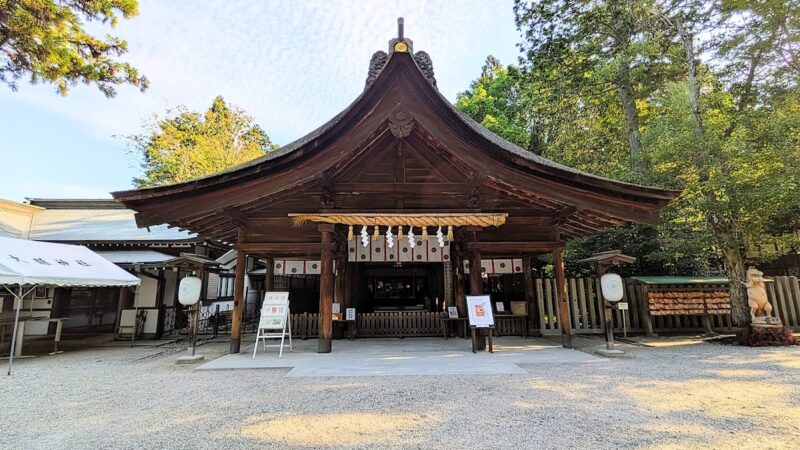
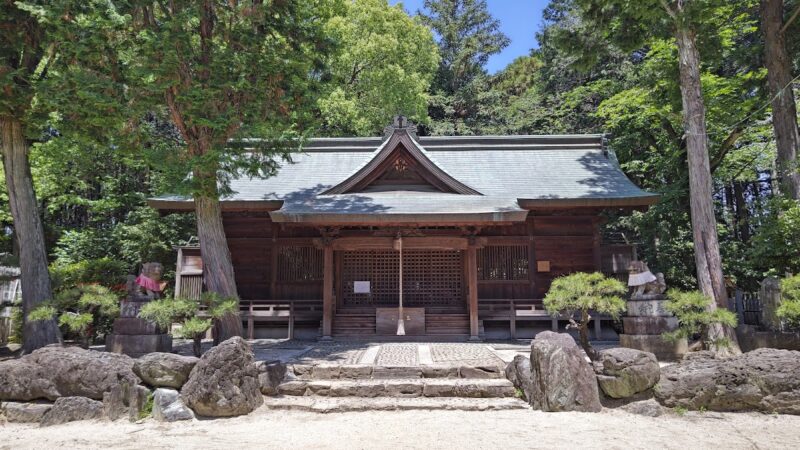
The main hall is built in the traditional shrine architectural style, exuding a sense of dignity amidst its tranquil atmosphere. The worship hall also has a warm and welcoming atmosphere for visitors, possessing the approachable nature of a shrine deeply rooted in the community.
The shrine grounds are meticulously clean, demonstrating that they are carefully maintained by the local people.
Goshuin (Shrine Seal) and Goshuincho (Shrine Seal Book) Information
About Goshuin
Goshuin are available at Ryosha-gu Shrine, but since there is often no resident priest, those wishing to receive a goshuin should check in advance.
Some information websites state that electronic goshuin are available, but it is recommended to check directly for the latest information.
The goshuin (temple/shrine stamp) features the calligraphy and red seal of “Ryosha-gu Shrine,” resulting in a simple yet dignified finish. Due to its connection to the Shikinaisha (a shrine listed in the Engishiki, an ancient Japanese legal text), it is a historically valuable goshuin that attracts attention from goshuin collectors.
Goshuincho (Goshuin Notebook)
Information regarding Ryosha-gu Shrine’s original goshuincho is limited. It is recommended to check the handling of goshuincho before visiting.
When visiting shrines in Aichi Prefecture, it is convenient to have a goshuincho that covers shrines in Kasugai City and the Owari region.
Annual Events and Festivals
Chino-wa Kuguri (Passing Through a Chino-wa)
At Ryosha-gu Shrine, the Chino-wa Kuguri (passing through a Chino-wa) ritual is performed during the Nagoshi-no-harae (summer purification ceremony). The Chino-wa is a large ring woven from the plant *kaya* (reed), and passing through it is a Shinto ritual to purify oneself of the impurities accumulated over the past six months and pray for good health and protection from illness for the remaining half of the year.
Typically, it is set up from the end of June to the beginning of July, attracting many worshippers.
Other Festivals
As a shrine deeply rooted in the Kasugai City community, various festivals are held throughout the year, including the New Year’s Day visit and the spring and autumn grand festivals. It has strong ties with the local community, and many locals visit during festivals.
We recommend checking the specific dates of festivals in advance.
Access and Parking Information
Access by Train
If using the Meitetsu Komaki Line:
- Get off at “Kasugai Station (Meitetsu)” and walk for approximately 7 minutes (approx. 551m).
- Exit the station and head southwest. The shrine will arrive after passing through the residential area.
If using the JR Chuo Main Line:
- Get off at “Kasugai Station” and walk for approximately 15 minutes.
- The route via Meitetsu Kasugai Station is the easiest to follow.
Access by Bus
While local buses within Kasugai City are available, walking from Meitetsu Kasugai Station is the most convenient. Please check the latest bus route information on the Kasugai City website, etc.
Access by Car
Access from Major Roads:
- From National Route 19 towards Kasugai city center
- Use Prefectural Road Nagoya-Kasugai Line
Car Navigation Settings:
- Address: 1 Miyacho, Miyacho, Kasugai City, Aichi Prefecture
- Searching by phone number is also possible (prior confirmation required)
Parking:
There is parking space for visitors on the shrine grounds, but the number is limited. On days when crowds are expected, such as during festivals, we recommend using public transportation.
Landmarks in the Surrounding Area
There is an elementary school next to the shrine, and it is located in a residential area. It is close to the center of Kasugai City, and there are shopping streets and restaurants nearby.
Nearby Shrines and Temples
When visiting Ryoshamiya Shrine, we recommend also visiting other shrines and temples in Kasugai City and the surrounding area.
Major Shrines in Kasugai City
Utsutsu Shrine: One of Kasugai City’s representative shrines, also known as a famous spot for autumn foliage.
Mitsuzoin Temple: An ancient temple in Kasugai City, known for its beautiful nature throughout the seasons.
Ajimi Futagoyama Tumulus: Not a shrine, but an important historical site for understanding the history of Kasugai City.
Shrines in Nearby Areas
There are many shrines in Komaki City and northern Nagoya City, which can be combined into a pilgrimage route for collecting Goshuin (shrine stamps).
The Charm and Points to Note When Visiting Ryosha-gu Shrine
Historical Value
Ryosha-gu Shrine, with its connection to the Shikinaisha (a shrine listed in the Engishiki) Wanira Shrine, possesses historical value that transcends that of a mere local shrine. The fact that it traces its lineage back to a venerable shrine listed in the Heian period’s “Engishiki Jinmyocho” (a list of shrines compiled in the Heian period) is a major attraction for shrine enthusiasts and history buffs.
Architectural and Cultural Value
The shrine boasts numerous attractions, including the unique Owari region’s traditional fence (banpei), a rare frog-shaped water basin (temizuya), and Edo-period lanterns. The banpei, in particular, is a rare architectural style found only at a limited number of shrines in Aichi Prefecture, making it a must-see for anyone interested in architecture and cultural heritage.
Warmth of Community Engagement
Ryosha-gu Shrine, cherished by the local community, warmly welcomes visitors. Its charm lies in its quiet and peaceful atmosphere, unlike large-scale tourist shrines, allowing for a leisurely visit.
Etiquette for Visiting the Shrine
- Bow when passing through the torii gate
- Walk along the edge of the path, as the center is the path for the gods
- Cleanse your hands and mouth at the water basin (the same procedure applies at the frog-shaped water basin)
- Bow twice, clap twice, and bow once before the main hall
- Be quiet on the shrine grounds and take your trash with you
Please be considerate of the adjacent elementary school and visit the shrine quietly.
Regarding Photography
Photography is permitted at Ryosha-gu Shrine, but please note the following:
- Refrain from taking photos inside the main hall.
- Be considerate of other worshippers.
- Be careful not to include children from the adjacent elementary school in your photos.
- When posting on social media, be mindful of location information.
The fence and the frog-shaped water basin are particularly photogenic spots, but remember that worship is the primary purpose.
Summary
Ryosha-gu Shrine in Kasugai City, Aichi Prefecture, is a historical shrine tracing its lineage back to the Shikinaisha (a shrine listed in the Engishiki) Wanira Shrine. It boasts a unique origin as a “Ryosha” (two shrines) combining Atsuta Shrine and Hachiman Shrine, a fence characteristic of the Owari region, and a rare frog-shaped water basin, offering plenty to see.
Its convenient location, just a 7-minute walk from Meitetsu Kasugai Station, is another attractive feature, making it a must-visit shrine when visiting Kasugai City. Those wishing to receive a Goshuin (shrine stamp) should confirm availability beforehand.
Why not visit Ryoshagu Shrine, nestled in a quiet residential area, and reflect on its history in a peaceful atmosphere?
Frequently Asked Questions (FAQ)
Q1. How do you pronounce Ryoshagu Shrine?
A. It is pronounced “Ryoshagu Jinja.” The name “Ryosha” (meaning “two shrines”) comes from the fact that it enshrines two shrines: Atsuta Shrine and Hachiman Shrine.
Q2. Can I get a Goshuin (shrine stamp)?
A. Goshuin are available, but there may not always be a resident priest. If you wish to receive a Goshuin, we recommend checking in advance. There is also information suggesting that electronic Goshuin are available, but please check directly for the latest information.
Q3. Is there parking?
A. There is parking space for visitors on the shrine grounds, but the number of spaces is limited. On days when crowds are expected, such as during festivals, we recommend accessing the shrine on foot from Meitetsu Kasugai Station.
Q4. What is the relationship between this shrine and the Shikinaisha (shrine listed in the Engishiki) Wanira Shrine?
A. In the late Edo period, a shrine dedicated to the Shikinaisha Wanira Shrine was discovered in the forest within the grounds of Ryosha-gu Shrine. This revealed that Ryosha-gu Shrine was the successor to Wanira Shrine, and in 1866 (Keio 2), the shrine was granted the name “Shikinaisha Wanira Shrine Ryosha-gu.” During the Meiji era, the “Shikinaisha Wanira Shrine” part was removed, resulting in the current shrine name.
Q5. Is the frog-shaped water basin unusual?
A. Yes, it is very unusual. While many shrines have water basins with water flowing from a dragon’s mouth, at Ryosha-gu Shrine, clear water flows from a frog’s mouth. Frogs are also known as lucky charms, symbolizing “safe return” and “return of money,” making this a popular spot for visitors.
Q6. When are the festivals held?
A. The summer purification ritual (Natsukoshi no Harae) is held from the end of June to the beginning of July, featuring the Chino-wa Kuguri (passing through a ring of reeds). In addition, various festivals are held throughout the year, including the New Year’s Day visit and the spring and autumn grand festivals. It is recommended to check the specific dates in advance.
Q7. How long does it take to visit the shrine?
A. Even if you take your time looking around the grounds, it takes about 20-30 minutes. If you want to carefully observe the fence, the frog-shaped water basin, and the Edo-period lanterns, it’s best to allow a little more time.
Q8. Are there any other shrines in Kasugai City that you would recommend?
A. Uchiuchi Shrine (famous for its autumn foliage) and Mitsuzoin Temple (an ancient temple in Kasugai City) are recommended. If you are collecting Goshuin (shrine stamps), it would be good to combine your visit with these other shrines and temples.