Complete Guide to Okusa Hachimangu Shrine (Komaki City, Aichi Prefecture) | Thorough Explanation of History, Deities, Access, and Cultural Properties
Okusa Hachimangu Shrine, located in the Okusa district of Komaki City, Aichi Prefecture, is a historic shrine that preserves the history and culture of the region. This article provides a detailed explanation of everything visitors should know, from the historical background, enshrined deities, highlights of the grounds, cultural properties, festivals, and access methods.
About Okusa Hachimangu Shrine
Okusa Hachimangu Shrine is a Hachimangu shrine located at 2784 Okusa, Komaki City, Aichi Prefecture. It is a shrine dedicated to Hachiman-sama and has been revered by local residents for many years. Currently, as the religious corporation Okusa Hachimangu Shrine, it plays a role as a spiritual pillar of the community.
About Hachimangu Shrines
Hachimangu shrines are a general term for shrines that enshrine Hachiman-sama (Emperor Ojin). The Usa Shrine in Usa City, Oita Prefecture, is the head shrine, and it is said that there are approximately 44,000 Hachiman shrines throughout Japan. Also known as Hachiman Shrine, Hachiman-sha, or Hachiman-sama, the worship spread throughout Kyushu before the Nara period and became popular nationwide from the medieval period onward. Primarily revered as the guardian deity of samurai families, the divine crest is often a left-facing triple tomoe.
Deity and Divine Virtues
The deity enshrined at Okusa Hachiman Shrine is Emperor Ōjin, also known as Hachiman-sama. Emperor Ōjin is considered the 15th emperor and has been worshipped since ancient times as a god of military fortune and victory.
Divine Virtues
The divine virtues of Hachiman are diverse:
- Long-lasting military fortune and improved luck: Due to its history as the guardian deity of samurai families, one can pray for success in competitions and contests.
- Protection from evil and disaster: It wards off evil spirits and protects against disaster.
- Family safety and prosperity: One can pray for the safety of their family and the prosperity of their home.
- Business success: It is worshipped by those who wish for business development and prosperity.
- Prosperity of descendants and safe childbirth: It is believed to grant blessings for fertility and safe childbirth.
History of Okusa Hachiman Shrine
While there are no clear records regarding the founding date of Okusa Hachiman Shrine, it is a shrine that has walked hand in hand with the history of the Okusa area. The place name “Okusa” and the shrine name “Okusa” have the same pronunciation, suggesting a deep connection to this region.
Development Since the Modern Era
After the Meiji era, shrines were placed under state control. However, with the enactment of the Religious Corporations Law after World War II, the shrine was renamed “Religious Corporation Okusa Hachimangu” in the latter half of the 20th century, gaining independence from state control. This reform allowed the shrine to become an independent religious corporation rooted in the local community, a status it maintains to this day.
Connection with the Community
Okusa Hachimangu has served as the tutelary shrine of the Okusa district, becoming the center of faith for local residents. It plays an important role as a venue for local festivals and annual events, and as a place for community interaction.
Highlights of the Shrine Grounds
The grounds of Okusa Hachimangu harmoniously blend historical buildings with natural surroundings.
Main Hall and Worship Hall
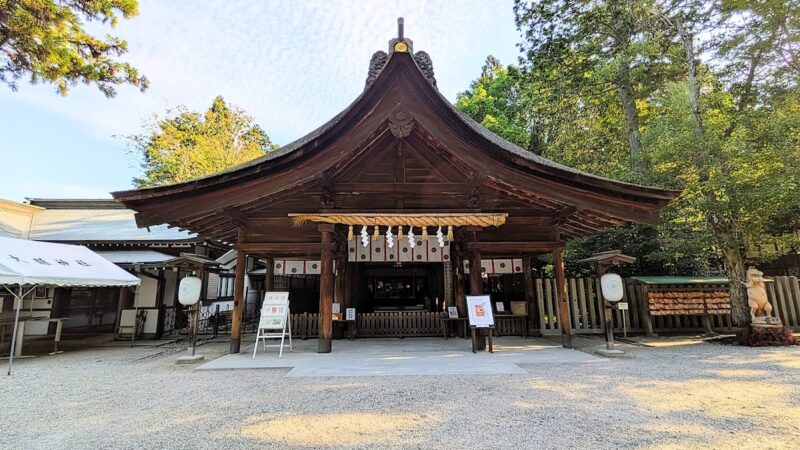
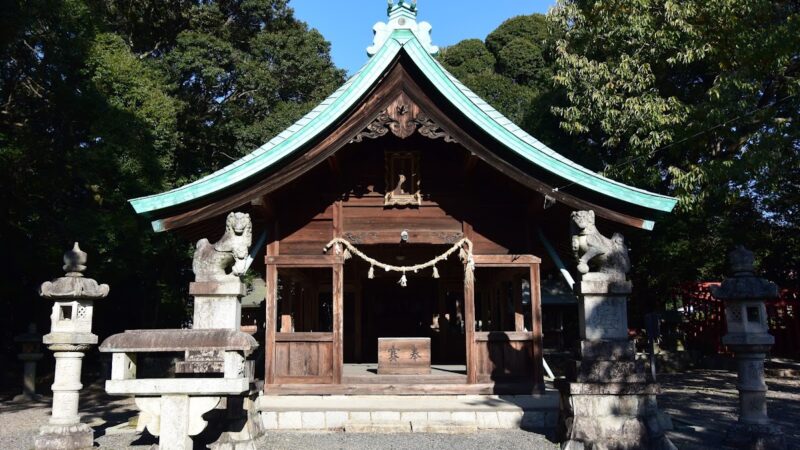
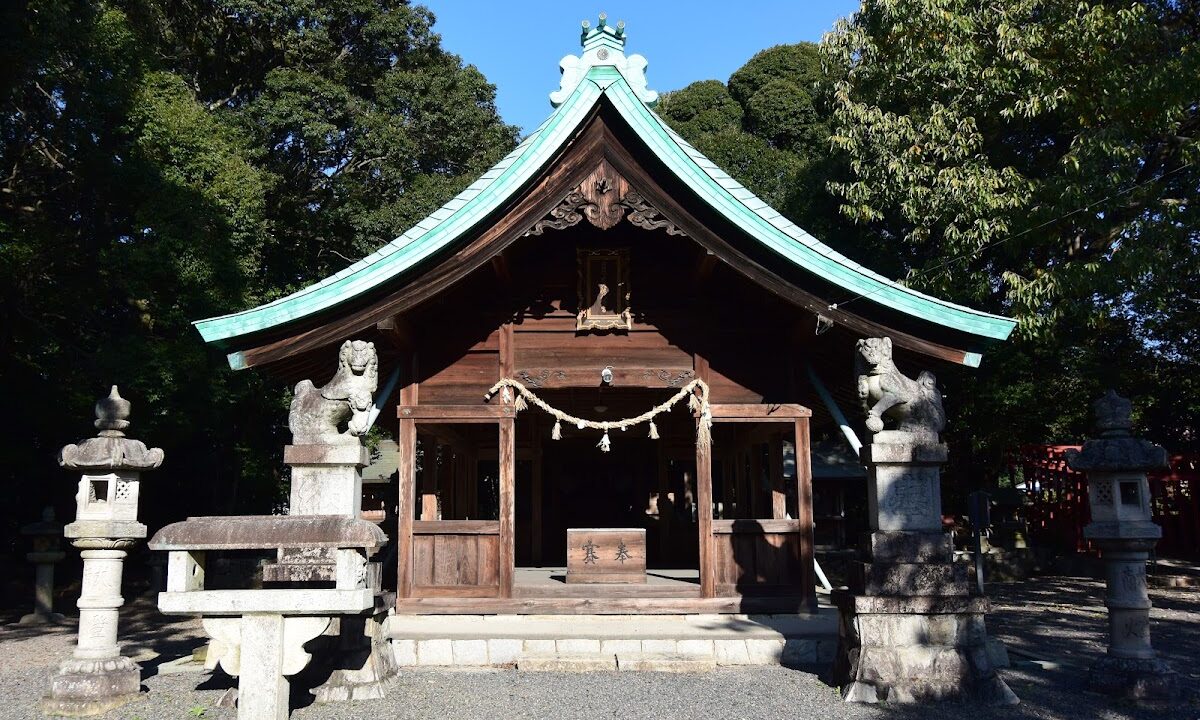
The main hall and worship hall, the heart of the shrine, preserve the traditional style of shrine architecture. Worshippers first perform the ritual of two bows, two claps, and one bow at the worship hall.
Shrine Precincts
Besides the main shrine, several smaller shrines are enshrined within the grounds, each dedicated to a different deity. These shrines are also objects of local worship.
Shrine Grove
The trees surrounding the shrine are called a shrine grove and play a role in maintaining the sanctity of the sacred area. The sight of ancient and giant trees tells the story of the shrine’s long history.
Designated Cultural Properties
Okusa Hachimangu Shrine possesses several valuable cultural properties designated by Komaki City.
Thirty-Six Immortal Poets Picture Scrolls and Votive Plaques (Tangible Folk Cultural Property)
The Thirty-Six Immortal Poets Picture Scrolls and Votive Plaques, designated as Komaki City’s Tangible Folk Cultural Property on April 1, 2002, are important historical materials demonstrating the historical value of Okusa Hachimangu Shrine.
The Thirty-Six Immortal Poets Picture Scrolls are picture scrolls depicting 36 outstanding poets of the Heian period, and are valuable historical materials that convey the painting techniques and culture of the Edo period. Each poet’s portrait and representative waka poem are inscribed, demonstrating the high level of cultural sophistication of the time.
Votive slips are slips dedicated to the shrine by parishioners and worshippers, and are valuable folk artifacts for understanding the state of faith and the local community at the time. They bear the names and wishes of the donors, making them important resources for local history research.
Okusa Bo-no-te (Intangible Folk Cultural Property)
Designated as an Intangible Folk Cultural Property of Komaki City on February 17, 1983, “Okusa Bo-no-te” is a traditional performing art dedicated at the festival of Okusa Hachimangu Shrine.
Bo-no-te is a folk performing art based on martial arts passed down in Aichi and southern Gifu prefectures, involving performances using sticks, swords, and spears dedicated to the shrine. In rural areas, it has been passed down as a Shinto ritual praying for a bountiful harvest and protection from evil.
The Okusa Bo-no-te (Great Grass Stick Technique) has been passed down through generations of young people in the region, and is showcased at festivals after rigorous training. The magnificent performance captivates spectators and plays an important role in the preservation of the region’s traditional culture.
Annual Events and Festivals
Okusa Hachimangu Shrine holds various festivals and events throughout the year.
Grand Festival
The Grand Festival, held in autumn, is the most important festival at Okusa Hachimangu Shrine. Parishioners and local residents gather for a portable shrine procession and dedication performances. The Okusa Bo-no-te dedication performance, in particular, is a highlight of the festival and attracts many spectators.
New Year’s Visit
Many worshippers visit the shrine for the New Year’s visit, praying for safety and prosperity throughout the year. The shrine grounds are bustling with worshippers from New Year’s Day through the third day.
Other Annual Events
- New Year’s Day Festival (January 1st): A festival celebrating the New Year
- Setsubun Festival (February): A ritual for warding off evil spirits through bean-throwing
- Spring Festival: A festival celebrating the arrival of spring
- Summer Purification Ceremony (end of June): A Shinto ritual to purify oneself of sins and impurities accumulated over the past six months
- Shichi-Go-San Festival (November): A visit to celebrate the growth of children
- Great Purification Ceremony (end of December): A Shinto ritual to purify oneself of sins and impurities accumulated over the past year
These events are well-established annual events in the community, and local residents gather at the shrine at each seasonal turning point.
About Goshuin (Shrine Seals)
In recent years, with the growing popularity of shrine visits, the number of visitors obtaining Goshuin has increased. Goshuin are also available at Okusa Hachimangu Shrine, and electronic Goshuin are also available.
Obtaining Electronic Goshuin
You can obtain an electronic goshuin (temple/shrine stamp) from Okusa Hachimangu Shrine through platforms such as Yaoyorozu no Kami (Eight Million Gods). Several visitors have already obtained electronic goshuin, and it is gaining attention as a modern way to record one’s pilgrimage.
The Meaning of Goshuin
A goshuin is a seal given as proof of visiting a shrine or temple. It’s not simply a stamp rally; it’s a way to forge a connection with the shrine and to cherish it as a record of your visit. The correct etiquette for obtaining a goshuin is to complete your prayers first before going to the shrine office.
Access Information
We will guide you on how to access Okusa Hachimangu Shrine.
Location
Address: 2784 Okusa, Komaki City, Aichi Prefecture 485-0802
Access by Train and Bus
Nearest Station:
- Approximately 4.5km from Meitetsu Komaki Line “Komaki Station”
- Approximately 4km from Meitetsu Komaki Line “Komakiguchi Station”
Since it is a distance from the station, using a bus or taxi is convenient.
Access by Bus:
You can access the shrine on foot from the nearest bus stop using the Komaki City Community Bus “Komaki Loop Bus”. Please check the latest information on bus timetables and routes on the Komaki City official website.
Access by Car
Access from Major Roads:
- Approximately 10 minutes from Nagoya Expressway “Komaki Minami IC”
- Approximately 15 minutes from Tomei Expressway “Komaki IC”
Parking:
There is parking space for visitors on the shrine grounds or in the surrounding area. On days when congestion is expected, such as during festivals, early arrival is recommended.
Searching with Car Navigation/Map Apps
You can get directions by searching for “Okusa Hachimangu Shrine” or the address “2784 Okusa, Komaki City, Aichi Prefecture” in a map app such as Google Maps.
Etiquette and Manners for Visiting a Shrine
We will introduce basic etiquette and manners for visiting a shrine.
How to Pass Through the Torii Gate
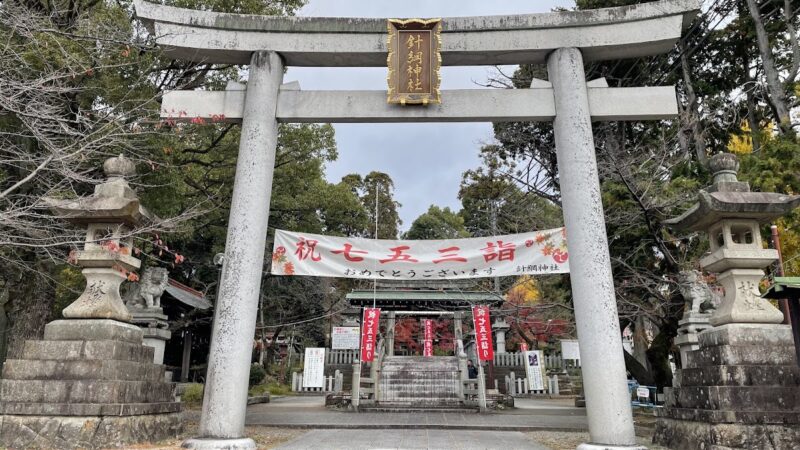
The torii gate is the boundary separating the sacred area from the secular world. Before passing through the torii gate, bow to prepare yourself to enter the sacred area. Since the center of the approach to the shrine is considered the path of the gods, it is considered desirable to walk along the sides.
Proper Ritual for Washing Hands
- Take the ladle with your right hand and wash your left hand.
- Switch the ladle to your left hand and wash your right hand.
- Switch the ladle back to your right hand, receive water in your left hand, and rinse your mouth (do not put your mouth directly on the ladle).
- Wash your left hand again.
- Hold the ladle upright, let water flow over the handle, and return it to its original position.
Proper Ritual for Worshiping at the Main Hall
Two bows, two claps, one bow is the basic ritual:
- Place your offering in the offering box.
- Ring the bell (if there is one).
- Bow deeply twice.
- Clap your hands twice at chest height.
- Pray with your hands clasped together.
- Finally, bow deeply once.
Attire for Worship
There are no specific dress code requirements, but it is desirable to wear clothing that reflects the sacred nature of the place. Formal attire is recommended when attending festivals or special prayers.
Nearby Attractions
Around Okusa Hachimangu Shrine, there are numerous spots where you can experience the history and culture of Komaki City.
Komakiyama Castle (Komakiyama)
Komakiyama Castle, known as the first castle built by Oda Nobunaga, is a symbolic landmark of Komaki City. It is now maintained as Komakiyama Castle Historical Park, and a historical museum is also located there.
Komaki City History Museum
This facility allows you to learn about the history of Komaki City, including the Battle of Komaki-Nagakute. Recommended for those interested in local history.
Other Shrines and Temples
There are many other historical shrines and temples within Komaki City. Those who enjoy visiting shrines and temples may want to plan a visit to several.
The Charm of Okusa Hachimangu Shrine
The charm of Okusa Hachimangu Shrine lies in its historical value and the faith deeply rooted in the local community.
Preservation of Local Culture
The preservation of the intangible folk cultural asset, Okusa Bo no Te (Okusa Stick Dance), and its transmission of tradition to the local youth is particularly noteworthy. While the preservation of traditional performing arts is a nationwide challenge, Okusa Hachimangu Shrine is actively engaged in this preservation effort.
Valuable Cultural Assets
Tangible folk cultural assets such as the Thirty-Six Immortal Poets Picture Scrolls and Votive Plaques are valuable materials that convey the culture of the Edo period and the local beliefs. Preserving and exhibiting these cultural assets contributes to local history education.
Tranquil Atmosphere
Despite the increasing urbanization of Komaki City, the grounds of Okusa Hachimangu Shrine maintain a tranquil atmosphere. This space, away from the hustle and bustle of everyday life, provides a valuable place of healing for modern people, allowing them to pray in peace.
Precautions When Visiting
Here are some precautions to take when visiting Okusa Hachimangu Shrine.
Visiting Hours
While the shrine grounds are generally open for worship during the day, please refrain from visiting early in the morning or late at night, and be considerate of nearby residents. If you wish to receive a Goshuin (shrine stamp) or prayers, it is recommended to check the shrine office’s opening hours in advance.
Photography
Photography is generally permitted on the shrine grounds, but there may be restrictions on photographing the interior of the main hall or cultural artifacts. Please check before taking photos, or refrain from taking photos in areas where photography is prohibited.
Pets
Some shrines may have restrictions on bringing pets. If you wish to bring a pet, it is recommended to check in advance.
Crowds During Festivals
Crowds are expected during the annual festival and New Year’s visits. It is recommended to visit with plenty of time to spare.
About Komaki City and the Okusa District
A brief introduction to Komaki City and the Okusa district where Okusa Hachimangu Shrine is located.
Overview of Komaki City
Komaki City is a city with a population of approximately 150,000 located in the northwestern part of Aichi Prefecture. It is a historically significant area, having been the site of the Battle of Komaki-Nagakute during the Sengoku period when Oda Nobunaga built Komakiyama Castle. Currently, it has developed as a commuter town for Nagoya City and is also a thriving industrial city.
Characteristics of the Okusa District
The Okusa district is located in the eastern part of Komaki City and is a relatively natural area. Agriculture is also practiced, creating a peaceful environment where rural landscapes and residential areas coexist. Okusa Hachimangu Shrine has long been cherished by local residents as the spiritual center of this area.
Summary
Okusa Hachimangu Shrine is a historical Hachimangu shrine located in the Okusa district of Komaki City, Aichi Prefecture. It enshrines Emperor Ojin and is believed to bestow blessings such as military success, protection from evil, and family safety.
The shrine possesses the Thirty-Six Immortal Poets Picture Scrolls and Votive Plaques, designated cultural properties of Komaki City, as well as the intangible folk cultural property of Okusa Bo-no-te (Okusa Stick Fighting), preserving the region’s history and culture to this day. Various festivals and events are held throughout the year, playing a vital role as a center of faith for the local residents.
The tranquil grounds offer a precious space to escape the hustle and bustle of everyday life and find peace of mind. When visiting Komaki City, we highly recommend visiting Okusa Hachimangu Shrine and experiencing the region’s history and culture.
While it’s a bit of a distance from the Meitetsu Komaki Line station, it’s easily accessible by car. During festivals, you can witness traditional Bo-no-te demonstrations, offering a valuable opportunity to experience local culture.
When visiting, please observe proper etiquette and manners, and be mindful that it is a sacred place. If you wish to obtain a Goshuin (shrine stamp) or view the cultural properties, we recommend checking the shrine office’s opening hours in advance.
Okusa Hachimangu Shrine is a shrine of great significance in modern times, as it embodies deeply rooted local faith and the preservation of traditional culture. It is a shrine well worth visiting for history enthusiasts, those who enjoy visiting shrines, and those interested in local culture.