Complete Guide to Sansha Daimyojin Shrine (Seto City, Aichi Prefecture) | History, Deities, Access, and Visiting Information
Sansha Daimyojin Shrine, located in Nakamizuno-cho, Seto City, Aichi Prefecture, is a shrine that has long been revered as the local guardian deity. Despite its convenient location within walking distance of Nakamizuno Station, it maintains a quiet environment for worship, making it popular not only with locals but also with visitors to Seto City. This article provides detailed information useful for visiting Sansha Daimyojin Shrine, including its history, enshrined deities, highlights within the grounds, and access methods.
Basic Information on Sansha Daimyojin Shrine
Sansha Daimyojin Shrine is located at 1-579 Nakamizuno-cho, Seto City, Aichi Prefecture, and its corporate number is 3180005008885. Its convenient location, approximately a 10-minute walk from Nakamizuno Station on the Meitetsu Seto Line, makes it a central place of worship for local residents.
Location and Access Information
Address: 1-579 Nakamizuno-cho, Seto City, Aichi Prefecture
Nearest Station: Nakamizuno Station, Meitetsu Seto Line
The shrine is located in the Nakamizuno district of Seto City, in a tranquil environment where residential areas and nature harmonize. Seto City is a historic town known as a center for ceramics production, and Sansha Daimyojin Shrine is an important presence that conveys the culture and history of this region to the present day.
History and Origins of Sansha Daimyojin Shrine
The founding of Sansha Daimyojin Shrine has a deep connection with Owarido Shrine. Owarido Shrine is an ancient shrine representative of Seto City, but it was far from the Nakamizuno district, making it inconvenient to visit. Therefore, it is said that Sansha Daimyojin Shrine was built in this location to facilitate worship for local residents.
Changes during the Meiji Period
In 1872 (Meiji 5), Sansha Daimyojin Shrine was ranked as a village shrine. This was a consequence of the introduction of the modern shrine ranking system, signifying the official recognition of the importance of shrines in the region.
Furthermore, in 1910 (Meiji 43), Takakura Shrine and Yama Shrine were merged into Sansha Daimyojin Shrine as subsidiary shrines. This merger was part of the Meiji government’s shrine consolidation policy, aiming to streamline the maintenance and management of shrines by integrating smaller shrines. This merger strengthened Sansha Daimyojin Shrine’s character as a comprehensive shrine encompassing multiple faiths.
Modern Sansha Daimyojin Shrine
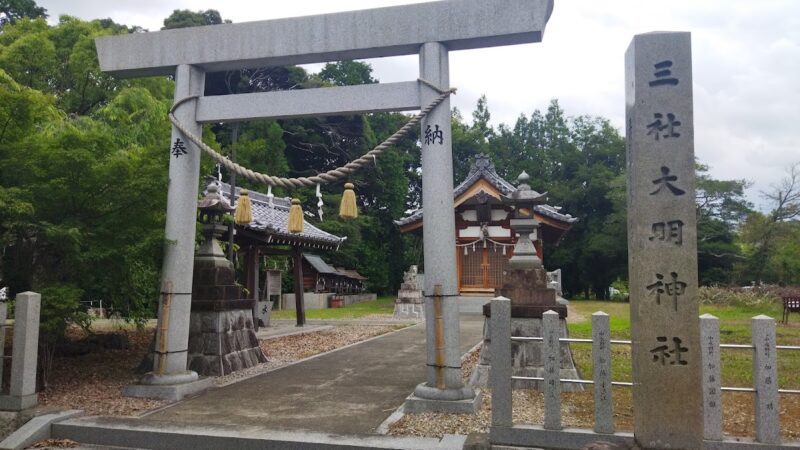
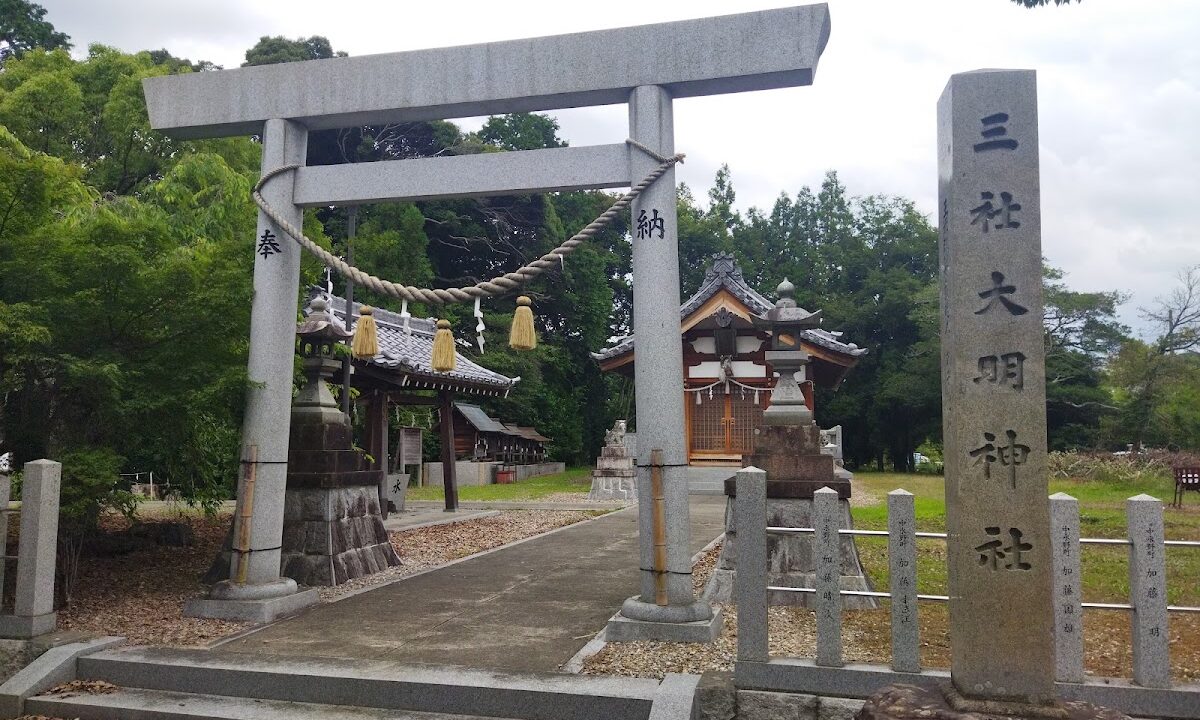
The current shrine building is relatively new, clean, and provides a welcoming environment for worshippers. After passing through the torii gate and walking along the path for a short distance, you reach the shrine building. The grounds, though small, are well-maintained, offering a sense of peace to visitors.
About the Deities
Sansha Daimyojin Shrine enshrines three deities, each deeply connected to the history of the Owari region.
Ame-no-Kagoyama-no-Mikoto
Ame-no-Kagoyama-no-Mikoto is considered the ancestral deity of the Owari clan and is said to have contributed to the development and cultivation of the Owari region. He is also the principal deity of Owari-do Shrine, indicating that Sansha Daimyojin Shrine has a branch shrine character.
Ame-no-Hoakari-no-Mikoto
Ame-no-Hoakari-no-Mikoto is a grandson of Amaterasu-Omikami and is worshipped as the guardian deity of agriculture and industry. He is also considered a distant ancestor of the Owari clan and watches over the abundant harvests and prosperity of this region.
Takeinadane-no-Mikoto
Takeinadane-no-Mikoto was a warrior of the Owari clan and is known as a brave figure who accompanied Yamato Takeru on his eastern expedition. He is enshrined in many shrines in Aichi Prefecture and is a deity deeply revered as a guardian deity of the region.
These three enshrined deities are all gods deeply connected to the history and culture of the Owari region, demonstrating that Sansha Daimyojin Shrine symbolizes the regional identity.
Highlights and Features of the Shrine Grounds
Although the grounds of Sansha Daimyojin Shrine are not large in scale, they are neatly maintained, creating a comfortable environment for worship.
Torii Gate and Approach
The torii gate at the entrance of the shrine welcomes worshippers as the gateway to the sacred area. Passing through the torii gate, a path leads to the shrine building, lined with trees on both sides. Walking along this path leads you to a tranquil space, far removed from everyday life.
Shrine Building
The current shrine building is a newly rebuilt structure. While adhering to the traditional style of shrine architecture, it exhibits a clean and beautiful appearance. The shrine building is meticulously maintained, reflecting the respect and affection that the local people have for the shrine.
Shrines within the Precincts
The Takakura Shrine and Yama Shrine, which were merged in 1910 (Meiji 43), continue to be revered as shrines within the precincts. Yama Shrine is dedicated to the mountain god, and is revered as a protector of forestry and mountain safety. Takakura Shrine also plays an important role as a guardian deity of the region.
Points and Manners for Visiting
When visiting Sansha Daimyojin Shrine, please keep the following visiting manners in mind.
Basic Visiting Etiquette
- Bow before the Torii Gate: The torii gate is the entrance to the sacred area. Bow before passing through it.
- Walking along the Path: The center of the path is considered the path of the gods. It is polite to walk along the sides.
- Watering Procedure: If there is a watering basin, cleanse your left hand, right hand, and mouth in that order.
- Worship at the Main Hall: Two bows, two claps, and one bow are the basic rituals. Worship with sincerity.
Regarding Photography
Photography is generally permitted on the shrine grounds, but consideration should be given to avoiding disturbing other worshippers. It is considered good manners to refrain from taking photographs inside the shrine buildings or in sacred areas.
Best Time to Visit
Sansha Daimyojin Shrine is open for worship throughout the year, but the following times are especially recommended:
- Hatsumode (January): A time to pray for health and happiness in the new year
- Spring Festival: A lively local festival
- Autumn Festival: A time to express gratitude for the harvest
Detailed Access Information
Using public transportation is convenient for visiting Sansha Daimyojin Shrine.
Access by Train
Using the Meitetsu Seto Line
- Take the subway from Nagoya Station to Sakaemachi Station
- Transfer to the Meitetsu Seto Line at Sakaemachi Station
- Get off at Nakamizuno Station and walk for approximately 10 minutes
Exit from Exit 2 of Nakamizuno Station and follow the signs to reach the shrine. The route from the station is relatively easy to follow, a quiet route through a residential area.
Access by Car
If you are visiting by car, you can access it from Seto city center via the prefectural road. Searching for “1-579 Nakamizuno-cho, Seto City, Aichi Prefecture” or “Sansha Daimyojin Shrine” on your car navigation system will display the address.
Regarding parking, due to the size of the shrine, there may not be a large dedicated parking lot. Street parking is discouraged as it inconveniences local residents, so please avoid it and use nearby coin-operated parking lots or public transportation.
Nearby Attractions and Tourist Spots
When visiting Sansha Daimyojin Shrine, consider exploring other attractive spots in Seto City.
Owarido Shrine
Deeply connected to the history of Sansha Daimyojin Shrine, Owarido Shrine is a representative ancient shrine of Seto City. With its larger grounds and historical buildings, it is an indispensable shrine for understanding the history of Seto City.
Setogura Museum
This facility allows visitors to learn about Seto City’s ceramic culture, exhibiting the history and production process of Seto ware. It is located about 15 minutes by car from Sansha Daimyojin Shrine.
Iwayado Park
This park allows visitors to enjoy the nature of Seto City, and is especially popular with tourists during the autumn foliage season. The beauty of the valley and waterfalls are highlights.
Maneki-neko Museum
Seto City is also known as a production center for Maneki-neko (beckoning cats). This unique museum exhibits a collection of thousands of Maneki-neko.
The Shrine Culture of Seto City and the Role of Sansha Daimyojin Shrine
Many shrines are scattered throughout Seto City, each functioning as a center of its local community. Sansha Daimyojin Shrine serves as the tutelary shrine of the Nakamizuno district, a spiritual anchor for the local residents.
Connections with the Community
Shrines are not merely religious facilities, but also central locations for local festivals and events. Sansha Daimyojin Shrine also serves as a hub for community activities, including cleaning and festival preparations by local residents.
Faith in Seto City, the City of Ceramics
Seto City is a production center for ceramics, the origin of the word “setomono” (pottery). Those involved in the ceramics industry have prayed to the gods for safety in their work with fire and for the success of their products. Sansha Daimyojin Shrine has a history of functioning as a place of worship connected to this local industry.
Characteristics and Charm of Sansha Daimyojin Shrine
The greatest charm of Sansha Daimyojin Shrine lies in its approachability and cleanliness. Unlike large tourist shrines, its simple, community-rooted atmosphere provides peace to visitors.
Small-Scale Beauty
The shrine grounds are not vast, but meticulous attention to detail ensures a clean and beautiful environment. The new shrine building respects tradition while possessing a modern cleanliness, making for a pleasant visit.
A Quiet and Peaceful Worship Environment
Because it is not a tourist destination, a peaceful environment for worship is maintained. It is a precious space where you can escape the hustle and bustle of everyday life and offer your prayers in tranquility.
Easy Access
Its location within walking distance of Nakamizuno Station is a major advantage, making it easy to visit. It’s conveniently located for combining with other tourist spots when visiting Seto City.
Visitor Feedback and Reputation
Visitors to Sansha Daimyojin Shrine have shared the following comments:
- “A beautiful and easy-to-worship shrine”
- “Small but meticulously maintained”
- “Convenient location within walking distance from the station”
- “A quiet and peaceful atmosphere is wonderful”
These evaluations demonstrate that Sansha Daimyojin Shrine is a shrine loved and carefully preserved by the local community.
Prayers and Blessings at Sansha Daimyojin Shrine
The deities enshrined at Sansha Daimyojin Shrine are gods associated with the development of the Owari region, industrial growth, and martial prowess. Therefore, the following blessings are believed to be available:
Main Benefits
- Prayer for Health: Daily health and protection from illness
- Family Safety: Safety and happiness of the family
- Industrial Prosperity: Success and development of business
- Protection from Misfortune: Protection from disaster
- Community Peace and Tranquility: Peace and prosperity of the community
It has a particularly strong character as a guardian deity of the community and functions as a place of daily prayer for the residents of the Nakamizuno area.
Relationship with Other Shrines in Seto City
In addition to Sansha Daimyojin Shrine, there are many other shrines in Seto City, each with its own unique history and beliefs.
Fukagawa Shrine
Located in the heart of Seto City, Fukagawa Shrine is widely revered as the guardian shrine of Seto. The “Setomono Festival,” held every September, originates from the festival of Fukagawa Shrine.
Touhiko Shrine
This shrine enshrines Kato Shirozaemon Kagemasa (Toshiro), the founder of pottery, and is revered as the guardian deity of Seto’s ceramics industry. These shrines, along with the Sansha Daimyojin Shrine, each belong to different regions and religious spheres, yet they all contribute to shaping the spiritual culture of Seto City as a whole.
Precautions When Visiting
Please note the following points when visiting the Sansha Daimyojin Shrine:
Visiting Hours
Shrines are generally recommended to be visited during the daytime. Avoid visiting at night and visit during daylight hours.
Dress Code
There are no specific dress code requirements, but please be mindful that this is a sacred place and dress cleanly and respectfully.
Consideration for the Surrounding Environment
The area around the shrine is a residential area. Please refrain from actions that may disturb nearby residents, such as making loud noises or parking illegally.
Taking Your Trash Home
There may not be trash cans on the shrine grounds. Please be sure to take your trash home with you to help maintain the cleanliness of the shrine.
Summary: The Charm of Sansha Daimyojin Shrine
Located in Nakamizuno-cho, Seto City, Aichi Prefecture, Sansha Daimyojin Shrine is a friendly and community-oriented shrine. Its historical connection to Owari-do Shrine, the complex faith resulting from the Meiji-era merger, and its continued ties with the local community are major characteristics of this shrine.
It enshrines three deities associated with the Owari region: Amenokagoyama-no-Mikoto, Amenohiakari-no-Mikoto, and Takeinadane-no-Mikoto, and continues to watch over the health and prosperity of the region. Its convenient location, accessible on foot from Nakamizuno Station, clean and well-maintained grounds, and peaceful environment make it suitable for both everyday visits and as part of a Seto City sightseeing trip.
When visiting Seto City, why not explore the region’s history and faith through a visit to Sansha Daimyojin Shrine, alongside exploring its ceramic culture? The tranquil atmosphere of this beloved and carefully preserved shrine is sure to provide visitors with peace of mind and renewed energy.