Complete Guide to Omiya Sengen Shrine (Inuyama City, Aichi Prefecture) | The Birthplace of Child-Leaving at Owari Fuji
About Omiya Sengen Shrine
Omiya Sengen Shrine is a historic shrine located on Mt. Fuji in Inuyama City, Aichi Prefecture. Officially known as “Owari Fuji Omiya Sengen Shrine,” it sits at the summit of Mt. Owari Fuji, at an altitude of 275 meters. As one of the Sengen Shrines, it has long been revered as a guardian deity of children.
History as the Birthplace of Child-Leaving
Omiya Sengen Shrine is nationally known as the “birthplace of child-leaving.” This unique belief stems from the myth that the enshrined deity, Konohanasakuya-hime no Mikoto, gave birth to three children safely in a birthing hut engulfed in flames. The “Azukego-sai” (Entrusted Child Festival), where children are entrusted to the gods until they reach the age of 20 and prayers are offered for their safe growth, is one of the most important festivals at this shrine.
Location and Basic Information
Address: 3 Fujiyama, Inuyama City, Aichi Prefecture
Access: Approximately 35 minutes on foot (approx. 3km) from Haguro Station on the Meitetsu Inuyama Line, or approximately 15 minutes by bus from Inuyama Station
Elevation: 275 meters (summit of Owari Fuji)
The shrine is located at the summit of Owari Fuji, so climbing is required to visit. From the summit, you can enjoy a spectacular view of Inuyama city, the Nobi Plain, and, on a clear day, even Mount Ontake and the Central Alps in the distance.
Deities and Blessings
Main Deity: Konohanasakuya-hime no Mikoto
The deity enshrined at Omiya Sengen Shrine is Konohanasakuya-hime no Mikoto. This deity is known in Japanese mythology as a beautiful goddess enshrined at Mount Fuji, and is revered as the goddess of safe childbirth, child-rearing, and fire prevention.
There is a legend that when Konohanasakuya-hime was suspected of wrongdoing, she set fire to her birthing hut and safely gave birth to three children amid the flames. Because of this story, she became particularly revered as the goddess of safe childbirth and child-rearing.
Diverse Blessings
Omiya Sengen Shrine is believed to offer the following blessings:
- Protection from Childhood Illnesses: Prevents night crying and colic in children
- Family Safety: Protects the health and peace of the family
- Good Fortune and Protection from Evil: Wards off misfortune and opens up good fortune
- Business Prosperity: Promotes business development and thrives commerce
- Traffic Safety: Ensures safe travels and protection from traffic accidents
- Safe Childbirth and Fertility: Blesses safe childbirth and many children
- Academic Success: Achieves academic success and enhances wisdom
It is particularly revered as a guardian deity of children, and is characterized by a large number of visits from families raising children and pregnant women.
History of Omiya Sengen Shrine
Founding and History
The founding date of Omiya Sengen Shrine is unclear, but as a shrine located on Owari Fuji, a sacred mountain in the Owari region that has attracted worshippers since ancient times, it is believed to have existed at least since the Middle Ages.
Owari Fuji, due to its resemblance to Mount Fuji, is called “Owari’s Fuji,” and its association with Fuji worship led to the establishment of the Asama Shrine. It has also played an important role as a place for local people to worship Mount Fuji from afar.
The Faith of Samurai Warriors
Omiya Asama Shrine has long been a center of samurai worship. In particular, it received protection from the samurai warriors who ruled the Owari region.
Oda Nobunaga: Oda Nobunaga, a native of Owari, is said to have revered this shrine.
Tokugawa Ieyasu: After unifying Japan, Tokugawa Ieyasu also provided protection to the shrine as an important shrine in Owari.
Lords of Inuyama Castle: The shrine received strong protection from successive lords of Inuyama Castle, such as the Ogasawara and Naruse clans, who provided support for the repair of the shrine buildings and the holding of festivals.
Through the faith of these samurai warriors, the shrine has been maintained and has developed as a center of local faith.
Annual Events and Festivals
Child-Leaving Festival (May 5th)
The Child-Leaving Festival, held annually on May 5th, is the most important festival at Omiya Sengen Shrine. This festival preserves the tradition of the shrine as the birthplace of child-leaving.
Festival Contents:
- Offering children as children entrusted to the gods
- Praying for healthy growth until the age of 20
- Prayers for protection against childhood illnesses
- Prayers for academic success
- Prayers for safe childbirth and fertility
Many families visit the shrine to pray for the healthy growth of their children. Special prayers are performed on the shrine grounds, and amulets and talismans are given out.
Stone-Lifting Festival (First Sunday of August)
The Stone-Lifting Festival is a unique festival of Omiya Sengen Shrine, known nationwide. Held annually on the first Sunday of August, this festival is a distinctive Shinto ritual in which participants carry stones up to the mountaintop.
Festival Features:
- Participants climb the mountain carrying stones of their choice.
- The stones are offered at the shrine grounds at the summit.
- Prayers are offered for a bountiful harvest and prosperity of descendants.
- The size and weight of the stones are unrestricted.
The shrine grounds are piled high with colorful stones, telling the story of its long history of faith. This custom of lifting stones is thought to be linked to the belief in the sacredness of stones in Fuji worship.
Other Annual Events
Hatsumode (January 1st-3rd): The shrine is bustling with New Year’s visitors.
Setsubun Festival (February 3rd): A festival to pray for protection from evil and good fortune.
Reitaisai (Autumn): One of the most important festivals of the shrine.
Highlights of the Shrine Grounds
Main Hall and Worship Hall
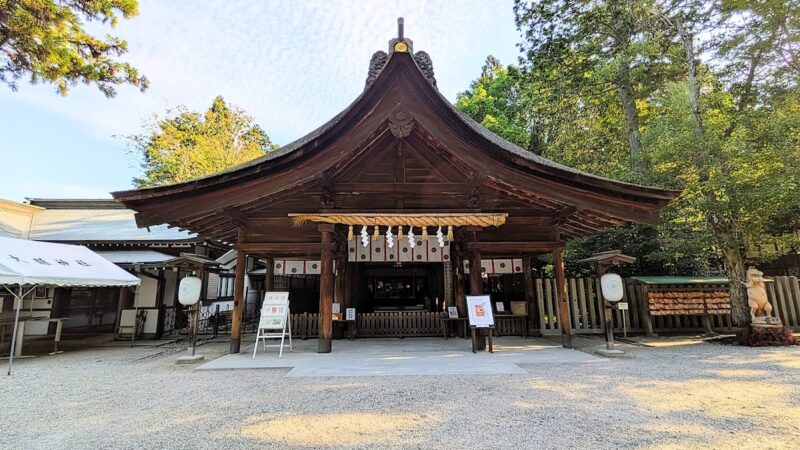
The main hall, situated at the summit, has a simple yet majestic structure. From the main hall, you can enjoy a panoramic view of Inuyama city and the Nobi Plain, and on a clear day, the scenery is breathtaking.
Stone Offerings
The shrine grounds are piled high with countless stones offered during the Stone-Raising Festival. Each stone, of various sizes, embodies the wishes of the donors, creating a unique landscape.
Scenic Viewpoint
The view from the mountaintop at an altitude of 275 meters is one of the major attractions of Omiya Sengen Shrine.
Views:
- Inuyama city
- Kiso River
- Inuyama Castle (weather permitting)
- Nobi Plain
- Distant mountains (Mt. Ontake, Central Alps, etc.)
The views are especially spectacular in the early morning and at dusk, making it a popular spot for photography.
Seasonal Flowers and Nature
Spring Flowers (April-May)
Around Omiya Sengen Shrine, you can enjoy a variety of flowers from spring to early summer. Flowers that can be seen from early April to mid-May:
- Somei Yoshino Cherry Blossoms: Best viewing in early April
- Flowering Peach Blossoms: Beautiful flowers bloom in mid-April
- Double-flowered Cherry Blossoms: Late April to early May
- Gyoiko Cherry Blossoms: Rare green cherry blossoms
- Nanjamonja (Chionanthus retusus): White flowers bloom like snow in mid-May
These flowers bloom one after another, allowing visitors to enjoy flower viewing for an extended period.
Nature of the Hiking Trail
The hiking trails of Owari Fuji are rich in nature, allowing you to observe plants of all seasons. Hiking while listening to the chirping of wild birds is perfect for refreshing your mind and body.
Access and Hiking Guide
Access by Public Transportation
By Train:
- Get off at Haguro Station on the Meitetsu Inuyama Line.
- The trailhead is approximately 35 minutes on foot (about 3 km) from the station.
- The summit is approximately 30-40 minutes from the trailhead.
By Bus:
- Get off at Inuyama Station on the Meitetsu Inuyama Line.
- The trailhead is approximately 15 minutes by bus.
- The trailhead is accessible from the bus stop.
Access by Car
From Nagoya:
- Approximately 20 minutes from Komaki IC on the Meishin Expressway
- Approximately 20 minutes from Komaki IC on the Tomei Expressway
Parking Information:
There is parking space near the trailhead, but congestion is expected during festivals, so early arrival is recommended.
Hiking Precautions
Estimated Time: Approximately 30-40 minutes from the trailhead to the summit (approximately 25-35 minutes for the descent)
Difficulty: A relatively gentle hiking trail suitable for beginners, but there are some steep sections.
Clothing and Equipment:
- Comfortable walking shoes (sneakers or light hiking boots)
- Comfortable clothing
- Drinking water
- Towel
- Hat and sunscreen in summer
Seasonal Precautions:
- Summer: Heatstroke prevention is necessary
- Winter: Beware of freezing and snowy conditions
- Rainy weather: Be careful as trails can become slippery
Goshuin (Shrine Seal) Information
Goshuin Issuance
Omiya Sengen Shrine offers Goshuin (shrine seals). They can be obtained at the shrine office at the summit, but since it may be unattended, it is recommended to check in advance if you definitely want a Goshuin.
Features of the Goshuin (Shrine Seal)
The goshuin features the calligraphy of “Owari Fuji Omiya Sengen Shrine” or “Omiya Sengen Shrine” and the shrine’s seal. It is characterized by a simple yet powerful calligraphy style.
Goshuincho (Shrine Seal Book)
Original goshuincho are sometimes available. Designs featuring Owari Fuji and Sengen worship motifs are popular.
Nearby Spots and Tourist Information
Inuyama Castle
Located about 15 minutes by car from Omiya Sengen Shrine, the national treasure Inuyama Castle is known as the oldest existing wooden castle tower in Japan. It can be seen from Owari Fuji on clear days.
Meiji Village
Meiji Village, a museum located in Inuyama City, is an open-air museum that preserves and relocates buildings from the Meiji era. It is an ideal spot to visit in conjunction with Omiya Sengen Shrine.
Japan Monkey Park
A popular amusement park for families, located about 10 minutes by car from Omiya Sengen Shrine. Many families stop by after the Child-Bearing Festival.
Mt. Hongu (Owari Hongu)
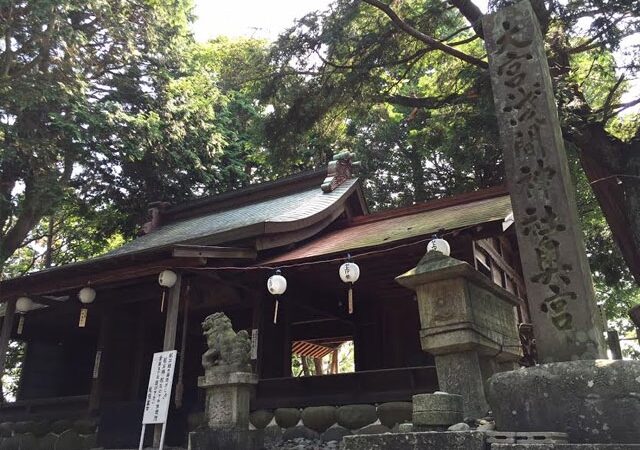
A mountain with an elevation of 292.8 meters, towering next to Owari Fuji, with the inner shrine of Ogata Shrine at its summit. It’s a popular mountain, often climbed in conjunction with Owari Fuji.
Inuyama City’s Gourmet
Inuyama Castle town retains its old streetscape, with many restaurants and souvenir shops lining the streets. It’s perfect for a meal after hiking or for souvenir shopping.
Recommended Gourmet:
- Goheimochi (Inuyama’s specialty)
- Handmade Dango (rice dumplings)
- Dishes using local miso
- Japanese sweets from Inuyama Chaya
Manners and Etiquette for Visiting Shrines
Basic Shrine Visiting Etiquette
- Bow before passing through the torii gate: This is a courtesy when entering the sacred area.
- Purify yourself at the water basin: Since there may not be a water basin at the summit, it’s a good idea to purify yourself before starting your climb.
- Etiquette at the main shrine: The basic ritual is two bows, two claps, and one bow.
- Worship quietly: Be considerate of other worshippers.
Hiking Manners
- Always take your trash with you: Let’s be thorough for nature conservation.
- Stay on the hiking trail: Walk on the designated paths to protect the vegetation.
- Greetings when passing others: Say “hello” to each other.
- Do not shout: Respect the tranquility of nature.
Photography Etiquette
Photography is generally permitted on the shrine grounds, but please observe the following points:
- Refrain from photographing during religious ceremonies.
- Be considerate of other worshippers when taking photos.
- Use tripods only in a manner that does not inconvenience others.
Summary of the Charms of Omiya Sengen Shrine
Omiya Sengen Shrine is not merely a tourist spot, but a place of worship with a history of over a thousand years. As the birthplace of child-rearing, families continue to pray for the healthy growth of their children.
Its location on the summit of Owari Fuji requires some effort to reach, but the sense of accomplishment upon reaching the summit and the breathtaking view below are exceptional. Unique festivals such as the Ishiage Festival and the Azukeyasu Festival are valuable as precious examples of folk culture not found elsewhere.
The natural scenery, which shows different faces in each season from cherry blossoms in spring to the Chionanthus retusus in early summer, is also a major attraction. Omiya Sengen Shrine, where you can enjoy mountain climbing, worship, and spectacular views all at once, can be said to be one of Aichi Prefecture’s representative power spots.
When you visit Inuyama City, be sure to climb Owari Fuji and pay your respects at Omiya Sengen Shrine. This shrine is sure to satisfy those praying for the healthy growth of their children, those seeking good fortune and protection from evil, those wishing for academic success, or simply those who want to experience nature and history.
Contact Information
Omiya Sengen Shrine
- Address: 3 Fujiyama, Inuyama City, Aichi Prefecture
- Visiting Hours: Open all day (Please check the office hours)
- Admission Fee: Free
For detailed information and festival schedules, please contact the Inuyama City Tourism Association or Inuyama City Hall.
Omiya Sengen Shrine is a wonderful spot in Inuyama City, Aichi Prefecture, where history, nature, and faith are intertwined. Please visit and experience its seasonal beauty and unique culture as the birthplace of child-rearing services.