Complete Guide to Oagata Shrine | A Thorough Explanation of the History, Blessings, Harvest Festival, and the Charm of Hime-no-Miya, the Second-Ranked Shrine of Owari
Located in Inuyama City, Aichi Prefecture, Oagata Shrine boasts a long and distinguished history of over 2000 years, making it one of the oldest shrines in the Owari region. Since ancient times, it has been deeply revered by the imperial court and the people as the second-ranked shrine of Owari Province. Enshrining Oagata-no-Okami, the ancestral deity of Owari’s development, it is revered as a guardian deity for business prosperity, good fortune, and protection from evil. Furthermore, it houses Hime-no-Miya, the guardian deity of women, making it a sacred place for matchmaking and prayers for safe childbirth. Many worshippers still visit today.
This article will introduce the charm of Oagata Shrine in its entirety, from its history, enshrined deities and blessings, to the unique Harvest Festival held every March, highlights within the shrine grounds, and visiting information.
History and Origins of Oagata Shrine
2000 Years of History Dedicated to the Ancestral Deity of Owari’s Development
Oagata Shrine has an extremely ancient history, dating back over 2000 years since its relocation from the summit of Owari Hongu Mountain to its current location. It enshrines Oagata-no-Okami, the ancestral deity who pioneered the land of Owari, as its principal deity, and has watched over the development and prosperity of this region.
From ancient times, it has been deeply revered by the imperial court, and the Engishiki Jinmyocho (a list of shrines compiled in the Heian period) lists it as “Oagata Shrine, Niwa District, Owari Province, Myojin Taisha,” holding the highest rank of Myojin Taisha. A Myojin Taisha is a highly prestigious shrine that received special offerings from the imperial court for enshrining a deity with particularly remarkable spiritual power.
Status as the Second Shrine of Owari Province
Oagata Shrine is known as the “Second Shrine of Owari.” In Owari Province, the Ichinomiya (first-ranked shrine) was Masumida Shrine (Ichinomiya City), the Ninomiya (second-ranked shrine) was Oagata Shrine, and the Sanomiya (third-ranked shrine) was Atsuta Jingu Shrine, maintaining an extremely high position within the shrine hierarchy of the Owari region.
During the Edo period, it was deeply revered by the Tokugawa family, the lords of the Owari domain. The current shrine buildings were rebuilt during the Kanbun era (1661-1673) by Tokugawa Mitsuyoshi (Mitsutomo), the son of the first lord, Tokugawa Yoshinao, and preserve the unique shrine building layout of the Owari region. The main hall is designated as an Aichi Prefecture-designated tangible cultural property and is a building of high historical value.
From Former National Shrine of the Second Rank to Special Shrine
Under the modern shrine ranking system of the Meiji era, it was ranked as a National Shrine of the Second Rank, and after the war, it became a Special Shrine of the Association of Shinto Shrines, maintaining its status as a highly prestigious shrine to this day. This high status speaks to its long history and importance to the region.
Deities and Blessings
Main Deity: Oagata-no-Okami
The main deity of Oagata Shrine is Oagata-no-Okami, revered as the ancestral deity of the development of Owari Province. This deity is worshipped as the god who opened up Owari Province, fostered industry, and laid the foundation for people’s lives. They are revered as the guardian deity of business prosperity, good fortune, protection from evil, and family safety.
They are especially revered by business owners, and there is a constant stream of visitors praying for business success and the success of new ventures. They are also known as a god of good fortune and protection from evil, and many people visit to pray for protection from misfortune during their unlucky years and for good fortune at important life milestones.
Hime-no-Miya (Oagata-no-Okami-no-Mitama Shrine)
Within the grounds of Oagata Shrine stands Oagata-no-Okami-no-Mitama Shrine, also known as “Hime-no-Miya.” The enshrined deity is Tamahime-no-Mikoto, widely worshipped as the guardian deity of women.
Hime-no-Miya Shrine is particularly known for the following blessings:
- Matchmaking: Success in finding a good partner, romantic relationships
- Prayers for Safe Childbirth: Safe childbirth, conception, and fertility
- Women’s Health: Healing from gynecological diseases
- Beauty: Success in beauty
Many female worshippers visit the shrine, and numerous ema (votive tablets) for success in love and finding a good partner are offered. For prayers for safe childbirth, the shrine also performs the Inu-no-Hi (Dog Day) ceremony and the Obi-iwai (belly-sash celebration), with expectant mothers and their families praying for a safe delivery.
Other Shrines within the Precincts
Several other subsidiary shrines are located within the precincts, each offering unique blessings:
Okuni Ebisu Shrine: Dedicated to Okuninushi-no-Mikoto and Kotoshironushi-no-Mikoto, it offers blessings for business prosperity and complete happiness.
Ancestral Spirit Shrine: A shrine dedicated to the ancestral spirits of the parishioners.
Mikuwa Shrine: Dedicated to the god of agriculture and abundant harvests.
Visiting these shrines within the grounds can bring various blessings.
Oagata Shrine’s Harvest Festival
One of Japan’s Three Great Unusual Festivals
The Harvest Festival, held annually on the Sunday immediately preceding March 15th at Oagata Shrine, is a traditional festival praying for abundant harvests and prosperity of descendants. It is a sacred ceremony based on Japanese mythology. This festival is also known as the “Hime-no-Miya Harvest Festival” and is known as a counterpart to the “Tagata Shrine Harvest Festival” held at Tagata Shrine in Komaki City, about 1 kilometer away.
While the Tagata Shrine Harvest Festival involves carrying a portable shrine representing male symbols, the Oagata Shrine Harvest Festival features rituals representing female symbols. Together, the two shrines embody the beliefs of “fertility, safe childbirth, and matchmaking.”
Harvest Festival Details and Highlights
On the day of the Harvest Festival, a portable shrine procession proceeds from Hime-no-miya to the main shrine. The festival takes place in March, when plum blossoms are in full bloom, coinciding with the peak of the plum orchard on the shrine grounds, allowing visitors to enjoy both the festival and the blossoms simultaneously.
The festival includes the dedication of Kagura (sacred dance) by shrine maidens, mochi (rice cake) throwing, and other events, attracting many worshippers. The Harvest Festival, conducted while preserving ancient traditions, is an important festival that conveys a valuable form of Japanese folk belief to the present day.
Event Information
- Date: The Sunday immediately preceding March 15th every year
- Time: From morning to afternoon (Please check the official website for details)
- Highlights: Portable shrine procession, Kagura dedication, simultaneous holding with the Plum Blossom Festival
The shrine grounds become very crowded during the Harvest Festival, so it is recommended to visit early.
Plum Blossom Festival and the Beauty of Nature Through the Seasons
Owari’s Foremost Plum Blossom Spot
Ogata Shrine is famous as a plum blossom spot, with over 1,100 plum trees of approximately 280 varieties planted in its grounds. This scale is one of the largest in Aichi Prefecture, and it attracts many visitors as a “famous plum blossom spot in Owari.”
Every year from late February to mid-March, the “Plum Blossom Festival” is held, with a variety of plum varieties, including white, red, and weeping plums, blooming one after another, coloring the shrine grounds. The plum garden around Hime-no-Miya (Princess Shrine) is particularly magnificent, with the plum blossoms blooming around the guardian deity of women creating a breathtaking spectacle.
Best Time to Visit and Enjoy the Plum Blossom Festival
- Best Viewing Period: Late February to Mid-March (may vary depending on the year)
- Varieties: Enjoy early-blooming, mid-blooming, and late-blooming varieties at different times.
- Photo Spots: Around Hime-no-Miya Shrine, walking paths in the plum orchard
The plum blossom festival is crowded with many visitors, especially on weekends. Weekday mornings are recommended for a more relaxed viewing experience. The plum blossom blooming status is updated regularly on the official website and social media, so it’s recommended to check before visiting.
Other Seasonal Highlights
Besides plum blossoms, you can enjoy the beauty of nature throughout the seasons at Oagata Shrine:
- Spring: Cherry blossoms, fresh greenery
- Summer: Deep green forest, cool shrine grounds
- Autumn: Autumn leaves (the trees on the shrine grounds change color)
- Winter: Praying in tranquility, New Year’s visit
Especially during the New Year’s visit period, many worshippers visit, bustling with people praying for good fortune in the new year.
Prayers and Amulets
Information on Prayers
Prayers are offered daily at Oagata Shrine starting at 8:30 AM. Reservations are not required; you can visit on a day that is convenient for you (advance notice is recommended for groups).
Main Prayers Offered:
- Prayer for Protection from Evil and Good Fortune: Exorcism of evil spirits during unlucky years, bringing good fortune and happiness
- Prayer for Safe Childbirth: Visit on the Day of the Dog, Obi-iwai (pregnancy celebration)
- First Shrine Visit: Praying for the healthy growth of your child
- Shichi-Go-San (7-5-3 Festival): Celebrating your child’s growth
- Family Safety: Health and peace for the family
- Business Prosperity: Business success, company prosperity
- Traffic Safety: Blessing of your car
- Prayer for Success in Exams: Passing exams, academic success
- Prayer for Finding a Partner: Success in finding a good partner, romantic success
Prayer for Safe Childbirth and Visit on the Day of the Dog
Oagata Shrine, which houses Hime-no-Miya, is particularly famous as a shrine for prayers for safe childbirth. The “Day of the Dog Pilgrimage,” where expectant mothers visit the shrine on the Day of the Dog in their fifth month of pregnancy to pray for a safe delivery, is a popular practice.
The Day of the Dog is chosen because dogs are known for having easy deliveries. Expectants can also bring their maternity belt (Iwata-obi) and receive a blessing.
Amulets and Souvenirs
The shrine office offers a variety of amulets and souvenirs:
- Matchmaking Amulet: For the blessings of matchmaking at Hime-no-Miya
- Safe Delivery Amulet: Amulet for safe childbirth
- Exorcism Amulet: For protection against misfortune and good fortune
- Business Prosperity Amulet: For business success
- Traffic Safety Amulet: For traffic safety
- Academic Success Amulet: For passing exams
- Goshuin (Shrine Seal): Regular goshuin and Hime-no-Miya goshuin
Particularly popular among women are the Hime-no-Miya matchmaking amulet and safe delivery amulet, which are available in cute designs.
Highlights of the Shrine Grounds
Main Hall (Aichi Prefecture Designated Tangible Cultural Property)
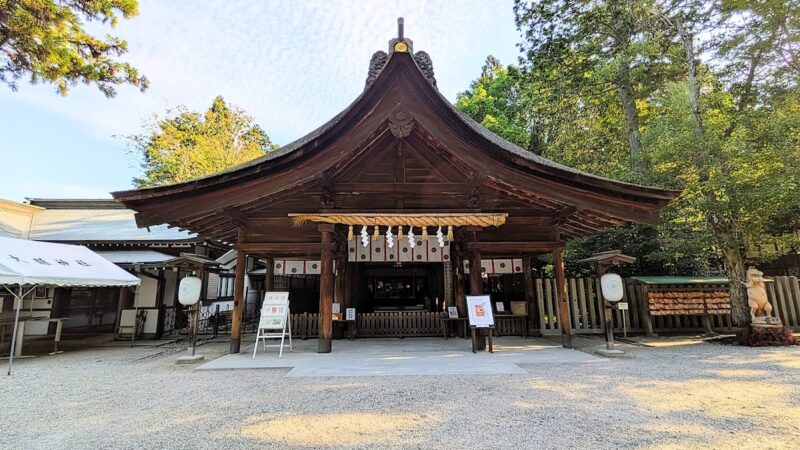
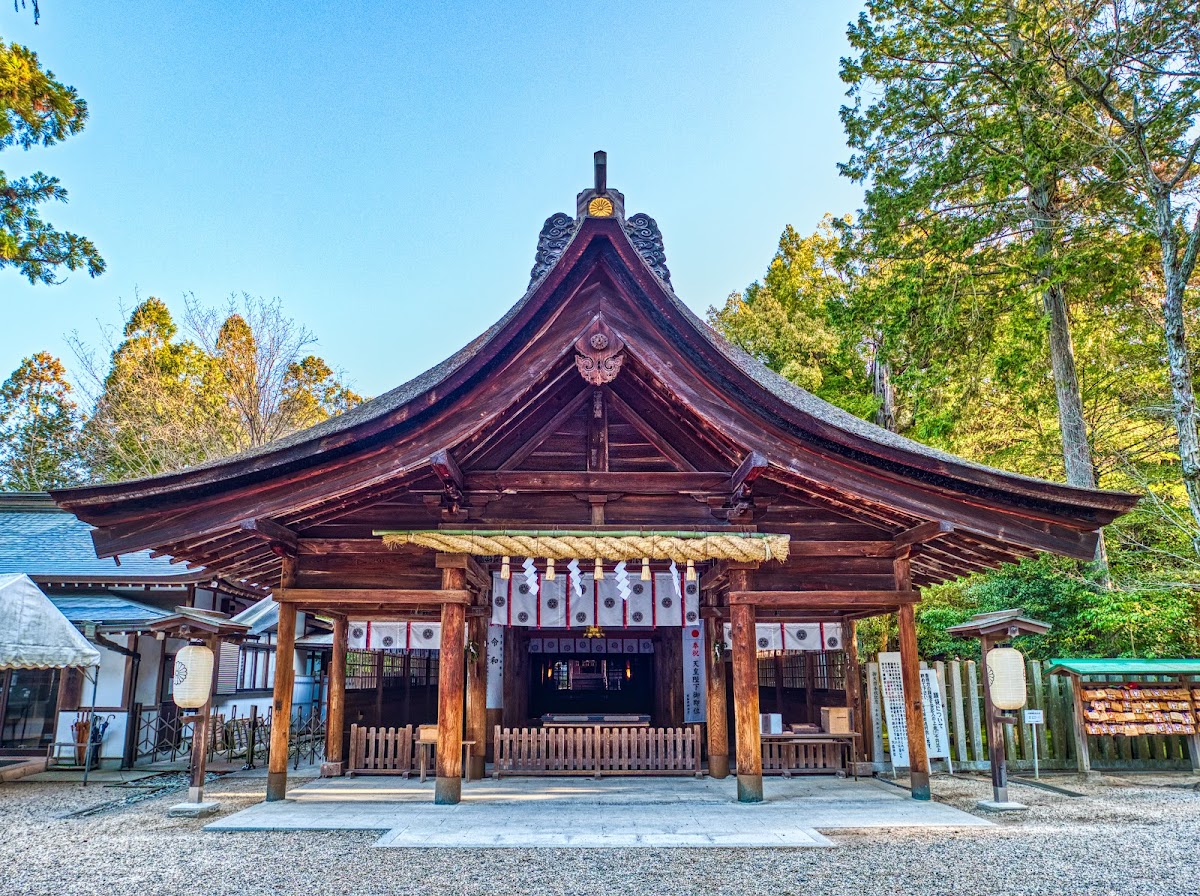
The main hall of Oagata Shrine is a historical building rebuilt during the Kanbun era by Tokugawa Mitsuyoshi, the lord of the Owari domain, and is designated as a tangible cultural property of Aichi Prefecture. It features a unique shrine layout characteristic of the Owari region, with the main hall, offering hall, and worship hall arranged in a Gongen-zukuri style.
The main hall, adorned with intricate carvings and decorations, retains many characteristics of early Edo period shrine architecture and is of high architectural historical value.
Hime-no-Miya (Oagata Okami Mitama Shrine)
Hime-no-Miya, dedicated to the guardian deity of women, is located a short distance from the main shrine. The vermilion-lacquered shrine building is beautiful, surrounded by plum trees. It is especially vibrant during the plum blossom season.
In front of the shrine, numerous ema (votive tablets) for matchmaking and safe childbirth are dedicated, representing the wishes of many women. You can visit the shrine at your own pace in a quiet and sacred atmosphere.
Plum Garden
The plum garden, with approximately 280 varieties and 1,100 plum trees, is one of the biggest attractions of Oagata Shrine. A walking path is provided, allowing you to admire the various varieties of plums up close.
Because varieties with different blooming times (early, mid, and late) are planted, you can enjoy the plum blossoms for an extended period from late February to mid-March.
Okuni Ebisu Shrine
Located in a corner of the shrine grounds, the Okuni Ebisu Shrine enshrines Okuninushi-no-Mikoto and Kotoshironushi-no-Mikoto (Ebisu-sama), and is believed to bring prosperity in business and complete happiness. Despite its small size, it is a popular shrine within the grounds, constantly attracting visitors.
Approach and Shrine Grove
The approach to Oagata Shrine is a quiet path surrounded by trees, allowing you to forget the hustle and bustle of the city. There are also giant trees that appear to be hundreds of years old, creating a solemn atmosphere befitting a sacred place. Just walking along the approach to the shrine offers a refreshing and cleansing experience, making it perfect for forest bathing. ## Visiting Information & Access
Basic Information
- Location: 3 Miyayama, Inuyama City, Aichi Prefecture 484-0834
- Phone: 0568-67-1017
- Visiting Hours: Grounds are freely accessible (Shrine office is generally open from 9:00 to 16:30)
- Prayer Reception: Daily from 8:30 (No reservation required, group reservations must contact in advance)
- Admission Fee: Free
- Parking: Available (Free, approximately 100 spaces)
Transportation Access
Access by Train:
- Get off at Rakuda Station on the Meitetsu Komaki Line, approximately 20 minutes on foot (approximately 1.5 km)
- Approximately 10 minutes by car from Inuyama Station on the Meitetsu Inuyama Line
Access by Car:
- Approximately 10 minutes from Komaki-Higashi IC on the Chuo Expressway
- Approximately 20 minutes from the Tomei Expressway “Komaki IC”
- Approximately 40 minutes from Nagoya city center
Access by Bus:
- Community buses may operate, but due to limited service, access by train or car is recommended.
Parking Information
There is free parking on the temple grounds, and there is usually ample space. However, it becomes extremely crowded during the plum blossom festival, the harvest festival, and the New Year’s visit period. Temporary parking may be available during these times, but please consider using public transportation.
Estimated Time Required for Visiting the Shrine
- Standard Visit: 30 minutes to 1 hour
- Including Prayer Ceremony: 1 hour to 1 hour 30 minutes
- Including Plum Garden Stroll: 1 hour 30 minutes to 2 hours
- Thorough Exploration of the Shrine Grounds: 2 hours or more
Nearby Tourist Attractions
Aotsuka Kofun (Ancient Burial Mound)
Located within walking distance of Okata Shrine, the Aotsuka Kofun is a keyhole-shaped burial mound measuring 123 meters in length, making it one of the largest in Aichi Prefecture. It is estimated to have been constructed during the middle of the Kofun period (around the 5th century) and is thought to be the tomb of a powerful figure in the region.
The burial mound is well-maintained, and visitors can climb the mound, making it a spot where you can experience ancient history. Visiting it in conjunction with a visit to Okata Shrine is recommended.
Inuyama Castle
Located about 15 minutes by car from Okata Shrine, Inuyama Castle is a famous castle with a surviving keep designated as a National Treasure. The view from the castle tower, built on a hill along the Kiso River, is spectacular and a highlight of Inuyama sightseeing.
Meiji Village
Meiji Village, a museum located in Inuyama City, is an open-air museum that preserves and relocates buildings from the Meiji era. Over 60 cultural heritage buildings line the vast grounds, offering an experience that feels like stepping back in time to the Meiji era.
Little World
Little World, an open-air ethnographic museum themed on the houses and lifestyles of the world, is also located in Inuyama City. Traditional houses from various countries are on display, and visitors can enjoy trying on ethnic costumes and tasting international cuisine.
Points to Note When Visiting Oagata Shrine
Recommended Time to Visit
Plum Blossom Season (Late February to Mid-March):
The plum blossoms are in full bloom, making this the most vibrant time. The Harvest Festival is also held, and the shrine grounds are bustling with activity. However, be prepared for crowds.
Fresh Green Season (April to May):
After the plum blossom season, the atmosphere calms down, and the fresh greenery is beautiful. Recommended for those who want to visit the shrine at a leisurely pace.
Autumn (October-November):
The trees in the shrine grounds change color during the autumn foliage season. The weather is cool and comfortable for visiting.
New Year’s Visit (January):
Many visitors come to pray for good fortune in the new year. It is especially crowded from January 1st to 3rd.
Shrine Visit Manners
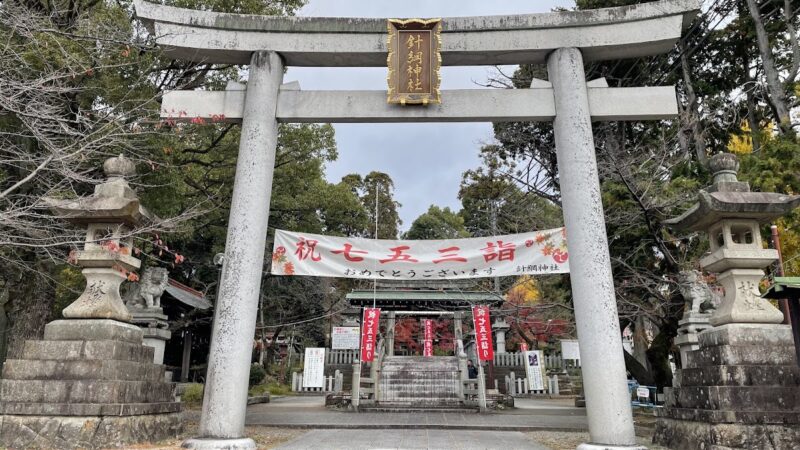
- Bow before passing through the torii gate: This is a courtesy before entering the sacred area.
- Avoid the center of the approach: The center is considered the path of the gods.
- Purify yourself at the water basin: Purify in the following order: left hand → right hand → mouth → left hand with ladle.
- Etiquette at the main hall: Two bows, two claps, and one bow are the basic rituals.
- Visit the subsidiary shrines: Visit not only the main shrine but also Hime-no-miya and other subsidiary shrines.
Photography
Photography is generally permitted on the temple grounds, but please note the following:
- Do not take photos in areas where photography is prohibited, such as inside the main hall.
- Be considerate of other worshippers.
- Refrain from taking photos during prayers.
- Avoid using tripods during crowded times.
The plum blossom season is a particularly popular time for photography, but please observe proper etiquette when taking pictures.
Annual Events at Okata Shrine
Okata Shrine holds various festivals and events throughout the year:
- January 1st: Saitansai (New Year’s Festival)
- February 3rd: Setsubun Festival (Bean-throwing Ceremony)
- Late February to Mid-March: Ume Matsuri (Plum Blossom Festival)
- Sunday immediately preceding March 15th: Hounensai (Harvest Festival)
- Fourth Sunday in July: Chino-wa Shinto Ritual
- First Sunday in October: Reitaisai (Grand Festival) (The most important annual event)
- Around November 15th: Shichi-Go-San (Seven-Five-Three Festival)
- December 31st: Oharai-shiki (Great Purification Ceremony), Joya-sai (New Year’s Eve Festival)
Visiting the shrine during these events allows for a deeper connection to the shrine’s faith.
Summary
Okata Shrine boasts a long and distinguished history of over 2000 years and has been revered since ancient times as the second-ranked shrine of Owari Province. This shrine, which houses both the main shrine dedicated to the ancestral deity of Owari’s development and the Hime-no-Miya shrine dedicated to the guardian deity of women, welcomes many worshippers seeking a wide range of blessings, from business prosperity and good fortune to protection from evil, matchmaking, and safe childbirth.
The annual Harvest Festival in March is a valuable festival that preserves Japanese folk beliefs, and the Plum Blossom Festival held around the same time offers a spectacular view of approximately 1,100 plum trees of about 280 varieties in full bloom.
Located in Inuyama City, Aichi Prefecture, easily accessible from Nagoya, the shrine grounds are enveloped in tranquility, creating a sacred space that allows you to forget the hustle and bustle of the city. Visiting in conjunction with nearby tourist spots such as Inuyama Castle and Aotsuka Kofun (ancient burial mound) will enhance your Inuyama sightseeing experience.
We wholeheartedly recommend visiting Oagata Shrine for those with various wishes, including good fortune, protection from evil, matchmaking, safe childbirth, and business prosperity. Prayers are available daily from 8:30 AM, so please visit on a day that is convenient for you.