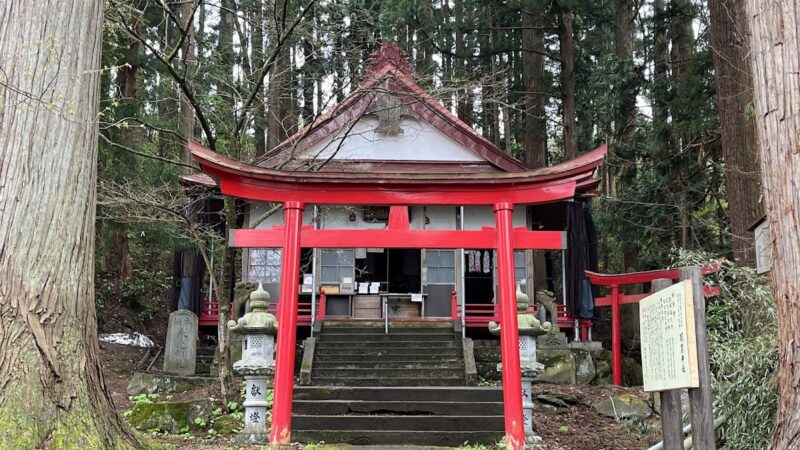
Haguro Shrine (Miyaji, Hirosaki City, Aomori Prefecture) Complete Guide | History, Deities, Goshuin (Shrine Seal), and Access Information
Located in Miyamoto, Miyaji, Hirosaki City, Aomori Prefecture, Haguro Shrine is a historic shrine dating back to the early Heian period. Locally known as “Haguro-sama” or “God of Eyes,” it has long been a place of worship for the people of the region. This article comprehensively covers everything you need to know before visiting Haguro Shrine, including its detailed history, enshrined deities, goshuin information, highlights within the grounds, and access methods.
Basic Information about Haguro Shrine
Location: 350 Miyamoto, Miyaji, Hirosaki City, Aomori Prefecture 036-1341
Phone Number: 0172-82-4658
Former Shrine Rank: Village Shrine
Other Names: Haguro-sama, God of Eyes
Haguro Shrine is located in the Miyaji district in the southern part of Hirosaki City, relatively close to Hirokoshita Station on the Konan Railway Konan Line. Its former shrine rank was Village Shrine, and it has been revered as a guardian deity of the region since ancient times.
Deities and Divine Virtues
Haguro Shrine enshrines four deities.
Main Deity
Ukanomitama-no-Mikoto
This Inari deity is known as the god of abundant harvests and business prosperity. In the Tsugaru region, where agriculture is thriving, this deity has been worshipped since ancient times as an object of prayer for a bountiful harvest.
Ōnamuchi-no-Mikoto
Another name for Ōkuninushi-no-Mikoto, widely worshipped as the god of nation-building, matchmaking, and medicine. He is believed to grant healing from illness and successful relationships.
Mizuhanome-no-Mikoto
A water deity, she grants protection of water sources, ensures agricultural water supply, and protects against fire. She is an important deity in the water-rich Hirosaki region.
Ōyamatsumi-no-Kami
A mountain deity, she grants protection of forests, safe passage, and safe voyages. She is worshipped as the guardian deity of the mountains in the Tsugaru region.
Worship as the “God of Eyes”
Haguro Shrine is particularly well-known in the region as the “God of Eyes.” Many worshippers visit to pray for healing from eye diseases and restoration of eyesight, and the shrine enjoys deep faith as a god that protects eye health. There are various theories about the origin of this belief, but it has long been considered to have miraculous powers for curing eye diseases.
History and Origins of Haguro Shrine
Origin of Founding
Haguro Shrine is said to have been founded in 807 AD (Daido 2). This year was in the early Heian period, during the reign of Emperor Heizei, the 51st emperor.
According to shrine tradition, when General Sakanoue no Tamuramaro descended to the Tohoku region to subdue the Emishi, he enshrined Haguro Shrine in this area. Sakanoue no Tamuramaro was a warrior who worked diligently to pacify the Tohoku region at the command of Emperor Kanmu, and there are legends that he founded shrines in various places.
Relationship with Haguro Faith
The name “Haguro” suggests a connection to Mount Haguro (Yamagata Prefecture), one of the three sacred mountains of Dewa. Haguro Mountain faith spread widely throughout the Tohoku region, and Haguro Shrines were built in various locations. Haguro Shrine in Miyaji, Hirosaki City, is also thought to be a descendant of this Hagurosan faith.
History since the Edo Period
During the Edo period, it received the patronage of the Tsugaru Domain and developed as the local tutelary shrine. Even after the Meiji-era separation of Shinto and Buddhism, it continued to attract local devotion and was ranked as a village shrine under the Meiji-era shrine ranking system.
Even after the war, it has remained a central presence in the local community, with annual festivals and various Shinto rituals being passed down.
Annual Festival and Events
Annual Festival
Annual Festival Date: 2nd day of the 6th month of the lunar calendar (currently held according to the Gregorian calendar)
The annual festival of Haguro Shrine was traditionally held on the 2nd day of the 6th month of the lunar calendar. Currently, it is held according to the Gregorian calendar. The annual festival includes a portable shrine procession and dedication ceremonies, and is an important festival where local people gather.
Other Annual Events
- New Year’s Day Festival: A celebration of the new year and prayers for peace throughout the year.
- Setsubun Festival: Events such as bean-throwing.
- Spring Harvest Festival: Prayers for a bountiful harvest.
- Autumn Grand Festival: A festival of gratitude for the harvest.
Various Shinto rituals are performed throughout the year, closely intertwined with the lives of the local people.
Highlights of the Shrine Grounds
Shrine Buildings
The shrine buildings of Haguro Shrine maintain the traditional style of shrine architecture. Both the main hall and the worship hall are wooden structures, built to suit the climate and environment of the Tsugaru region.
Subsidiary Shrines
In addition to the main hall enshrining the principal deity, there are subsidiary shrines and smaller shrines within the grounds. Each possesses different divine virtues, responding to the diverse wishes of worshippers.
Komainu and Stone Sculptures
Historical komainu (guardian lion-dogs), stone monuments, and stone lanterns are placed within the shrine grounds. These stone structures are preserved as valuable cultural assets that tell the history of the shrine.
Natural Environment
The shrine grounds are surrounded by abundant nature, displaying different expressions throughout the seasons. The scenery is particularly beautiful during the cherry blossom season in spring and the autumn foliage season.
Goshuin (Shrine Seal) Information
About the Issuance of Goshuin
Haguro Shrine offers goshuin. Many visitors receive them as proof of their visit and as a way to forge a connection with the shrine.
Characteristics of the Goshuin
The goshuin of Haguro Shrine features the shrine’s name and date of visit written in ink, along with the shrine’s seal. It is characterized by a simple yet powerful calligraphy style.
Points to Note When Receiving a Goshuin (Shrine/Temple Stamp)
- Please receive your Goshuin after completing your prayers.
- Bringing your Goshuincho (stamp book) is recommended.
- Please prepare a donation (a token of your appreciation).
- It is recommended to check the shrine office’s opening hours in advance.
A Goshuin is not merely a commemorative stamp; it is an important symbol of your connection with the shrine. Please receive it with respect.
Access and Transportation Information
Access by Train
Nearest Station: Konan Railway Konan Line “Hirokoshita Station”
Approximately 15-20 minutes on foot from Hirokoshita Station.
From Hirosaki Station, take the Konan Railway Konan Line and get off at Hirokoshita Station. The journey from Hirosaki Station to Hirokoshita Station takes approximately 20 minutes.
Access by Car
From Hirosaki City Center
Approximately 15-20 minutes from Hirosaki City center via National Route 7.
From the Tohoku Expressway
Approximately 30 minutes from the Owani-Hirosaki Interchange.
Parking
There is parking available for visitors within the temple grounds or nearby. However, congestion is expected during events such as festivals, so please consider using public transportation.
Address and Map
350 Miyamoto, Miyaji, Hirosaki City, Aomori Prefecture 036-1341
When searching with a car navigation system or map app, please enter the above address or phone number (0172-82-4658).
Manners and Points for Visiting the Shrine
Proper Way to Visit the Shrine
- Bow Before Passing Through the Torii Gate
Bow before entering the sacred area as a greeting.
- Purify at the Water Basin
Purify your hands and mouth at the water basin. Cleanse your left hand, then your right hand, then your mouth, and finally wash the handle of the ladle.
- Walking the Path
The center of the path is considered the path of the gods, so it is polite to walk along the sides.
- Worship at the Main Hall
The basic ritual is “two bows, two claps, one bow.” Bow deeply twice, clap your hands twice, and then bow once more.
Attire for Worship
There are no specific dress code requirements, but it is desirable to wear clothing that reflects the sacred nature of the place. Avoid overly revealing or dirty clothing.
Photography
Photography is generally permitted within the shrine grounds, but please refrain from taking pictures inside the main hall or during religious ceremonies. Also, please be considerate of other worshippers.
Nearby Attractions and Tourist Spots
Major Tourist Attractions in Hirosaki City
Hirosaki Castle
Hirosaki Castle, a symbol of Hirosaki City, is about a 20-minute drive from Haguro Shrine. It is a valuable castle with an existing keep, and its spring cherry blossom festival is nationally famous.
Hirosaki Park
A vast park centered around Hirosaki Castle, where you can enjoy the beauty of nature throughout the seasons.
Fujita Memorial Garden
A garden where you can appreciate the beauty of a Japanese garden, and a classic Hirosaki tourist spot.
Nearby Shrines and Temples
Hirosaki City has many shrines and temples. It is recommended to enjoy a tour of Hirosaki’s temples and shrines in conjunction with a visit to Haguro Shrine.
Iwaki-yama Shrine
A representative shrine of the Tsugaru region, located at the foot of Mt. Iwaki, also known as Tsugaru Fuji.
Saishoin Five-Storied Pagoda
A beautiful five-storied pagoda designated as a National Important Cultural Property.
About the Miyaji District of Hirosaki City
The Miyaji district, where Haguro Shrine is located, is a rural area in the southern part of Hirosaki City. Apple cultivation is thriving, and the area is blessed with the rich natural environment of the Tsugaru Plain.
The local community is strong, and Haguro Shrine functions as the spiritual center of the region. During events such as the annual festival, the local residents all come together to support the shrine and continue to preserve tradition.
What You Can Pray for at Haguro Shrine
Various prayers can be offered at Haguro Shrine.
Main Prayers Offered
- Healing of Eye Diseases and Restoration of Vision: Particularly famous as the “God of Eyes”
- Abundant Harvests and Business Prosperity: The Divine Virtue of Ukanomitama-no-Mikoto
- Healing from Illness and Prayer for Good Health: The Divine Virtue of Ōkuninushi-no-Mikoto
- Matchmaking and Prayer for a Good Relationship: The Divine Virtue of Ōkuninushi-no-Mikoto
- Family Safety: Overall peace and well-being of the family
- Traffic Safety: Prayers for safe travels
- Protection from Misfortune and Influence: Protection from calamities
In particular, many worshippers visit the shrine to pray for eye health, and there are numerous reports of people feeling the effects of the divine intervention.
Cultural Significance of Haguro Shrine
A Preservation of Local History
Haguro Shrine has a history of over 1200 years and is a valuable presence that preserves the history of the region. A diverse range of historical elements exist in layers, including the legend of Sakanoue no Tamuramaro, the spread of Hagurosan faith, and folk beliefs of the Tsugaru region.
Center of the Community
Even today, Haguro Shrine plays a central role in the local community. Through its annual festivals and events, it serves as a place for intergenerational exchange, strengthening community bonds.
Inheritance of Folk Beliefs
The unique belief in the “God of Eyes” is a part of the folk beliefs of the Tsugaru region. Preserving these unique forms of belief is of great cultural significance.
Visitor Voices and Reviews
Visitors who have come to Haguro Shrine have shared the following comments:
- “It’s a quiet and peaceful shrine. It felt like my soul was being cleansed.”
- “I visit every year to pray for good eye health. It’s a wonderful shrine deeply rooted in the community.”
- “I stopped by while sightseeing in Hirosaki. It was a wonderful shrine where you could feel the history.”
- “I felt that it’s a shrine cherished by the local people.”
Many visitors seem to be impressed by the shrine’s history and strong connection to the community.
Summary: The Charm of Visiting Haguro Shrine
Located in Miyaji, Hirosaki City, Aomori Prefecture, Haguro Shrine has been a center of faith for the local people for over 1200 years since its founding in the early Heian period. It’s a shrine with many attractions, including its history associated with Sakanoue no Tamuramaro, the diverse divine virtues of its four enshrined deities, and its unique worship as the “god of eyes.”
When sightseeing in Hirosaki, visiting not only famous spots like Hirosaki Castle and Iwakiyama Shrine, but also these locally rooted shrines allows you to experience Tsugaru’s history and culture more deeply.
The time spent praying in the tranquil grounds, reflecting on its long history, will surely be a memorable experience. If you have the opportunity to visit Hirosaki City, please be sure to visit Haguro Shrine.
Contact Information
Haguro Shrine
350 Miyamoto, Miyaji, Hirosaki City, Aomori Prefecture 036-1341
TEL: 0172-82-4658
For details regarding visiting hours, prayers, and Goshuin (shrine stamps), please contact the shrine directly. It is especially recommended to check the schedule of events such as annual festivals in advance.