Complete Guide to Chiba Prefecture Gokoku Shrine: History, Goshuin (Shrine Seals), Access, and Visiting Information
Chiba Prefecture Gokoku Shrine, located in Chuo Ward, Chiba City, is a shrine dedicated to those who died in war with ties to Chiba Prefecture. A solemn atmosphere permeates the quiet grounds, and it is known as a place visited by many worshippers. This article provides a detailed introduction to Chiba Prefecture Gokoku Shrine, including its history, origins, methods of worship, goshuin (shrine seals), and access information.
What is Chiba Prefecture Gokoku Shrine?
Chiba Prefecture Gokoku Shrine is a shrine dedicated to the spirits of those from Chiba Prefecture and those with ties to Chiba Prefecture who sacrificed their lives for the country in wars and incidents since the Meiji Restoration. The grounds are lush with greenery, offering a tranquil space far removed from the hustle and bustle of the city.
Gokoku Shrines are established in every prefecture throughout Japan, and Chiba Prefecture Gokoku Shrine is one of them, playing an important role as a place to commemorate the war dead and pray for peace.
Deities Enshrined
The following war dead are enshrined at Chiba Prefecture Gokoku Shrine:
- War dead from the Boshin War onward
- War dead from the First Sino-Japanese War and the Russo-Japanese War
- War dead from World War I
- War dead from the Manchurian Incident and the Second Sino-Japanese War
- War dead from World War II (Greater East Asia War)
- Other war dead from Chiba Prefecture who sacrificed their lives for the nation
In total, approximately 57,000 war dead are enshrined, and this number is increasing as research progresses over time.
History and Origins of Chiba Prefecture Gokoku Shrine
Circumstances of Founding
The history of Chiba Prefecture Gokoku Shrine dates back to the Meiji era. It was originally founded as a shrine to commemorate those from Chiba Prefecture who lost their lives during the turbulent period of the Meiji Restoration, including in the Boshin War.
Originally established as Chiba Shokonsha, it was later designated a Gokoku Shrine by the Minister of Home Affairs in 1939 (Showa 14) and renamed Chiba Prefecture Gokoku Shrine. This was part of the nationwide development of the Gokoku Shrine system.
Post-War History
After World War II, due to the GHQ’s Shinto Directive, it was temporarily forced to re-establish itself as a religious corporation. However, thanks to the enthusiasm of local residents and bereaved families, the shrine was maintained and continues to serve as the central site of memorial services in Chiba Prefecture to this day.
Since the 1950s, improvements have been made to the shrine grounds, including renovations to the shrine buildings and improvements to the approach. Even in the Heisei era, modernization of the facilities to keep up with the times has been pursued.
Current Chiba Prefecture Gokoku Shrine
The current Chiba Prefecture Gokoku Shrine plays an important role not only as a place of memorial but also as a place for peace education. Every year, many schools and organizations visit as part of their peace education, learning about the tragedy of war and the preciousness of peace.
Highlights of the Shrine Grounds
Main Hall and Worship Hall
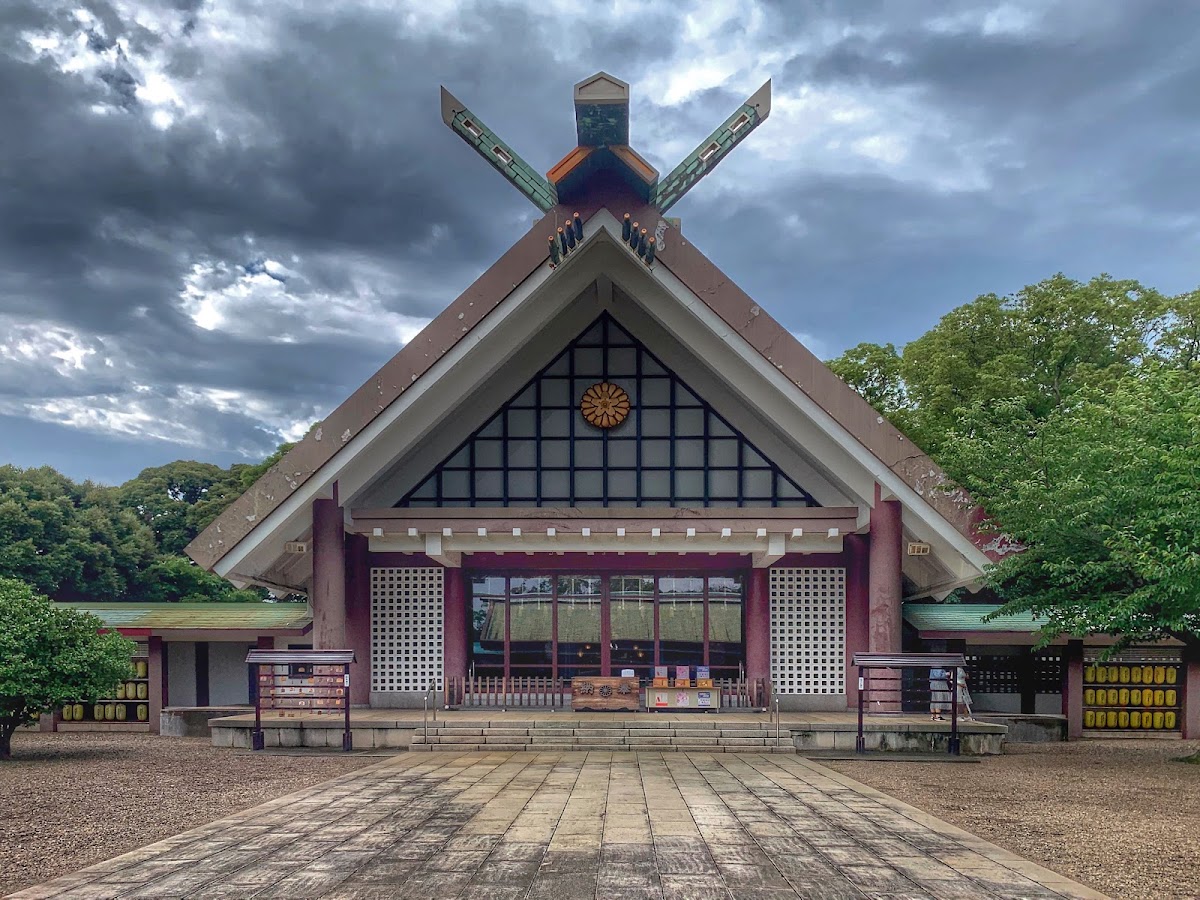
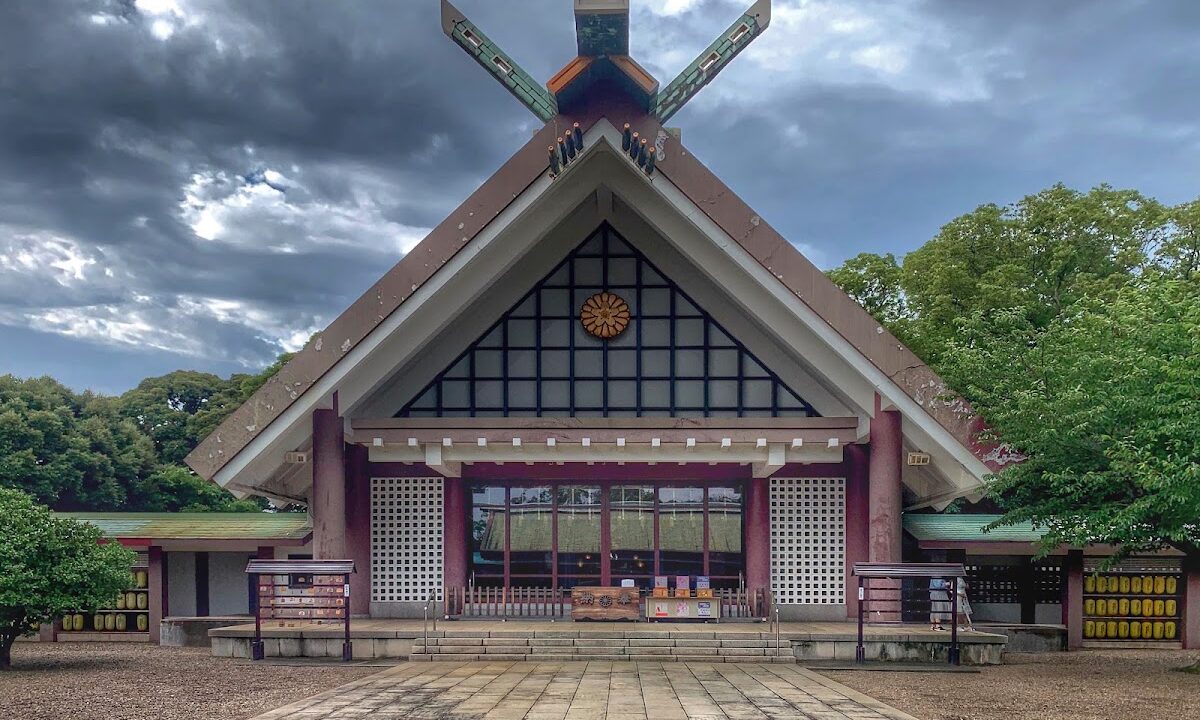
The main hall and worship hall of Chiba Prefecture Gokoku Shrine are built in the traditional style of shrine architecture. The wooden shrine buildings are regularly repaired, maintaining their beautiful appearance. A spacious worship area is located in front of the worship hall, accommodating many visitors.
Torii Gate and Approach
A magnificent torii gate stands at the entrance to the shrine, from which the approach to the main hall extends. Trees are planted on both sides of the approach, allowing visitors to enjoy the changing seasons. The scenery is particularly beautiful during the cherry blossom season in spring and the autumn foliage season.
Memorials and Monuments
Within the shrine grounds, there are memorials and monuments commemorating various wars and incidents. These monuments bear the names of those who died in battle and the names of their units, conveying the history of war to visitors.
Main Memorials:
- Memorial for those who died in the Greater East Asia War
- Memorial for those who died in the Russo-Japanese War
- Memorial for Kamikaze Pilots
- Memorial for Nurses
Water Basin
A water basin is provided for purification before worship. Please purify your hands and mouth according to the proper etiquette before worshipping.
Shrine Office
The shrine office provides Goshuin (temple/shrine seals), amulets, and talismans. They also answer questions and provide consultations regarding worship.
Goshuin Information
Issuance of Goshuin
Chiba Prefecture Gokoku Shrine offers Goshuin. Goshuin serve as proof of worship and are important for establishing a connection with the shrine.
Goshuin (Shrine Seal) Reception Hours:
- Normally: 9:00 AM to 4:00 PM (Subject to change, prior confirmation recommended)
Offering Fee:
- Approximately 300-500 yen (Subject to change)
Goshuin Design
The goshuin at Chiba Gokoku Shrine features the shrine’s name and date of visit written in ink, along with the shrine’s seal. It is characterized by a simple yet powerful calligraphy style.
You can bring your own goshuincho (seal book) or receive a pre-printed goshuin (may vary depending on circumstances).
Manners for Receiving a Goshuin (Shrine Stamp)
- Complete your prayers first before receiving your Goshuin.
- Request politely at the shrine office.
- Open your Goshuincho (stamp book) and hand it over.
- Prepare the offering fee.
- Don’t forget to express your gratitude.
Amulets and Gifts
Chiba Gokoku Shrine offers various amulets and gifts:
- Traffic Safety Amulet: Prayers for safety in cars and bicycles.
- Exorcism Amulet: Prayers for protection against misfortune.
- Health Amulet: Prayers for health and longevity.
- Academic Success Amulet: Prayers for academic improvement.
- Family Safety Amulet: Prayers for the safety and happiness of the family.
In addition, there are seasonal gifts and limited-edition items for special events.
Annual Events and Festivals
Chiba Gokoku Shrine holds various festivals and events throughout the year.
Main Annual Events
Spring Grand Festival (Late April – Early May)
The Spring Grand Festival is a time to express gratitude and remembrance for the war dead. Many bereaved families and related parties attend, and the ceremony is conducted in a solemn atmosphere.
Mitama Festival (July or August)
In summer, the Mitama Festival is held to comfort the spirits of the war dead. Lanterns are lit, and nighttime visits are possible.
Autumn Grand Festival (October – November)
The Autumn Grand Festival is just as important as the Spring Festival. Thanks are given for the harvest, and reports are made to the war dead.
New Year’s Day Festival (January 1st)
The New Year’s Day Festival is held to mark the beginning of the new year. Many worshippers visit for their first shrine visit of the year.
Other Events
- Monthly Festival (Every month)
- Memorial Service for the End of the War (August 15th)
- Various Memorial Services
*Event dates may change from year to year; please check official information.
How to Worship and Etiquette
Basic Worship Etiquette
When visiting Chiba Gokoku Shrine, follow the general etiquette for visiting a shrine:
- Passing through the Torii Gate: Bow before passing through the torii gate.
- Walking along the Path: The center of the path is the path for the gods, so walk along the edge.
- Purifying at the Water Basin:
- Hold the ladle in your right hand and purify your left hand.
- Switch the ladle to your left hand and purify your right hand.
- Switch the ladle back to your right hand, receive water in your left hand, and rinse your mouth.
- Purify your left hand again.
- Hold the ladle upright and purify the handle.
- Worshiping in Front of the Main Hall:
- Place your offering.
- Bow twice, clap twice, and bow once.
- Offer your heartfelt gratitude and prayers.
With a Spirit of Remembrance
Chiba Gokoku Shrine is a special shrine dedicated to the spirits of war dead. When visiting, it is important to pray quietly with a heart full of gratitude and remembrance for those who died in the war.
Access Information
Location
Address: 3-16-1 Benten, Chuo-ku, Chiba City, Chiba Prefecture
Access by Train
Using JR Lines:
- Approximately 15-20 minutes on foot from JR Sobu Line “Chiba Station”
- Approximately 15 minutes on foot from JR Sobu Line “Nishi-Chiba Station”
Using Chiba Urban Monorail:
- Approximately 10 minutes on foot from Chiba Urban Monorail “Sakusabe Station” (nearest station)
Access by Bus
When using buses from Chiba Station, there are several routes:
- Take a bus from Chiba Station North Exit
- Get off at “Gokoku Jinja Iriguchi” or a nearby bus stop
- A few minutes on foot
*Bus routes and timetables may change, so please check the latest information.
Access by Car
From Major Roads:
- Approximately 10 minutes from the Keiyo Expressway “Anagawa IC”
- Approximately 15 minutes from the Higashi-Kanto Expressway “Chiba-Kita IC”
Parking:
There is a parking lot for visitors on the shrine grounds. Spaces are limited, so we recommend using public transportation during festivals and events.
Nearby Facilities
The following facilities are located near Chiba Prefectural Gokoku Shrine:
- Chiba Park (within walking distance)
- Chiba City Museum of Art
- Chiba Prefectural Central Library
We recommend visiting these facilities before or after your visit to the shrine.
Precautions for Visiting the Shrine
Visiting Hours
The shrine grounds are generally open during the day, but the shrine office has limited hours:
- Visiting Hours: From sunrise to sunset (approximate)
- Shrine Office Hours: Approximately 9:00 AM to 4:00 PM (subject to change)
Dress Code
There are no strict dress code regulations, but please dress appropriately as this is a sacred place. Formal attire is recommended for formal worship or prayers.
Regarding Photography
Photography is generally permitted on the shrine grounds, but please observe the following points:
- Be considerate and avoid disturbing ceremonies or other worshippers.
- Do not photograph in areas where photography is prohibited, such as inside the main hall.
- Commercial photography requires prior permission.
Manners
- Worship quietly.
- Take your trash with you.
- Smoking is permitted only in designated areas.
- Be considerate if bringing a pet (e.g., hold them).
Significance and Role of Chiba Prefecture Gokoku Shrine
As a Place of Remembrance
Chiba Prefecture Gokoku Shrine is an important place to comfort the souls of those who died in war and to serve as a spiritual haven for bereaved families. Every year, many bereaved families visit to pay their respects, remember their loved ones, and offer prayers for peace.
As a Place for Peace Education
In recent years, Chiba Prefecture Gokoku Shrine has also gained attention as a place for peace education. It plays a role in conveying the history of war and the importance of peace to younger generations as a destination for school field trips and excursions. The memorials and monuments within the shrine grounds are valuable historical documents that convey the realities of war, deeply moving visitors.
Center of the Local Community
Chiba Prefecture Gokoku Shrine functions not only as a place of remembrance but also as a center of the local community. Through festivals and events, it serves as a place for local residents to gather and interact.
Points to Note When Visiting Chiba Prefecture Gokoku Shrine
Recommended Time to Visit
Spring (March-May):
The shrine grounds are beautifully adorned with cherry blossoms. It is also the time of the Spring Grand Festival, offering a solemn atmosphere.
Autumn (October-November):
The autumn foliage is beautiful, and the weather is pleasant. The Autumn Grand Festival is also held.
For a Quiet Visit:
Weekday mornings are recommended. There are fewer people, allowing for a more peaceful visit.
Estimated Time Required
- Regular Visit: 30 minutes to 1 hour
- In-depth Exploration: 1 hour to 1.5 hours
- Attending a Festival: 2 hours or more
Combined Sightseeing
In addition to visiting Chiba Prefectural Gokoku Shrine, we recommend visiting the following spots:
- Chiba Park: An urban park where you can enjoy flowers of all seasons
- Chiba City Museum of Art: A museum focusing on contemporary art
- Chiba Shrine: An ancient shrine located in the heart of Chiba City
- Chiba Port Tower: A symbolic tower of Chiba Port
Frequently Asked Questions
Is a donation required?
A donation is not required for a regular visit. However, a donation is required if you wish to receive a Goshuin (shrine stamp), amulet, or receive prayers.
Is it accessible for wheelchair users?
While the shrine grounds are becoming more barrier-free, there are still some areas with steps. If you wish to visit the shrine in a wheelchair, we recommend contacting the shrine office in advance.
Are group visits possible?
Group visits are possible. If you wish to visit with a large group or for a formal visit, we recommend contacting us in advance to arrange a date.
Are prayers and blessings available?
We accept various types of prayers and blessings. If you wish to receive prayers for protection from evil, family safety, traffic safety, etc., please contact the shrine office.
Summary
Chiba Prefecture Gokoku Shrine is an important shrine dedicated to those who died in war associated with Chiba Prefecture, and a place to offer prayers for remembrance and peace. In its tranquil grounds, you can learn about the history of war and feel the preciousness of peace.
When visiting Chiba City, we highly recommend visiting Chiba Prefecture Gokoku Shrine to offer gratitude to the war dead and prayers for peace. Receiving a Goshuin (shrine stamp) or viewing the memorial monuments on the grounds will provide an opportunity to deeply reflect on Japanese history and peace.
It’s relatively easy to access, within walking distance of Chiba Station, or reachable by monorail. Various events are held throughout the year, so we recommend checking official information and planning your visit beforehand.
We hope your visit to Chiba Gokoku Shrine will be a meaningful experience.