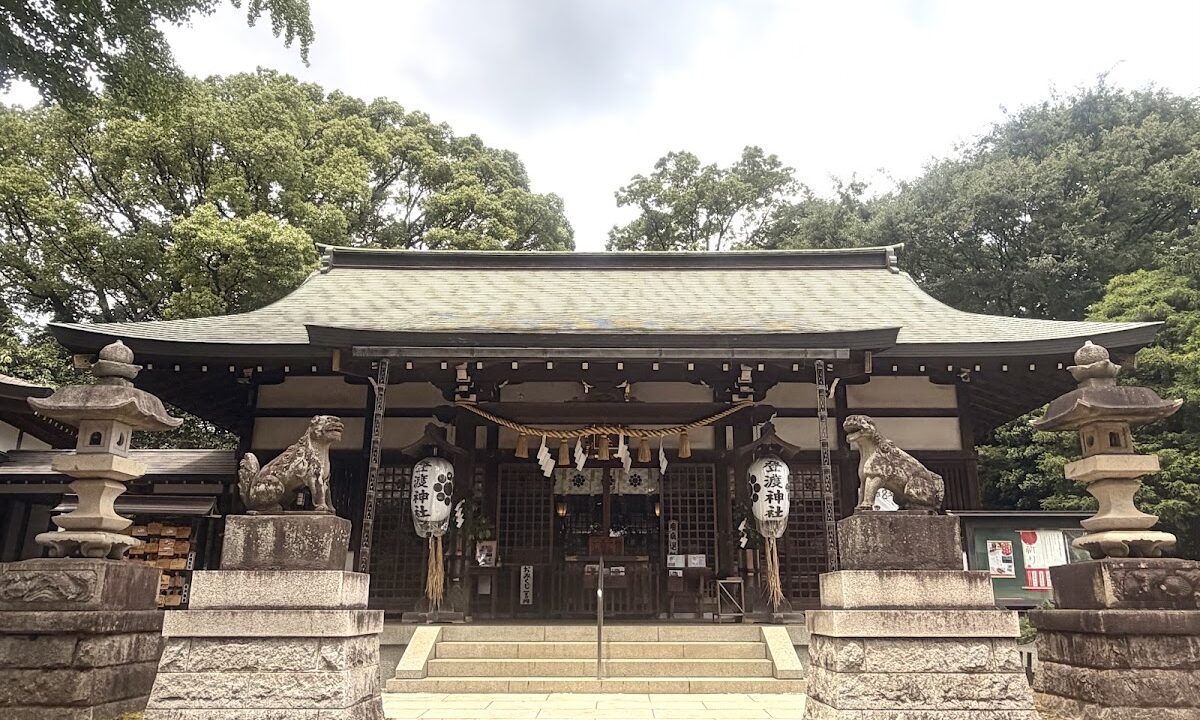
Towatari Shrine (Chiba Prefecture) Complete Guide | A Thorough Explanation of Deities, Goshuin (Shrine Seals), Access, and History
Located in Futtsu City, Chiba Prefecture, Towatari Shrine is a historically significant shrine deeply rooted in the community, long cherished by local residents. This article provides a detailed explanation of Towatari Shrine’s deities, history, goshuin (shrine seals), access methods, and blessings—all essential information before visiting.
What is Towatari Shrine?
Towatari Shrine is a shrine located in Futtsu City, Chiba Prefecture, and has long been revered as the local guardian deity. Futtsu City is located on the western side of the Boso Peninsula, facing Tokyo Bay, and is a region where rich nature and history coexist.
Towatari Shrine plays a central role in the local community, and various festivals are held throughout the year. The shrine grounds are enveloped in a tranquil atmosphere, making it a popular place for visitors to find peace and solace away from the hustle and bustle of the city.
Deities enshrined at Nobuto Shrine
The deities enshrined at Nobuto Shrine are gods who have been worshipped as guardian deities of the region. Like many local shrines, it is believed that the deities enshrined here are gods who preside over abundant harvests, family safety, and regional prosperity.
Shrines in Chiba Prefecture reflect the region’s long history of agriculture and fishing, and a deep-rooted belief in praying for bountiful harvests and catches is deeply ingrained. Nobuto Shrine is one such shrine deeply connected to this regional history.
Origin of the enshrined deities
Many shrines on the Boso Peninsula have their origins in the beliefs of people who have lived in this region since ancient times. The place name Nobuto itself may also reflect some historical background or geographical characteristics.
History of Nobuto Shrine
Origin of its founding
While the exact founding date of Nobuto Shrine is unclear due to the loss of old records, it is presumed from local elders’ traditions and local historical materials that it has been an object of worship since a considerably ancient period.
Futtsu City in Chiba Prefecture has flourished as a transportation hub since ancient times, playing a vital role as a key point for maritime traffic on Tokyo Bay and for land routes. It is believed that the Towatari Shrine, along with the region’s development, also attracted worshippers as a guardian deity of the area.
History from the Edo Period Onward
During the Edo period, the Boso Peninsula, being close to Edo (present-day Tokyo), was an important region supplying agricultural and fishing products. It is presumed that the Towatari Shrine also attracted many worshippers as a place to pray for bountiful harvests and abundant catches in the region.
Even during the Meiji era’s reforms of the shrine system, it survived as a local shrine and continues to be cherished by the local people to this day.
From Modern to Contemporary Times
Even as times changed from Showa to Heisei and Reiwa, the Towatari Shrine has continued to function as a spiritual pillar of the region. It serves as a central hub for local festivals and events, and a place for intergenerational exchange.
Benefits of the Towatari Shrine
The Towatari Shrine is believed to offer the following benefits:
Family Safety and Good Health
As the local guardian deity, this shrine is believed to offer blessings for the health and safety of families. Many local residents visit to pray for the health of their families.
Abundant Harvest and Business Prosperity
Reflecting the history of the region, where agriculture and fishing flourished, this shrine is believed to offer blessings for bountiful harvests and business prosperity. In modern times, many visitors come to pray for business success and career advancement.
Peace and Tranquility of the Community
As a shrine that prays for the peace and development of the entire region, it also plays a role in strengthening the bonds of the local community.
Traffic Safety
In modern times, many visitors pray for traffic safety, and car blessings are sometimes performed.
Guide to the Grounds of Towatari Shrine
Shrine Building
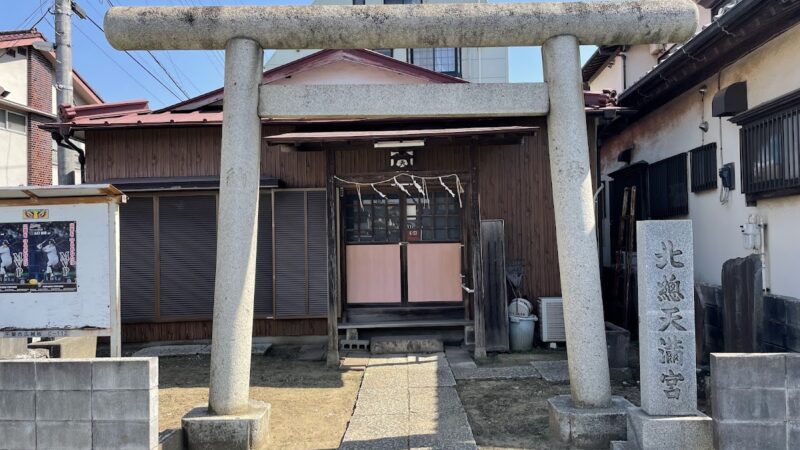
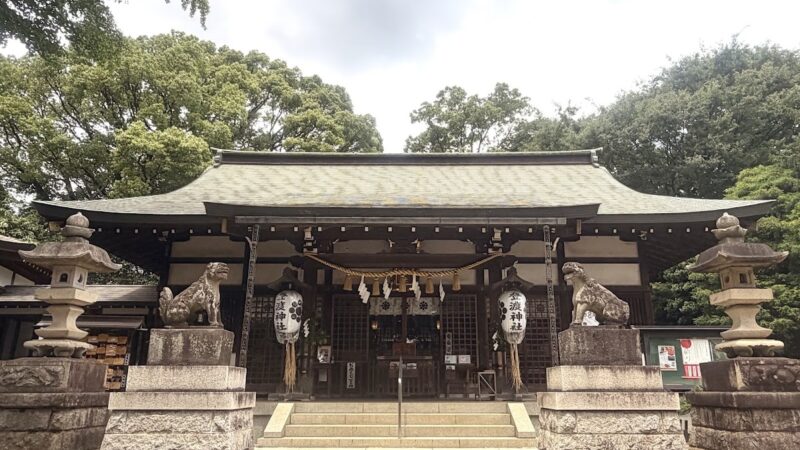
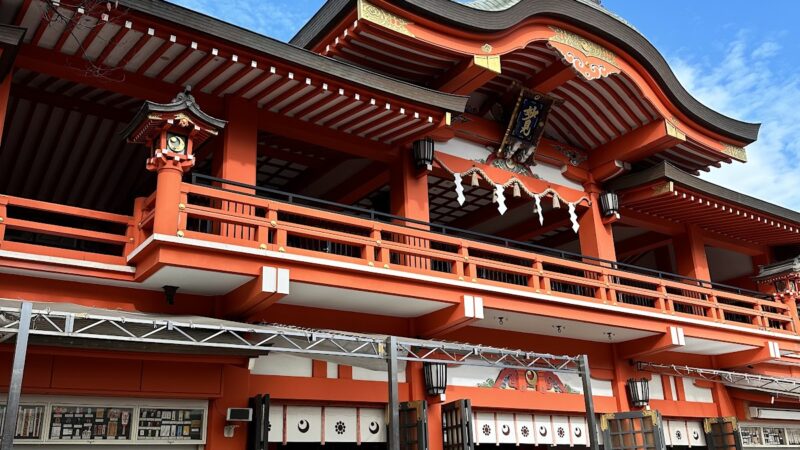
The shrine building of Towatari Shrine preserves the traditional style of shrine architecture. Although not large in scale, it is carefully maintained, reflecting the deep faith of the local people.
Torii Gate
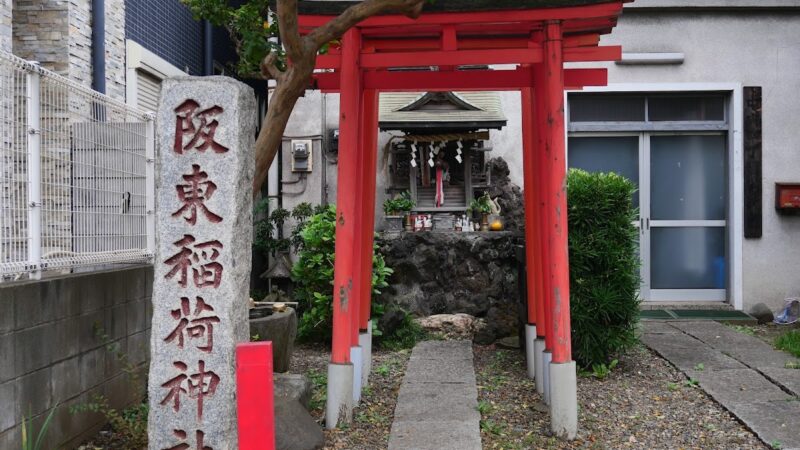
A torii gate stands at the entrance of the shrine, marking the entrance to the sacred area. It is proper etiquette to bow before passing through the torii gate.
Water Basin
There is a water basin for purifying oneself before praying. Scoop water with the ladle and purify your left hand, right hand, and mouth in that order before praying.
Atmosphere of the Shrine Grounds
The shrine grounds are surrounded by trees, creating a quiet and peaceful atmosphere. You can enjoy the changing natural scenery depending on the season.
Information on Goshuin (Shrine Seals) at Nobuto Shrine
Regarding the Issuance of Goshuin
It is recommended to check in advance regarding the issuance of goshuin at Nobuto Shrine. For smaller shrines, the goshuin office may not be open all the time.
Manners When Receiving a Goshuin
Goshuin are received as proof of your visit. Please observe the following manners.
- First, complete your prayers before receiving your goshuin (temple/shrine stamp).
- Prepare a goshuincho (stamp book) (it’s common to have separate books for shrines and temples).
- Prepare the offering (money) (generally around 300-500 yen).
- Request politely.
About Goshuincho
To receive a goshuin, prepare a dedicated goshuincho. It’s considered good manners to have separate books for shrines and temples. Check during your visit to see if Towatari Shrine has its own original goshuincho.
Annual Events at Towatari Shrine
Annual Grand Festival
Towatari Shrine also holds its annual grand festival. As an important local event, many local residents participate. Traditional festival rituals, such as the procession of the portable shrine and the dedication of kagura (sacred dance), may take place.
New Year’s Visit
The shrine is bustling with visitors for the New Year’s visit. Local people visit to pray for safety and prosperity in the new year.
Setsubun Festival
During Setsubun in February, events such as bean-throwing are sometimes held. Local children also participate, creating a lively atmosphere.
Other Festivals
Various festivals are held throughout the seasons. For detailed schedules, we recommend checking local bulletin boards or Futtsu City information.
Access to Towatari Shrine
Location
Towatari Shrine is located in Futtsu City, Chiba Prefecture. For the specific address, please refer to the latest map apps or Futtsu City tourist information.
Access by Train
Using the JR Uchibo Line is convenient. It can be accessed on foot or by taxi from the nearest station.
Examples of Access from Major Stations:
- On foot or by taxi from a JR Uchibo Line station
- From Tokyo, use the JR Sobu Line and Uchibo Line
- Travel time from Tokyo Station is approximately 1 hour 30 minutes to 2 hours
Access by Car
Access by car is also possible.
Access from Major Roads:
- Use the Tateyama Expressway
- Take local roads from Futtsu Chuo IC or Futtsu Takeoka IC
- Enter the shrine name or address into your car navigation system
Parking
Depending on the size of the shrine, there may not be a dedicated parking lot. Please avoid street parking and be considerate of the surrounding area.
Access Notes
- It may be crowded during festivals
- In winter, the sun sets early, so we recommend visiting during daylight hours
- Public transportation may be infrequent, so please check the timetable in advance.
Tourist Attractions Around Towatari Shrine
Highlights of Futtsu City
Why not visit some of Futtsu City’s tourist attractions in conjunction with your visit to Towatari Shrine?
Futtsu Cape
Futtsu Cape, jutting out into Tokyo Bay, is a representative tourist spot in Futtsu City. From the observation deck, you can enjoy a panoramic view of Tokyo Bay, and on clear days, you can even see Mt. Fuji.
Futtsu Coast
Futtsu Coast is famous as a clam digging spot. From spring to early summer, it’s bustling with many families.
Mother Farm
A popular tourist farm located in the area adjacent to Futtsu City. Visitors can enjoy interacting with animals and seasonal flowers.
Nearby Shrines and Temples
The Boso Peninsula has many historical shrines and temples. Visiting them along with Nobuto Shrine is also recommended.
Manners and Etiquette for Visiting Shrines
Basic Etiquette for Visiting Shrines
By following the correct etiquette for visiting shrines, you can offer a more heartfelt prayer.
How to Pass Through a Torii Gate
- Bow before the torii gate.
- Walk along the edge of the path, as the center is the path for the gods.
- Bow again after passing through the torii gate when leaving.
How to Wash Your Hands
- Hold the ladle in your right hand and wash your left hand.
- Switch the ladle to your left hand and wash your right hand.
- Switch the ladle back to your right hand, receive water in your left hand, and rinse your mouth.
- Wash your left hand once more.
- Hold the ladle upright, let water flow down the handle, and return it to its original position.
How to Perform the Ritual at the Shrine Hall (Two Bows, Two Claps, One Bow)
- Place your offering in the offering box.
- Ring the bell if there is one.
- Bow deeply twice.
- Clasp your hands twice at chest height.
- Pray with your hands clasped together.
- Finally, bow deeply once.
Attire for Visiting the Shrine
While special formal attire is not required, please observe the following points:
- Wear clean and presentable clothing.
- Avoid revealing clothing.
- Remove hats and sunglasses within the shrine grounds.
- Dress appropriately, recognizing the sacred nature of the place.
Photography Etiquette
- Do not take photos in areas where photography is prohibited.
- Be considerate of other visitors.
- Permission is often required to photograph inside the shrine buildings.
- When posting on social media, be careful not to include other visitors in your photos.
The Charm of Towatari Shrine
A Shrine Rooted in the Community
The greatest charm of Towatari Shrine lies in its deep roots in the local community. Unlike large-scale tourist shrines, it is an integral part of the daily lives of the local people, offering a simple and warm atmosphere.
A Tranquil Worship Environment
Another charm is the quiet environment, far removed from the hustle and bustle of the city, allowing for a peaceful and tranquil worship experience. It provides a time to calm your mind and reflect on yourself.
Nature in Every Season
The nature within the temple grounds and surrounding area displays different expressions in each of the four seasons. From the fresh greenery of spring, the deep green of summer, the vibrant autumn leaves, to the tranquility of winter, there are delights to experience in every season.
Interacting with Local Culture
By participating in festivals and other events, you can experience the traditional culture of the region. Through interaction with local people, you can feel the form of faith that has been passed down to the present day.
About Futtsu City
Overview of Futtsu City
Futtsu City is located in the southern part of Chiba Prefecture, on the western side of the Boso Peninsula. Facing Tokyo Bay, it offers views of the Miura Peninsula in Kanagawa Prefecture across the bay.
History of Futtsu City
It has flourished since ancient times as a key point for maritime traffic in Tokyo Bay. During the Edo period, it played an important role as a transit point for transporting products from the Boso Peninsula to Edo (present-day Tokyo).
Industries of Futtsu City
Traditionally, agriculture and fishing have been thriving industries, with Futtsu City being particularly known for seaweed cultivation and the harvesting of shellfish such as clams. In modern times, the opening of the Tokyo Bay Aqua-Line has led to the development of the tourism industry.
Nature of Futtsu City
Blessed with abundant nature, Futtsu City offers the enjoyment of both its coastline and inland mountains. Futtsu Cape is designated as a prefectural natural park and is known as a place where many wild birds migrate.
Best Season for Visiting Towatari Shrine
Spring (March-May)
This is the season of fresh greenery, with the trees in the shrine grounds budding, creating a refreshing atmosphere for worship. The weather is mild, making it an ideal season for strolling.
Summer (June-August)
The greenery becomes denser, and the shade of the trees provides coolness. However, precautions against the heat and insects are necessary.
Autumn (September-November)
This is the season of autumn leaves, with the shrine grounds and surrounding nature beautifully colored. The weather is pleasant, making it one of the best seasons for visiting the shrine.
Winter (December to February)
This season is even more tranquil. Events such as Hatsumode (first shrine visit of the year) and Setsubun (bean-throwing festival) are held. Please dress warmly when visiting.
Frequently Asked Questions about Towatari Shrine
Visiting Hours
While the shrine is generally open 24 hours for worship, the opening hours of the shrine office and gift shop are limited. If you wish to obtain a Goshuin (shrine stamp) or amulet, it is recommended to visit during daytime hours.
Amulets and Talismans
Towatari Shrine may offer various amulets and talismans. Please check details when you visit.
Bringing Pets
Policies vary by shrine, but generally, it is considered good manners to refrain from bringing pets onto the shrine grounds. It is recommended to check in advance.
Accessibility for People with Disabilities
Small shrines may not have accessibility facilities. If you wish to visit in a wheelchair, it is recommended to check in advance.
Summary
Towatari Shrine is a community-based shrine located in Futtsu City, Chiba Prefecture. Unlike large-scale tourist shrines, it offers a simple and warm atmosphere, a place where you can pray with peace of mind.
While feeling the history and culture of the region, you can pray for blessings such as a bountiful harvest, family safety, and business prosperity. When visiting Futtsu City, please be sure to visit Towatari Shrine.
When visiting, please observe basic manners and etiquette, and be mindful of the sacred nature of the place. Combining your visit with other nearby tourist attractions will make your trip even more fulfilling.
May your visit to Towatari Shrine be a time of peace and tranquility for you.