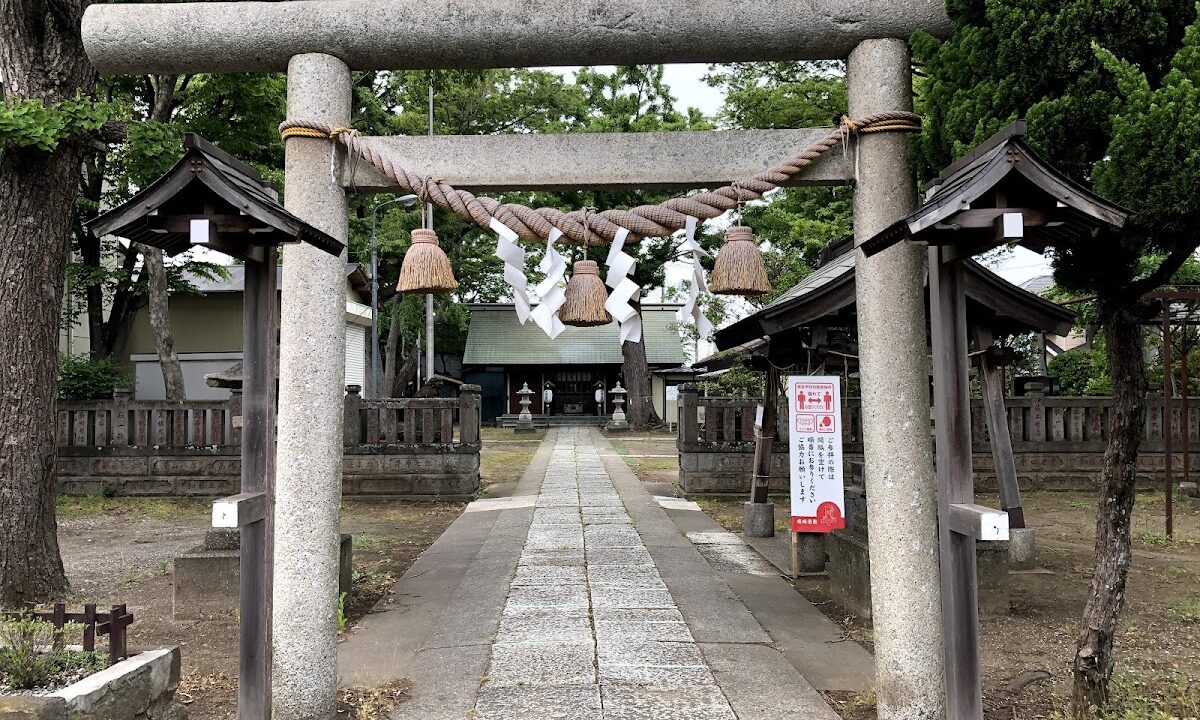
Soga Hime Shrine (Chiba Prefecture) Complete Guide | History, Goshuin (Shrine Seal), and Access Information
Soga Hime Shrine, located in Soga, Chuo-ku, Chiba City, is a historically significant shrine listed in the Engishiki Jinmyocho (a list of shrines compiled in the Heian period). Deeply connected to the legend of Yamato Takeru’s eastern expedition, this shrine is known as one of the most historically valuable ancient shrines in Chiba Prefecture. This article comprehensively introduces all the information necessary for visiting Soga Hime Shrine, including its history, enshrined deities, goshuin information, highlights within the grounds, and access methods.
Overview of Soga Hime Shrine
Soga Hime Shrine is located at 2-2-7 Soga, Chuo-ku, Chiba City, approximately a 13-minute walk from JR Soga Station. It is listed as “Sugahime Shrine” in the Engishiki Jinmyocho (a list of shrines compiled in the Heian period) under the Tokaido region, Shimosa Province, Chiba District, and was a Shikinaisha (a minor shrine) that was ranked as a Gosha (village shrine) under the modern shrine ranking system.
Basic Information
- Official Name: Soga Hime Shrine
- Pronunciation: Soga Hime Jinja
- Address: 2-2-7 Soga, Chuo-ku, Chiba City, Chiba Prefecture 260-0822
- Phone Number: 043-261-3450
- Shrine Rank: Shikinaisha (Minor Shrine), Former Village Shrine
- Main Deities: Soga Hime Okami, Chiyoharu Inari Okami
- Parking: Available (Capacity: 3 cars)
History and Origins of Soga Hime Shrine
The founding of Soga Hime Shrine is deeply connected to the legend of Yamato Takeru’s eastern expedition. Records remain in multiple historical documents, each conveying the shrine’s history.
The Legend of Yamato Takeru and Ototachibana-hime
When Yamato Takeru, the son of the 12th Emperor Keiko, was on an expedition to the eastern provinces, he encountered a fierce storm at sea while crossing from Sagami Province to Kazusa Province. It is said that at this time, Yamato Takeru’s consort, Ototachibana-hime, threw herself into the sea to appease the wrath of the sea god.
According to shrine tradition, five women who accompanied Ototachibana-hime also drowned, but only one of them, Soga no Hime, the daughter of Soga no Omi, was washed ashore. She was revived by the villagers’ care and was able to return to the capital.
History According to the “Draft Chiba Prefecture History”
The “Draft Chiba Prefecture History,” compiled during the Meiji era, contains detailed records of Soga no Hime Shrine. According to this record, the shrine was founded during the reign of Emperor Ōjin when the Soga clan was appointed as the provincial governor of Shimōsa Province. It was established to enshrine the Soga clan’s tutelary deities, Kasuga Shrine and Hime Shrine.
This record indicates that the shrine was not merely a place of local worship, but an important shrine dedicated to the tutelary deities of the powerful Soga clan.
Origin according to “Shimōsa no Kuni Kyūji Kō”
The Edo period geographical record “Shimōsa no Kuni Kyūji Kō” provides a more detailed account of the origin of Soga Hime Shrine. It states that Emperor Ōjin appointed the Soga clan as the provincial governor of Shimōsa Province to appease the spirit of a Soga princess (Hime) who died during Yamato Takeru’s eastern expedition, and that the shrine was founded at that time.
This historical document suggests that the shrine’s founding was not merely a legend, but was closely linked to the ancient political and social context.
History According to the Soga Hime Shrine Brochure
The “Soga Hime Shrine Brochure,” issued by the shrine, contains a more detailed account of its history. It explains that among the women who accompanied Ototachibana-hime when she attempted suicide by drowning, Soga Hime was the only one to survive. It also details the subsequent founding of the shrine in this location and its subsequent reverence as the guardian deity of the region.
Status as a Shikinaisha (Shrine Listed in the Engishiki)
Soga Hime Shrine is listed as “Soga Hime Shrine” in the “Engishiki Jinmyocho,” compiled in the 5th year of the Engi era (927 AD) during the Heian period. The Engishiki Jinmyocho is a record of major shrines throughout Japan recognized by the imperial court at the time, and its inclusion is evidence of the shrine’s status and historical importance.
Two Shikinaisha are listed in Chiba County, Shimosa Province, and Soga Hime Shrine is one of them. The fact that it is listed as a Myōjin Shōsha (a minor shrine) indicates that it was recognized as an important shrine even in ancient times.
Tokugawa Ieyasu and the Goshuinjō (Official Seal Document)
A significant turning point in the history of Soga Hime Shrine was the granting of a Goshuinjō (official seal document) granting 10 koku of land to the shrine by Tokugawa Ieyasu in 1591. This signified that the Edo Shogunate recognized the shrine’s history and status and provided economic protection.
With this Goshuinjō, the shrine gained a stable economic base and, throughout the Edo period, gathered local faith as the guardian shrine of Chiba-no-shō.
The Meiji Era Shrine Ranking System and the Ranking of Gosha (Village Shrine)
In 1872, with the introduction of the modern shrine ranking system, Soga Hime Shrine was ranked as a Gosha. Gosha were shrines with a rank second only to prefectural shrines, and were given to shrines that played an important role in their respective regions.
This ranking established Soga Hime Shrine as a major shrine in the Chiba City area even in modern times, and it served as a spiritual pillar of the region as a local shrine until the end of World War II.
Deities and Divine Virtues
Soga Hime Shrine enshrines Soga Hime-no-Okami and Chiyoharu Inari-no-Okami as its main deities. Many other deities are also enshrined as subordinate deities, and are believed to possess various divine virtues.
Main Deities
Soga Hime-no-Okami
This deity is the deification of the Soga clan princess who, following Ototachibana-hime, drowned herself and was the only survivor. Because she overcame hardship and survived, she is worshipped as a symbol of protection against misfortune, good fortune, and vitality.
Chiyoharu Inari-no-Okami
This Inari deity is believed to bestow blessings of abundant harvests, business prosperity, and family safety. It is revered as a deity that protects the local industry and livelihoods.
Enshrined Deities
Soga Hime Shrine also enshrines many deities appearing in Japanese mythology, and it is believed that their divine virtues will grant the various wishes of worshippers.
Highlights and Cultural Assets within the Shrine Grounds
The grounds of Soga Hime Shrine are dotted with historical buildings and cultural assets.
Shrine Buildings
The current shrine buildings follow traditional shrine architectural styles while being adapted to the local climate and environment. The worship hall and main sanctuary are integrated, creating a solemn atmosphere that quietly welcomes worshippers.
Subsidiary Shrines
Several subsidiary shrines are enshrined within the grounds, each attracting its own unique devotion. These subsidiary shrines, including Chiyoharu Inari Shrine, reflect the diverse faiths of the local people.
Stone Monuments and Memorials
Stone monuments and memorials that tell the history of the shrine are erected within the grounds. These are valuable historical materials that convey the changes in the shrine and its relationship with the local community.
Information on Goshuin (Shrine Seals) and Goshuincho (Shrine Seal Books)
Soga Hime Shrine offers goshuin to visitors. Goshuin are popular among many visitors as proof of their visit and as a record of their faith.
About Receiving Goshuin
Normally, you can receive a goshuin at the shrine office when you visit. Especially on the mornings of the 1st and 15th of each month, it is known that you can receive carefully written goshuin. These days are bustling with visitors seeking goshuin with even more beautiful calligraphy.
Goshuincho (Shrine Seal Books)
Soga Hime Shrine also offers original goshuincho (shrine seal books) (availability may vary depending on stock). They feature designs related to the history and origins of the shrine and are popular as souvenirs of visits.
Manners When Receiving a Goshuin
Since a goshuin is proof of your visit, be sure to complete your prayers before receiving one. It is also important to bring your goshuincho (stamp book) and request the stamp using polite language. The offering (the amount to be paid) is generally around 300 to 500 yen.
Annual Events and Festivals
Soga Hime Shrine holds various festivals throughout the year. These events are important opportunities to pass on the region’s traditional culture and cultivate the faith of parishioners and visitors.
Main Annual Events
New Year’s Day Festival (January 1st)
This festival prays for happiness and peace in the new year. Many visitors come for their first shrine visit of the year, celebrating the start of the year before the gods.
Grand Festival
This is the shrine’s most important festival, featuring a procession of the portable shrine and dedication ceremonies. The entire community participates, and it is a grand celebration.
Monthly Festival (1st and 15th of each month)
Monthly festivals are held on the 1st and 15th of each month, where prayers are offered for the peace and well-being of the parishioners and the prosperity of the region.
Pilgrimage to Shrines Associated with Yamato Takeru
In the Uchibo region of Chiba Prefecture, there are several shrines that, like Soga Hime Shrine, are associated with the legend of Yamato Takeru’s eastern expedition. A “pilgrimage to shrines associated with Yamato Takeru” is a popular route for history enthusiasts and shrine visitors.
Related Main Shrines
Anezaki Shrine (Anezaki, Ichihara City)
Located near JR Anegasaki Station, it is said to enshrine a lady-in-waiting of Ototachibana-hime.
Omiya Shrine (Goi, Ichihara City)
Located near JR Goi Station, it enshrines Yamato Takeru as its main deity.
Iikagaoka Hachimangu Shrine (Yawata, Ichihara City)
This ancient shrine, located near JR Yawatajuku Station, has legends related to Yamato Takeru’s eastern expedition.
Visiting these four shrines allows for a multifaceted understanding of the legend of Yamato Takeru and Ototachibana-hime, providing a valuable experience of touching upon the history of ancient eastern Japan.
Access Information
Soga Hime Shrine can be accessed by both public transport and car.
Access by Train
From JR Keiyo Line/Uchibo Line “Soga Station”
- Walking: Approximately 13 minutes
- Bus: Approximately 7 minutes (using Kominato Railway Bus)
Soga Station is a major station served by the JR Keiyo Line and Uchibo Line, located approximately 40 minutes from Tokyo Station on the Keiyo Line and approximately 5 minutes from Chiba Station on the Uchibo Line.
Access by Bus
If using the bus from Soga Station, take the Kominato Railway bus and get off at “Soga 2-chome” or the nearest bus stop. The shrine is a few minutes’ walk from the bus stop.
Access by Car
From Tokyo
Exit the Keiyo Expressway at Matsugaoka IC and proceed along National Route 16. Turn right at the first traffic light, turn right again at the Soga 2-chome intersection, and turn left at the Chiba Minami Tax Office Entrance intersection to arrive.
From Chiba City
Take the Tokyo Bay Shore Expressway (National Route 357) and turn at the Soga 1-chome traffic light; the shrine is immediately there.
Parking
There is a parking lot on the shrine grounds that can accommodate 3 cars. Due to limited space, please consider using nearby paid parking lots during busy periods.
Nearby Tourist Attractions
There are several tourist attractions around Soga Hime Shrine that you might want to visit in conjunction with your shrine visit.
Fukuda Denshi Arena (Soga Stadium, Chiba City)
This is the home stadium of J.League team JEF United Chiba, and is within walking distance of Soga Station. You can spend a day combining soccer viewing and shrine visits.
Chiba City Central Wholesale Market
This market is bustling with activity from early morning, offering fresh seafood and produce. You can enjoy dishes made with fresh seafood at the market’s restaurants.
Chiba Port Tower
This observation tower, a beloved symbol of Chiba Port, offers panoramic views of Tokyo Bay. It’s about a 15-minute drive from Soga Station.
Manners and Etiquette for Shrine Visits
There are manners and customs to observe when visiting a shrine. When visiting Soga Hime Shrine, please keep the following basic customs in mind.
How to Pass Through the Torii Gate
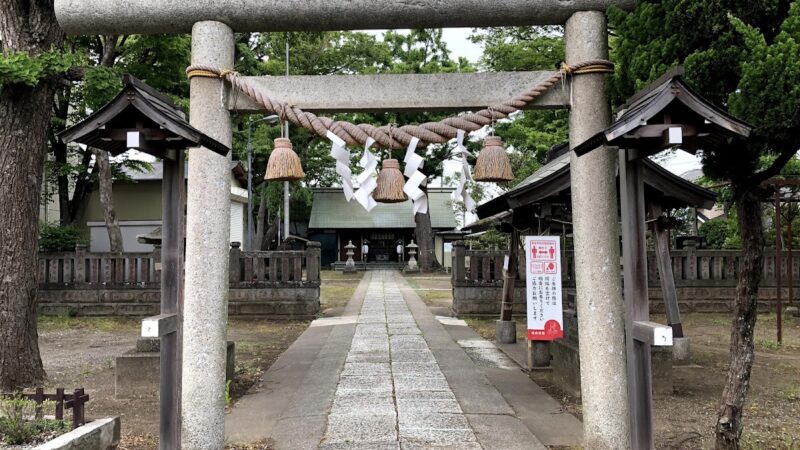
The torii gate is the entrance to the sacred area. Bow before passing through the gate. Since the center of the approach to the shrine is considered the path of the gods, walk along the edges.
Ritual of Watering
Purify your body and mind at the water basin. Hold the ladle in your right hand and purify your left hand, then switch to your left hand and purify your right hand. Switch back to your right hand, receive water in your left hand, rinse your mouth, and finally hold the ladle upright to purify the handle.
Worship at the Main Hall
The basic ritual in front of the main hall is “two bows, two claps, one bow.” Bow deeply twice, clap your hands twice, and finally bow deeply once.
Origin of the Place Name Soga
The place name “Soga,” where Soga Hime Shrine is located, is deeply connected to the shrine’s history. A leading theory suggests that the area came to be called “Soga” after Soga Hime was washed ashore and revived.
Furthermore, there is a theory that the name originates from the fact that the Soga clan, a powerful ancient clan, ruled this area, demonstrating the close connection between the place name, the shrine, and history.
Shikinaisha Shrines and Historical Positioning in Chiba Prefecture
While there are several Shikinaisha shrines in Chiba Prefecture, Soga Hime Shrine is one of the most historically significant. As a Shikinaisha shrine of Shimosa Province, it has remained a center of faith in this region since ancient times.
Understanding the history and traditions of Soga Hime Shrine is essential for understanding the shrine culture of Chiba Prefecture. Its commitment to preserving local faith while maintaining the prestige of a Shikinaisha shrine has impressed many visitors.
Visitor Voices and Experiences
Visitors who have come to Soga Hime Shrine have shared a variety of impressions.
“I was able to worship at a leisurely pace in a quiet and peaceful atmosphere. Visiting after learning about the legend of Yamato Takeru and Ototachibana-hime made the experience even more profound.”
“I visit on the 1st of every month to receive a Goshuin (temple/shrine stamp). The carefully written Goshuin is a wonderful memento of my visit.”
“I visited this shrine while touring shrines associated with Yamato Takeru in the Uchibo area. Each shrine has a different tradition, and I felt the profound depth of history.”
These comments from visitors demonstrate that Soga Hime Shrine remains a spiritual anchor for many people.
The Present and Future of Soga Hime Shrine
Soga Hime Shrine, with its long history dating back to ancient times, continues to play an important role as a spiritual pillar of the community in modern times. Through the cooperation of parishioners and devotees, the shrine grounds are maintained and festivals are passed down, ensuring that traditions are preserved for future generations.
In Chiba City, where urbanization is progressing, the existence of a historical shrine is invaluable in maintaining the community’s identity. Soga Hime Shrine will continue to be an important place that conveys the history and culture of Chiba.
Summary
Soga Hime Shrine is a representative Shikinaisha (shrine listed in the Engishiki) of Chiba Prefecture, originating from the legend of Yamato Takeru’s eastern expedition. As an ancient shrine listed in the Heian period’s “Engishiki Jinmyocho” (a list of shrines compiled in the Heian period), and a historically significant shrine that received a Goshuinjo (official seal) from Tokugawa Ieyasu, it holds an important place in the history of Chiba City.
The legend of Soga Hime, who drowned herself following Ototachibana-hime and was the only one to survive, continues to give hope to many visitors as a symbol of the power to overcome difficulties. Its convenient location within walking distance of JR Soga Station has made it a popular destination not only for local residents but also for many visitors from within and outside the prefecture.
You can receive a Goshuin (shrine seal), and especially on the 1st and 15th of each month, carefully written Goshuin are given out. It is also a popular stop on a pilgrimage to shrines associated with Yamato Takeru in the Uchibo region, allowing visitors to enjoy a journey of history and faith.
When you visit Chiba City, be sure to stop by Soga Hime Shrine and experience its ancient history and traditions. The tranquil grounds and the time you spend contemplating Japanese mythology and history will surely be a memorable experience.