Kabuto-Okami (Inage-ku, Chiba City, Chiba Prefecture) | Complete Guide to History, Deities, and Access
Kabuto-Okami, quietly situated in Miyanogi-cho, Inage-ku, Chiba City, is a shrine that has been cherished by the local community for centuries. Even amidst the increasing urbanization of Chiba City, it remains a valuable place of worship that retains its historical charm, attracting many visitors. This article provides a detailed overview of Kabuto-Okami, including its history, enshrined deities, grounds, and access information.
Overview of Kabuto-Okami
Kabuto-Okami is a shrine located at 1474 Miyanogi-cho, Inage-ku, Chiba City, Chiba Prefecture, and is a religious corporation under the umbrella of the Association of Shinto Shrines. It is pronounced “Kabuto-Okami” or “Kabuto-Daijin,” and affectionately called “Kabuto-Okami-sama” by local residents.
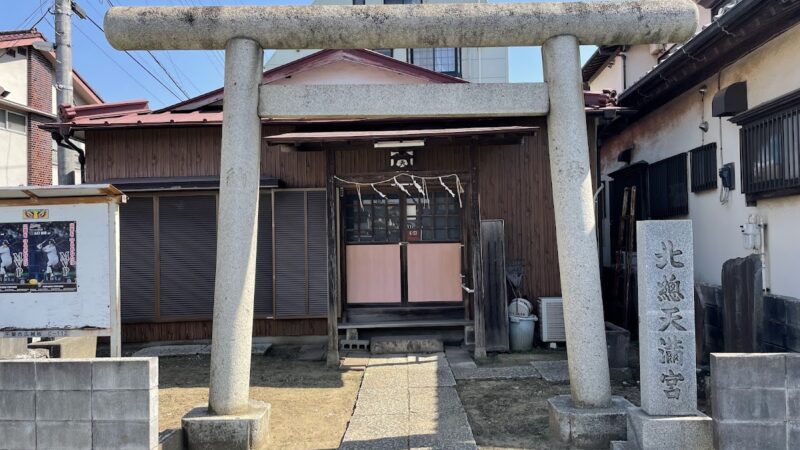
Despite its location in a residential area of Inage-ku, Chiba City, it maintains lush green grounds and attracts many worshippers as the local guardian deity. The shrine, though small, is meticulously maintained and plays a vital role as a spiritual pillar for the local community.
History and Origins of Kō-Ōkami Shrine
Circumstances of Founding
The exact founding date of Kō-Ōkami Shrine is unknown, but it is believed to have begun when the pioneers who settled this land in ancient times built a shrine and enshrined deities, praying for protection of agriculture, commerce, and industry. The Miyanogi area has long been inhabited by people, and it is thought that the pioneers invited deities to pray for bountiful harvests and business prosperity.
Records from the Edo Period
As a valuable historical artifact that tells the history of Kō-Ōkami Shrine, a stone lantern bearing the inscription “Bunsei 10” (1827) still exists on the shrine grounds. The existence of this stone lantern confirms that the shrine was already established as a religious institution and attracted local faith by at least the late Edo period. Bunsei 10 falls in the late Edo period, suggesting that the shrine buildings were already in place and regular rituals were being performed around this time.
The fact that a stone lantern from approximately 200 years ago still remains is a testament to the long-standing care and preservation of the shrine by the local people.
Changes Since the Modern Era
As the Japanese shrine system was established during the Meiji era, Kō-Ōkami was also positioned as the local tutelary shrine. After the war, based on the Religious Corporations Act, it became a religious corporation under the jurisdiction of the Chiba Prefectural Governor, encompassing the Association of Shinto Shrines.
In recent years, the surrounding environment has changed significantly due to urbanization, but thanks to the efforts of local residents, the shrine grounds have been preserved and it continues to be maintained as a place of worship. In 2007, a problem concerning the sacred tree on the shrine grounds became a topic of discussion in the community and was reported in the Inage Shimbun newspaper, highlighting the challenge of harmonizing the shrine with regional development.
Deities Enshrined
Kō-Ōkami enshrines Ōanamuchi-no-Mikoto as the principal deity, with a total of seven deities enshrined in the auxiliary shrines.
Main Deity: Ōanachi-no-Mikoto
Ōanachi-no-Mikoto is another name for Ōkuninushi-no-Mikoto and is an important deity in Japanese mythology, also known as the main deity of Izumo Taisha Shrine. He is believed to possess a wide range of divine virtues, including land development, agriculture, commerce and industry, medicine, and matchmaking.
Considering the history of Kō-Ōkami Shrine, which was founded with the purpose of protecting agriculture and commerce and industry, the selection of Ōanachi-no-Mikoto as the main deity, as a god of industrial development, is a very natural choice.
Deities Enshrined in the Side Halls
In addition to the main deity, six other deities are enshrined in the side halls. These deities are thought to have been invited to respond to various wishes of the region and to possess diverse divine virtues. The number seven is considered auspicious in Japanese beliefs, symbolizing completeness and fulfillment.
Shrine Grounds and Highlights
Shrine Building
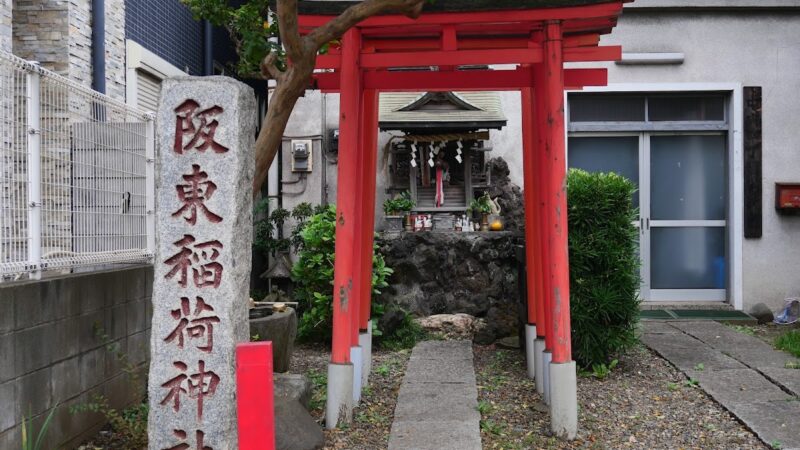
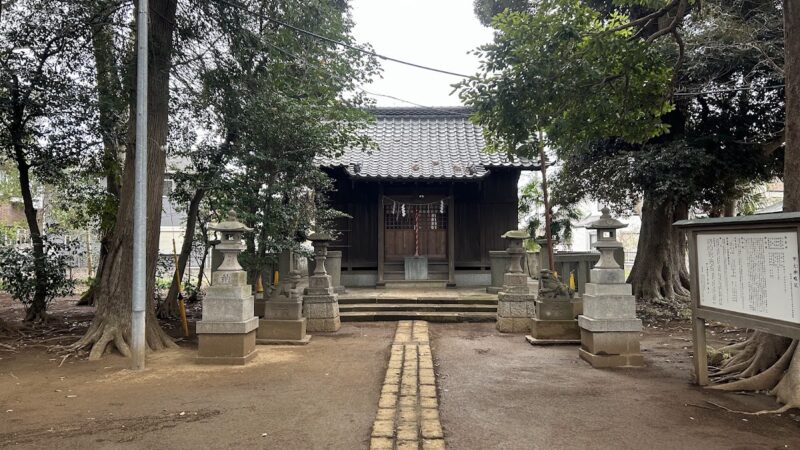
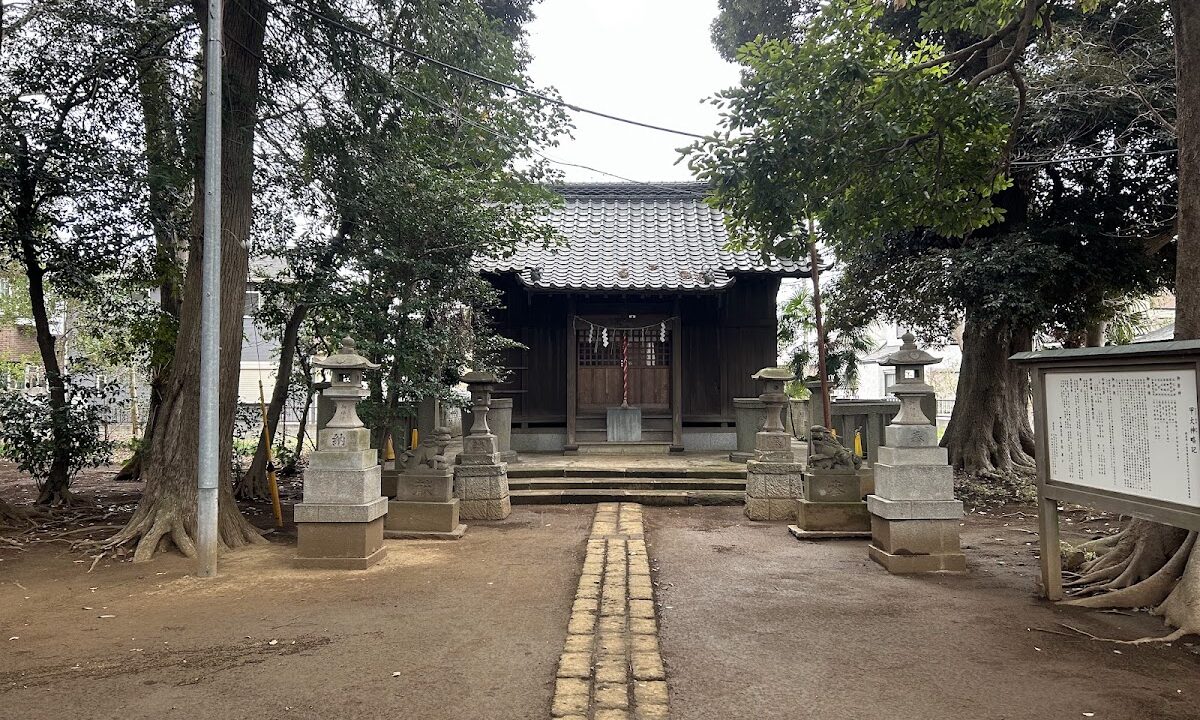
The shrine building of Kō-Ōkami Shrine maintains a tranquil atmosphere despite being located in a residential area. Although small in scale, the meticulously maintained shrine buildings reflect the deep faith of the local people. Like many small shrines in Chiba City, it maintains a simple yet sacred space.
Stone Lantern (Bunsei 10th Year Inscription)
The most historically valuable item on the shrine grounds is the stone lantern bearing the inscription of Bunsei 10th year (1827). Having endured the elements for approximately 200 years, this stone lantern retains its original form and is a valuable cultural asset that conveys the history of Kōdaijin Shrine. It is a historical site that you should definitely pay attention to when visiting.
Nature on the Shrine Grounds
Located in the increasingly urbanized Inage Ward of Chiba City, the grounds of Kōdaijin Shrine are a valuable green space. It is said that there was once a large sacred tree, and even now, various plants color the grounds in each season. The opportunity to worship in a tranquil environment is one of the great attractions of this shrine.
Rituals and Annual Events
At Kōdaijin Shrine, various rituals are performed throughout the year as the local tutelary deity. Although it is a small shrine, traditional festivals are preserved through the cooperation of local residents.
At major festivals, including the annual grand festival, local people gather, reaffirming the bonds of the community centered around the shrine. People can be seen visiting the shrine at significant life events and seasonal changes, such as for Hatsumode (first shrine visit of the year), Setsubun Festival, and Shichi-Go-San (a traditional rite of passage for children).
Faith and Divine Virtues of Kōdaijin Shrine
Guardian Deity of Agriculture and Commerce
As is clear from the history of its founding, Kōdaijin Shrine was established primarily to protect agriculture and commerce. The main deity, Ōanachinushi-no-Mikoto, is widely worshipped as the god of land development and industrial promotion, attracting the faith of people praying for the development and prosperity of the region.
As the Local Tutelary Deity
As the tutelary deity of the Miyanogi-cho area, Kōdaijin Shrine is an integral part of the lives of local residents. Various wishes related to daily life, such as family safety, good health, and prosperity of descendants, are offered here. It continues to play an important role as a spiritual anchor for the local community.
Location Information
Address: 1474 Miyanogi-cho, Inage-ku, Chiba City, Chiba Prefecture 263-0054
Kōdaijin Shrine is located in Miyanogi-cho, Inage-ku, Chiba City. Miyanogi-cho is located in the northwestern part of Chiba City and is an area where residential and commercial facilities are mixed. The area around the shrine is a relatively quiet residential neighborhood, allowing for a peaceful environment for worship.
Access Methods
Access by Train/Nearest Station
The nearest train stations to Kōdaijin are:
- Chiba Urban Monorail Line 2, Sports Center Station: Approximately 1.7km (approximately 20 minutes on foot)
- JR Sōbu Main Line, Anagawa Station: Approximately 1.8km (approximately 22 minutes on foot)
- JR Sōbu Line, Inage Station: Approximately 2.1km (approximately 26 minutes on foot)
Since it takes more than 20 minutes on foot from any of these stations, using a bus or taxi is recommended.
Access by Bus
Access from the nearest bus stop is also possible. By using local buses operating within Chiba City and getting off at a bus stop around Miyanogi-machi, you can shorten the walking distance. For specific bus routes, please check the Chiba City Bus or Keisei Bus route maps.
Access by Car
Access by private car is also possible. The shrine can be accessed from Chiba city center via National Route 16 or a prefectural road. However, there may not be a dedicated parking lot at the shrine, so we recommend using nearby paid parking lots or public transportation when visiting.
Access from major roads:
- Approximately 10 minutes from National Route 16
- Approximately 15 minutes from Anagawa IC on the Keiyo Expressway
Notes and Manners for Visiting
Visiting Hours
As Kōdaijin Shrine is a small shrine, there may not be a permanently staffed office. Visiting during the daytime is generally recommended. Please be considerate of the surrounding residents when visiting early in the morning or after sunset.
Shrine Visiting Etiquette
- When passing through the torii gate: Bow before entering the shrine grounds.
- Walking along the approach: The center of the approach is considered the path of the gods, so walk along the sides.
- Water purification ritual: If there is a water purification basin, purify your hands and mouth before praying.
- Bow ritual: Two bows, two claps, one bow is the basic form.
- Behavior within the shrine grounds: Maintain silence and refrain from loud conversations.
Photography
Photography is generally permitted within the shrine grounds, but photography inside the shrine buildings or during rituals should be avoided. Also, be considerate of other worshippers when taking photos.
Relationship with surrounding shrines
While there may be other shrines named “Kōdaijin” within Chiba City, the Kōdaijin in Miyanogi-cho, Inage-ku, has its own unique history and origins. Furthermore, there is a shrine with a similar name, “Kōdaijinja,” in Ōwada, Ichikawa City, which has a legend of enshrining the helmet of Taira no Masakado. Although the names are similar, each shrine is a separate entity, attracting independent devotions.
Kōdaijinja and the Local Community
Urban Development and Shrine Preservation
In 2007, the felling of a sacred tree on the shrine grounds due to residential land development became a major topic of discussion in the community. This incident was reported in the Inage Shimbun newspaper, highlighting the modern challenge of how to reconcile urban development with the preservation of traditional places of worship.
This incident raised awareness among local residents about shrine preservation, and currently, the community works together to protect Kōdaijinja.
As a Hub for the Local Community
Kōdaijinja is not merely a religious facility; it also serves as a hub for the local community. Through festivals and events, intergenerational exchanges are fostered, strengthening community bonds. Especially in today’s aging society, the importance of places that foster a sense of community is increasing.
Visitor Voices and Reputation
Visitors to Kōdaijin Shrine have commented on its “quiet shrine located in a residential area,” its “warm atmosphere rooted in the community,” and its “small but carefully maintained” nature. Unlike large tourist shrines, it is valued as a simple place of worship cherished by locals.
The shrine also offers an electronic goshuin (shrine stamp) service, accommodating modern worship styles. Several visitors have already obtained electronic goshuin, and younger generations are also visiting.
Summary: The Charm of Kōdaijin Shrine
Located in Miyanogi-cho, Inage-ku, Chiba City, Kōdaijin Shrine boasts a history dating back to the late Edo period and enshrines seven deities, with Ōanachi-no-Mikoto as its principal deity. A stone lantern bearing the inscription of Bunsei 10 (1827) tells of its history, and it has watched over the development of the region as a guardian deity of agriculture and commerce.
In the rapidly urbanizing city of Chiba, Kōdaijin Shrine remains a revered local guardian deity, a spiritual pillar of the community. Though small in scale, it embodies a long history and the deep faith of the local people.
When you visit Chiba City, why not pay a visit? Standing before the tranquil shrine, you can forget the hustle and bustle of the city and enjoy a moment of peace.
Basic Information Summary:
- Name: Kabuto-Okami
- Location: 1474 Miyanogi-cho, Inage-ku, Chiba City, Chiba Prefecture
- Main Deities: Oonamuchi-no-Mikoto and seven other deities
- Nearest Station: Chiba Urban Monorail Sports Center Station (approx. 1.7km)
- Affiliated Organization: Association of Shinto Shrines
- Jurisdiction: Governor of Chiba Prefecture
Kabuto-Okami is a valuable presence that conveys the history of Chiba’s regional culture and faith, and will continue to be cherished by many people.