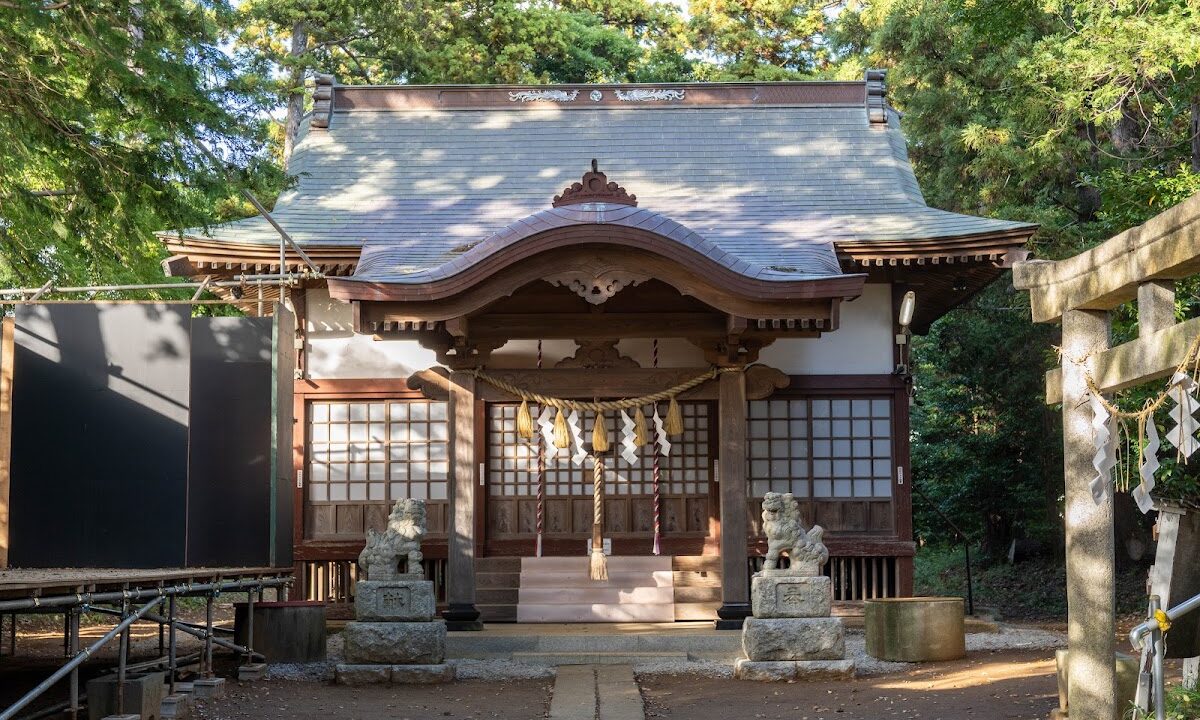
Complete Guide to Oyumi Shrine (Chiba Prefecture) | History, Deities, Goshuin (Shrine Seal), and Access Information
Located in Oyumi-cho, Chuo-ku, Chiba City, Chiba Prefecture, Oyumi Shrine is a historic shrine with a history dating back to the turbulent Sengoku period. Affectionately known locally as “Goryo-sama,” it has a long history as the guardian shrine revered by Hara Shikibu-no-taifu Taneie, the lord of Oyumi Castle. This article comprehensively introduces information useful for visiting Oyumi Shrine, including its history, enshrined deities, highlights within the grounds, goshuin information, and access methods.
Basic Information about Ikuzane Shrine
Location: 1550-1 Ikuzane-cho, Chuo-ku, Chiba City, Chiba Prefecture 260-0813
Former Shrine Rank: Village Shrine
Common Name: Goryosama
Nearest Station: Approximately 14 minutes on foot (approx. 1.1 km) from Gakuenmae Station on the Keisei Chihara Line
Parking: Available
Goshuin (Shrine Seal): Available (Electronic Goshuin also available)
Ikuzane Shrine is a shrine that has attracted central faith in the Kita-Ikuzane area of Chuo-ku, Chiba City, as the local tutelary deity.
History and Origins of Ikuzane Shrine
Founding Date and Origin
The founding date of Ikuzane Shrine is unknown, but according to ancient records, it is believed to have been established during the Tenbun era (1532-1555). This period was the height of the Sengoku period (Warring States period), a time when feudal lords vied for power throughout Chiba Prefecture.
It is said that in the past, Hara Shikibu-no-taifu Taneie, the lord of Omi Castle who ruled this region, held this shrine in high esteem and devoutly worshipped it as his guardian shrine. Omi Castle (also known as Kita-Oyumi Castle) was an important strategic point during the Sengoku period, and the fact that its lord revered this shrine indicates its importance to the region.
Religion in the Edo Period
In the Edo period, during the Kan’ei era (1624-1644), the Morikawa clan established a fortified residence in Honmura (Omi), and the Omi Domain was formed. The Morikawa clan, as lords of the domain, also held this shrine in high esteem, and the protection and worship of the shrine continued throughout the Edo period.
Although the Omi Domain under the Morikawa clan was a small domain, it functioned as a center of regional culture and faith, and Omi Shrine played a role as its spiritual pillar.
Changes Since the Meiji Era
With the arrival of the Meiji era, the shrine system was reformed, and Ikuzane Shrine was ranked as a village shrine. In 1910 (Meiji 43), the shrine’s name was changed from “Goryo Shrine” to “Ikuzane Shrine.”
This name change reflected the modernization trend, shifting from a religious shrine focused on Goryo (spirit) worship to one named after the local area. However, it is still affectionately known as “Goryo-sama” by locals, and the ancient faith continues to this day.
Since the Meiji era, it has served as the tutelary deity of the Kita-Ikuzane district, becoming the center of faith for the local residents, and continues to fulfill that role to this day.
Deities and Goryo Worship
Main Deities
Ikuzane Shrine enshrines the following eight deities:
- Emperor Sudō (Sudō Tennō): Prince Sawara. He was appointed as the Crown Prince of Emperor Kanmu, but was imprisoned on suspicion of rebellion and died in anger.
- Prince Iyo: Son of Emperor Kanmu. Imprisoned along with his mother, Fujiwara no Kisshi, on suspicion of rebellion and died.
- Fujiwara no Kisshi: Mother of Prince Iyo. Both lost their lives due to false accusations.
- Fujiwara no Hirotsugu: A nobleman of the Nara period. A powerful figure in the Fujiwara clan, he led a rebellion and was defeated and killed.
- Kibi no Makibi: Scholar and politician of the Nara period.
- Three other deities
What is the Goryo Faith?
Looking at these enshrined deities, it is clear that Ikuzane Shrine is a shrine based on “Goryo faith.” The belief in the appeasement of vengeful spirits is a faith that seeks to pacify the spirits of those who died unjustly due to false accusations or political intrigues, preventing their curses and worshipping their spiritual power as benevolent deities.
Emperor Sudo (Prince Sawara) was imprisoned for a crime he did not commit, including the assassination of Fujiwara no Tanetsugu, and died after protesting by starving himself. Following this, a series of epidemics and natural disasters struck the capital, leading to fears that it was the curse of his vengeful spirit, and he was given the honorary title of “Emperor Sudo.”
Prince Iyo and Fujiwara no Yoshiko also lost their lives due to false accusations of treason. Fujiwara no Hirotsugu did actually lead a rebellion, but it was rooted in political conflict, and he was later enshrined as a Goryo (a vengeful spirit).
The nature of Ikuzane Shrine, which appeases the spirits of those who perished after being suspected of rebellion by the imperial court, inherits the tradition of Goryo faith dating back to the Heian period, making it a valuable shrine in Chiba Prefecture that preserves a rare form of worship.
Highlights of the Shrine Grounds
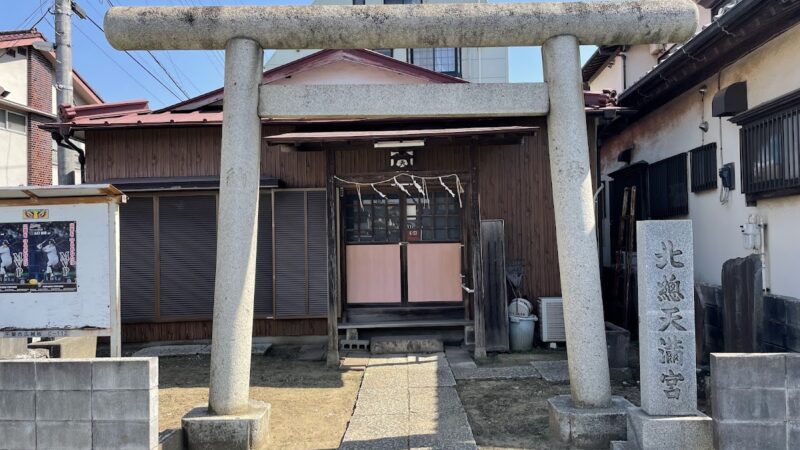
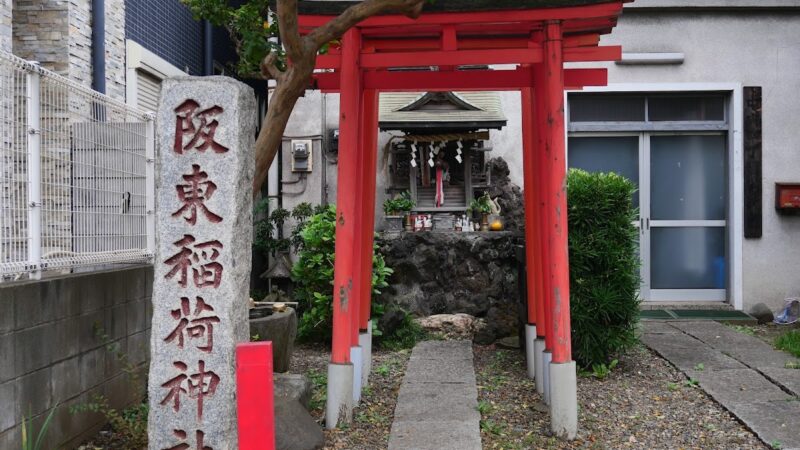
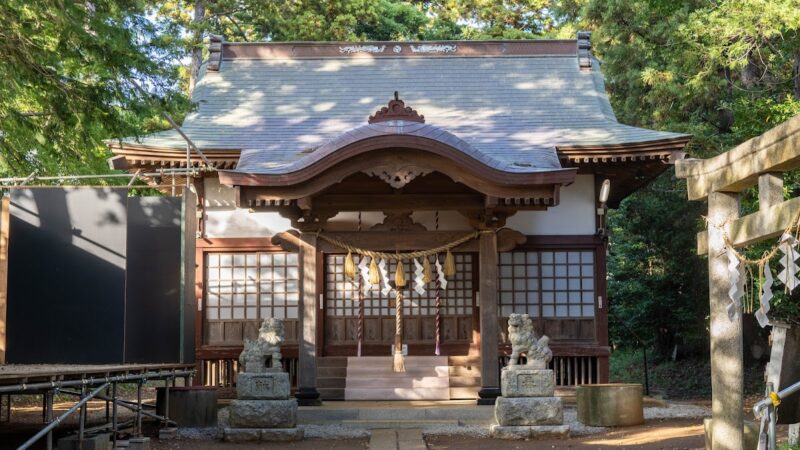
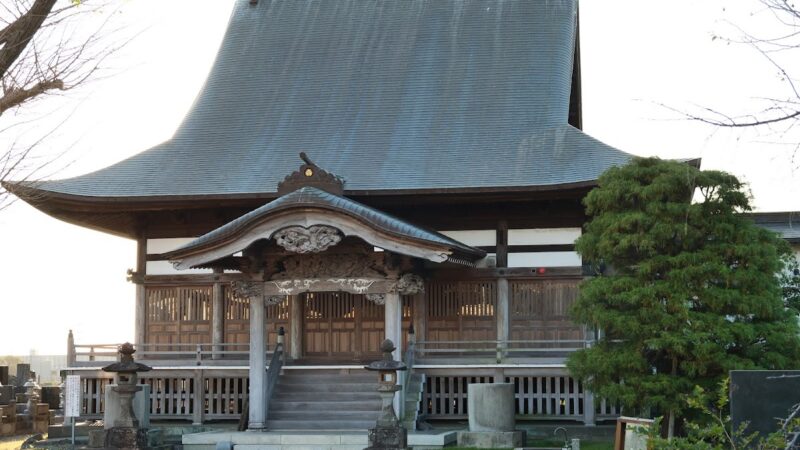
Atmosphere of the Shrine Buildings and Grounds
The grounds of Ikuzane Shrine are located in a topography closely related to the remains of the former Ikuzane Castle. There are signs of clearing the forest, and the remains of a deep, cliff-like moat surround the area. These are thought to be part of the castle ruins from the Sengoku period, conveying a historical atmosphere.
The grounds are enveloped in a tranquil atmosphere, maintaining a peaceful environment for worship despite being in an urban area.
Relationship with the Ikuzane Castle (Kita-Oyumi Castle) Ruins
The ruins of Ikuzane Castle (Kita-Oyumi Castle) remain around Ikuzane Shrine. Ikuzane Castle was built by the Hara clan during the Sengoku period and was an important base in Shimosa Province.
Hara Shikibu-no-Taifu Taneie wielded considerable power as the lord of this castle and deeply revered Ikuzane Shrine as its guardian deity. The proximity of the castle ruins and the shrine creates a valuable historical landscape that speaks to the relationship between a Sengoku-era daimyo (feudal lord) and religious faith.
Site of the Ikuzane Domain’s Jinya (fortified residence)
During the Edo period, the Morikawa clan established the Jinya of the Ikuzane Domain on this site. Although the Ikuzane Domain was a small domain of approximately 10,000 koku (a unit of rice production), the Morikawa clan ruled the area for generations and continued to revere Ikuzane Shrine.
The remains of the Jinya still exist around the shrine, allowing visitors to feel the continuity of history from the Sengoku period to the Edo period.
Goshuin (shrine stamp) Information
Ikuzane Shrine offers Goshuin. It is a valuable place for those who wish to obtain a Goshuin as a memento of their visit, and also for those collecting Goshuin.
Features of the Goshuin (Shrine Seal)
- Pre-printed Goshuin Available: Normally, pre-printed goshuin may be issued.
- Electronic Goshuin: As a modern initiative, electronic goshuin are also available.
- Offering Fee: A typical offering fee (approximately 300-500 yen).
If you wish to receive a goshuin, please speak to the shrine office staff upon arrival. It is recommended to check in advance, as staff may be absent.
Access Information
Access by Train
Using the Keisei Chihara Line
- Nearest Station: Gakuenmae Station (Chiba Prefecture)
- Distance from Station: Approximately 1.1-1.2 km
- Walking Time: Approximately 14-15 minutes
From the Gakuenmae Station exit, head southwest, passing through the residential area towards Omi-cho. There are signs along the way; follow them.
Access by Car
Route from Major Roads
- Keiyo Expressway: Approximately 10 minutes from Soga IC
- Accessible from National Route 16
There is a parking lot on the shrine grounds, so you can visit by car. However, please note that the parking lot may be full during busy times such as New Year’s Day.
Landmarks in the Surrounding Area
The shrine is located in a residential area of Omi-cho, Chuo-ku, Chiba City. There are facilities such as Omi-cho Park nearby, and locals can guide you if you ask them.
Annual Events and Festivals
Omi Shrine holds various festivals throughout the year.
Main Annual Events
- New Year’s Day Festival: Praying for happiness in the new year
- Spring Grand Festival: A festival celebrating the arrival of spring
- Autumn Grand Festival: Praying for gratitude for the harvest and for the prosperity of the community
- Monthly Festival: Regular monthly festivals
Especially during the Grand Festival period, local residents gather and traditional festivals are held. In some years, a portable shrine (mikoshi) is carried out, playing a central role in the community.
Manners and Etiquette for Visiting a Shrine
Basic Visiting Etiquette
- Bow before passing through the torii gate: Show respect when entering the sacred area.
- Purify yourself at the water basin: Purify your left hand, right hand, and mouth in that order.
- Etiquette in front of the main hall: Two bows, two claps, and one bow is the basic procedure.
- Be quiet on the shrine grounds: Avoid speaking loudly or running around.
Photography
Photography is generally permitted on the shrine grounds, but please note the following:
- Refrain from taking photos inside the main hall.
- Be considerate of other visitors.
- Check beforehand if using a tripod.
- When posting on social media, be considerate of other visitors.
Nearby Attractions
Nearby Shrines and Temples
When visiting Ikuzane Shrine, we recommend also visiting other shrines and temples in the Chuo Ward area of Chiba City.
- Chiba Shrine: The head shrine of Myoken worship, located in the heart of Chiba City.
- Chiba Temple: One of the oldest temples in Chiba Prefecture.
- Soga Hime Shrine: An ancient shrine in the Soga district.
Historical Spots
- Omi Castle Ruins: The ruins of a castle from the Sengoku period, adjacent to the shrine.
- Omi Domain Jinya Ruins: The center of the domain’s administration during the Edo period.
By visiting these historical sites, you can gain a deeper understanding of Chiba’s history from the Sengoku period to the Edo period.
The Charm and Power Spot Aspects of Omi Shrine
The Power of Goryo Worship
Omi Shrine, based on Goryo worship, has been believed to possess the power to ward off disasters and bring peace. The spiritual power of the enshrined deities who met untimely deaths is believed to become a powerful guardian deity when properly worshipped.
In particular, the following benefits are believed to be offered:
- Protection from Evil Spirits and Disasters: Originally believed to appease vengeful spirits, it is believed to ward off all kinds of misfortunes.
- Academic Success: Due to Kibi no Makibi’s scholarly background.
- Family Safety: Due to its role as a local guardian deity.
- Regional Prosperity: As a guardian shrine protecting the region.
A Tranquil Environment
Despite being located in an urban area, the shrine grounds, surrounded by deep groves of trees, maintain a tranquil atmosphere. This environment, away from the hustle and bustle of everyday life, allows for peaceful worship and is ideal for mental refreshment.
Combined with the historical topography of a castle ruin from the Sengoku period, many visitors feel a special energy.
Chiba Prefecture’s Shrine Culture and Ikuzane Shrine
Chiba Prefecture has numerous shrines, each with its own unique history and beliefs. Ikuzane Shrine is a valuable example of this, possessing a unique characteristic: the belief in vengeful spirits.
Position in the Chiba Prefecture Shrine Directory
Ikuzane Shrine, listed in the “Chiba Prefecture Shrine Directory,” is recognized as an important cultural asset that conveys the history of the region. Its relationship with Hara Shikibu-no-taifu Taneie, the lord of Ikuzane Castle during the Sengoku period, and its reverence by the Morikawa clan, the feudal lords during the Edo period, make it an indispensable presence when discussing local history.
Center of the Local Community
Even today, Ikuzane Shrine serves as the tutelary deity of the Kita-Ikuzane district, a spiritual pillar for the local residents. During festivals, many residents gather, making it a place to pass on traditions to future generations.
Points to Note When Visiting
Shrine Office Hours
Ikuzane Shrine may not always have a resident priest. Those wishing to receive a Goshuin (shrine stamp) or prayers are advised to confirm by phone in advance.
Seasonal Highlights
- Spring: Beautiful fresh greenery makes for a refreshing visit.
- Summer: The shade of the trees provides coolness, making it ideal for escaping the summer heat.
- Autumn: Autumn leaves adorn the shrine grounds.
- Winter: The crisp air allows for a tranquil visit.
Regarding Attire
There are no specific dress code requirements, but as it is a sacred place, please dress appropriately. Especially when formally visiting or receiving prayers, proper attire is desirable.
Summary: The Value and Charm of Ikuzane Shrine
Ikuzane Shrine, located in Chuo-ku, Chiba City, Chiba Prefecture, is a venerable shrine with a long history dating back to the Sengoku period. It was deeply revered by Hara Shikibu-no-taifu Taneyoshi, the lord of Ikuzane Castle, and during the Edo period, it was also revered by the Morikawa clan, the local lords, serving as a central hub of local faith.
This shrine possesses a unique religious character rooted in the belief in vengeful spirits, and it is believed that by enshrining the spirits of those who met untimely deaths, including Emperor Sudo, it wards off calamities and brings peace. Although its name was changed from Goryo Shrine to Ikumi Shrine in 1910 (Meiji 43), it is still affectionately known as “Goryo-sama” by locals.
The shrine grounds are adjacent to the ruins of Ikumi Castle and the Ikumi Domain’s encampment, making it a valuable place to experience the history of Chiba from the Sengoku period to the Edo period. Despite being in an urban area, it maintains a tranquil environment and is attracting attention as a power spot where one can pray in peace.
It is easily accessible, about a 14-minute walk from Gakuenmae Station on the Keisei Chihara Line, and offers Goshuin (shrine stamps). This shrine is highly recommended for those who want to experience the history and faith of Chiba Prefecture, those interested in the belief in vengeful spirits, and those seeking a peaceful environment to calm their minds.
Ikumi Shrine continues to attract the faith of local residents as the tutelary deity of the Kita-Ikumi district. Its historical value and spiritual appeal will undoubtedly continue to attract many people in the future.