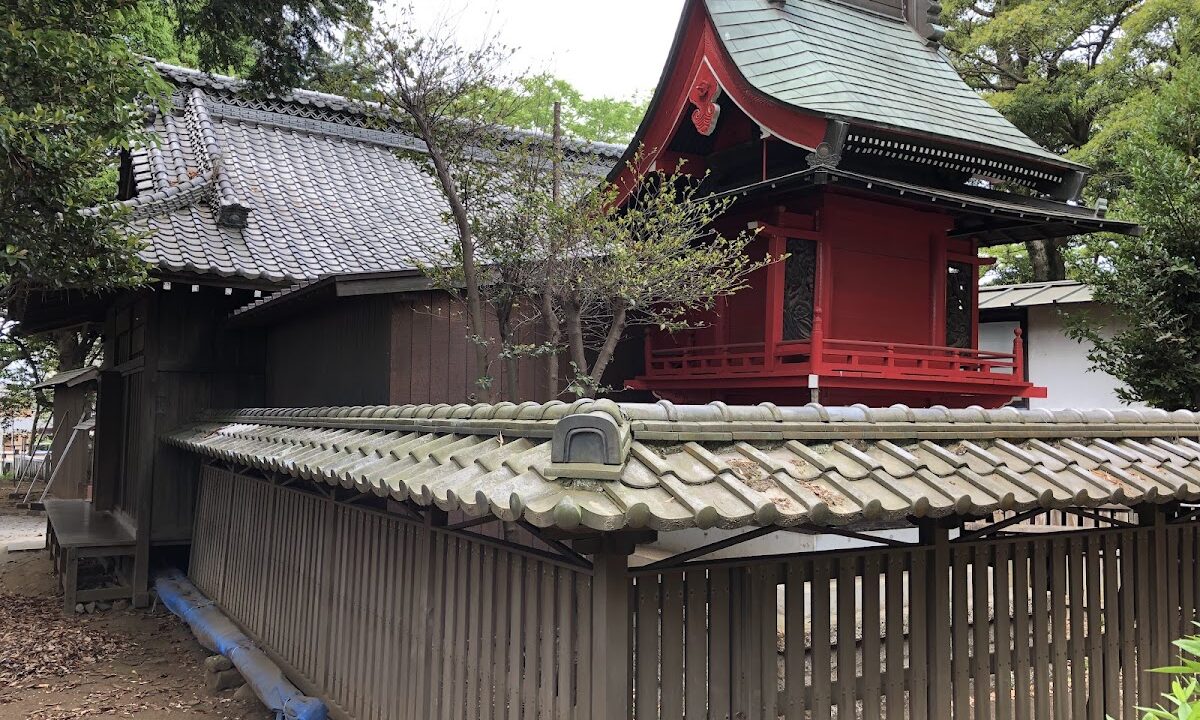
Omiya-Ohara Shrine (Narashino City, Chiba Prefecture) Complete Guide | Goshuin (Shrine Seal), History, and Access Information
Omiya-Ohara Shrine, located in Mimomi, Narashino City, Chiba Prefecture, is a venerable shrine with a history of nearly 900 years. Known as a deity of matchmaking, it is also popular for its beautiful and unique goshuin (shrine seals). This article provides a detailed introduction to Omiya-Ohara Shrine, including its history, goshuin, blessings, highlights within the grounds, and access information.
About Omiya-Ohara Shrine
Omiya-Ohara Shrine is a shrine located at 1-30-1 Mimomi, Narashino City, Chiba Prefecture. Its official name is also known as “Ohara Omiya Shrine,” and it is affectionately called “Ohara Shrine” or “Omiya Shrine” by local residents.
Formerly a village shrine, in 1976 it was selected by the Association of Shinto Shrines from among approximately 80,000 shrines nationwide to be designated as a first-class model shrine (1-2 shrines per prefecture). This honor is a testament to the high regard for the shrine’s management, operation, and involvement with the local community.
Deities Enshrined
The following deities are enshrined at Omiya-Ohara Shrine:
- Izanagi-no-Mikoto: The god of creation in Japanese mythology
- Izanami-no-Mikoto: The wife of Izanagi-no-Mikoto
- Sarutahiko-no-Mikoto: The god of opening paths
Because Izanagi-no-Mikoto and Izanami-no-Mikoto are a married couple, they have long been widely worshipped as gods of matchmaking. Many visitors come to pray for success in love, marital harmony, and good relationships, and the shrine is particularly popular among younger generations.
History of Omiya and Ohara Shrines
From Founding to Relocation
Ohara Shrine was founded in Tenji 1 (1124) in Mimomi Hongō. Initially, the enshrined deity was Izanami-no-Mikoto, and it was revered as the local tutelary deity.
Later, in Bunroku 1 (1592) February, it was relocated to its current location due to the construction of the Tōgane Onari Kaidō, a road developed by Tokugawa Ieyasu for falconry. This relocation was an important event that reflected the changing times brought about by the development of the road.
Merger with Omiya Shrine
Meiji 41 (1908), Omiya Shrine (enshrining Izanagi-no-Mikoto), located in Mimomi Kamijuku, was merged with Ohara Shrine. As a result, Izanagi-no-Mikoto and Izanami-no-Mikoto, a married couple, are enshrined in the same shrine, and it came to be called “Ohara Omiya Shrine” or “Omiya Ohara Shrine.”
Consolidation of Village Shrines
In 1911 (Meiji 44), the following shrines within the village were merged:
- Miyama Shrine
- Hachiman Shrine
- Dairokuten Shrine
- Yasaka Shrine
- Benzaiten Shrine
This consolidation established Omiya-Ohara Shrine as the central shrine of the Mimomi region, becoming a center of faith for the entire community.
Modern Development
In 1976 (Showa 51), it was designated a first-class model shrine by the Chiba Prefecture Shrine Association. This was in recognition of its proper management and operation, contributions to the local community, and preservation of tradition.
In recent years, the distribution of beautifully artistic goshuin (shrine seals) has attracted attention from goshuin enthusiasts nationwide, leading to an increase in visitors.
Goshuin Information
Omiya-Ohara Shrine is known as a shrine that enjoys tremendous support from goshuin collectors. The reason lies in its beautifully designed goshuin.
Standard Goshuin (3 types)
At Omiya Ohara Shrine, you can always receive three types of goshuin (shrine stamps).
1. Ohara Shrine Goshuin
This is the basic goshuin, with the shrine name “Ohara Shrine” written in ink in the center. It features a simple yet powerful brushstroke.
2. Goshuin of the Watchful Great Tree
This goshuin is based on the sacred tree on the shrine grounds. It depicts the great tree watching over worshippers, creating a design that evokes a sense of connection between the shrine and nature.
3. Goshuin of the Grove of Connections
As befits a shrine dedicated to matchmaking, this goshuin focuses on the theme of connections between people. The word “mori” (grove) signifies the shrine’s forest and sacred grounds.
Seasonal and Event-Limited Goshuin
Omiya Ohara Shrine also offers colorful and unique limited-edition goshuin tailored to the seasons and events.
- New Year’s Limited Edition Goshuin: A gorgeous design celebrating the New Year
- Cherry Blossom Season Goshuin: A cherry blossom motif evoking the arrival of spring
- Tanabata Goshuin: Inspired by the story of Orihime and Hikoboshi
- Annual Grand Festival Goshuin: A special design coinciding with the annual grand festival in October
- Year-End/New Year Goshuin: Expressing the end of the year and the beginning of the new year
These limited edition goshuin combine colorful printing and handwritten elements, resulting in a finish like a work of art. The seasonal enjoyment is one of the reasons why many visitors become repeat customers.
Goshuin Reception Hours and Offering Fees
- Reception Hours: 9:00 AM – 5:00 PM (May vary depending on the season)
- Offering Fee: 500 yen and up (May vary for limited edition goshuin)
Goshuin can be obtained at the shrine office. Waiting times may occur during busy periods, so it is recommended to allow ample time for your visit.
Highlights of the Shrine Grounds
Shrine Building
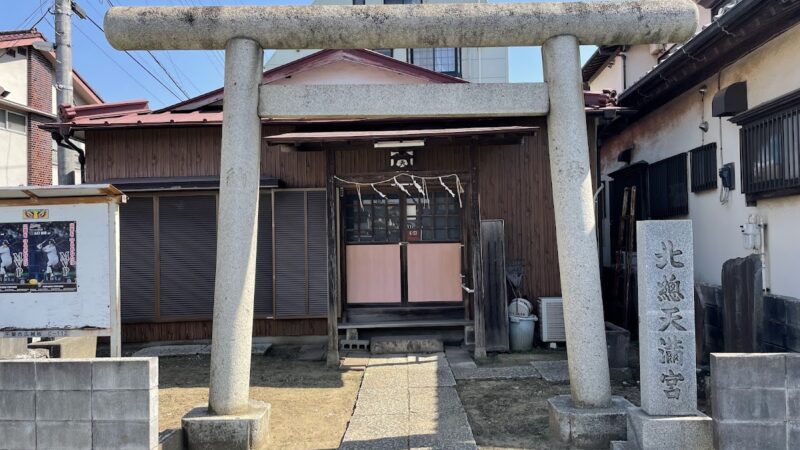
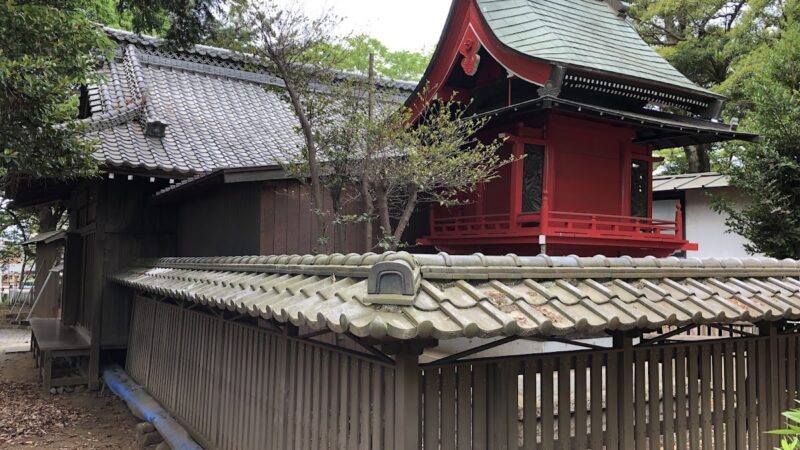
The current shrine building inherits traditional shrine architectural styles while being kept clean and creating a warm atmosphere for visitors. A magnificent shimenawa (sacred rope) adorns the front of the worship hall, conveying a sense of solemnity befitting a sacred area.
Sacred Tree: “The Watchful Great Tree”
Within the shrine grounds stands a sacred tree estimated to be several hundred years old, affectionately known as the “Watchful Great Tree.” This great tree has been a symbol of the region for many years, and its presence is overwhelming.
Many visitors say that when they clasp their hands together in front of the sacred tree, they can feel both the energy of nature and the power of the gods simultaneously.
Musubi no Mori (Forest of Connections)
“Musubi no Mori” (Forest of Connections), associated with the blessings of matchmaking, is a special area within the shrine grounds. Many visitors come here to dedicate ema (votive tablets) and pray for good fortune in relationships.
Shrine Precincts
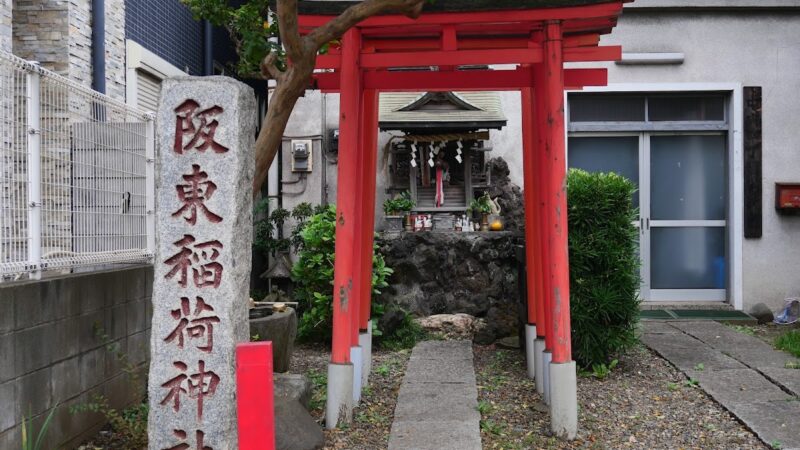
Around the main shrine building, several smaller shrines remain, remnants of the shrines that were merged in 1911 (Meiji 44). Each shrine has a different divine virtue, and visitors come with various wishes.
Water Basin
At the cleanly maintained water basin, you can purify your mind and body before praying. Depending on the season, flowers may be arranged in the water basin, making it a popular photo spot.
Items Offered
Amulets
Omiya-Ohara Shrine offers a variety of amulets.
- Matchmaking Charm: Popular with those wishing for a good match
- Marital Harmony Charm: For those who want to deepen their marital bond
- Traffic Safety Charm: For those praying for safe driving
- Academic Success Charm: For students and those taking exams
- Exorcism Charm: For those in their unlucky year
- Health Charm: For those wishing for good health and longevity
Ema (Votive Tablets)
Ema with cute designs themed around matchmaking are popular. You can write your wish on them and dedicate them to the Musubi-no-Mori (Forest of Connections).
Amulets
Amulets to be placed on your household altar are also available. You can receive the divine blessings of Omiya-Ohara Shrine at home.
Annual Festivals and Rituals
Grand Festival
The Grand Festival is held annually on October 19th. This is the most important ritual of the year at Omiya-Ohara Shrine, and many people from the community attend.
During the annual festival, a portable shrine procession and devotional performances take place, and the shrine grounds are bustling with many worshippers. It is a valuable opportunity to experience the region’s traditional culture.
New Year’s Visit
Many worshippers visit the shrine for their first shrine visit of the new year. Known as a deity of matchmaking, many young people can be seen praying for good fortune in relationships in the new year.
Shichi-Go-San Festival
In November, Shichi-Go-San (a traditional Japanese rite of passage for children) visits take place. The shrine grounds are lively with families praying for the healthy growth of their children.
Setsubun Festival
On Setsubun in February, the Setsubun Festival is held, featuring events such as bean-throwing.
Summer Purification Ceremony
On June 30th, the Summer Purification Ceremony (Nagoshi no Oharai) is held to purify oneself of sins and impurities accumulated over the past six months. Ritual ceremonies such as passing through a ring of reeds are performed.
Benefits
The main benefits of Omiya-Ohara Shrine are as follows:
Matchmaking and Romantic Fulfillment
Since the enshrined deities, Izanagi-no-Mikoto and Izanami-no-Mikoto, are a married couple, the shrine is particularly famous for its blessings related to matchmaking. It is popular among those seeking good relationships and those wishing for romantic fulfillment.
Marital Harmony and Family Safety
As the shrine enshrines a married couple, many visitors come to pray for marital harmony and peace in their homes.
Opening the Way and Protection from Misfortune
Sarutahiko-no-Mikoto is known as the god of opening the way, and is believed to offer protection to those at crossroads in life and those starting new endeavors.
National Peace and Abundant Harvest
Since Izanagi-no-Mikoto and Izanami-no-Mikoto are the gods of creation, there is also a belief in the shrine’s blessings for national peace and abundant harvests.
Access Information
Access by Train
The shrine is located very close to the station, approximately a 5-minute walk from Mimomi Station on the Keisei Main Line.
- Approximately 40 minutes from Keisei Ueno Station on the Keisei Main Line
- Approximately 35 minutes from Nippori Station on the Keisei Main Line
- Approximately 5 minutes from Keisei Tsudanuma Station
After exiting Mimomi Station, follow the signs through the residential area, and you will soon see the shrine’s torii gate.
Access by Car
Approximately 10 minutes from Hanawa IC on the Keiyo Expressway
The shrine has a parking lot for visitors (however, due to limited spaces, we recommend using public transportation during busy periods such as New Year’s Day and the annual festival).
Address
1-30-1 Mimomi, Narashino City, Chiba Prefecture 275-0002
Visiting Hours
While the shrine grounds are generally open for free visits, the shrine office is open from approximately 9:00 AM to 5:00 PM. Those wishing to receive a Goshuin (shrine stamp) or amulet are advised to visit during these hours.
Nearby Attractions
Mimomi Hongō Park
The site of the original Omiya-Ōhara Shrine in Mimomi Hongō now houses a park. A stroll through the park, allowing visitors to experience the shrine’s history, is highly recommended.
Other Shrines in Narashino City
Narashino City also boasts other historical shrines, such as Kikuta Shrine, offering opportunities for shrine hopping.
Around Mimomi Station
The area around Mimomi Station has restaurants and cafes, allowing visitors to relax after their visit.
Manners and Points for Visiting a Shrine
Basic Worship Etiquette
- Bow before passing through the torii gate: Bow before entering the sacred area.
- Purify yourself at the water basin: Purify your left hand, right hand, and mouth in that order.
- Walk along the edge of the path: The center is considered the path of the gods.
- Etiquette at the main hall: Two bows, two claps, and one bow are the basic rituals.
Regarding Photography
Photography is generally permitted on the shrine grounds, but please be considerate of other worshippers. Photography inside the shrine buildings may be prohibited, so please check beforehand.
Manners for Receiving a Goshuin (Shrine Stamp)
- Prepare a Goshuincho (stamp book) (first-time visitors can purchase one at the shrine office).
- Receive your Goshuin after completing your prayers.
- Understand that there may be a waiting time during busy periods.
- Remember that the Goshuin is proof of your visit, not a stamp rally.
The Charm of Omiya-Ohara Shrine
The greatest charm of Omiya-Ohara Shrine lies in its nearly 900-year history and tradition, while maintaining an atmosphere that is welcoming to modern visitors.
The beautiful Goshuin are popular with younger generations, and many posts can be seen on social media. At the same time, it continues to fulfill its role as the local tutelary shrine, and is deeply revered by the local people.
This shrine can be visited for various purposes, including those seeking blessings for matchmaking, Goshuin collectors, those interested in the history of the shrine, and those seeking a quiet and peaceful place to relax.
Official Information and Inquiries
For the latest information and event schedules, please check the official website.
- Official Website: https://ohara-jinja.com/
- Phone: 047-472-1374 (Shrine Office)
Information on seasonal limited-edition goshuin (shrine stamps) and event details are updated regularly on the official website and social media. Checking before your visit is recommended.
Summary
Oomiya-Ohara Shrine, located in Mimomi, Narashino City, Chiba Prefecture, is a venerable shrine with a history of approximately 900 years since its founding in 1124. Known as a deity of matchmaking, it enshrines the married deities Izanagi-no-Mikoto and Izanami-no-Mikoto.
It is also popular for its beautiful and unique goshuin, offering three regular types as well as limited-edition goshuin tailored to seasons and events. Its convenient location, approximately a 5-minute walk from Mimomi Station on the Keisei Main Line, makes it easily accessible for visitors.
This shrine is recommended for many people, including those hoping for a good match, those praying for marital harmony, those collecting Goshuin (shrine stamps), and those who want to visit a historical shrine. When you visit Chiba Prefecture, be sure to stop by Omiya-Ohara Shrine.