Tsurumine Hachimangu Shrine (Chiba Prefecture) Complete Guide | History, Benefits, Access, and Highlights Explained in Detail
Tsurumine Hachimangu Shrine, located in Ichihara City, Chiba Prefecture, is known as a historically significant shrine associated with Minamoto no Yoritomo. This article provides a detailed explanation of everything you need to know before visiting, including the history of Tsurumine Hachimangu Shrine, its enshrined deities, benefits, highlights within the grounds, how to worship, and access information.
What is Tsurumine Hachimangu Shrine?
Tsurumine Hachimangu Shrine is a Hachiman worship shrine located in Ichihara City, Chiba Prefecture. It enshrines Hachiman as its main deity and is known as a historical shrine that has attracted the faith of the local community. The lush grounds are blessed with nature throughout the seasons, creating a peaceful environment for worship.
Location and Basic Information
Location: Ichihara City, Chiba Prefecture
Main Deity: Emperor Ōjin (Homudawake no Mikoto)
Shrine Rank: Former Village Shrine
Founding: From the Heian period to the Kamakura period
History and Origins of Tsurumine Hachimangu Shrine
History of Founding
Tsurumine Hachimangu Shrine is believed to have been founded sometime between the late Heian period and the early Kamakura period. Hachiman worship spread as the guardian deity of samurai families, and in particular, the Minamoto clan established Hachimangu shrines throughout Japan.
Connection with Minamoto no Yoritomo
Tsurumine Hachimangu Shrine is believed to have had a connection with Minamoto no Yoritomo when he expanded his power from his base on the Bōsō Peninsula. Around the time of the establishment of the Kamakura Shogunate, Yoritomo built deep relationships with samurai groups in Bōsō, including the Chiba clan, and in the process, he deepened his faith in Hachimangu shrines throughout the region.
Development during the Edo Period
During the Edo period, the shrine garnered deep faith from villagers as the guardian deity of the region. It played a vital role as a place to pray for the prosperity of agriculture and fishing, and as a spiritual pillar of the local community.
Progress since the Modern Era
With the reform of the shrine system during the Meiji era, it was designated a village shrine and officially recognized as a local shrine. Even after the war, it was carefully preserved by local residents, and the faith has been passed down to the present day.
Deities and Benefits
Main Deity: Emperor Ōjin (Homudawake-no-Mikoto)
The main deity of Tsurumine Hachiman Shrine is Emperor Ōjin, the 15th Emperor of Japan, also known as Homudawake-no-Mikoto. Emperor Ōjin is worshipped as Hachiman-sama at Hachiman shrines throughout Japan and is revered as the god of military fortune and victory.
Enshrined Deities
Many Hachiman shrines enshrine the following deities alongside Emperor Ōjin:
- Empress Jingū: Mother of Emperor Ōjin
- Himegami: One of the three Munakata goddesses
Main Benefits
The benefits received at Tsurumine Hachiman Shrine are diverse:
Victory and Success Prayer
Due to its nature as a god of war, it is believed to bring benefits in all kinds of competitions, such as passing exams, winning sports, and succeeding in business.
Protection from Evil and Disaster
It is believed to have the power to ward off evil spirits and protect oneself from disaster, and many people visit during their unlucky years or to pray for daily safety.
Family Safety and Prosperity
It is worshipped as a deity that protects the health and peace of the family and the prosperity of the household.
Long-lasting Military Fortune and Good Health
Originally a shrine dedicated to a war god, many worshippers visit to pray for good health and strength.
Safe Childbirth and Child-rearing
Based on the legend of Empress Jingu safely giving birth to Emperor Ojin, the shrine is also worshipped as a guardian deity for safe childbirth and child-rearing.
Highlights of the Shrine Grounds
Shrine Buildings
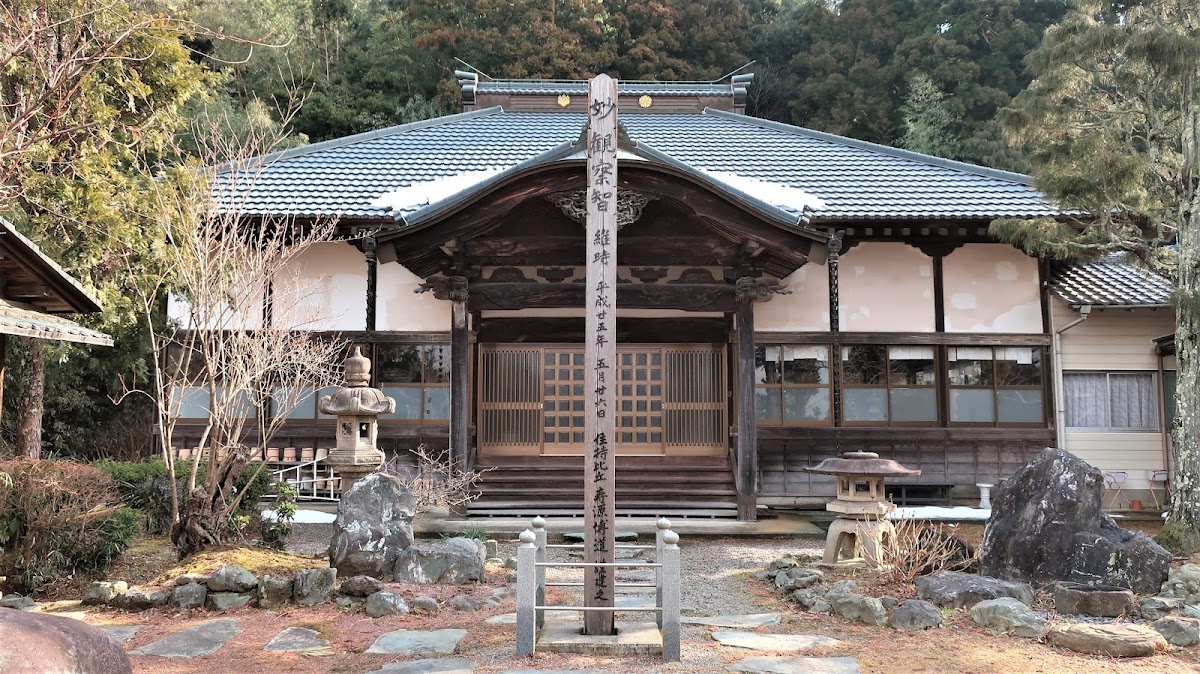
The shrine buildings of Tsurumine Hachimangu Shrine preserve the traditional style of shrine architecture. Composed of a worship hall and a main sanctuary, it is carefully maintained as the center of local faith.
Approach and Torii Gate
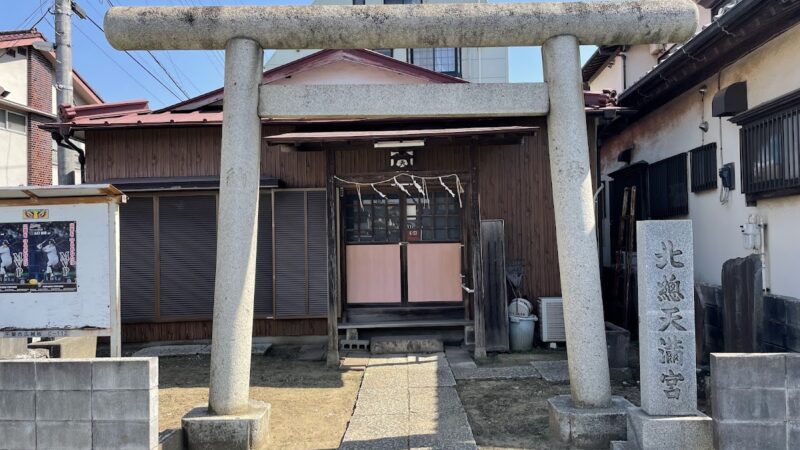
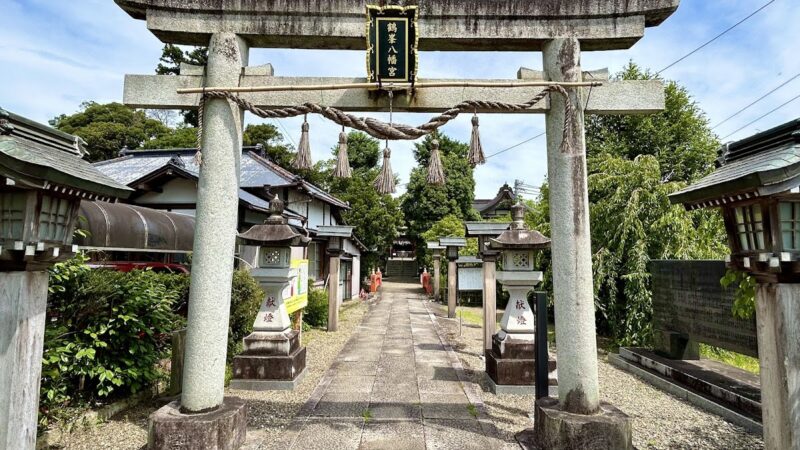
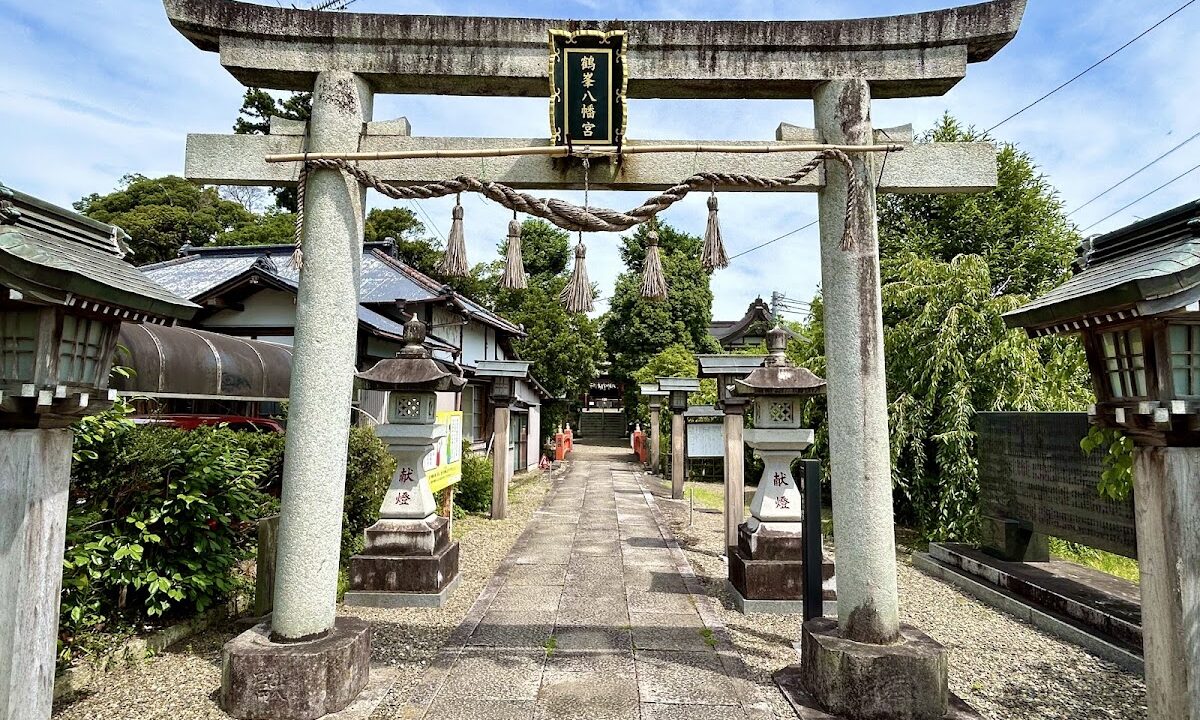
The approach leading to the shrine grounds exudes a tranquil atmosphere surrounded by trees. Passing through the torii gate, a sacred space unfolds, far removed from the hustle and bustle of everyday life.
Water Basin
A water basin is provided for purifying the body and mind before worship. Please purify your hands and mouth according to the correct etiquette before praying.
Komainu (Guardian Lion-Dogs)
A pair of guardian lion-dogs (komainu) stand before the main shrine building. These ancient statues quietly tell the story of the shrine’s history.
Subsidiary Shrines
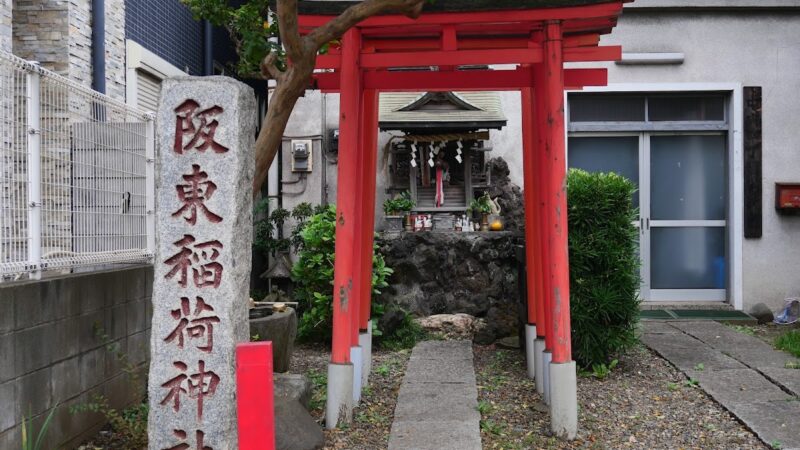
Besides the main shrine, there are often several small shrines and subsidiary shrines within the grounds. Each enshrines a different deity, and is believed to grant various wishes.
Sacred Tree
Within the grounds stands a magnificent, ancient sacred tree, believed to possess sacred power. Many worshippers can be seen quietly offering prayers before this tree.
How to Visit a Shrine and Etiquette
Proper Etiquette for Visiting a Shrine
- Bow at the Torii Gate: Bow before passing through the torii gate.
- Walking Along the Path: The center of the path is the path of the gods, so walk along the sides.
- Watering Ritual: Cleanse your left hand, then your right hand, then your mouth, and finally cleanse the handle.
- Worship at the Main Hall: Worship using the two bows, two claps, and one bow ritual.
- Bow Upon Exit: After leaving the torii gate, turn around and bow.
The Meaning of Offerings
Offerings express gratitude to the gods. There are no set amounts, but offer with sincerity.
Photography Etiquette
Photography is generally permitted on the shrine grounds, but please observe the following points:
- Refrain from taking photos inside the main hall or in sacred areas.
- Be considerate of other worshippers.
- Avoid using flash photography.
- Do not take photos in areas where photography is prohibited.
Annual Events and Festivals
Grand Festival
The Grand Festival, held at a fixed time each year, is the most important festival at Tsurumine Hachimangu Shrine. Local people gather, and there may be portable shrine processions and offering ceremonies.
New Year’s Visit
Many worshippers visit the shrine for their first visit of the new year. It is an important event to pray for peace and happiness throughout the year.
Other Annual Events
- Setsubun Festival: Events such as bean-throwing
- Summer Purification Ceremony: A Shinto ritual to purify oneself of impurities accumulated over the past six months
- Shichi-Go-San Festival: A visit to celebrate the growth of children
- Year-End Purification Ceremony: A Shinto ritual to purify oneself of impurities accumulated over the past year
Items Offered (Amulets and Goshuin Stamps)
Types of Amulets
Tsurumine Hachimangu Shrine offers amulets for various purposes:
- Victory Amulet: For success in competitions such as exams and matches
- Exorcism Amulet: For protection against misfortune and unlucky years
- Traffic Safety Amulet: For safe driving and cycling
- Health Amulet: For good health
- Safe Childbirth Amulet: For safe childbirth
- Academic Success Amulet: For academic success
Goshuin (Shrine Seal)
Goshuin are given as proof of worship. If you bring your goshuincho (seal book), a Shinto priest will carefully write it for you. Treat the goshuin not merely as a commemorative stamp, but as a precious symbol of your connection with the deity.
Access Information
Access by Train
Nearest Station: Accessible on foot or by bus from a JR Uchibo Line station.
Accessible from train stations within Ichihara City, Chiba Prefecture. From the station, it’s within walking distance or accessible by bus.
Access by Bus
If using local buses within Ichihara City, it’s accessible on foot from the nearest bus stop. Checking the bus timetable in advance is recommended.
Access by Car
Expressway: Use the Tateyama Expressway or Ken-O Expressway.
General Roads: Access via national or prefectural roads.
Parking
Depending on the size of the shrine, parking spaces for visitors may be available. During busy periods such as New Year’s Day or annual festivals, consider using public transportation.
Address and Contact Information
If you would like to check the latest information before visiting, we recommend contacting the Ichihara City Tourism Association or the Shrine Association.
Nearby Tourist Attractions
Ichihara City Highlights
When visiting Tsurumine Hachimangu Shrine, consider exploring other tourist attractions in Ichihara City:
Yoro Valley
A representative valley of the Boso Peninsula, known for its beautiful autumn foliage. Enjoy hiking and hot springs.
Ichihara Elephant Kingdom
A zoo where you can interact with elephants and other animals. A popular spot for families.
Chiba Children’s Kingdom Kids’ Dam
An amusement park with a wide variety of attractions for children. Enjoy activities in nature.
Shrines and Temples of the Boso Peninsula
The Boso Peninsula is home to many other historical shrines and temples:
- Tamaki Shrine: A prestigious shrine known as the Ichinomiya (first-ranked shrine) of Kazusa Province
- Kasamori Kannon: Japan’s only Kannon hall built in the four-sided cantilevered style
- Kiyomizu-dera Temple: One of the 33 Kannon pilgrimage sites of Bando
The Four Seasons of Tsurumine Hachimangu Shrine
Spring at Tsurumine Hachimangu Shrine
In spring, the trees on the shrine grounds are enveloped in fresh greenery, filling the air with a refreshing atmosphere. During cherry blossom season, visitors can enjoy a visit combined with cherry blossom viewing.
Summer at Tsurumine Hachimangu Shrine
In summer, the shrine grounds are lush with greenery and cool in the shade of the trees. Visiting amidst the sound of cicadas evokes the charm of a Japanese summer.
Autumn at Tsurumine Hachimangu Shrine
During the autumn foliage season, the shrine grounds are colored in red and yellow. The autumn festival is also held, offering a great opportunity to experience local culture.
Tsurumine Hachimangu Shrine in Winter
The shrine grounds, enveloped in silence during winter, exude a crisp, serene atmosphere. It is bustling with many worshippers during the New Year’s visit.
Points to Note When Visiting
Regarding Attire
While no special attire is required for visiting a shrine, please consider the following:
- Wear clean clothing
- Avoid overly revealing clothing
- For formal visits, formal attire such as a suit is preferable.
Visiting Hours
Generally, shrines are open from sunrise to sunset, but the reception hours at the shrine office are limited. If you wish to obtain a Goshuin (shrine stamp) or amulet, please check the reception hours in advance.
Regarding Pets
Pet policies vary by shrine. Since it is generally a sacred place, it is recommended to refrain from bringing pets or to check in advance.
Prayers and Sorrows at Tsurumine Hachimangu Shrine
Personal Prayers
Tsurumine Hachimangu Shrine accepts prayers for various personal wishes:
- Prayer for Protection from Misfortune: For those in their unlucky year
- Prayer for Family Safety: For the health and peace of the family
- Prayer for Business Prosperity: For the development of the business
- Prayer for Success in Exams: For success in exams and qualification tests
- Prayer for Safe Childbirth: For a safe delivery
- First Shrine Visit for a Newborn: For the healthy growth of the baby
- Shichi-Go-San (7-5-3 Festival): To celebrate the growth of a child
How to Apply for a Prayer
If you wish to have a prayer performed, please make a reservation by phone in advance or apply at the shrine office on the day of your visit. The offering fee (prayer fee) varies depending on the content of the prayer, so please check in advance.
Hachiman Faith in Chiba Prefecture
The Boso Peninsula and Hachiman Faith
Chiba Prefecture (formerly Kazusa, Shimosa, and Awa Provinces) is a region where samurai culture has flourished since ancient times. Especially from the late Heian period to the Kamakura period, samurai groups such as the Minamoto and Chiba clans were active, and faith in Hachiman, the god of war, deepened.
Major Hachiman Shrines in Chiba Prefecture
- Chiba Shrine: A large shrine located in the heart of Chiba City
- Ofuhi Shrine: The center of Hachiman faith in Funabashi City
- Tsurumine Hachiman Shrine: A historic Hachiman shrine in Ichihara City
These shrines are important centers of faith in their respective regions.
Cultural Properties and Historical Value of Tsurumine Hachiman Shrine
Value of Shrine Architecture
The shrine buildings of Tsurumine Hachiman Shrine preserve the traditional style of shrine architecture in the region. While restorations and renovations have been carried out over time, the basic structure and style have been preserved.
Connection to Local Culture
The shrine is not merely a religious facility; it has also played a central role in the local community. Through festivals and annual events, it serves as a place for intergenerational exchange.
Voices and Experiences of Visitors
Faith of Local People
For people who have lived in this area for generations, Tsurumine Hachimangu Shrine is an integral part of their lives. They have a history of visiting the shrine at important life events, living under the watchful eye of the gods.
Visitor Impressions
First-time visitors often say that the quiet and peaceful atmosphere soothes their souls. Spending time in the shrine grounds, surrounded by nature and away from the hustle and bustle of the city, leads to mental refreshment.
The Significance of Visiting Tsurumine Hachimangu Shrine
Dialogue with History
Visiting Tsurumine Hachimangu Shrine is an opportunity to connect with Japanese history and culture that has continued since the Heian period. The form of faith that has continued since the time of Minamoto no Yoritomo offers many lessons for us living in the modern age.
Peace of Mind
Visiting a shrine is a precious time to escape the hustle and bustle of daily life and reflect on oneself. By joining your hands in prayer in the quiet grounds, you can regain inner peace.
Connection with the Community
Visiting a local shrine is an entry point to learning about the history and culture of the area. By experiencing what the local people have cherished, you can gain a deeper understanding.
Summary
Tsurumine Hachimangu Shrine is a historical and traditional Hachimangu shrine located in Ichihara City, Chiba Prefecture. Its history dates back to the time of Minamoto no Yoritomo, and it has been carefully preserved to this day, supported by the fervent faith of the local people.
It offers various blessings, including good fortune, protection from evil, and family safety, making it worthwhile to visit at various stages of life. The quiet grounds are blessed with the beauty of nature throughout the seasons, providing a place to find peace of mind.
When visiting Chiba Prefecture, or sightseeing around Ichihara City, please be sure to visit Tsurumine Hachimangu Shrine. A visit to this historic shrine will surely create lasting memories.
When visiting, it is important to observe proper etiquette and manners, and to show respect to the deities. Furthermore, combining your visit with a trip to the surrounding tourist attractions will allow you to appreciate the charm of the Boso Peninsula even more deeply.
We hope that Tsurumine Hachimangu Shrine will bring happiness and peace to your life.