Sugawara Daijin Shrine (Choshi City, Chiba Prefecture) Complete Guide | History, Worship Methods, and Access Information for the Shrine Dedicated to the God of Fertility and Learning
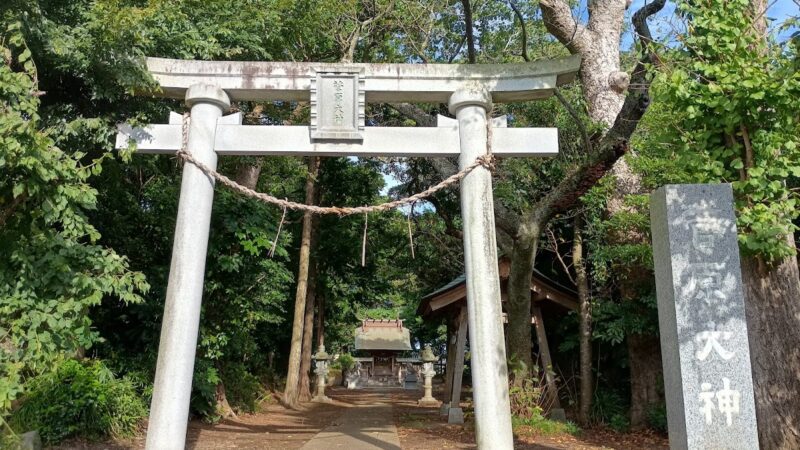
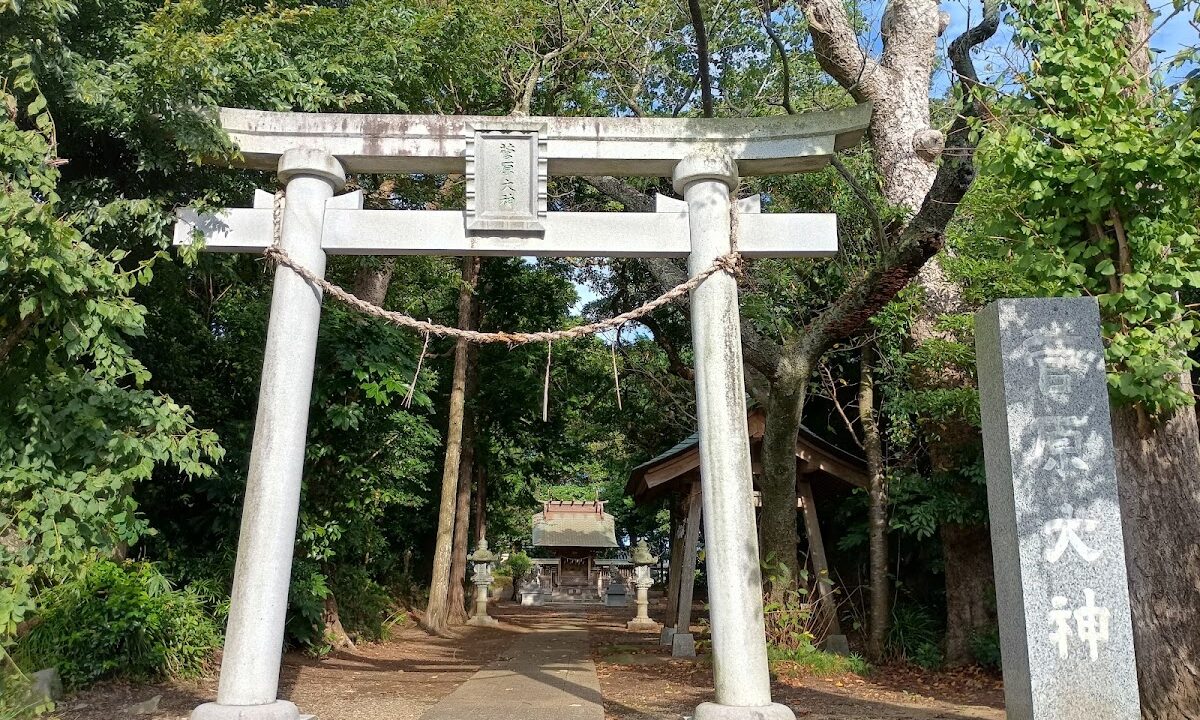
Sugawara Daijin Shrine, located in Sakurai-cho, Choshi City, Chiba Prefecture, is a shrine dedicated to Sugawara no Michizane, known as the god of learning. Since its appearance in the 1985 NHK serial drama “Mio Tsukushi,” it has attracted nationwide attention and is now a popular power spot visited by many as a “fertility shrine.”
This article comprehensively introduces information you should know before visiting Sugawara Daijin Shrine, including its history and origins, the legend of the fertility stone, worship methods, details of the autumn festival, and access information.
About Sugawara-no-Okami | A Historic Shrine in Choshi City, Chiba Prefecture
Deity and History of the Shrine
Sugawara-no-Okami enshrines Sugawara no Michizane, a scholar and politician who was active during the Heian period. Known for his outstanding learning and literary talent, Sugawara no Michizane was deified as Tenman Daijizai Tenjin after his death and is revered as the “god of learning” at Tenmangu and Tenjin shrines throughout Japan.
Located in Sakurai-cho, Choshi City, Sugawara-no-Okami is a historic shrine that has attracted the faith of the local community. Many students and pupils visit to pray for academic success and passing exams, as well as couples hoping to be blessed with children.
Nationally Famous Through “Mio Tsukushi”
Sugawara-no-Okami became nationally known through the NHK serial television drama “Mio Tsukushi,” which aired in 1985 (Showa 60). A scene in the drama in which the lead actress, Yasuko Sawaguchi, holds the Koumiishi (fertility stone) of Sugawara Shrine and prays for conception was broadcast, and this sparked the shrine’s reputation as a “fertility shrine.”
Since the television broadcast, many people have visited the shrine as a pilgrimage site, and it remains highly popular as a shrine for praying for fertility.
Sugawara Shrine as a Fertility Shrine | The Origin and Legend of the Koumiishi
What is a Koumiishi (Fertility Stone)?
The main reason why Sugawara Shrine is known as a “fertility shrine” is the approximately 90 “Koumiishi” (fertility stones) enshrined in the shrine. The Koumiishi are round stones of various sizes.
These stones were originally enshrined at the Osannomiya, located about a 10-minute walk from Sugawara Shrine. Osannomiya is a shrine dedicated to Tamayorihime-no-Mikoto and has been worshipped as a god of safe childbirth and fertility. Later, the Childbirth Stone was moved to Sugawara Shrine, where it remains today.
Legend and Worship Method of the Childbirth Stone
There is an ancient legend that “those who embrace this stone will be blessed with children.” Worshippers embrace the Childbirth Stone inside the shrine and pray for children.
The general procedure for worship is as follows:
- Purify your body and mind at the water basin.
- Worship at the main hall using the two bows, two claps, and one bow ritual.
- Embrace the Childbirth Stone inside the shrine and pray for children.
- Gently return the stone to its original position.
There are approximately 90 Childbirth Stones, varying in size and shape, so you can choose the one you feel most comfortable embracing. When embracing the stone, handle it carefully and be careful not to drop it.
Success and Benefits of Praying for Children
After the airing of “Mio Tsukushi,” numerous reports have been received of couples who prayed at Sugawara Shrine, holding the “Childbirth Stone,” and were blessed with children. This word-of-mouth spread, and now the shrine attracts couples from all over Japan, especially from the Kanto region, who pray for children.
Besides prayers for children, many visitors also come for prayers for safe childbirth and child-rearing, making it a beloved shrine for those wishing for family happiness.
Benefits of Sugawara no Michizane, the God of Learning
A Power Spot for Academic Success and Passing Exams
While Sugawara Shrine is famous as a shrine for children, its original enshrined deity, Sugawara no Michizane, is widely worshipped as the “God of Learning.” Michizane was a child prodigy from a young age, excelling in academics and poetry, and was a great scholar of the Heian period.
During exam season, students and their parents preparing for high school and university entrance exams visit the shrine to pray for success. Many working adults also visit the shrine, praying for success in qualification exams.
Amulets and Ema for Academic Success
Sugawara-Okami Shrine offers amulets for academic success and passing exams. There are a variety of amulets available, including those for students taking exams and those for improving academic performance.
You can also write your wishes for success or academic achievement on an ema (votive tablet) and dedicate it to the shrine. Many ema are hung on the grounds. Entrust your goals and dreams to an ema and send your wishes to the gods.
Sugawara-Okami Autumn Festival | An Important Annual Event
Date and Contents of the Autumn Festival
Sugawara-Okami Shrine holds its “Autumn Festival” every autumn. This festival is the most important annual event at Sugawara-Okami Shrine and attracts many visitors.
Date and Time: Every year on Wednesday, November 25th, from 10:00 AM (Registration begins around 7:30 AM)
During the autumn festival, Shinto rituals are performed, and worshippers can receive special prayers. Those wishing to pray for fertility or academic success are advised to visit on this day.
Festival Day and Points for Visiting
On the day of the autumn festival, many more worshippers than usual visit, so it is recommended to visit early. Registration begins around 7:30 AM, so those who wish to be sure to receive prayers should arrive early in the morning.
The festival day is enveloped in a special atmosphere, with local residents and worshippers from afar gathering, creating a lively scene. It is a precious opportunity to offer heartfelt prayers in a sacred atmosphere.
How to Access Sugawara Shrine | Directions by Train and Car
Basic Information
Address: 60 Sakurai-cho, Choshi City, Chiba Prefecture
Postal Code: 288-0876
Phone Number: Available at Choshi City Tourism Association, etc.
Access by Train
Nearest Station: JR Narita Line “Shimosa-Toyosato Station”
- Approximately 10 minutes on foot from Shimosa-Toyosato Station (approx. 797m)
- After exiting the station, follow the signs to reach Sugawara Shrine.
Since the Narita Line has limited train service, it is recommended to check the timetable in advance. The train ride from Choshi Station to Shimosa-Toyosato Station takes only a few minutes.
Access by Car and Parking
If you are visiting by car, the following route is convenient:
- Approximately 40 minutes from the Higashi-Kanto Expressway “Sawara-Katori IC” via National Route 356
- Approximately 10 minutes from Choshi city center
There is parking space around the shrine, but it may be full during peak seasons such as the autumn festival. Consider using public transportation.
Nearby Tourist Attractions
When visiting Sugawara Shrine, it is recommended to also visit other tourist attractions in Choshi City:
Inubosaki Lighthouse: A white lighthouse located on the easternmost cape of the Kanto region. A popular spot for its spectacular views.
Choshi Port Tower: An observation deck offering panoramic views of Choshi Port.
Earth’s Curvature Observation Deck: Enjoy a 360-degree panoramic view.
Choshi Electric Railway: Enjoy a local train journey.
Nearby Gourmet Spots
Choshi City is a fishing port town rich in fresh seafood. After your visit, you can enjoy the following gourmet options:
- Seafood Cuisine: Fresh seafood caught at Choshi Port
- Choshi’s Famous Wet Rice Crackers: A specialty souvenir from the Choshi Electric Railway
- Local Restaurants: Set meals and rice bowls unique to a fishing town
Points to Note and Manners When Visiting
Basic Manners for Visiting Shrines
When visiting Sugawara Shrine, please observe the following basic manners for visiting a shrine:
- Bow before passing through the torii gate: As a courtesy before entering the sacred area
- Avoid walking in the center of the approach: The center is considered the path of the gods
- Purify yourself at the water basin: Purify your left hand, right hand, and mouth in that order
- Two bows, two claps, one bow: Basic worship etiquette at the main hall
Precautions When Handling the Childbirth Stone
The Childbirth Stone is sacred and touched by many visitors. Please note the following:
- Handle the stones carefully to avoid dropping them.
- Wait for other worshippers’ turn.
- Take photographs with consideration for those around you.
- Pray quietly and avoid making noise.
Appropriate Attire for Worship
There are no specific dress code requirements, but please wear clean clothing appropriate for visiting a shrine. Especially when participating in formal Shinto rituals such as the autumn festival, it is preferable to wear attire that is not too casual.
Annual Events and Festivals of Sugawara Shrine
Spring Events
In spring, the number of worshippers visiting increases, with many praying for success in exams and academic achievements in the new school year. Many people seek the protection of Sugawara no Michizane during this season of new beginnings.
Summer Visits
During the summer holidays, the number of families visiting the shrine increases. Many worshippers visit not only to pray for children, but also to pray for the healthy growth of their children.
Autumn Festival (November 25th)
As mentioned above, the Autumn Festival, the most important event of the year, is held on November 25th. This day is particularly crowded with worshippers.
Winter Exam Season
During exam season, the number of worshippers praying for success increases dramatically. Especially from the beginning of the year until the actual entrance exams, many students and their parents visit seeking the blessings of Sugawara no Michizane, the god of learning.
Relationship with Osannomiya Shrine | Another Fertility Spot
About Osannomiya Shrine
Approximately a 10-minute walk from Sugawara Okami Shrine is a shrine called “Osannomiya.” Osannomiya Shrine enshrines Tamayorihime-no-Mikoto and was originally the site where a fertility stone was dedicated.
Tamayorihime-no-Mikoto is a goddess considered to be the mother of Emperor Jimmu and is worshipped as the goddess of safe childbirth, fertility, and child-rearing.
Pilgrimage Route Visiting Both Shrines
For those with ample time, we recommend the “Fertility Prayer Pilgrimage,” which includes visiting both Sugawara-no-Okami and Omisan-gu shrines. Since they are only about a 10-minute walk apart, visiting both shrines may lead to even greater blessings.
Reviews and Reputation of Sugawara-no-Okami
Visitor Testimonials
The following are comments from visitors who have actually visited Sugawara-no-Okami:
- “After praying while holding the ‘Fertility Stone,’ I was truly blessed with a child.”
- “The shrine had a quiet and peaceful atmosphere; it felt like my soul was cleansed.”
- “I visited before my exams and passed successfully.”
- “I visited as a filming location for the drama ‘Mio Tsukushi,’ and it was an even more wonderful place than I imagined.”
Popularity on Social Media
In recent years, the number of visitors sharing information about Sugawara-no-Okami on social media has increased. Photos of the ‘Fertility Stone’ and pilgrimage experiences are being shared on Instagram and Twitter, attracting new visitors.
A Sightseeing Plan to Enjoy the Charms of Choshi City
Characteristics of Choshi City
Choshi City is located at the easternmost tip of Chiba Prefecture, a port town facing the mouth of the Tone River and the Pacific Ocean. Fishing is a thriving industry, and Choshi Port, in particular, boasts one of the highest catch volumes in Japan.
One-Day Sightseeing Model Course
Morning:
- Visit Sugawara Shrine (for prayers for fertility and academic success)
- Visit Gosan-gu Shrine
Lunch:
- Fresh seafood lunch near Choshi Port
Afternoon:
- Visit Inubosaki Lighthouse
- Observation Deck on the Hill Where the Earth’s Curvature Can Be Seen
- Ride the Choshi Electric Railway
Souvenirs:
- Nure-senbei (moist rice crackers)
- Local seafood
Accommodation
Within Choshi City, there are hot spring inns and hotels, mainly around Inubosaki. Many accommodations offer stunning views of the Pacific Ocean, making overnight stays highly recommended for those who want to enjoy Choshi sightseeing at a leisurely pace.
Summary | Sugawara Shrine: A Precious Shrine Offering Blessings for Both Fertility and Academic Success
Sugawara Shrine in Choshi City, Chiba Prefecture, is a special shrine dedicated to Sugawara no Michizane, the god of learning, and is also widely known as a shrine for fertility. With approximately 90 fertility stones that visitors can hold while praying, it has become a special power spot for couples hoping for children.
It gained national fame after appearing in the 1985 NHK serial drama “Mio Tsukushi,” and continues to attract many visitors today. It’s easily accessible, about a 10-minute walk from Shimosa-Toyosato Station on the JR Narita Line, making it a convenient stop along with other Choshi tourist attractions.
Sugawara Shrine offers blessings not only for fertility but also for academic success and passing exams. Why not visit during an important milestone in your life? The autumn festival held every year on November 25th is a particularly important event, so we recommend visiting the shrine on that day.
Through the abundant nature of Choshi, fresh seafood, and prayers at the historic shrine, it will be a trip that refreshes both your mind and body.