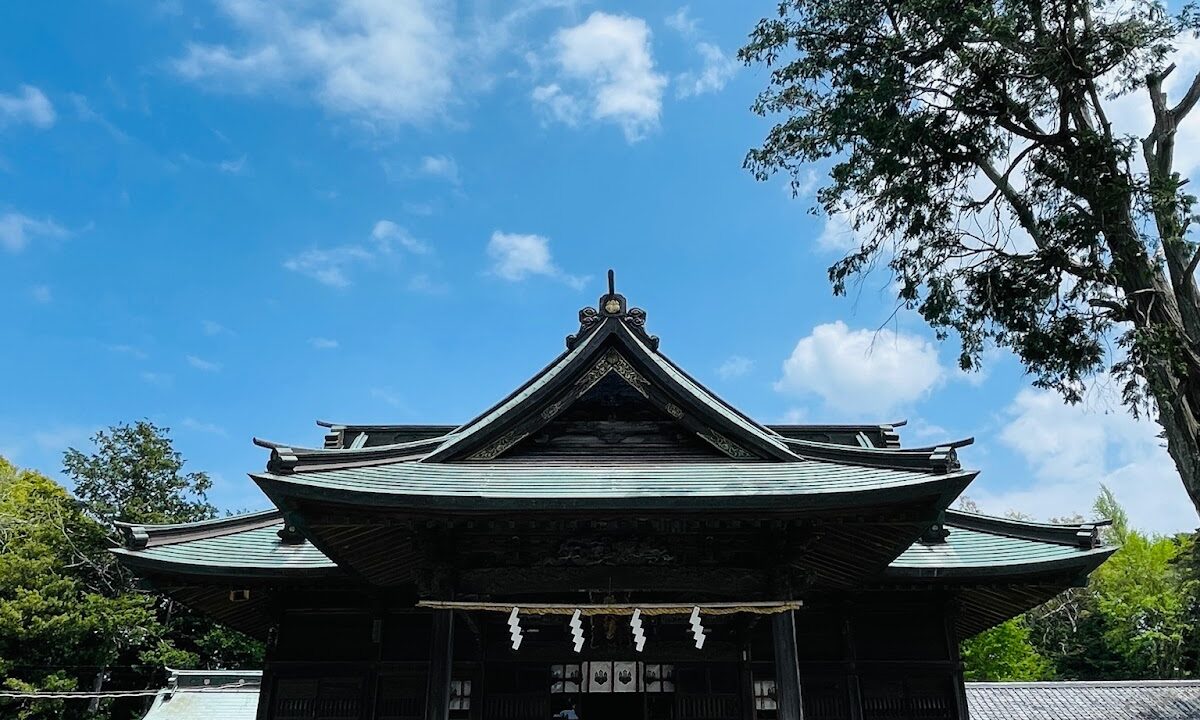
Tsurugaya Hachimangu Shrine (Tateyama City, Chiba Prefecture) Complete Guide | History, Yawatamachi, Goshuin (Shrine Seal), and Access Information
Tsurugaya Hachimangu Shrine, located in Yawata, Tateyama City, Chiba Prefecture, is a venerable shrine boasting a history of approximately 1,000 years as the principal shrine of Awa Province. The annual grand festival, “Awa Kokushi Matsuri/Yawatamachi,” held every September, is designated as a Chiba Prefecture Intangible Folk Cultural Property and is known as the largest and most magnificent festival in the Minami-Boso region. This article comprehensively introduces information you should know before visiting Tsurugaya Hachimangu Shrine, including its history, highlights, festival, goshuin (shrine seal), and access information.
What is Tsurugaya Hachimangu Shrine?
Tsurugaya Hachimangu Shrine is the principal shrine of Awa Province, located in Yawata, Tateyama City, Chiba Prefecture. A principal shrine is a shrine that enshrines the deities of all the shrines in a province, and is said to have been founded by the provincial governor for the convenience of pilgrimage. Even today, it remains a symbolic shrine of Tateyama City and is deeply revered by the local people.
Deities and Divine Virtues
The main deities enshrined at Tsurugaya Hachimangu Shrine are Hondawake-no-Mikoto (Emperor Ojin), Okinagatarashihime-no-Mikoto (Empress Jingu), and Tamayorihime-no-Mikoto. As Hachiman deities, they are believed to bestow blessings of military success, victory in competitions, and protection from misfortune. Furthermore, they are believed to offer a wide range of benefits, including safe childbirth, traffic safety, and family safety.
As the principal shrine of Awa Province, it enshrines deities from throughout Awa Province, and it is said that a single visit to this shrine grants the same blessings as visiting all the shrines in Awa Province.
History of Tsurugaya Hachimangu Shrine
From Founding to the Present
The history of Tsurugaya Hachimangu Shrine dates back to the early Heian period. Originally, it was founded in what is now Fuchu, Minamiboso City, as the main shrine of Awa Province. Under the provincial governor system of the Heian period, it played a role in overseeing all shrines within the province.
In the Kamakura period, its status changed from a main shrine to a Hachiman shrine, and it was relocated to its current location in Hachiman, Tateyama City. While there are various theories regarding this relocation, it is believed to be related to the flourishing of Hachiman worship under the influence of the Kamakura shogunate. Hachiman was the tutelary deity of the Minamoto clan and an important object of worship for the samurai government.
From the medieval to the early modern period, it received patronage from feudal lords, including the Satomi clan who ruled Awa Province, and the shrine buildings were constructed and repaired. During the Edo period, it was granted land with a red seal by the Tokugawa shogunate, maintaining its status as a prestigious shrine.
Even after the Meiji-era separation of Shinto and Buddhism, it continued to exist as a central shrine in the region and continues to function as a spiritual pillar of the Awa region to this day.
Role as the Main Shrine of Awa Province
The main shrine played an important role in the Ritsuryo system of the Heian period. When a provincial governor took office, it was customary for them to first visit the main shrine (Sōsha) and then tour the major shrines throughout the province. Since the main shrine enshrined all the gods of the province, it allowed for a unified religious service.
Tsurugaya Hachimangu Shrine, as the main shrine of Awa Province, was the center of religious services performed by the provincial governor. The annual grand festival, “Yawatamachi,” held every September, is a valuable festival that preserves the tradition of this provincial governor’s service. This festival, which has been passed down for approximately 1,000 years, strongly retains the ancient form of religious service.
Highlights of the Shrine Grounds
Main Hall and Shrine Architecture
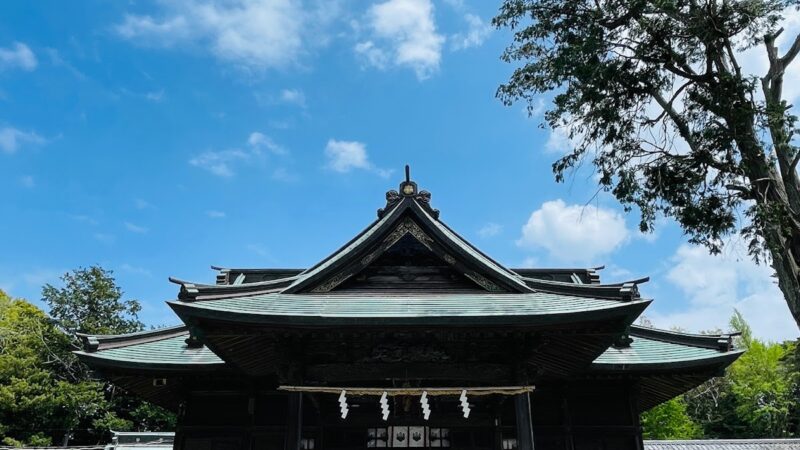
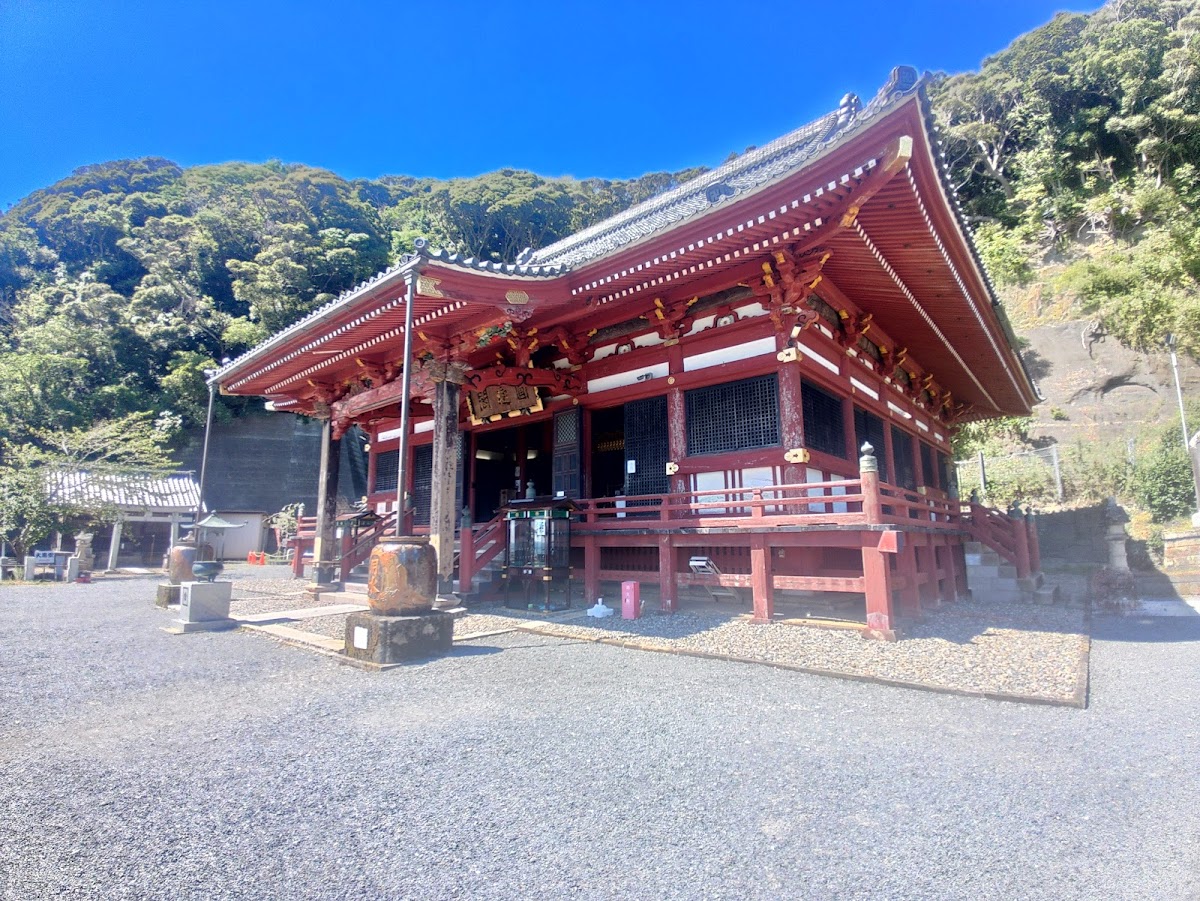
The main hall of Tsurugaya Hachimangu Shrine is a valuable structure that preserves the traditional style of shrine architecture. The vermilion-lacquered hall exudes a solemn atmosphere, inspiring a sense of reverence among visitors. The intricate carvings on the details of the hall attest to the high level of craftsmanship that has continued since the Edo period.
Particularly noteworthy is the dragon carving on the ceiling of the worship hall. The dynamic image of the dragon captivates visitors. This dragon, a divine beast that controls water, is also said to have the meaning of warding off fire.
Atmosphere and Environment of the Shrine Grounds
The shrine grounds are enveloped in a tranquil atmosphere, a healing spot that allows you to forget the hustle and bustle of the city. A sacred tree, estimated to be hundreds of years old, stands tall, evoking a long history. The grounds feature a purification fountain, a Kagura hall, and a shrine office, presenting a neat and orderly appearance.
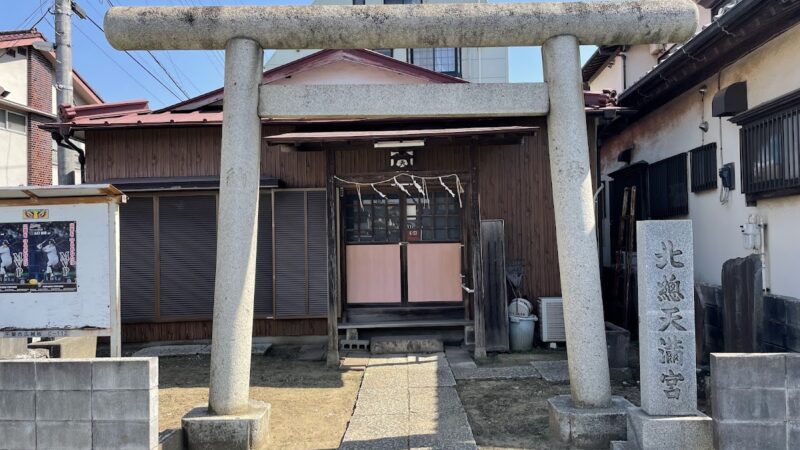
Located along National Route 127, the large torii gate is visible even when driving by. As you proceed along the approach to the shrine, you will gradually feel the sacred atmosphere deepening.
Nearby Historical Spots
Around Tsurugaya Hachimangu Shrine, there are numerous historical sites that tell the story of Tateyama City. At the Tateyama Castle ruins and the Tateyama City Museum, you can see exhibits on the history of Awa Province and the Satomi clan. Furthermore, the coastal area facing Tateyama Bay offers beautiful ocean views. Near the shrine, there is an area where old townscapes remain, making it a pleasant place to stroll. Tateyama City enjoys a mild climate and is a region where flower cultivation thrives, so the changing scenery throughout the seasons is another attractive feature.
Awa Kokushi Festival/Yawatamachi
History and Origin of the Festival
The “Awa Kokushi Festival/Yawatamachi” is a grand festival held every September as the annual grand festival of Tsurugaya Hachimangu Shrine. The name “Yawatamachi” is said to be a corrupted form of “Hachiman no Matsuri” (Hachiman Festival). This festival has a history of approximately 1,000 years and is designated as a Chiba Prefecture Intangible Folk Cultural Property, a valuable folk event that strongly retains the form of the Kokushi Festival of the Heian period.
In the ancient Kokushi Festival, the Kokushi (provincial governor) would visit the main shrine and pray for peace throughout the country and a bountiful harvest. The Yawatamachi festival, a celebration that carries on this tradition into the modern age, has been carefully preserved and passed down by the local people.
Festival Contents and Highlights
The Yawatamachi festival takes place over two days. On the first day, portable shrines (mikoshi) from 10 shrines in the Awa region gather and enter Tsurugaya Hachimangu Shrine. The sight of 10 mikoshi gathered together is breathtaking, and is why it is said to be the largest festival in the Minami-Boso region.
Each mikoshi, carried by the parishioners of each shrine, has its own unique characteristics, with differences in decoration and carrying style. The sight of the mikoshi parading through the streets accompanied by energetic shouts is sure to excite spectators.
On the second day, four magnificent floats and one sacred boat parade through Tateyama city. The floats are adorned with elaborate dolls and can be considered works of art that showcase the pinnacle of craftsmanship that has continued since the Edo period. The sacred boat reflects maritime worship and is a distinctive feature of Tateyama, a fishing town.
The festival’s climax is the “Hamairi,” where the portable shrine of Hachiman Shrine is carried to the beach, followed by the Hojo-e ceremony. The Hojo-e ceremony originates from a Buddhist ritual of releasing animals to discourage killing, preserving a remnant of the syncretism of Shinto and Buddhism.
Festival Schedule and Viewing Highlights
The Yawatamachi festival is held annually on September 14th and 15th (dates may vary). During this time, Tateyama city is completely immersed in the festival atmosphere, bustling with many spectators.
Recommended viewing points include the procession of the portable shrine on the first day and the parade of floats and sacred boats on the second day. The sight of multiple portable shrines gathering in the shrine grounds is particularly impressive and unlike anything seen elsewhere. Furthermore, the floats illuminated by lanterns at night create a magical atmosphere.
Due to anticipated crowds, we recommend arriving early to secure a good viewing spot. Numerous food stalls offering local delicacies will also be present, allowing you to enjoy the festival atmosphere along with the flavors of Boso.
Goshuin (Shrine Seal) Information
Goshuin Design and Features
Tsurugaya Hachimangu Shrine offers goshuin as a memento of your visit. The goshuin features the calligraphy of “Awa Province Grand Shrine” and “Tsurugaya Hachimangu,” along with the shrine’s seal. The powerful calligraphy conveys the shrine’s prestige and historical significance.
This goshuin, demonstrating its history as the Grand Shrine of Awa Province, will hold special meaning for those who visit shrines. A goshuin from a grand shrine with a thousand-year history will undoubtedly be a valuable addition to any goshuin collection.
Place and Time of Issuance
Goshuin are available at the shrine office within the grounds. Reception hours are generally from 9:00 AM to 4:00 PM, but they may not be able to accommodate requests during Shinto rituals or festivals, so it is recommended to check in advance.
Bringing your own goshuincho (stamp book) is generally recommended, but if you don’t have one, you may be given a pre-printed goshuin. When visiting, it is customary to first pray at the main shrine before receiving your goshuin.
The offering fee is similar to that of most shrines, around 300 to 500 yen. It’s best to have small change ready to avoid needing change.
Prayers and Shinto Weddings
About Various Prayers
Tsuruya Hachimangu Shrine accepts various prayers, including prayers for protection from evil, family safety, business prosperity, traffic safety, success in examinations, and safe childbirth. As the principal shrine of Awa Province, it enshrines many deities, allowing it to accommodate a wide range of wishes.
If you wish to have a prayer performed, it is recommended to contact the shrine office in advance to make a reservation. While same-day registration may be possible in some cases, it may not be possible due to the schedule of Shinto rituals, so reservations are recommended to ensure you receive a prayer.
The shrine also performs prayers for life milestones such as the first shrine visit for a newborn and Shichi-Go-San (a traditional rite of passage for children), functioning as a shrine that watches over important life events for the local community.
Shinto Wedding Ceremony
At Tsurugaya Hachimangu Shrine, you can hold a traditional Shinto wedding ceremony. A wedding at this historic shrine will be solemn and memorable. Commemorative photos can be taken in the Kagura-den (sacred dance hall) and on the shrine grounds, making it an ideal location for photos in traditional Japanese attire.
Reservations for a Shinto wedding ceremony are required several months in advance. You can consult with the shrine office in detail about the ceremony flow, attire, photography, etc. There are also reception venues and hotels in Tateyama City, and arrangements for post-ceremony banquets can be made.
Access Information
Access by Train
The nearest station is Tateyama Station on the JR Uchibo Line. From Tokyo Station to Tateyama Station, it takes approximately 2 hours by the “Sazanami” limited express train and about 2.5 hours by local train. From Tateyama Station to Tsurugaya Hachimangu Shrine is about a 20-minute walk.
The route from the station is relatively flat, and the easiest route is to head south along National Route 127. You can enjoy the scenery of Tateyama city along the way. If walking is difficult, consider taking a taxi. It takes about 5 minutes by taxi from the station and costs around 1,000 yen.
Access by Car and Parking
The nearest interchange for car access is the Futtsu-Tateyama Expressway “Tomiura IC”. From Tomiura IC, head south on National Route 127, and you will arrive in about 10 minutes. From the Tokyo area, it’s about a 1.5-hour drive via the Aqua-Line.
The shrine has a parking lot for visitors. Parking is usually not a problem, but it gets very crowded during festivals such as Yawatamachi. During the festival period, temporary parking may be available, but it’s also a good idea to consider using public transportation.
The shrine is easily recognizable from a car, as it has a large torii gate along National Route 127. Entering “Tsurugaya Hachimangu Shrine” or the address “68 Hachiman, Tateyama City, Chiba Prefecture” into your car navigation system will provide accurate directions.
Access by Bus
You can also take a JR Bus Kanto route bus from Tateyama Station. Get off at the “Hachiman” bus stop, and the shrine is right in front of you. Since bus services are limited, it’s recommended to check the timetable in advance.
Nearby Tourist Attractions
Tateyama Castle and Tateyama City Museum
Tateyama Castle, located about 10 minutes by car from Tsurugaya Hachimangu Shrine, is the site of the castle of the Satomi clan, who ruled Awa Province during the Sengoku period. Currently, it is maintained as Shiroyama Park, and the castle-like building houses the Tateyama City Museum (located within Shiroyama Park). At the museum, you can learn about the history of the Satomi clan and the culture of Awa Province.
From Shiroyama Park, you can enjoy a panoramic view of Tateyama Bay, and on clear days, you can even see Mount Fuji. It’s also known as a famous cherry blossom viewing spot, and in spring, it’s bustling with many visitors.
Tateyama Bay and Coastal Area
Tateyama City is a region with a beautiful coastline designated as part of the “Minami Boso Quasi-National Park.” Tateyama Bay has calm waves, making it ideal for swimming and marine sports. There are many distinctive coastlines, such as Hojo Coast and Okinoshima Island.
Okinoshima Island is an uninhabited island connected to the mainland, and is a great spot for exploring tide pools and observing nature. In the highly transparent waters, you can observe colorful fish while snorkeling.
Tateyama’s Cuisine and Souvenirs
Tateyama City is blessed with abundant seafood, and boasts dishes made with fresh fish. In particular, you can enjoy seafood bowls made with local fish, as well as high-end ingredients such as spiny lobster and abalone from Boso. Local Boso Peninsula cuisine such as “Namerou” and “Sanga-yaki” are also highly recommended.
Popular souvenirs include products made with Boshu loquats, peanut products, and processed seafood. Souvenir shops are scattered around Tateyama Station and along the national highway, where you can purchase local specialties as a memento of your trip.
Seasonal Highlights
Tateyama City is blessed with a mild climate and is known as a “city of flowers,” with flowers blooming throughout the year. From January to March, rapeseed blossoms and poppies, which herald the arrival of spring, are in full bloom. There are ways to enjoy the city throughout the seasons: swimming in the sea in summer, Yawatamachi in autumn, and flower picking experiences in winter, taking advantage of the mild climate.
Cycling courses are also well-maintained, and exploring the coastline by rental bicycle is highly recommended. Tateyama City sometimes offers cycling passes and campaigns, allowing you to enjoy sightseeing at a discount.
Basic Information for Visiting the Shrine
Visiting Hours and Admission Fee
Entry to the grounds of Tsurugaya Hachimangu Shrine is free, and there is no admission fee. There are no specific restrictions on visiting hours, however, the shrine office is generally open from 9:00 AM to 4:00 PM for receiving Goshuin (shrine stamps) and accepting prayer requests. Visiting in the early morning or evening offers a different kind of charm.
At night, the grounds become dark, so please be careful of your footing. During festivals and the New Year’s period, there are many visitors even at night, and the lights are turned on.
Manners for Visiting the Shrine
Please observe basic manners for visiting a shrine. Bow when passing through the torii gate, and walk along the sides of the path, as the center is considered the path of the gods. Cleanse your hands and mouth at the temizuya (water basin) before proceeding to the main hall.
The basic manner for visiting a shrine is “two bows, two claps, one bow.” Place your offering in the offering box, bow deeply twice, clap your hands twice, silently recite your wish, and then bow once more. It is important to be mindful that this is a sacred place and to worship quietly.
Photography is generally permitted, but please refrain from taking pictures inside the main hall or during prayers. It is also important to be considerate of other worshippers.
Accessibility Information
The grounds of Tsurugaya Hachimangu Shrine are generally flat, but there are some areas with steps. If you wish to visit in a wheelchair, it is recommended to consult with the shrine office in advance. The distance from the parking lot to the main hall is relatively short, and with assistance, it is possible to visit.
For detailed accessibility information, such as the availability of multi-purpose restrooms, it is best to inquire with the shrine in advance.
Summary of Tsurugaya Hachimangu Shrine’s Charms
Tsurugaya Hachimangu Shrine, with its thousand-year history as the main shrine of Awa Province, is a symbolic presence in Tateyama City. The Yawatamachi festival, which carries on the tradition of the Kokushi Festival dating back to the Heian period, continues to fascinate many people as a representative folk event of Chiba Prefecture.
Visiting the shrine in its tranquil grounds calms the mind and allows you to escape the hustle and bustle of everyday life. The opportunity to connect with the shrine in various ways, such as through Goshuin (shrine stamps), prayers, and Shinto wedding ceremonies, is also a major attraction.
Tateyama City is a tourist hub in southern Boso, accessible from Tokyo in about two hours. In this region, which boasts diverse attractions such as beautiful seas, a mild climate, and fresh seafood, Tsurugaya Hachimangu Shrine welcomes visitors as a center of history and culture.
While reflecting on the history of Awa Province, be sure to visit Tsurugaya Hachimangu Shrine. You’re sure to have a special experience at this place of faith that has been passed down for over a thousand years. It’s a must-see spot when sightseeing in Tateyama.
Frequently Asked Questions (FAQ)
Q1: When can I receive a Goshuin (temple/shrine stamp) at Tsurugaya Hachimangu Shrine?
A1: Goshuin are available at the shrine office from 9:00 AM to around 4:00 PM. However, they may not be available during religious ceremonies or festivals, so it is recommended to call ahead to confirm if you wish to receive one. The offering fee is approximately 300 to 500 yen.
Q2: When is the Yawatamachi festival held?
A2: The Awa Kokushi Festival, Yawatamachi, is held annually on September 14th and 15th. On the first day, ten portable shrines gather, and on the second day, floats and boats parade through the city. Tateyama city becomes very crowded during this period, so early arrival and advance reservations for accommodation are recommended.
Q3: Is there parking available?
A3: Parking is available for visitors. While there is usually ample parking space, it becomes extremely crowded during festivals such as Yawatamachi. Temporary parking lots may be set up during festivals, but it’s advisable to consider using public transportation.
Q4: How long does it take to walk from Tateyama Station?
A4: It takes approximately 20 minutes to walk from JR Tateyama Station to Tsurugaya Hachimangu Shrine. The route along National Route 127 heading south is easy to follow, and the path is relatively flat. If walking is difficult, a taxi from the station takes about 5 minutes and costs around 1,000 yen.
Q5: Is a Shinto wedding ceremony possible?
A5: Yes, traditional Shinto wedding ceremonies can be held at Tsurugaya Hachimangu Shrine. A wedding at this historic shrine will be solemn and memorable. If you wish to have one, you need to consult and make a reservation with the shrine office several months in advance. They will provide detailed information about the ceremony, attire, photography, etc.
Q6: Are there any recommended tourist spots in the surrounding area?
A6: I recommend Tateyama Castle, Tateyama City Museum, and the coastal area of Tateyama Bay (Hojo Coast, Okinoshima Island, etc.). From Tateyama Castle, you can enjoy a panoramic view of Tateyama Bay, and at the museum, you can learn about the history of the Satomi clan. In the coastal area, you can enjoy swimming, marine sports, and exploring the tide pools. There are also many restaurants where you can enjoy fresh seafood.