Complete Guide to Ogana Shrine (Kamogawa City, Chiba Prefecture) | The Charm of the 388 Stone Steps and Ippachi’s Wave Sculptures
Ogana Shrine, located in Izumi, Kamogawa City, Chiba Prefecture, is a historic shrine situated at the summit of Mt. Ogana, approximately 80 meters above sea level. It is a special place accessible only to those who climb the 388 steep stone steps, and is beloved by locals and visitors alike. This article provides a detailed explanation of Ogana Shrine’s history, highlights, visiting information, and access methods.
History and Origins of Ogana Shrine
Founding and Deity
While the exact founding date of Ogana Shrine is unclear, it has long been revered as the tutelary deity of the Izumi area, believed to have been established in ancient times. The current enshrined deity is Amenominakanushi-no-Mikoto, revered as the primordial god of the universe.
From the Meiji period to the end of World War II, it was designated as a village shrine and played an important role as a center of faith in the region. The entire small mountain, Otoganeyama, is considered sacred ground, forming a sacred space integrated with nature.
Connection to the Izumi District
Otogane Shrine has been closely intertwined with the lives of local residents as the tutelary shrine of the Izumi district in Kamogawa City. The entrance to the shrine’s approach is located to the right of the Izumi Public Hall, a nationally registered tangible cultural property, and functions as a local landmark.
Throughout the year, local festivals and events are held here, and it has been carefully preserved to this day as a spiritual anchor for the residents.
388 Stone Steps | The Most Unique Feature of Otogane Shrine
Structure and Characteristics of the Stone Steps
An essential element when discussing Otogane Shrine is the 388 stone steps. These steps, leading from the entrance to the main shrine, are characterized by their narrow width and steep incline, presenting a significant challenge for worshippers.
The stone steps are simply constructed from stacked natural stones, and their moss-covered appearance, honed over many years, creates a picturesque scene, truly embodying the spirit of a pilgrimage path. There are landings along the way, allowing you to catch your breath as you climb.
Precautions for Visiting the Stone Steps
When climbing the 388 stone steps, please note the following:
- Appropriate Attire: Wear non-slip shoes such as athletic shoes or trekking shoes.
- Weather Check: The steps can be slippery in rainy weather or after rain, so caution is necessary.
- Health Management: Climb at your own pace without overexerting yourself.
- Hydration: Especially in summer, bringing water is recommended to prevent heatstroke.
- Time Consideration: Allow approximately 40 minutes to 1 hour for the round trip.
The sense of accomplishment upon reaching the top of the steps and the view from the summit are exceptional. These steps themselves are an important part of the pilgrimage, and the experience of climbing each step can feel like a purification of the soul.
View from the Landing
From the landing halfway up the stone steps, you can enjoy views of the town of Kamogawa and the Pacific Ocean. Taking a break and enjoying the scenery will make your visit even more memorable. The beauty of nature, which changes with the seasons, is also one of the charms of Otokogane Shrine.
Sculptures by the Third Generation Nami no Ihachi
About Nami no Ihachi
The main hall of Otokogane Shrine houses sculptures by the third generation Nami no Ihachi. Nami no Ihachi is a lineage of sculptors who were active from the late Edo period to the Meiji era, and are particularly known for their exceptional skill in depicting waves.
The first generation, Takeshi Hachiro Nobuyoshi, was praised as “the best in the world at carving waves,” and his technique was passed down through generations. The third generation also inherited this tradition, leaving works in many temples and shrines in the Boso region.
Characteristics of the Sculptures at Otokogane Shrine
The carvings on the main hall beautifully express the movement and vitality of waves, showcasing the high level of skill evident in the meticulous detail. Ippachi’s technique, which breathes life into the wood, continues to captivate viewers.
Despite being exposed to the elements for many years, the carvings have maintained their artistic value and are highly regarded as cultural assets. When visiting the shrine, be sure to pay attention to the carvings on the main hall.
Exploring Ippachi’s Works in the Boso Region
Besides Otokogane Shrine, many works by Ippachi and his school of “Waves” remain in Kamogawa City and the surrounding areas. When visiting Otokogane Shrine, exploring other works by Ippachi will also be a delightful cultural heritage exploration.
Visiting Information and Access
Basic Information
- Location: 1639 Izumi, Kamogawa City, Chiba Prefecture 296-0045
- Nearest Station: Awa-Kamogawa Station, JR Sotobo Line
- Visiting Hours: Daytime (Nighttime visits are not recommended)
- Admission Fee: Free
- Shrine Office: Not staffed permanently; prior confirmation is necessary for obtaining Goshuin (shrine stamps), etc.
Access Methods
Access by Train
Approximately 25 minutes on foot or 5 minutes by car from Awa-Kamogawa Station on the JR Sotobo Line. Taxis are also available from the station.
Access by Car
Approximately 60 minutes from Kimitsu IC on the Tateyama Expressway via National Route 410 and National Route 128. Entering “Izumi Public Hall” or “Otokogane Shrine” into your car navigation system is convenient.
Parking Information
There is no dedicated parking lot near the entrance to the Otokogane Shrine’s approach, but there are several parking spaces around the Izumi Public Hall. However, please be considerate of the local public facilities and keep your visit brief.
When parking, please avoid street parking and park in the designated areas to avoid inconveniencing local residents.
Precautions During Your Visit
- Safety on the Stone Steps: There are slippery sections, so please use the handrail and climb carefully.
- Insect Repellent: In the summer, the use of insect repellent spray is recommended.
- Take Your Trash Home: To protect the natural environment, please be sure to take your trash home with you.
- Visit at Your Own Risk: If you have any concerns about your health, please do not overexert yourself.
Goshuin (Shrine Seals) and Gifts
About Goshuin (Shrine Seals)
Otokogane Shrine offers Goshuin, but there is no permanent shrine office, so please inquire in advance. Local parishioners or shrine staff may be able to assist you.
Those wishing to receive a Goshuin (temple/shrine stamp) are advised to check information at Izumi Public Hall or the local area, or inquire with the Kamogawa City Tourism Association. For those collecting Goshuin as a record, this will be a valuable shrine.
Information on Items Offered
While there is no permanent offering counter, amulets and talismans may be available on special days such as festivals. Detailed information can be found on local bulletin boards or at Izumi Public Hall.
Highlights of Otokogane Shrine
Main Hall and Grounds
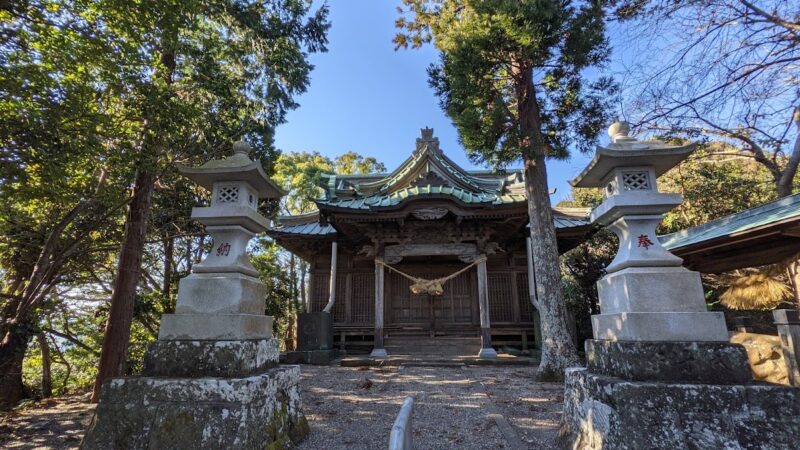
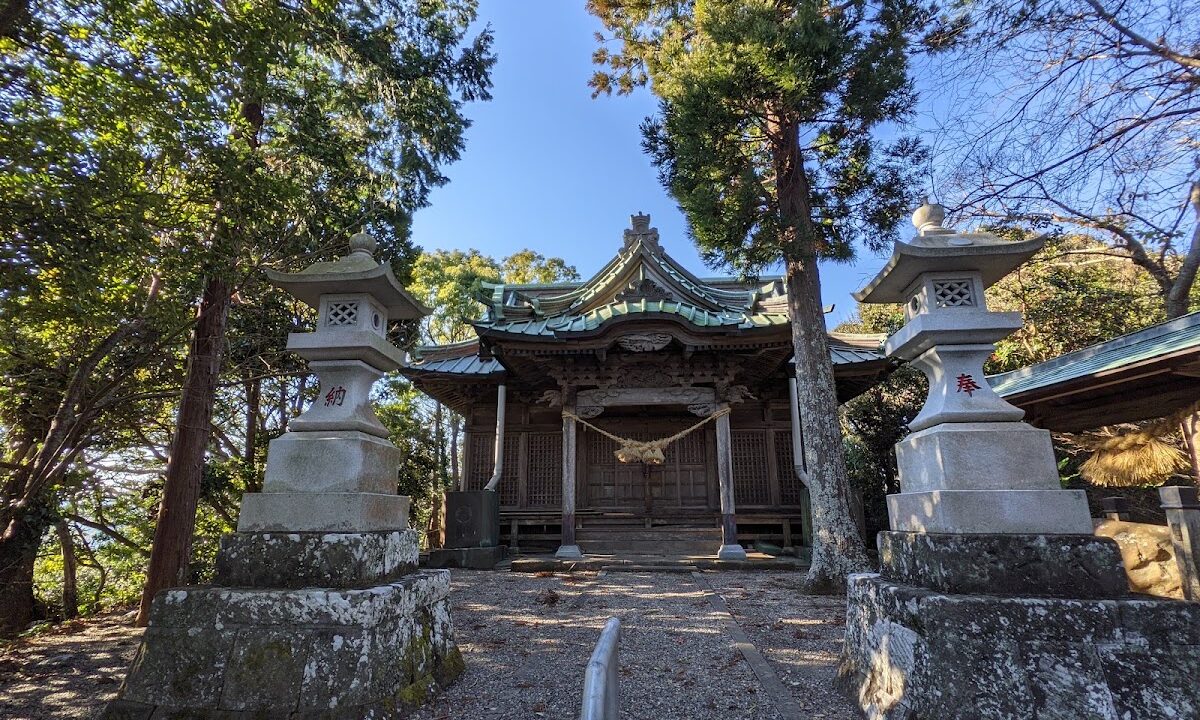
The main hall, reached after climbing 388 stone steps, possesses a simple yet solemn atmosphere. Surrounded by a lush forest, a sacred atmosphere permeates the area.
The main hall’s architectural style is traditional shrine architecture, and the carvings by the third-generation Nami no Ippachi are particularly impressive. The grounds are not large, but they are well-maintained, reflecting the deep faith of the local people.
Views from the Summit
From Otokogane Shrine, located at the summit of Mt. Otokogane, you can enjoy panoramic views of Kamogawa city and the Pacific Ocean. On clear days, you can even see the mountains of the Boso Peninsula in the distance, and this spectacular view will make you forget the fatigue of climbing the stone steps.
The refreshing morning air and the magical atmosphere at dusk are especially wonderful. It’s also a popular spot for photography.
Nature Along the Approach
A rich natural environment unfolds along the approach to the shrine, allowing you to observe plants of all seasons. Enjoy the fresh greenery in spring, the deep green in summer, the vibrant autumn leaves, and the tranquil scenery in winter—each season offers a different facet of beauty.
Listening to the chirping of wild birds and the rustling of the trees while visiting the shrine will provide a healing time that will make you forget the hustle and bustle of the city.
Nearby Tourist Attractions
Izumi Public Hall (Nationally Registered Tangible Cultural Property)
Izumi Public Hall, located adjacent to the entrance to the approach to Otokogane Shrine, is a historical building designated as a Nationally Registered Tangible Cultural Property. It is a valuable building that retains the architectural style of the Taisho era and is still used today as a community center.
Visiting Temples and Shrines in Kamogawa City
Besides Otokogane Shrine, Kamogawa City has many other historical temples and shrines. A cultural heritage tour visiting temples and shrines that house works by Nami no Ihachi, or a temple and shrine tour experiencing the nature and history of the Boso Peninsula, are highly recommended.
Kamogawa Sea World
For families, Kamogawa Sea World, located about 15 minutes away by car, is also recommended. After a quiet visit to Otokogane Shrine, enjoying time interacting with marine life is a great idea.
Kamogawa Coastline
Kamogawa City is also known for its beautiful coastline. After visiting the shrine, relaxing on the beach overlooking the Pacific Ocean is highly recommended. There are many restaurants where you can enjoy fresh seafood, making it possible to spend a fulfilling day combining sightseeing and shrine visits.
Annual Events at Otokogane Shrine
Annual Festival
Otokogane Shrine holds its annual festival once a year. It’s a precious opportunity for local parishioners to gather and participate in traditional Shinto rituals. The date of the festival varies each year, so please check the notices posted in the Izumi area or other local information.
New Year’s Visit
At the start of the new year, local residents visit the shrine for their first shrine visit of the year. The tradition of climbing the 388 stone steps to offer prayers for the new year is an important part of the local culture. However, be aware that the stone steps may freeze in winter, so caution is necessary.
Manners and Etiquette for Visiting a Shrine
Basic Worship Etiquette
- Bow at the Torii Gate: Bow before passing through the torii gate at the entrance to the shrine grounds.
- Walking on the Shrine Path: Walk along the sides, as the center is considered the path of the gods.
- Water Basin: Purify your body and mind at the water basin if available.
- Etiquette at the Main Hall: The basic procedure is two bows, two claps, and one bow.
- When Leaving: After leaving the torii gate, turn around and bow.
Photography Etiquette
Photography is permitted at Otokogane Shrine, but please observe the following etiquette:
- Refrain from taking photos inside the main hall.
- Be considerate of other worshippers.
- Carefully consider whether to include location information when posting on social media.
- Actions that damage the natural environment are strictly prohibited.
Location Usage
Otokogane Shrine is registered with the Chiba Prefecture Film Commission and is sometimes used as a filming location for movies and dramas. We offer a variety of locations suitable for film and television productions, including temple grounds, long staircases, landings, and approach paths.
If you wish to use these locations, formal procedures must be followed through the Chiba Prefecture Film Commission. For commercial use or filming, please be sure to obtain permission in advance.
What to Wear and Bring When Visiting Otokogane Shrine
Recommended Attire
- Shoes: Non-slip athletic shoes or trekking shoes
- Clothing: Comfortable trousers or sportswear
- Hat: For protection from the summer sun
- Jacket: The temperature at the summit is lower than at sea level, so wear clothing that allows for temperature adjustment
Useful Items to Bring
- Drinks for hydration
- Towel or sweat wipes
- Insect repellent spray (summer)
- Camera or Goshuincho (stamp book)
- Rain gear (in case of unstable weather)
- Walking stick or trekking poles (if needed)
Summary of the Charms of Visiting Otokogane Shrine
Otokogane Shrine is a unique shrine that combines the challenge of climbing 388 stone steps, the art of the carvings by the third-generation Nami no Ippachi, and the reward of a spectacular view from the summit.
This is a precious place where you can experience the sense of accomplishment that comes from hard work, a feeling that is becoming increasingly rare in modern society. It’s also gaining attention as a power spot where you can refresh both mind and body.
Otokogane Shrine, with its long history as the guardian deity of the region, its rich natural environment, and the warm faith of the local people, still thrives today. It’s a hidden gem that you should definitely visit when you’re in Chiba Prefecture.
Contact Information and Related Information
For detailed information and the latest updates regarding Otokogane Shrine, please contact the following:
- Kamogawa City Tourism Association: General tourism information for Kamogawa City
- Izumi District Neighborhood Association: Information on local events and festivals
- Chiba Prefecture Film Commission: Regarding location use
Before visiting, we recommend checking the weather and the condition of the stone steps, and taking sufficient safety precautions. While visiting is at your own risk, the sense of accomplishment and emotion you gain will be exceptional.
Enjoy a memorable pilgrimage experience at Otokogane Shrine in Kamogawa City, Chiba Prefecture.