Marugo Shrine (Minamiboso City, Chiba Prefecture) Complete Guide | An 800-Year-Old Cedar and a Historic Sacred Site of Suwa Faith
Located in Marumotogo, Minamiboso City, Chiba Prefecture, Marugo Shrine is an ancient shrine said to have been founded during the Yoro era (717-724). Formerly known as “Suwa Daimyojin,” it received deep reverence from the Maru clan, a local samurai group. Currently, visitors are captivated by the sacred cedar tree, said to be 800 years old, the steep approach to the shrine, and the tranquil cedar forest surrounding the grounds. This article provides detailed information necessary for a visit, including the history of Marugo Shrine, its enshrined deities, highlights of the grounds, and access methods.
Deities and Divine Virtues of Marugo Shrine
The enshrined deity of Marugo Shrine is Takeminakata-no-Mikoto. Takeminakata-no-Mikoto is a deity enshrined at Suwa Grand Shrine in Shinano Province (present-day Nagano Prefecture), and is known as the god of martial prowess and agriculture. He appears in the Kojiki (Records of Ancient Matters) as a son of Okuninushi-no-Mikoto, and has been worshipped as a god who demonstrated military strength in the myth of the transfer of the land.
Suwa faith spread throughout Japan from the medieval period onward, primarily among the samurai class, and many Suwa shrines were established in Chiba Prefecture. Marugo Shrine is one such example; it is believed to have been founded in this location as Suwa Daimyojin because the Maru clan, a local samurai group, embraced Suwa faith.
Divine Virtues
- Long-lasting Military Fortune and Good Luck in Competitions: Due to its nature as a god of war, it is believed to bestow strength in facing challenges and difficulties.
- Abundant Harvests and Protection of Agriculture: As a god of agriculture, many worshippers visit to pray for a bountiful harvest.
- Protection from Misfortune and Good Fortune: As a guardian shrine of the region, it is believed to offer blessings for protection from misfortune and for good fortune.
History of Marugo Shrine
Founding during the Yōrō Era and the Reverence of the Maru Clan
Marugō Shrine is said to have been founded during the Yōrō era (717-724). Initially called “Suwa Daimyōjin” or “Suwa Shrine,” it was revered by the Maru clan, who ruled this region. The Maru clan was a samurai group that served as district magistrates in Awa Province and held power in the southern Bōsō region from the late Heian period to the Kamakura period.
Records show that Marumoto Toshi constructed the shrine during the Juei era (1182-1185). This period coincided with the Genpei War, and it is believed that the Maru clan sided with the Minamoto clan. Since Suwa worship was highly valued as a guardian deity for samurai, it was natural for the Maru clan to respectfully worship it as their tutelary deity.
After the Fall of the Maru Clan and the Satomi Clan Era
The Maru clan is believed to have fallen during the Muromachi period, but afterwards, this region came under the control of the Sengoku daimyo, the Satomi clan. The Satomi clan also valued Marugo Shrine as the “Great Shrine of Marugo” and protected it as the main shrine of the region. As the main shrine of the 14 villages of Marugo, it became a place of worship that attracted a wide range of followers.
Name Change in the Meiji Era
In 1869 (Meiji 2), with the separation of Shinto and Buddhism and the establishment of the shrine ranking system, the shrine’s name was changed from “Suwa Shrine” to “Marugō Shrine.” This name originates from the local place name “Marugo” (the village of the Maru clan), and is thought to emphasize the shrine’s connection to the community. This name change led to the establishment of the current name, “Marugo Shrine.”
Highlights and Cultural Assets within the Shrine Grounds
The 800-Year-Old Sacred Cedar
The greatest highlight of Marugo Shrine is the 700-800 year old cedar tree that stands tall within the grounds. This sacred tree is designated a natural monument of Minamiboso City (formerly Maruyama Town) and is carefully protected as a living witness to the shrine’s long history.
Its trunk circumference reaches several meters, and its imposing presence is overwhelming when you look up at it. Based on its age, it is thought to have been planted between the Kamakura and Muromachi periods, and it may have watched over the shrine since the time the Maru clan built the shrine buildings. This magnificent cedar, standing out even in the tranquil cedar forest, gives visitors a sacred atmosphere.
Steep Approach and Three Torii Gates
The approach to Marugo Shrine is known for its steepness. The slope near the second torii gate is particularly steep, surprising visitors. After climbing this steep slope, the third torii gate appears, and beyond that, the landscape transforms into a serene cedar forest, a sacred area.
This change in topography symbolically represents the transition from the secular world to the sacred realm, encouraging visitors to shift their mindset. Those with less confidence in their physical abilities are advised to climb slowly, taking breaks as needed.
Serene Cedar Forest and Shrine Atmosphere
After passing through the third torii gate, the shrine grounds are enveloped in a cedar forest with trees hundreds of years old. The quiet space, bathed in dappled sunlight, truly embodies the atmosphere of a sacred area. It’s also gaining attention as a power spot where one can escape the hustle and bustle of the city and find peace in nature.
Especially in the early morning and evening, the atmosphere is even more mystical, making it ideal for photography. Entry to the shrine grounds is free, and you can easily find your way there using a map app.
Main Shrine and Subsidiary Shrines
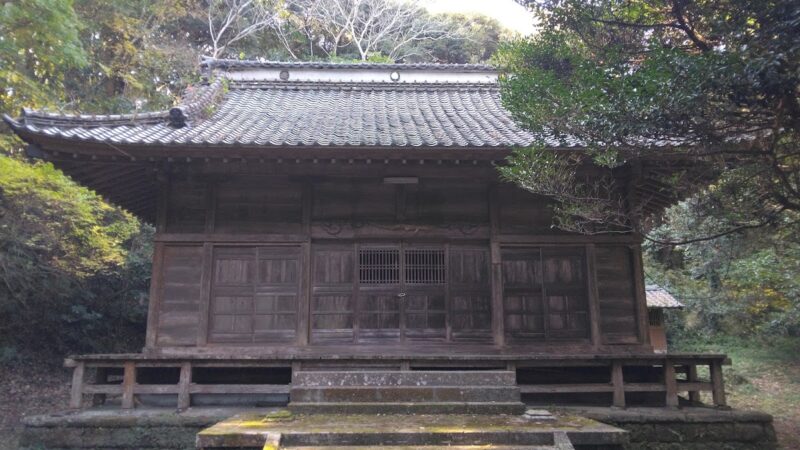
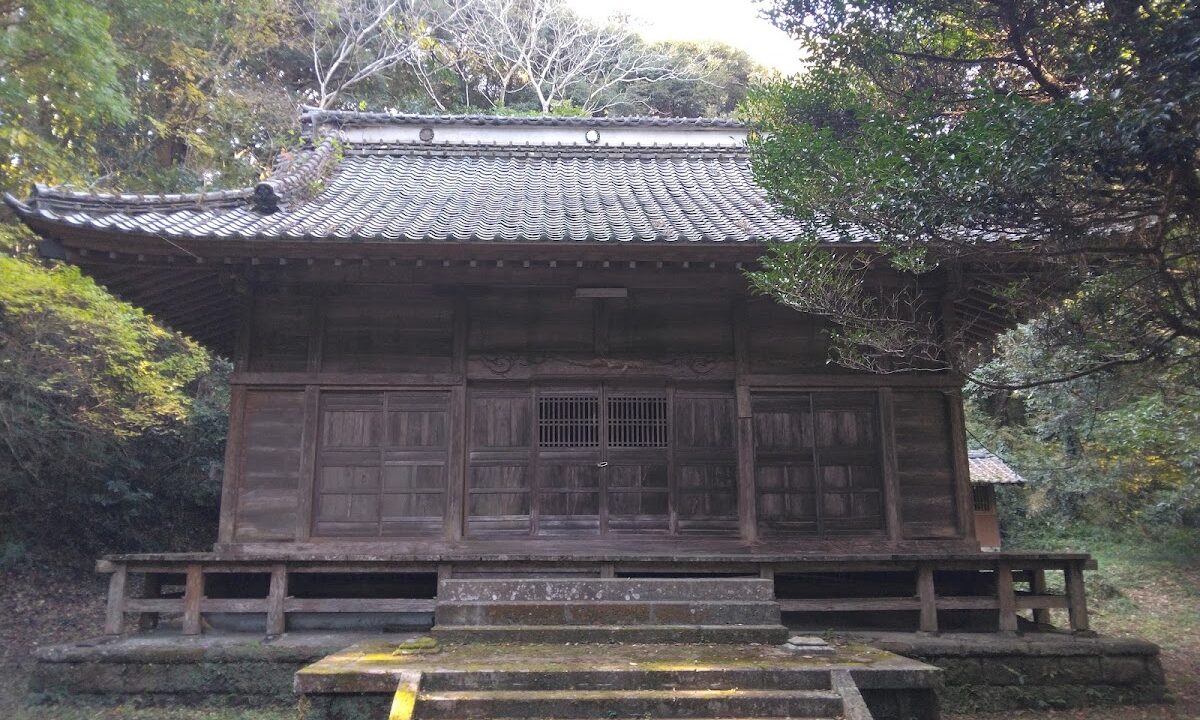
The main shrine is believed to have been rebuilt several times since the time of the Maru and Satomi clans. The current shrine building is relatively simple in structure, but it possesses the dignity befitting a center of local faith. Quietly offering your prayers at the worship hall, you can feel the prayers accumulated over a long history.
Location and Address Information
Address: 352 Marumoto-go, Minamiboso City, Chiba Prefecture
Marugo Shrine is located in the Marumoto-go district of Minamiboso City. This area, known as “Maru no Sato,” was once ruled by the Maru clan. The surrounding area is a quiet rural landscape dotted with ancient shrines.
For official information such as the phone number and office hours, it is recommended to inquire with the Minamiboso City Tourism Association beforehand. Regarding the issuance of Goshuin (shrine stamps), there may not be a resident priest, so prior confirmation is necessary if you wish to receive one.
Nearest Station, Line, and Access Methods
Access by Train
Nearest Station: JR Uchibo Line “Minami-Mihara Station”
Marugo Shrine is approximately 4.1 km from Minami-Mihara Station, taking about 52 minutes on foot. While it’s a bit of a distance to walk directly from the station, it’s a pleasant stroll through the tranquil rural scenery. However, it’s best to avoid walking during the summer or on days with bad weather.
Access by Bus
Nearest Bus Stop: “Maru-Nokyo-mae” Bus Stop
Marugo Shrine is approximately 1.1 km from the Maru-Nokyo-mae bus stop, taking about 14-18 minutes on foot. If using a local bus from Minami-Mihara Station, getting off at this Maru-Nokyo-mae bus stop is the most convenient. However, since the number of buses is limited, it’s necessary to check the timetable in advance.
Access by Car
If traveling by car, it’s about 20 minutes from the Futtsu-Tateyama Expressway “Tomiura IC”. Entering “Marugo Shrine” or the address “352 Marumotogo, Minamiboso City, Chiba Prefecture” into your car navigation system or map app will guide you there.
There is parking space near the shrine, but it is unclear whether it is an official parking lot for visitors, so please be considerate of local residents. Avoid street parking and park in an appropriate location.
Access Notes
- Public transportation is infrequent, so check the timetable in advance.
- Using a map app will help you arrive without getting lost (free to use).
- The approach to the shrine is steep, so comfortable shoes are recommended.
- Insect repellent is necessary during the summer months.
Three Recommended Shrines in Minamiboso, Chiba Prefecture
When visiting Marugo Shrine, it is recommended to also visit the surrounding historical shrines.
1. Awa Shrine (Tateyama City)
A prestigious shrine known as the Ichinomiya (first-ranked shrine) of Awa Province. It enshrines Amenotama-no-Mikoto and is popular for its blessings of improved financial and career luck. ### 2. Suzaki Shrine (Tateyama City)
Located near the tip of the Boso Peninsula, it is worshipped as the guardian deity of maritime safety and safe navigation. The spectacular view overlooking the sea is also a major attraction.
3. Tsurugaya Hachimangu Shrine (Tateyama City)
This shrine is said to be where Minamoto no Yoritomo prayed for victory upon landing in Awa Province. It is believed to bring good fortune in battle and general good luck.
Manners and Precautions for Visiting Shrines
Basic Manners for Visiting Shrines
- Bow before the torii gate: The torii gate is the entrance to the sacred area. Bow before passing through
- Walk along the edge of the approach to the shrine: The center is considered the path for the gods
- Purify yourself at the water basin: If there is a water basin, purify your hands and mouth before praying
- Two bows, two claps, one bow: This is the basic etiquette at the main hall
Points to note when visiting Marugo Shrine
- Be careful of your footing as there are steep slopes
- Some areas in the cedar forest can be slippery
- Bring insect repellent spray during seasons with many insects
- The shrine office is not always open
- If you wish to receive a Goshuin (shrine stamp), please check in advance
Tourist spots around Marugo Shrine
Michi-no-Eki Furari Tomiyama
A roadside station where you can purchase fresh seafood and agricultural products. It is about a 15-minute drive from Marugo Shrine, and you can enjoy the flavors of Boso.
Obusa Cape Nature Park
A scenic spot with a panoramic view of Tateyama Bay. Hiking trails are well-maintained, allowing you to fully enjoy nature.
Minamiboso Coastline
Minamiboso City is blessed with a beautiful coastline. After visiting the shrine, a drive along the coast is highly recommended.
Annual Events at Marugo Shrine
Marugou Shrine holds traditional festivals organized by local parishioners. Specific festival dates can be found on local bulletin boards and in Minamiboso City’s tourist information.
Generally, many shrines hold the following annual events:
- New Year’s Day Festival (January 1st): A festival celebrating the New Year
- Spring Festival (around April): A prayer for a bountiful harvest
- Summer Festival (July-August): A local festival
- Autumn Festival (October-November): A festival giving thanks for the harvest
For detailed dates and content, it is recommended to check local information before visiting.
About Goshuin (Shrine Seals)
Official information regarding the issuance of Goshuin at Marugo Shrine is limited. Many visitors request a Goshuin (temple/shrine stamp), but some shrines without a resident priest may not be able to provide one.
If you want to be sure to receive a Goshuin, please try the following:
- Contact the Minamiboso City Tourism Association.
- Find out which nearby shrines are managed by the same priest.
- Check if there is someone at the shrine office on the day of your visit.
Regardless of whether or not you receive a Goshuin, the act of visiting the shrine itself is important. Prioritize quietly joining your hands in prayer and expressing your gratitude.
Photography Tips
Marugo Shrine is a great spot for photography:
- The Sacred Cedar: Take impressive photos from an upward angle.
- The Cedar Forest Path: Early morning or evening, when sunlight filters through the trees, is recommended.
- The Steep Path: Express a sense of mystery with a low-angle shot.
- The Torii Gate and Nature: The contrast between the torii gate and the surrounding greenery is beautiful.
When taking photos, please be considerate of other worshippers and remember that this is a sacred area, showing respect.
Summary: Marugo Shrine is a Sacred Place Where History and Nature Blend
Marugo Shrine in Minamiboso City, Chiba Prefecture, boasts a long history dating back to the Yoro era, and is a venerable shrine that has been revered by samurai clans such as the Maru and Satomi families. The 800-year-old cedar tree, the steep path, and the tranquil cedar forest surrounding the shrine grounds deeply impress visitors.
While access is somewhat inconvenient, this is precisely why it has preserved a tranquil and sacred atmosphere. Using a map will ensure you arrive without getting lost, and admission is free. When visiting Minamiboso, be sure to visit Marugo Shrine and experience its long history and the power of nature.
We recommend checking official information and the latest visiting information in advance. Obtaining necessary information such as the availability of Goshuin (shrine stamps) and festival dates before your visit will make for a more fulfilling experience.