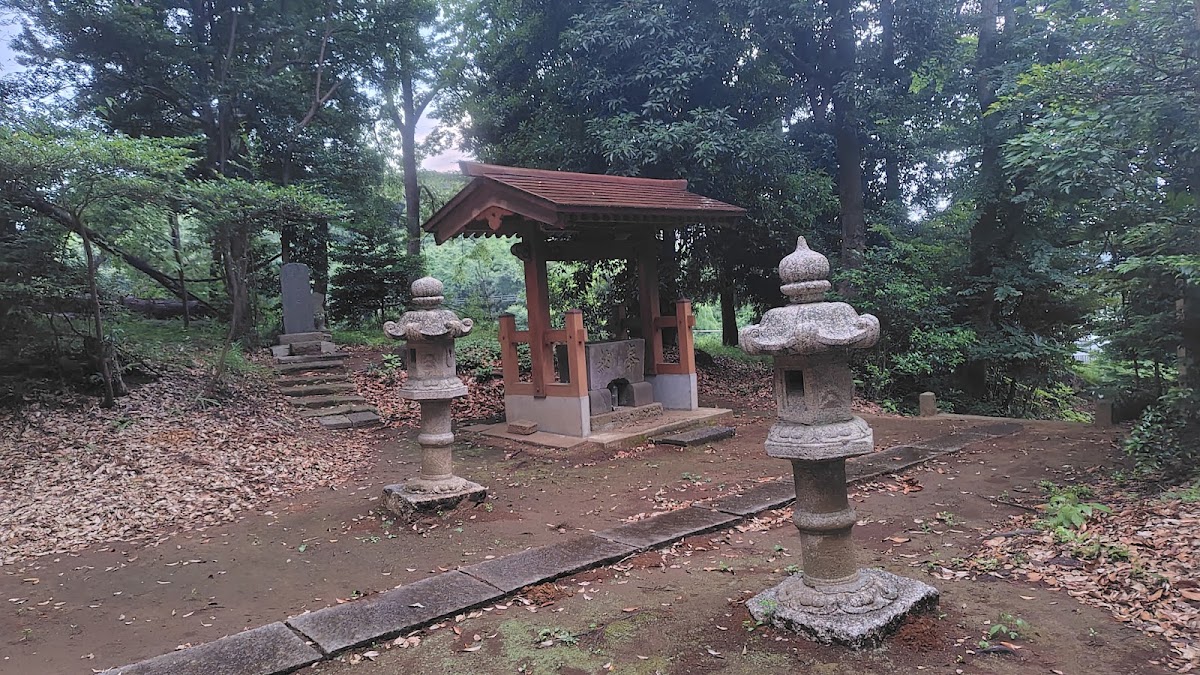
Sakazuki Shrine (Wakaba Ward, Chiba City, Chiba Prefecture) Complete Guide | History, Deities, Subsidiary Shrines, and Access Information
Sakazuki Shrine, located in Sakazuki-cho, Wakaba Ward, Chiba City, is a historical shrine dedicated to Tsukuyomi-no-Mikoto. While the exact founding date is unknown, a stone monument from the Edo period confirms its history of at least 200 years. This article provides a detailed introduction to Sakazuki Shrine, covering its history, deities, subsidiary shrines, cultural properties, and access methods, from a local perspective.
Overview of Sakazuki Shrine
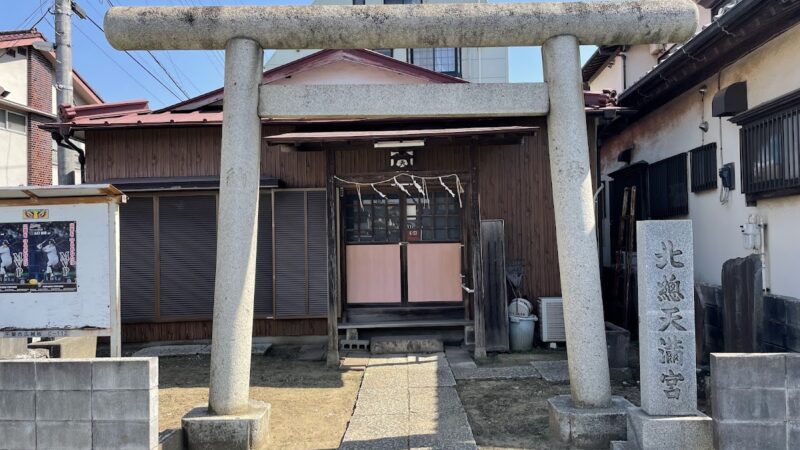
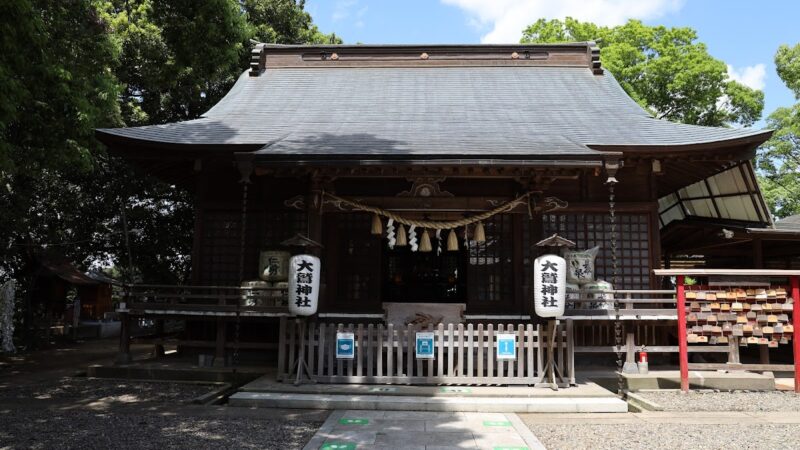
Sakazuki Shrine is located at 71 Sakazuki-cho, Wakaba Ward, Chiba City, Chiba Prefecture, in the Sakazuki district of the former Chishiro Village. It enshrines Tsukuyomi-no-Mikoto as its main deity and has long been revered by local residents.
Basic Information
- Shrine Name: Sakazuki Shrine
- Location: 71 Sakazuki-cho, Wakaba-ku, Chiba City, Chiba Prefecture
- Postal Code: 264-0012
- Main Deity: Tsukuyomi-no-Mikoto
- Former Shrine Rank: Village Shrine
- Year of Founding: Unknown (Estimated to be before 1806 based on a stone monument from Bunka 3)
- Shrine Grounds Area: Approximately 550 tsubo (according to historical records)
The shrine building of Sakazuki Shrine was small, measuring three shaku on each side (approximately 90 cm square), but it was carefully preserved by 27 parishioners as the local guardian deity. Even today, it remains a central presence in the local community, conveying the history and culture of Wakaba-ku, Chiba City.
The History and Origins of Sakatsuki Shrine
The exact founding date of Sakatsuki Shrine is unknown, but multiple historical documents confirm its existence before the mid-Edo period.
The History of Sakatsuki Shrine as Seen Through Cultural Properties
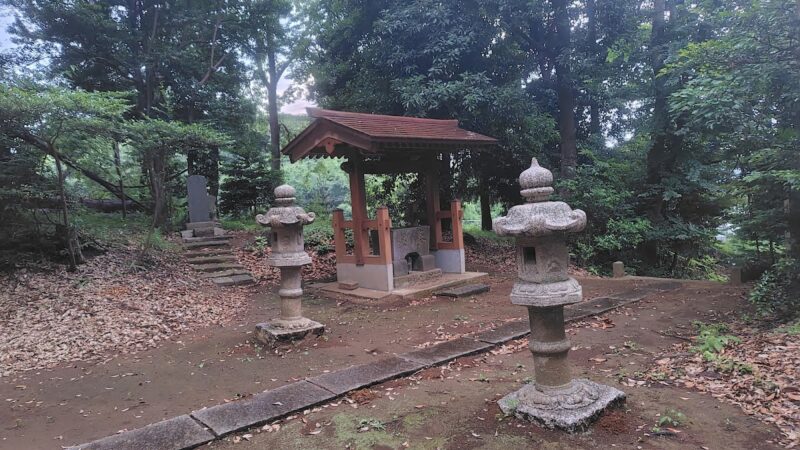
A stone monument remaining on the shrine grounds bears the inscription “Bunka 3rd year” (1806), indicating that Sakatsuki Shrine functioned as a center of local faith at least by this time. Another stone monument bears the inscription “Ansei 5th year, September, auspicious day” (1858), showing that faith by local residents continued throughout the late Edo period.
These stone monuments are valuable cultural properties that tell the history of Sakatsuki Shrine and are carefully preserved on the shrine grounds.
Description in the “Chiba Prefecture, Chiba County History”
The “Chiba Prefecture, Chiba County History,” compiled during the Meiji era, describes Sakatsuki Shrine as follows:
“Located in Tonochi, Sakatsuki, Chishiro Village. It enshrines Tsukuyomi-no-Mikoto. The shrine building is three feet square, and the grounds cover 550 tsubo (approximately 1,850 square meters). Within the grounds are several smaller shrines: Tenjin Shrine, Hoso Shrine, Ekibyo-shin Hie Shrine, and Haguro Shrine. There are 27 parishioners.”
This record indicates that, in the Meiji period, Sakatsuki Shrine had multiple smaller shrines in addition to the main shrine, functioning as a comprehensive place of worship for the region.
Record from the “Chiba Prefecture Shrine Directory”
The “Chiba Prefecture Shrine Directory,” compiled during the Showa period, also lists Sakatsuki Shrine, confirming its official recognition as a shrine within Chiba Prefecture. The history of its designation as a village shrine is also recorded, indicating that the shrine’s importance in the region was officially recognized.
Origin of the Place Name “Sakatsuki”
There are several theories regarding the origin of the place name “Sakatsuki,” but given the presence of a shrine dedicated to Tsukuyomi-no-Mikoto, it is thought to be related to moon worship. The hilly terrain may also be a contributing factor to the name.
Sakatsuki Village existed as part of Chishiro Village during the Edo period, and the name remained even after the implementation of the town and village system in the Meiji era. The current Sakatsuki-cho, Wakaba-ku, Chiba City, inherits this historical place name.
About the Deity: Tsukuyomi-no-Mikoto
Tsukuyomi-no-Mikoto, the principal deity of Sakatsuki Shrine, is one of the important gods in Japanese mythology. He is also known as Tsukuyomi-no-Mikoto.
The Divine Nature of Tsukuyomi-no-Mikoto
Tsukuyomi-no-Mikoto is considered one of the “Three Noble Children” born from Izanagi-no-Mikoto, along with Amaterasu-Omikami and Susanoo-no-Mikoto. As the god who governs the moon, he is a being who rules the world of night.
Divine Virtues of Tsukuyomi-no-Mikoto
Tsukuyomi-no-Mikoto is believed to possess the following divine virtues:
- Protection of Agriculture: As the phases of the moon serve as indicators for agricultural work, Tsukuyomi-no-Mikoto has been worshipped as the god of agriculture.
- Safe Navigation: Moonlight plays an important role in nighttime voyages, so Tsukuyomi-no-Mikoto is also revered as the god of maritime safety.
- Protection of the Calendar: The old calendar is based on the phases of the moon, so Tsukuyomi-no-Mikoto is considered the god who governs time and the calendar.
- Protection of the Night: As the god of the moon that illuminates the darkness of night, Tsukuyomi-no-Mikoto is considered the god who protects safety at night.
- Safe Childbirth and Child-Rearing: As the lunar cycle is related to the rhythm of a woman’s body, Tsukuyomi-no-Mikoto is also worshipped as the god of safe childbirth and child-rearing.
Tsukuyomi-related Shrines in Chiba Prefecture
Besides Sakatsuki Shrine, there are several other shrines in Chiba Prefecture that enshrine Tsukuyomi-no-Mikoto. The Rokuten Shrine in Hanamigawa Ward, Chiba City, and the Uba Shrine in Mutsuzawa Town, Chosei District, are also known as shrines of the Tsukuyomi lineage, demonstrating the widespread moon worship in Chiba Prefecture.
Shrines dedicated to Tsukuyomi-no-Mikoto, or shrines that enshrine Tsukuyomi-no-Mikoto as a secondary deity, are scattered throughout various regions of Chiba Prefecture, including Inzai City, Narita City, Sakura City, Asahi City, Ichihara City, Kimitsu City, and Mobara City, indicating that moon worship has been deeply rooted there since ancient times.
Diversity of Shrine Precinct Shrines and Beliefs
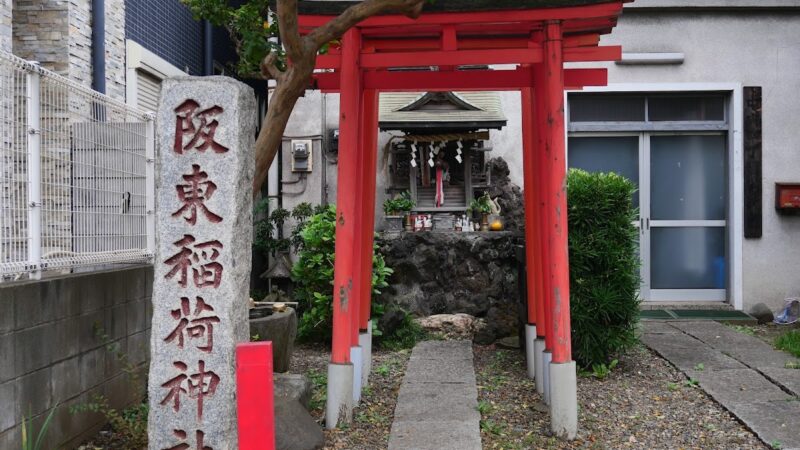
According to the records of the “Chiba Prefecture Chiba County History,” there were several subsidiary shrines within the grounds of Sakatsuki Shrine. These subsidiary shrines catered to the diverse religious needs of local residents.
Tenjin Shrines
Tenjin shrines, dedicated to Sugawara no Michizane, the god of learning, were widely worshipped among common people from the Edo period onward. It is believed that people visited these shrines to pray for their children’s academic success and passing exams.
Smallpox Shrine
Smallpox was a feared epidemic until the Edo period. Smallpox shrines were established to pray for recovery from and prevention of this disease. At the time, treatment was difficult with the medical standards available, and prayer to gods and Buddhas played a crucial role.
Plague Shrine
These shrines pray for protection from various epidemics other than smallpox. The existence of plague shrines reflects the earnest desire for health and safety within local communities.
Hie Shrine
Based on Sanno faith, Hie Shrine enshrines Oyamakui-no-kami. It is believed to offer divine blessings for protection against misfortune, family safety, and business prosperity, and was widely revered.
Haguro Shrine
This shrine is based on Haguro faith, one of the Dewa Sanzan faiths. It has deep ties to Shugendo (mountain asceticism) and incorporates elements of mountain worship.
The existence of these subsidiary shrines within the grounds indicates that Sakatsuki Shrine was not merely a tutelary shrine, but a comprehensive place of worship encompassing all aspects of the lives of the local residents.
Status as a Village Shrine
Sakatsuki Shrine was ranked as a “Village Shrine” under the Meiji-era shrine ranking system. A Village Shrine is one of the rankings of shrines in the modern shrine ranking system, given to shrines recognized as the guardian shrine of a village.
Position of Village Shrines in the Shrine Ranking System
In the modern shrine ranking system established during the Meiji era, shrines were broadly divided into official shrines and miscellaneous shrines, and further subdivided. Village shrines were one of the miscellaneous shrines, ranking after prefectural shrines and local shrines, but their importance in the region was extremely high.
Rank as a Village Shrine meant that the shrine was officially recognized as the tutelary shrine and guardian deity of the region, and became subject to public protection and support. Sakatsuki Shrine’s ranking as a Village Shrine indicates that the importance of the shrine in the Sakatsuki district of Chishiro Village was officially recognized.
The Parishioner System and Local Community
According to records, Sakatsuki Shrine had 27 parishioners. While this is a relatively small group, it suggests a close-knit local community. The parishioners cooperated in maintaining the shrine, conducting festivals, and cleaning the grounds, passing down their faith across generations.
Sakatsuki Shrine Grounds and Facilities
Size and Composition of the Grounds
According to historical records, Sakatsuki Shrine’s grounds covered approximately 550 tsubo (about 1,800 square meters). This size was standard for a village shrine, providing ample space for the main hall, worship hall, and several subsidiary shrines.
Characteristics of the Shrine Building
The “Chiba Prefecture Chiba County History” describes the shrine building as “three shaku square.” This refers to a very compact main hall, approximately 90 cm square, a typical form for a small village shrine. However, regardless of its size, it was an important place of worship and a spiritual anchor for the local residents.
Stone Monuments and Cultural Properties
Several stone monuments from the Edo period remain on the shrine grounds:
- Stone monument from Bunka 3 (1806): One of the oldest physical pieces of evidence proving the history of Sakatsuki Shrine
- Stone monument from Ansei 5 (1858): A valuable document showing the continuation of faith during the late Edo period
These stone monuments are important cultural properties that demonstrate the historical value of Sakatsuki Shrine and must be preserved in the future.
History of Wakaba Ward and Sakatsuki District, Chiba City
Establishment of Wakaba Ward
Wakaba Ward in Chiba City is an administrative district established on April 1, 1992 (Heisei 4), when Chiba City became a designated city. Located in the northeastern part of Chiba City, it has the largest area of the city’s six wards, at 84.21 square kilometers.
Location and Characteristics of Sakatsuki Town
Sakatsuki Town is located in the southwestern part of Wakaba Ward and is an area that spreads along a tributary of the Miyako River. This area inherits the legacy of the former Chishiro Village, Sakatsuki, and continues to develop as a relatively quiet residential area.
History of Chishiro Village
Chishiro Village was established in 1889 (Meiji 22) under the implementation of the town and village system, formed by the merger of several former villages. Sakatsuki existed as one of the districts within this village. In 1954 (Showa 29), it was incorporated into Chiba City, and after subsequent changes in administrative divisions, it became the present-day Sakatsuki-cho, Wakaba Ward.
Access to Sakatsuki Shrine
Location
71 Sakatsuki-cho, Wakaba-ku, Chiba City, Chiba Prefecture 264-0012
Access by Public Transportation
Using JR Lines
- Get off at Tsuga Station on the JR Sobu Main Line
- Walk or take a bus from the station
- Travel time: Approximately 20-30 minutes from the station
Using Chiba Urban Monorail
- Get off at Chishirodai Station or Chishirodai-Kita Station on the Chiba Urban Monorail Line 2
- Walk or take a bus from the station
Using Local Buses
- Use local buses such as Chiba Inland Bus
- A few minutes’ walk from the nearest bus stop
Access by Car
From Tokyo
- Approximately 15 minutes from Anagawa IC on the Keiyo Expressway
- Accessible via National Route 16
From Narita
- Via Prefectural Road from National Route 51
- Estimated time: approximately 30 minutes
Parking
- There may be parking spaces for visitors on the shrine grounds, but we recommend checking in advance.
- Please avoid street parking as the surrounding roads are in a residential area.
Precautions for Visiting
- Sakatsuki Shrine is located in a residential area, so please be considerate of the nearby residents when visiting.
- Please refrain from making noise or engaging in disruptive behavior on the shrine grounds.
- Please take all your trash with you.
- Photography is permitted, but please be mindful of privacy.
Annual Events and Festivals of Sakatsuki Shrine
Although Sakatsuki Shrine is a small village shrine, it is believed that various Shinto rituals are performed throughout the year as the local guardian deity.
Main Annual Events (Estimated)
New Year’s Day Festival (January 1st)
A festival to welcome the new year and pray for peace and a bountiful harvest throughout the year.
Spring Festival (Spring)
A festival to pray for a good harvest as spring arrives.
Summer Purification Ceremony (Around June 30th)
A Shinto ritual to purify oneself of the impurities accumulated over the past six months and pray for good health and protection from illness for the remaining half of the year.
Autumn Festival (Autumn)
The most important festival to express gratitude for the harvest and offer the first fruits to the gods.
Monthly Festivals (Every Month)
Regular festivals held every month.
New Year’s Eve Purification Ceremony (December 31st)
A Shinto ritual to purify oneself of the impurities accumulated over the past year and welcome the new year with a pure heart.
For specific dates and details of festivals, please inquire with the local parishioners’ organization or the Wakaba Ward Office of Chiba City.
Tsukuyomi Worship and Shrine Network in Chiba Prefecture
Chiba Prefecture has long been one of the regions where Tsukuyomi worship is prevalent. Sakatsuki Shrine is part of this worship network.
Characteristics of Tsukuyomi Shrines in Chiba Prefecture
Shrines dedicated to Tsukuyomi-no-Mikoto in Chiba Prefecture exhibit the following characteristics:
- Connection to Agricultural Areas: The phases of the moon are an important indicator for agricultural work, and Tsukuyomi worship is deeply rooted in agricultural areas.
- Coastal Worship: Moonlight is important for fishing and navigation, and Tsukuyomi worship can be found in coastal areas.
- Connection to Place Names: There are areas where place names related to the moon, such as “Tsuki” (moon), “Tsukimi” (moon viewing), and “Sakatsuki” (Sakatsuki), have a strong connection to shrines.
Historical Background of Tsukuyomi Worship
Tsukuyomi worship is deeply intertwined with ancient Japanese nature worship. In contrast to Amaterasu-Omikami, the sun goddess, Tsukuyomi-no-Mikoto is the god who governs the night, playing an important role in maintaining the balance of yin and yang.
In agricultural societies, the phases of the moon were crucial clues for determining planting and harvesting times. Furthermore, in the days before electric lights, full moon nights were precious bright nights, allowing for various activities. This close connection to daily life fostered the worship of Tsukuyomi (the moon god).
Sakatsuki Shrine and the Current State of the Local Community
Urbanization and the Role of Shrines
With the development of Chiba City, the area around Sakatsuki-cho in Wakaba Ward has also become increasingly urbanized. The former rural landscape has changed, and residential areas have expanded. However, even amidst these environmental changes, Sakatsuki Shrine remains an important presence that conveys the history of the region.
Inheritance of Local Culture
Even small shrines play an important role in passing on the history and culture of the region to future generations. The Edo-period stone monument remaining on the grounds of Sakatsuki Shrine is a valuable witness to the fact that this region has a history of over 200 years.
Efforts to Protect Shrines
Many local shrines face challenges such as a decline in parishioners and an aging population. However, the shrine’s traditions are preserved through the efforts of local residents and volunteers, including cleaning activities, the continuation of festivals, and the preservation of cultural properties.
Etiquette and Manners for Visiting a Shrine
When visiting Sakatsuki Shrine, please observe basic shrine etiquette.
How to Pass Through the Torii Gate
The torii gate is the entrance to the sacred area. Before passing through the torii gate, bow and compose yourself before entering the shrine grounds. Since the center of the path is considered the path of the gods, it is polite to walk along the side.
Proper Hand-Washing Ritual
- Take the ladle in your right hand and wash your left hand.
- Switch the ladle to your left hand and wash your right hand.
- Take the ladle back in your right hand, receive water in your left hand, and rinse your mouth.
- Finally, stand the ladle upright and wash the handle.
Worship at the Main Hall
- Gently place your offering in the offering box.
- If there is a bell, ring it.
- Worship using the two bows, two claps, and one bow ritual.
- Bow deeply twice.
- Clap your hands twice at chest height.
- Pray with all your heart.
- Finally, bow deeply once.
Nearby Attractions and Tourist Information
Tourist Spots in Wakaba Ward, Chiba City
Kasori Shell Mound
One of the largest shell mound sites in Japan, designated as a National Special Historic Site. A valuable site that allows us to learn about life in the Jomon period.
Chiba City Zoological Park
This zoo is famous for its standing red panda, “Futa.” You can see a diverse range of animals.
Izumi Nature Park
A park where you can enjoy nature throughout the seasons, especially during the autumn foliage season, attracting many visitors.
Nearby Shrines and Temples
Chiba City has many historical shrines and temples. When visiting Sakatsuki Shrine, you can also enjoy visiting the surrounding temples and shrines.
Summary: The Charm and Value of Sakatsuki Shrine
Sakatsuki Shrine is a small shrine rooted in the Sakatsuki-cho area of Wakaba Ward, Chiba City. However, its history dates back at least to the Edo period, and it has functioned as a spiritual pillar of the local community.
Sakatsuki Shrine, which enshrines Tsukuyomi-no-Mikoto, the god who governs the moon, has been a place of worship deeply connected to agriculture and the calendar, and has been an integral part of the lives of local residents. The Edo-period stone monument remaining on the shrine grounds conveys the depth of this shrine’s history.
Even in today’s increasingly urbanized world, small local shrines like Sakatsuki Shrine teach us about the continuity of history and the importance of local culture. If you have the opportunity to visit Chiba City, please do visit Sakatsuki Shrine and feel the breath of history in its tranquil grounds.
Shrines are not merely tourist attractions; they are sacred places where the prayers and history of the local people have accumulated. When visiting, please be mindful of respecting its history and traditions and observing proper etiquette.
We hope that Sakatsuki Shrine will continue to be cherished by the local people and passed down to future generations.