Complete Guide to Tozenji Temple | Comprehensive Information on History, Goshuin (Temple Seals), and Access to Famous Temples Nationwide
There are several temples named Tozenji throughout Japan. Each has its own unique history and culture, and has played an important role as a center of local faith. This article focuses on the particularly famous Tozenji temples, providing a detailed explanation of their historical background, cultural assets, annual events, and access methods.
What is Tozenji? – Famous Temples Scattered Across Japan
The temple name Tozenji means “Buddhism is slowly (finally) spreading to the east,” and has been used in various regions as a name symbolizing the eastward spread of Buddhism. The main Tozenji temples are as follows:
- Tozenji Temple in Matsudo City, Chiba Prefecture (Jodo Sect)
- Tozenji Temple in Tsurumi Ward, Yokohama City, Kanagawa Prefecture (Shingon Chizan Sect)
- Tozenji Temple in Naka Ward, Yokohama City, Kanagawa Prefecture (Koyasan Shingon Sect)
- Tozenji Temple in Asahi City, Chiba Prefecture (Shingon Chizan Sect)
Each belongs to a different sect and has its own unique history and characteristics.
Tozenji Temple in Matsudo City – A renowned Jodo Sect temple with a 540-year history
History and Background
Tozenji Temple, located in Kogane, Matsudo City, Chiba Prefecture, is one of the leading Jodo Sect temples in the Kanto region. Approximately 540 years ago, in Bunmei 13 (1481), the temple was founded in Negiuchi (about 1 kilometer northeast of its current location) by the high-ranking Jodo sect priest, Kyoyo Gutei Unko Shonin.
Later, about 60 years later, during the Tenbun era (1532-1555), it was moved to its current location in Kogane. In the early Edo period, it was designated by the Tokugawa shogunate as one of the Eighteen Danrin of the Kanto region. Danrin were training institutions for monks and played an important role as a center of Jodo sect studies in the Kanto region.
Highlights of the Temple Grounds
Over 300-Year-Old Weeping Cherry Tree
The most famous feature of Tozenji Temple grounds is the magnificent weeping cherry tree, said to be over 300 years old. It is in full bloom from late March to early April each year, and the sight of its pale pink blossoms cascading down like a waterfall is breathtaking. During the blooming season, many worshippers and tourists visit, making it a springtime tradition in Matsudo City.
Main Hall and Historical Buildings
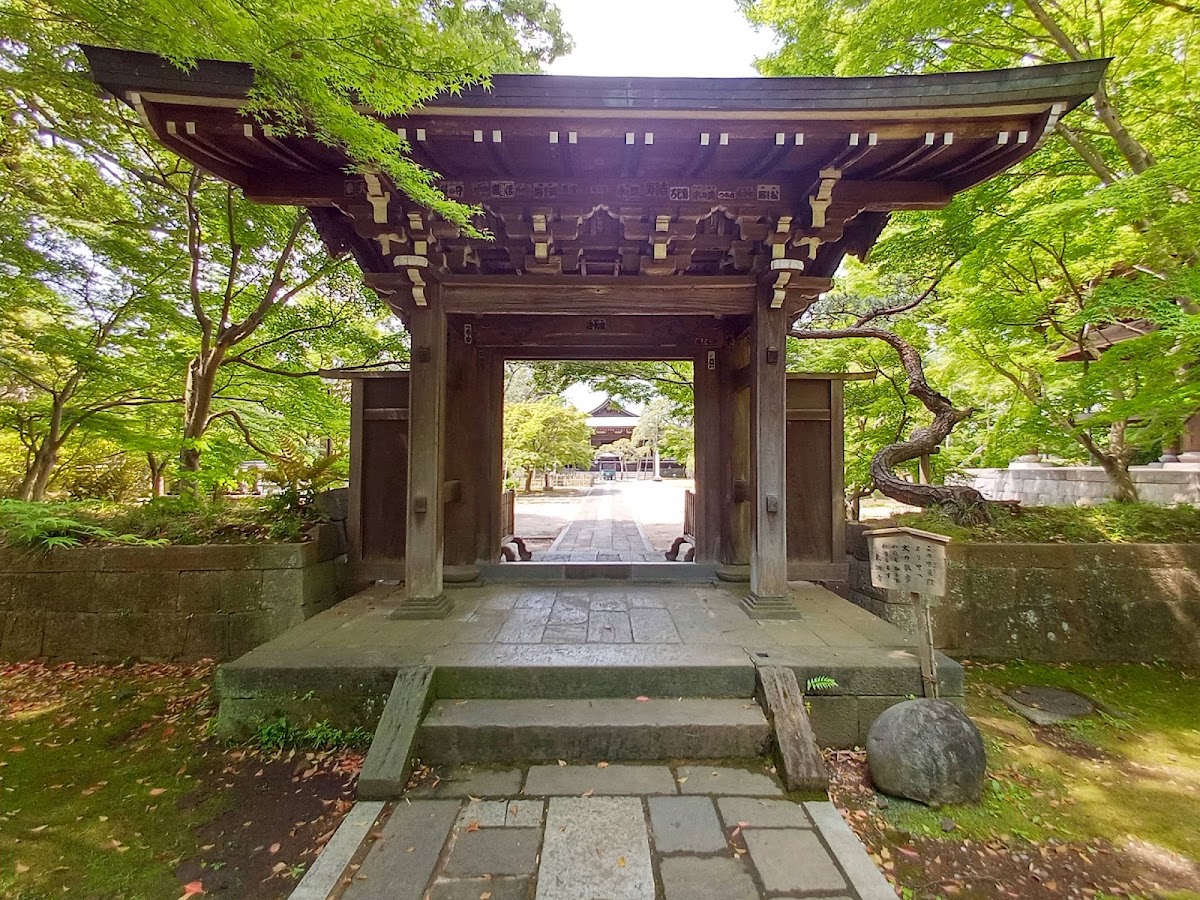
The magnificent main hall, which tells the story of its history as a thriving Buddhist temple, exhibits a typical architectural style of Jodo sect temples. Other historically valuable buildings are scattered throughout the temple grounds, preserving Edo period temple architecture to this day.
Annual Events and Festivals
At Tozenji Temple, traditional Buddhist events are held throughout the year:
- New Year’s Visit and Prayer Ceremony (January 1st-3rd): Prayers for good health and protection from illness in the new year
- Grand Memorial Service (April): Memorial service for Honen Shonin, the founder of the Jodo sect
- Segaki Memorial Service (Summer): An important event for honoring ancestors
- New Year’s Eve Bell Ringing (December 31st): 108 bell rings to dispel worldly desires
These events deepen ties with local residents and serve not only as a place of worship but also as a center of the community.
Access and Visiting Information
Location: Kogane, Matsudo City, Chiba Prefecture (along the old Mito Highway)
Transportation Access:
- Approximately 10 minutes on foot from Kita-Kogane Station on the JR Joban Line
- Located along the old Mito Highway, you can enjoy the atmosphere of the historical highway.
Visiting Hours: The temple grounds are generally open for free worship (subject to change depending on events)
Tozenji Temple in Tsurumi Ward, Yokohama City – A Shingon Buddhist Temple with Over 900 Years of History
Founding and History
Tozenji Temple, located in Tsurumi Ward, Yokohama City, Kanagawa Prefecture, is a temple belonging to the Shingon-shu Chizan-ha sect. It is said to have been founded in Kanji 1 (1087), boasting a history of over 900 years.
Located in the charming, old-town area of Shioda, where the sea breeze blows, this temple has continued to burn the flame of its faith and is cherished as a place of worship for the local people. ### Role as a Sacred Site
Tozenji Temple is designated as a sacred site for several pilgrimage routes:
- Tamagawa Eighty-Eight Sacred Sites, Site No. 7
- New Shikoku Eastern Provinces Sacred Sites, Site No. 11
It is an important place of worship for pilgrims visiting these sacred sites. Many visitors also come seeking Goshuin (temple stamps).
Buddhist Rituals and Community Activities
As a Shingon Buddhist temple, we conduct various Buddhist rituals and memorial services, and also engage in various activities to provide a place of peace and community for the local residents. In addition to memorial services and ceremonies, we also hold exchange events with local residents, striving for open temple management.
Access Information
Location: Shioda-cho, Tsurumi-ku, Yokohama City, Kanagawa Prefecture
Transportation Access:
- Within walking distance from Keikyu Line’s “Keikyu Tsurumi Station” or “Kagetsuen-mae Station”
- Also accessible from JR Tsurumi Station
Tozenji Temple in Naka-ku, Yokohama City – A Shingon Buddhist Temple of the Koyasan Sect
Temple Overview
Tenuma-san Tozenji Temple, located in Ohira-cho, Naka-ku, Yokohama City, is a temple belonging to the Shingon Buddhist Sect of the Koyasan Sect. Despite its central location in Yokohama, it maintains a tranquil atmosphere.
Location and Access
Location: 101 Ohira-cho, Naka-ku, Yokohama City, Kanagawa Prefecture 231-0859
Phone Number: 045-641-4973 (Reception Hours: 9:00-17:00)
Transportation Access:
- Within walking distance from Ishikawacho Station on the JR Negishi Line
- Close to Yokohama Chinatown and the Yamate area, making it convenient for combining a visit with sightseeing.
Tozenji Temple in Asahi City – The Family Temple of Kiso Yoshimasa
Historical Background
Tozenji Temple, located in Amido, Asahi City, Chiba Prefecture, is a temple of the Shingon-shu Chizan-ha sect and is known as the family temple of the Sengoku period warlord Kiso Yoshimasa. Kiso Yoshimasa was a warlord who served Oda Nobunaga and survived the chaotic period after the Honnoji Incident.
Location and Access
Location: 2337 I, Asahi City, Chiba Prefecture 289-2511
Phone Number: 0479-62-2564 / FAX: 0479-64-2454
Transportation Access:
- Approximately 15 minutes by car from JR Sobu Main Line “Asahi Station”
- Can be visited in conjunction with sightseeing in the Kujukuri Beach area
Points to Note When Visiting Tozenji Temple
About Goshuin (Temple Seals)
Goshuin are available at each Tozenji temple. Temples designated as pilgrimage sites, in particular, offer special goshuin for pilgrimage purposes. Many people collect goshuin as a memento of their visit and as proof of their faith.
Manners for Receiving a Goshuin (Temple Stamp):
- Always pray before going to the Goshuin office.
- Prepare a Goshuincho (stamp book) (sometimes available for purchase at the temple).
- Prepare the Goshuin fee (usually 300-500 yen).
- Be mindful of polite language and demeanor.
Etiquette for Worship
Basic etiquette for worshipping at Buddhist temples:
- Bow at the temple gate: Bow before entering the temple grounds.
- Purify yourself at the water basin: Cleanse your hands and mouth.
- Worship at the main hall: Join your hands and pray quietly.
- Offering a monetary donation: Do so within your means.
- Bow at the temple gate again on your way out: Express your gratitude.
Photography
Photography is generally permitted on the temple grounds, but please note the following:
- Photography is often prohibited inside the main hall.
- Be considerate of other worshippers.
- Refrain from taking photographs during religious ceremonies.
- Please check beforehand regarding tripod use.
Seasonal Highlights
Spring (March-May)
At Tozenji Temple in Matsudo City, the weeping cherry tree over 300 years old is in full bloom. The peak season is from late March to early April, and sometimes the tree is illuminated at night. The sight of the entire temple grounds bathed in a soft pink hue is well worth seeing.
Summer (June-August)
From early summer to late autumn, the temple grounds are enveloped in greenery, creating a tranquil atmosphere. This is also the time when ancestral memorial services, such as the Osegaki memorial service, are held.
Autumn (September-November)
During the autumn foliage season, the trees on the temple grounds change color, offering a different kind of beauty. Visiting the temple in the crisp autumn air will be a truly refreshing experience.
Winter (December-February)
The temple is especially bustling with visitors during the New Year’s Eve New Year’s Eve bell ringing and the New Year’s first shrine visit of the year. Experiencing the solemn atmosphere as you welcome the New Year is a valuable opportunity to feel the traditional Japanese culture firsthand.
Tourist Spots Around Tozenji Temple
Around Matsudo City
- Old Mito Highway: A historical highway retaining the atmosphere of the Edo period
- Hondoji Temple: A famous spot for hydrangeas and autumn leaves
- Tojo-tei: The residence of Tokugawa Akitake, the last lord of the Mito domain
Around Yokohama City
- Tsurumi River: A waterside relaxation area with well-maintained walking paths
- Yokohama Chinatown: Japan’s largest Chinatown
- Yamate Western-style Houses: A group of historical buildings overflowing with exotic charm
Contact Information and How to Check the Latest Information
Inquiries to each Tozenji temple can be made through their respective official websites or by telephone. It is recommended to check in advance for information on annual event schedules, changes to visiting hours, and special viewings.
Especially since the start of the Reiwa era, each temple has strengthened its information dissemination through websites and social media, making it easy to obtain the latest announcements and event information.
The Modern Role of Tozenji Temple
As a Center for the Local Community
Tozenji Temple is not merely a religious facility; it also functions as a place for interaction among local residents and a place for the transmission of culture. Through educational activities similar to a temple school, cultural lectures, and seasonal events, intergenerational exchanges are fostered.
Protection and Transmission of Cultural Assets
Cultural assets such as buildings, Buddhist statues, and ancient documents, which have been preserved throughout a long history, are valuable assets that tell the story of the region’s history. Passing these on to future generations is also an important mission of Tozenji Temple.
Providing Peace of Mind
Tozenji Temple is used by many people as a place to escape the stresses of modern society and quietly reflect on oneself. Opportunities for spiritual cultivation through Buddhist practices, such as Zen meditation sessions and sutra copying sessions, are also offered.
Summary – The Diversity and Universality of Tozenji Temples
While each temple bearing the name Tozenji has its own distinct history and characteristics, they all embody a common desire to spread Buddhism eastward. The 540-year history of the Jodo sect’s training center in Matsudo City, and the over 900-year history of the Shingon sect’s temple in Tsurumi Ward, Yokohama City, have both played crucial roles as centers of local faith and culture.
For visitors, Tozenji is a place to learn about history, find peace of mind, and experience traditional Japanese culture. The beautiful nature of each season, the majestic Buddhist architecture, and the continuously passed-down ceremonies and events—all of these contribute to the charm of Tozenji.
Even in modern times, Tozenji continues to play a vital role not merely as a legacy of the past, but as a living place of faith, a center of the local community, and a hub for cultural transmission. Please do visit a nearby Tozenji Temple and experience its history, culture, and tranquil atmosphere.