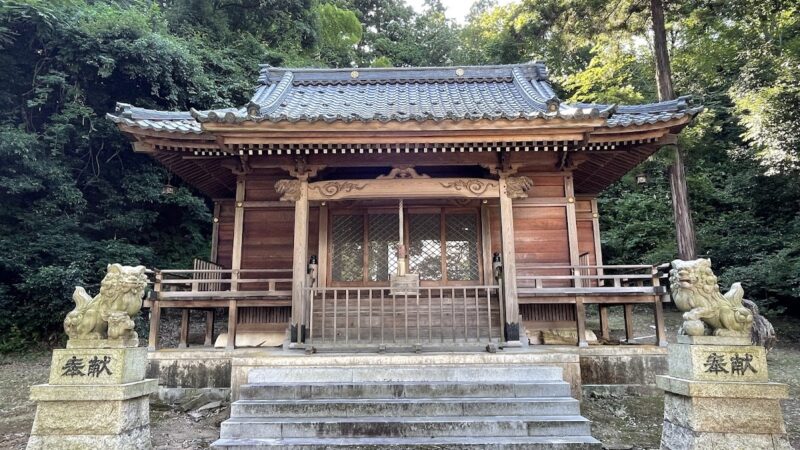
Hiyoshi Shrine (14-13 Asamizu-cho, Fukui City, Fukui Prefecture) Complete Guide | History, Access, and Deities Explained in Detail
Hiyoshi Shrine, located in Asamizu-cho, Fukui City, Fukui Prefecture, is a historic shrine that has been cherished by the local people for centuries. Having received a divided spirit from Hiyoshi Taisha in Shiga Prefecture, it is a venerable shrine with a history dating back to the Hakuhō era (661-), and continues to attract the faith of the local community. This article provides a thorough explanation of Hiyoshi Shrine, including detailed information, historical background, access methods, and surrounding area information.
Basic Information about Hiyoshi Shrine
Location and Contact Information
Shrine Name: Hiyoshi Shrine
Location: 14-13 Asamizu-cho, Fukui City, Fukui Prefecture 918-8181 (Higashi-Aso)
Corporate Number: 9210005002004
Postal Code: 918-8181
Hiyoshi Shrine is located in the Asamizu district of Fukui City, and is easily accessible, approximately a 3-minute walk from Asamizu Station on the Fukui Railway Fukubu Line. It has long been a familiar presence to local residents and has attracted their faith.
About the Deity
Hiyoshi Shrine is a shrine that received a divided spirit from Hiyoshi Taisha, located in Otsu City, Shiga Prefecture. Hiyoshi Taisha is the head shrine of approximately 3,800 Hiyoshi, Hie, and Sanno shrines throughout Japan, and enshrines Oyamakui-no-kami and Onamuchi-no-kami as its principal deities.
The Hiyoshi Shrine in Asamizu-cho also inherited these divine spirits and has been revered as the guardian deity of the region. Oyamakui-no-kami is known as the god of mountains and agriculture, while Onamuchi-no-kami is another name for Okuninushi-no-mikoto and is widely worshipped as the god of matchmaking, business prosperity, and protection against evil.
History and Origins of Hiyoshi Shrine
Circumstances of Founding
The exact founding date of Hiyoshi Shrine is not clearly recorded, but it is believed to have a history dating back to the very ancient Hakuhō period (661-). The Hakuhō period spanned from the late Asuka period to the early Nara period, a crucial era in which Shinto worship spread throughout Japan.
Origin of the Place Name “Asansu”
In ancient times, this area was called “Asansu.” This old place name is thought to be the origin of the current “Asouzu” (浅水), and it is presumed to have been a name indicating a geographical feature related to water. Located in the rice paddy area of the Fukui Plain, this region likely held great importance for water management and prayers for abundant harvests.
The Faith of Funamori Mikami Yasukado and the Ino Clan
Records show that during the Hakuhō era, Mikami Yasukado, a Funamori (shipkeeper) and resident of this area, and his wife, the Ino clan, constantly worshipped Hiyoshi Shrine. The title of Funamori (shipkeeper) was an important position in ancient times, related to ship management and water transport, suggesting that this region held an important position in waterway transportation and water management.
The fervent faith of Mikami Yasukado and his wife laid the foundation for the Hiyoshi Shrine faith in the region, which was passed down to subsequent generations. The fact that such personal beliefs have been recorded indicates that Hiyoshi Shrine held a special place in the local community.
Relationship with Hiyoshi Taisha
Hiyoshi Shrine is a shrine that received a divided spirit from Hiyoshi Taisha, located in Sakamoto, Otsu City, Shiga Prefecture. Hiyoshi Taisha is a historically significant shrine located at the foot of Mount Hiei, known as the guardian deity of the Tendai sect, and received deep reverence from the imperial court during the Heian period.
The network of Hiyoshi Shrines, Hie Shrines, and Sanno Shrines, which spread throughout Japan, expanded along with the growing influence of Enryaku-ji Temple on Mount Hiei. Hiyoshi Shrine in Asamizu-cho, Fukui City, was also founded within this historical context and has developed as a center of local faith.
Access and Transportation Information
Access by Train
Nearest Station: Asamizu Station, Fukui Railway Fukubu Line
Travel Time from Station: Approximately 3 minutes on foot
The Fukui Railway Fukubu Line is a tram line connecting the center of Fukui City and Echizen City. Asamizu Station is located south of Fukui city center. Hiyoshi Shrine is very close to the station, and even first-time visitors can easily find it.
Access by Car
Hokuriku Expressway: Approximately 15 minutes from Fukui IC
National Route 8: Approximately 10 minutes south from the center of Fukui City
The area surrounding the shrine is a residential area, so it is recommended to check parking availability in advance. Please be considerate of nearby residents when visiting.
Landmarks in the Area
Hiyoshi Shrine is located in the Asamizu district, Higashi-Aso area of Fukui City. Because it is located along the Fukui Railway tracks, the shrine can be seen from the train. The surrounding area is a quiet residential neighborhood, providing a peaceful environment for worship.
About Hiyoshi Shrines in Fukui Prefecture
Multiple Hiyoshi Shrines in Fukui Prefecture
There are approximately 848 Hiyoshi Shrines nationwide, making it the 13th most numerous shrine name in Japan. Several Hiyoshi Shrines are located within Fukui Prefecture, each attracting local devotion.
Hiyoshi Shrines in Fukui City:
- Hiyoshi Shrine (Asamizu-cho 14-13) – The shrine introduced in this article
- Hiyoshi Shrine (Sanjuhassha-cho 34) – Corporate Number 2210005002002
- Hiyoshi Shrine (Teramae-cho 6-38) – Corporate Number 3210005002001
Hiyoshi Shrines in Other Areas of Fukui Prefecture:
- Hiyoshi Shrine (Echizen City, Hirose-cho 103-14)
- Hiyoshi Shrine (Eiheiji-cho, Matsuoka Watari Shinden 14-21)
- Hiyoshi Shrine (Tsuruga City, Daguchi Miyawaki 7)
As you can see, there are multiple Hiyoshi Shrines within Fukui Prefecture alone, each with its own unique history and connection to the local community.
Characteristics of Hiyoshi Shrine in Asamizu-cho
Hiyoshi Shrine, located at 14-13 Asamizu-cho, Fukui City, is unique in that it has a history dating back to the Hakuhō period and has concrete historical records of the faith of the ship-guardian deities, Yasukaku and his wife. Its connection to the old place name “Asansu,” which is the origin of the local name, also enhances the historical value of this shrine.
How to Worship at Hiyoshi Shrine
Basic Worship Etiquette
When visiting Hiyoshi Shrine, please observe the following basic worship etiquette.
- Bow before the Torii Gate: Before entering the sacred area, bow before the torii gate.
- Purify at the Water Basin: Purify your left hand, right hand, and mouth in that order.
- Etiquette in front of the Worship Hall: The basic procedure is two bows, two claps, and one bow.
- When leaving: After leaving the torii gate, turn around and bow.
Manners for Visiting a Shrine
- Visit quietly and be considerate of other visitors.
- The shrine grounds are a sacred place. Do not make noise or run.
- Take photographs only in permitted areas, and refrain from taking pictures inside the main hall.
- Always take your trash with you.
Attractions around Hiyoshi Shrine
Historical Background of the Asamizu Area
The Asamizu area is located in the southern part of Fukui City and has long been a thriving agricultural region. Blessed with abundant water resources from the Kuzuryu River system, it has a history of developing as a rice paddy area. As the old place name “Asans” suggests, the local culture has been shaped through a deep connection with water.
Fukui Railway Fukubu Line
The Fukui Railway Fukubu Line, used to access Hiyoshi Shrine, is a tram line connecting Fukui City and Echizen City. It is an important means of transportation for local residents and also an attractive mode of transport for tourists, allowing them to enjoy the scenery of Fukui while traveling.
Surrounding Shrines and Temples
Many shrines and temples are scattered throughout Fukui City. When visiting Hiyoshi Shrine, it is also recommended to visit Asuwa Shrine and Kegakuroryu Shrine in the center of Fukui City. Each has a different history and blessings, allowing you to experience the diversity of Fukui’s religious culture.
Annual Events at Hiyoshi Shrine
Annual Festivals and Local Events
Many shrines hold annual festivals in spring and autumn. It is believed that Hiyoshi Shrine also holds festivals based on local traditions. For specific festival dates, it is recommended to inquire with the shrine or the Fukui Prefectural Shrine Association.
First Shrine Visit of the Year
At the start of the new year, local residents visit the shrine for their first shrine visit of the year, praying for safety and prosperity throughout the year. As a shrine deeply rooted in the community, it is a familiar place for residents to visit for their first shrine visit of the year.
Characteristics and Benefits of Hiyoshi Faith
Relationship with Sanno Faith
Hiyoshi Shrine is also affectionately known as “Sanno-san.” This originates from the fact that Hiyoshi Taisha was called Sanno Gongen as the guardian deity of Mount Hiei. It has strong ties to the Tendai sect and is a form of faith with a history of syncretism of Shinto and Buddhism.
Benefits
The deities enshrined at Hiyoshi Shrine are believed to offer the following benefits:
- Exorcism and Protection Against Misfortune: To ward off calamities and prevent misfortune related to directions.
- Family Safety: To protect the safety and health of the family.
- Business Prosperity: To bring about the development and prosperity of businesses.
- Matchmaking: To forge good relationships and smooth interpersonal relationships.
- Abundant Harvest: To pray for a bountiful harvest.
Monkeys as Divine Messengers
At Hiyoshi Taisha Shrine, monkeys are considered divine messengers (messengers of the gods) and are revered as “Masaru” (divine monkeys). The auspicious meanings of “warding off evil” and “overcoming” are embodied in the monkey, suggesting that a belief related to monkeys may also be inherited at Hiyoshi Shrine.
Relationship with the Fukui Prefectural Shrine Association
Hiyoshi Shrine is a shrine belonging to the Fukui Prefectural Shrine Association. The Fukui Prefectural Shrine Association is an organization that oversees shrines in Fukui Prefecture, and is responsible for the maintenance and management of shrines, the continuation of rituals, and the training of Shinto priests.
The Fukui Prefectural Shrine Association website provides detailed information on shrines within the prefecture, including basic information and history about Hiyoshi Shrine. If you wish to check information before visiting, it is recommended to refer to the Fukui Prefectural Shrine Association website.
Guidelines for Visiting Hiyoshi Shrine
As a Local Shrine
Hiyoshi Shrine is a shrine deeply integrated into the lives of local residents. Even when visiting for tourism purposes, it is important to understand that it is a place of local worship and to worship with respect.
Worship in Silence
As the shrine is located in a residential area, please maintain silence during your visit and be considerate of the nearby residents. It is recommended to avoid visiting early in the morning or late at night, and to visit during reasonable hours.
Continuous Faith
Not just a single visit, but regularly visiting and expressing gratitude is the key to building a good relationship with the shrine. Local people have protected and continued their faith in this shrine for generations. It is important to respect its history and traditions.
Shrine Culture in Fukui City
Major Shrines in Fukui City
Besides Hiyoshi Shrine, Fukui City has many other historical shrines.
- Asuwa Shrine: Known as the main shrine of Fukui City, this ancient shrine enshrines Emperor Keitai.
- Keguro Ryujin Shrine: One of Fukui’s four major shrines, worshipped as a god of protection against evil.
- Sakae-no-sha Shrine: A shrine dedicated to the Matsudaira family, the lords of the Fukui domain.
- Fujishima Shrine: A shrine dedicated to Nitta Yoshisada.
These shrines, along with Hiyoshi Shrine, each possess different histories and characteristics, yet they all contribute to shaping Fukui’s religious culture.
Shrines and Local Communities
Fukui’s shrines have functioned not only as places of worship but also as centers of local communities. Through festivals and events, bonds between residents have deepened, and the region’s traditional culture has been passed down.
Hiyoshi Shrine also plays an important role for the Asamizu district community, and remains a valuable presence that conveys the region’s history and culture to the present day. ## Practical Advice for Visiting Hiyoshi Shrine
Best Time to Visit
Hiyoshi Shrine is open year-round, but the following times are especially recommended:
- Spring (April-May): Beautiful fresh greenery and mild weather, ideal for visiting.
- Autumn (October-November): The season of autumn leaves, offering a peaceful atmosphere for worship.
- First Three Days of the New Year: Experience the local atmosphere during the first shrine visit of the year.
Time Required
Visiting Hiyoshi Shrine itself takes about 15-30 minutes. Even including time to stroll around the grounds and reflect on its history, one hour should be sufficient.
Clothing and Items to Bring
No special clothing is required, but please wear clean, appropriate attire for visiting a shrine. A hat or parasol is recommended in summer, and warm clothing in winter. If you wish to receive a Goshuin (shrine stamp), bring your Goshuincho (stamp book) (prior confirmation is necessary regarding Goshuin issuance). ## Summary
Hiyoshi Shrine, located at 14-13 Asamizu-cho, Fukui City, Fukui Prefecture, is a venerable shrine with a long history dating back to the Hakuhō era. It was established by inviting a divided spirit from Hiyoshi Taisha in Shiga Prefecture and has been revered as the guardian deity of the region.
With its convenient location just a 3-minute walk from Asamizu Station on the Fukui Railway Fukubu Line, it is a familiar place of worship for local residents. The shrine is deeply intertwined with the history of the region, including the fervent faith of the Funamori Mikami Yasukaku couple and its connection to the old place name “Asansu.”
When visiting Fukui City, be sure to stop by Hiyoshi Shrine, cleanse your mind in its tranquil grounds, and experience the region’s history and culture. This shrine, playing a part in the nationwide network of Hiyoshi faith, is a valuable resource for understanding Fukui’s religious culture.
As a shrine deeply rooted in the community, Hiyoshi Shrine will continue to walk alongside the people of the Asamizu area. Passing on its history and traditions to the future is our mission.