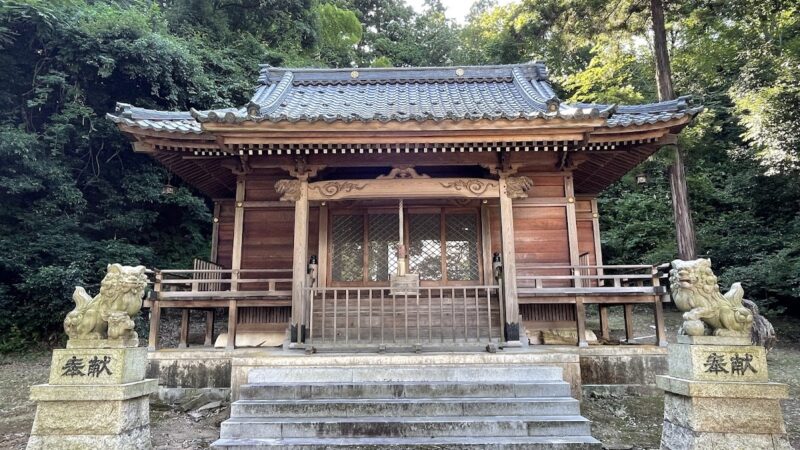
Hachiman Shrine (59-66 Asamizu Futukamachi, Fukui City, Fukui Prefecture) Complete Guide | History and Visiting Information Related to Taicho Daishi
Hachiman Shrine, located at 59-66 Asamizu Futukamachi, Fukui City, Fukui Prefecture, is a historically significant shrine said to have been founded by Mikami Yasukaku, the father of Taicho Daishi, who opened Mount Hakusan. This article provides detailed information you should know before visiting, including the history of Hachiman Shrine, the enshrined deities, highlights of the grounds, access methods, and festival events.
Basic Information on Hachiman Shrine (Asamizu Futukamachi)
Location and Access
Address: 59-66 Asamizu Futukamachi, Fukui City, Fukui Prefecture 910-0028
Nearest Station: Within walking distance from Taicho-no-Sato Station on the Echizen Railway Katsuyama-Eiheiji Line
Access by Car: Approximately 15 minutes from Fukui IC on the Hokuriku Expressway. There is parking available for visitors around the shrine.
Contact Information
Inquiries regarding worship and prayers can be made through the Fukui Prefectural Shrine Association or the local parishioners’ representative. If prior confirmation is necessary, please contact the Fukui Prefectural Shrine Association (Tel: 0776-22-5450).
History and Origins of Hachiman Shrine
Founded by Mikami Yasusumi, Father of Taicho Daishi
The most distinctive feature of Hachiman Shrine in Asamizu Futukamachi is its history, which includes involvement in the founding by Mikami Yasusumi, the father of the high priest Taicho Daishi (682-767), who opened Mount Hakusan.
Mikami Yasusumi was a powerful local lord in Asozu, Echizen Province (present-day Fukui City), and a person of deep faith. It is believed that the shrine began when he invited a divided spirit of Hachiman Daishin from Usa Hachiman Shrine (Oita Prefecture) and enshrined it in this location for worship. ### Relationship with Taichō Daishi
Taichō Daishi is known as the founder of Shugendō (mountain asceticism), having opened Mount Hakusan in 717 AD. The Hachiman Shrine, founded by his father, Mikami Yasukaku, is located near the Asōzu district, Taichō Daishi’s birthplace, and has deep ties to the Taichō faith.
The station name, Taichō-no-Sato Station, also indicates the area’s connection to Taichō Daishi. When visiting the Hachiman Shrine, visiting the surrounding historical sites related to Taichō will provide a deeper historical understanding.
Founding Date and Historical Changes
The exact founding date is unknown, but considering the time of Mikami Yasukaku, it is estimated to have been founded sometime between the late 7th and early 8th centuries. This coincides with the transition period from the Asuka to the Nara period, a time when Buddhism and Shintoism merged in Japan.
Throughout its long history, the Hachiman Shrine has garnered fervent devotion from its parishioners and worshippers as the local guardian deity. Even after the Meiji-era separation of Shinto and Buddhism, it has continued to play an important role as a spiritual pillar of the local community.
Deities and Divine Virtues
Main Deity: Hondawake-no-Mikoto (Emperor Ojin)
The main deity of Hachiman Shrines is Hondawake-no-Mikoto, also known as Emperor Ojin, the 15th emperor. He is worshipped as Hachiman Okami in Hachiman shrines throughout Japan and is widely revered as a god of military fortune and national protection.
Enshrined Deities
In many Hachiman shrines, the following deities are commonly enshrined alongside Hondawake-no-Mikoto:
- Okinagatarashihime-no-Mikoto: Empress Jingu, mother of Emperor Ojin
- Himegami: Goddesses referring to the Munakata Three Goddesses, etc.
It is highly likely that these deities are also enshrined at the Hachiman Shrine in Asamizu Futukamachi.
Divine Virtues and Blessings
Hachiman Daishin is believed to bestow the following blessings:
- Long-lasting Military Fortune and Good Luck in Competitions: Due to his nature as a god of war, success in competitions and contests.
- Protection from Misfortune and Bringing Good Fortune: Warding off disasters and inviting good fortune.
- Family Safety: Health and peace for the family.
- Prosperity of Descendants: Protection for children and child-rearing.
- National Security: Peace and prosperity for the country and region.
Highlights of the Shrine Grounds
Shrine Architecture
The shrine buildings of Hachiman Shrine have an architectural style that reflects the history of the region. They are kept in beautiful condition through regular maintenance by the parishioners.
Traditional shrine architecture techniques can be seen in the details of the shrine buildings, and the carvings and decorations are noteworthy. In particular, the structure of the main hall and the construction of the worship hall are characteristic of shrine architecture in Fukui Prefecture.
Subsidiary Shrines and Stone Monuments
In addition to the main shrine, there may be subsidiary shrines and smaller shrines enshrined within the grounds. Furthermore, stone monuments and memorials documenting the shrine’s history have been erected, offering insights into the shrine’s past.
Approach to the Shrine and Torii Gate
The approach to the shrine is a precious space for purifying the mind, away from the hustle and bustle of everyday life. It is customary to bow when passing through the torii gate and to walk along the edge of the path.
Annual Events and Festivals
Grand Festival
At Hachiman Shrine, the Grand Festival is held annually. This is the most important festival for the shrine, where parishioners and devotees gather to express gratitude to the gods and pray for the prosperity of the community.
Seasonal Festivals
- New Year’s Day Festival (January 1st): Celebrating the New Year and praying for peace throughout the year
- Spring Festival: Celebrating the arrival of spring and praying for a bountiful harvest
- Summer Purification Ceremony (June 30th): Cleansing away the impurities accumulated over the past six months
- Autumn Festival: Offering thanks for the harvest
- Year-End Grand Purification Ceremony (December 31st): Cleansing away the impurities of the year and preparing for the New Year
Specific dates may vary from year to year, so it is recommended to check before visiting.
Etiquette and Manners for Visiting a Shrine
Basic Etiquette for Visiting a Shrine
- Bow before passing through the torii gate: A greeting before entering the sacred area.
- Purify yourself at the water basin: Purify your left hand, right hand, and mouth in that order, and finally your left hand.
- Walk along the edge of the path: The center is the path for the gods.
- Etiquette in front of the main hall: Two bows, two claps, one bow (two bows, two claps, one bow)
About Goshuin (Shrine Seals)
Some shrines offer goshuin. It is recommended to check in advance whether Hachiman Shrine in Asamizu Futukamachi offers goshuin. Remember that goshuin are proof of your visit, not a stamp rally, and receive them respectfully.
Photography Etiquette
Photography is generally permitted on the shrine grounds, but please observe the following points:
- Please respect any areas where photography is prohibited, such as inside the main hall.
- Please be discreet during festivals and prayers.
- Remember to be considerate of other worshippers.
- When posting on social media, please use language that shows respect for the shrine.
Nearby Attractions and Tourist Spots
Historical Sites Associated with Taicho
The area around Hachiman Shrine is dotted with historical sites associated with Taicho Daishi:
- Asozu District: Birthplace of Taicho Daishi
- Taichoji Temple: A temple dedicated to Taicho Daishi
- Hakusan Shrine: A shrine related to Hakusan worship
Visiting these sites will allow you to gain a deeper understanding of Hakusan worship and the history of Echizen.
Major Tourist Attractions in Fukui City
Fukui City tourist spots to visit in conjunction with a visit to Hachiman Shrine:
- Fukui Castle Ruins: Site of the Fukui Domain’s castle
- Yokokan Garden: A beautiful garden designated as a National Place of Scenic Beauty
- Ichijodani Asakura Clan Ruins: Site of a castle town from the Sengoku period
- Fukui Prefectural Dinosaur Museum: A world-famous dinosaur museum (Katsuyama City)
Nearby Shrines and Temples
Fukui City has many shrines and temples:
- Shibata Shrine: A shrine dedicated to Shibata Katsuie (Central Fukui City)
- Keguro Ryujin Shrine: The main shrine of Fukui
- Daianzenji Temple: The family temple of the Matsudaira family, lords of the Fukui Domain
Comparison with Other Hachiman Shrines in Fukui Prefecture
Hachiman Shrine in Furuichi, Fukui City
There are several Hachiman Shrines in Fukui City. The Hachiman Shrine in Furuichi has a history dating back to when Kiso Yoshinaka founded it to pray for victory in battle, giving it a different historical background from the Hachiman Shrine in Asamizu Futukamachi.
Hachiman Shrine in Obama City
The Hachiman Shrine in Obama City is famous for its “Hojo-sai” festival, a traditional festival that has continued for over 1200 years. It boasts a shrine building from the Kamakura period and is known as the largest festival in the Wakasa region.
Individual Characteristics
Each Hachiman Shrine in Fukui Prefecture has its own unique characteristics that reflect the history and culture of the region. The Hachiman Shrine in Asamizu Futukamachi stands out from other Hachiman Shrines because it was founded by the father of Taicho Daishi.
Hachiman Faith and the History of Fukui
Spread of Hachiman Faith
Hachiman faith spread throughout Japan from the Nara period to the Heian period. Usa Hachiman Shrine is the head shrine, and Iwashimizu Hachiman Shrine and Tsurugaoka Hachiman Shrine are known as influential Hachiman Shrines.
In Fukui Prefecture, Hachiman worship has been deeply rooted since ancient times, and many Hachiman shrines were founded. This is related to the development of the samurai society and indicates the spread of worship of Hachiman-Okami as a god of war.
Echizen and Hakusan Worship
Fukui Prefecture (Echizen Province) is one of the centers of Hakusan worship. The opening of Mount Hakusan by Taichō Daishi is an extremely important event in the religious history of Echizen, and the Hachiman shrine founded by his father, Mikami Yasukaku, is a valuable example of the form of faith during the era of syncretism of Shinto and Buddhism.
Local Communities and Shrines
From the Edo period to the Meiji period, shrines were central to local communities. As tutelary deities, they gathered the faith of local residents and played a role in strengthening community bonds through festivals.
Even today, Hachiman shrines are carefully preserved by parishioners and devotees as spiritual pillars of the community.
Visitor Voices and Experiences
Posts on Hotokami
Hotokami, a website for posting information about shrines and temples, features records of visits to Hachiman Shrine in Asamizu Futukamachi. The photos and impressions of those who have actually visited are a valuable source of information for those considering a visit.
The visitor records provide detailed descriptions of the atmosphere of the grounds, the appearance of the shrine buildings, and seasonal scenery, making them helpful before a visit.
Quiet Atmosphere and Historical Gratitude
Many visitors appreciate the quiet and peaceful atmosphere of Hachiman Shrine. The environment allows for a leisurely visit while feeling the historical weight of its founding by the father of Taicho Daishi.
Warmth of the Local Community
The dedication of local parishioners to protecting and maintaining the shrine is another element that leaves a lasting impression on visitors. You can feel the warmth unique to a shrine deeply rooted in the community.
The Significance of Visiting Hachiman Shrine
Dialogue with History
Visiting Hachiman Shrine in Asamizu Futukamachi offers an opportunity to reflect on the Asuka and Nara periods, over 1300 years ago, and to contemplate the era of Taichō Daishi and his father, Mikami Yasukaku.
It is a valuable place to experience firsthand the history of Japanese religion, particularly the nature of faith during the era of Shinto-Buddhist syncretism.
Peace of Mind and Prayer
Visiting a shrine is also a time to quiet the mind, away from daily life, and to confront oneself. By joining hands in prayer to Hachiman Ōkami and offering feelings of gratitude and wishes, one can attain inner peace.
Preservation of Local Culture
Visiting local shrines and learning about their history and culture is important for passing on Japan’s traditional culture to future generations. In particular, when younger generations take an interest in shrines, local history and culture are preserved.
Fukui Prefecture Shrine Association and Shrine Network
Role of the Fukui Prefecture Shrine Association
The Fukui Prefecture Shrine Association is an organization that oversees shrines within the prefecture, supporting their maintenance and management, the continuation of rituals, and the training of Shinto priests. The Hachiman Shrine in Asamizu Futukamachi is also affiliated with the Fukui Prefecture Shrine Association.
The Association manages detailed information on each shrine and handles inquiries regarding worship and prayers.
Shrine Database
The Fukui Prefecture Shrine Association website allows you to search for information on shrines within the prefecture. Basic information such as enshrined deities, history, location, and contact information is listed, making it convenient when planning your visit.
Summary: Points to Note When Visiting Hachiman Shrine (Asamizu Futukamachi)
Hachiman Shrine, located at 59-66 Asamizu Futukamachi, Fukui City, Fukui Prefecture, is noteworthy for the following reasons:
- Founded by Yasukaku Mikami, Father of Taicho Daishi: The father of Taicho Daishi, known for opening Mount Hakusan, invited a divided spirit from Usa Hachiman Shrine to this shrine.
- History of over 1300 years: A long history and tradition dating back to the Asuka and Nara periods.
- An Important Center for Hachiman Worship: A shrine of Hachiman worship with Emperor Ojin (Homudawake no Mikoto) as its main deity.
- Local Guardian Deity: A spiritual pillar of the region, carefully preserved by its parishioners and worshippers.
- Easy Access: Conveniently located near Echizen Railway’s “Taicho-no-Sato Station,” this shrine is easily accessible.
When visiting, please observe proper etiquette and manners, show respect for the shrine’s history and culture, and take time to quietly contemplate Hachiman-Okami.
Hachiman Shrine in Asamizu Futukamachi is an indispensable place for understanding Fukui’s history, and a precious sacred site where Taicho worship and Hachiman worship intersect. Please visit at least once to experience its historical significance and tranquil atmosphere.
When visiting Fukui City, combining your visit with other historical sites and shrines and temples associated with Taicho will provide a deeper historical understanding and a more fulfilling pilgrimage experience.