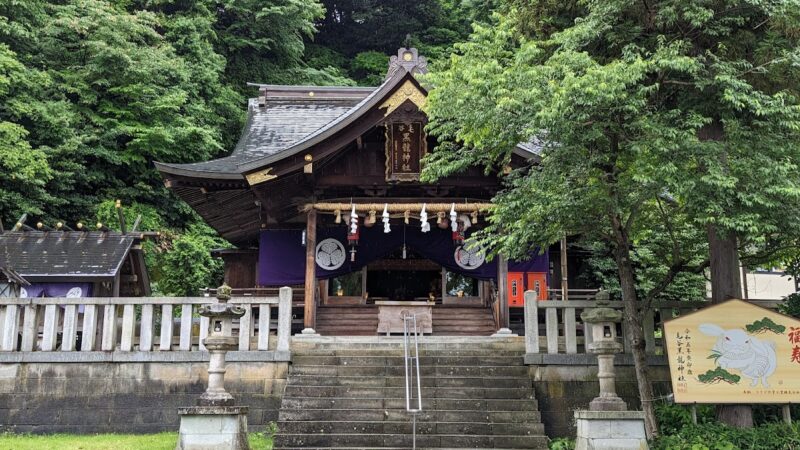
Complete Guide to Fukui Shrine | A Thorough Explanation of History, Goshuin (Shrine Seals), Access Information, and Highlights for Visitors
Fukui Shrine, located in the heart of Fukui City, Fukui Prefecture, on the site of the former Fukui Castle, is a historic shrine dedicated to Matsudaira Yoshinaga (Shunkei), a renowned lord of the late Edo period. Founded in 1943 as a special government-supported shrine, Fukui Shrine boasts excellent access from Fukui Station and is popular for its monthly changing goshuin (shrine seals). This article provides a detailed explanation of everything you need to know before visiting, from the history of Fukui Shrine to its highlights, goshuin information, and access methods.
What is Fukui Shrine? | A Special Government-Supported Shrine Located on the Site of Fukui Castle
Fukui Shrine is located at 3-16-1 Ote, Fukui City, Fukui Prefecture, west of the moat of the prefectural office. Situated in the heart of Fukui City, it is built within the sacred grounds of the former Fukui Castle.
Status as a Special Imperial Shrine
Fukui Shrine was founded in September 1943 and simultaneously designated as a Special Imperial Shrine. A Special Imperial Shrine is a rank bestowed upon shrines that enshrine individuals who have made significant contributions to the nation. Fukui Shrine is historically significant as the last shrine in Japan to be designated as a Special Imperial Shrine.
Under the pre-war shrine ranking system, Special Imperial Shrines held a special position and were revered as shrines that enshrined those who contributed to the Meiji Restoration or to the nation. Fukui Shrine’s designation as a Special Imperial Shrine indicates that the achievements of its enshrined deity, Matsudaira Yoshinaga, were recognized at a national level.
Significance of its Location on the Site of Fukui Castle
Fukui Shrine is located on the site of Fukui Castle, which was the political and economic center of the Echizen Fukui Domain. Currently, the prefectural government and the prefectural police headquarters are located there, functioning as the administrative center of Fukui Prefecture. The construction of this shrine in this historic location has created a special space where Fukui’s history and modernity intersect.
The Life and Achievements of the Deity Enshrined: Matsudaira Yoshinaga (Shungaku)
The deity enshrined at Fukui Shrine is Matsudaira Yoshinaga, the 16th lord of the Echizen Fukui Domain. Widely known by his pseudonym Shungaku, he is considered one of the four wise lords of the late Edo period.
As a Great Lord of the Late Edo Period
Matsudaira Yoshinaga was born in 1828 (Bunsei 11) and became the 16th lord of the Echizen Fukui Domain in 1838 (Tenpo 9) at the young age of 11. As lord, he undertook domain reforms and appointed talented individuals such as Hashimoto Sanai and Yuri Kosei (Mioka Hachiro).
Lord Yoshinaga’s domain reforms encompassed a wide range of areas, including financial reconstruction, industrial development, and educational reform, transforming the Fukui domain into one of the most powerful domains of the late Edo period. His particular focus on human resource development, producing many individuals who played significant roles after the Meiji Restoration, demonstrates his foresight.
Involvement in National Politics and Contribution to the Meiji Restoration
During the turbulent late Edo period, Lord Matsudaira Yoshinaga held the position of Chief Administrator of Political Affairs in the shogunate, becoming deeply involved in national politics. He promoted the union of the imperial court and the shogunate, and advocated for the introduction of advanced Western technology, demonstrating an enlightened political stance.
Although he was temporarily ordered to retire and be under house arrest during the Ansei Purge, he was later reinstated and assisted Shogun Tokugawa Yoshinobu in dealing with the difficult situation of the late Edo period. After the Meiji Restoration, he continued to cooperate with the new government, dedicating himself to Japan’s modernization until his death at the age of 62 in 1889.
Contributions to the Development of Fukui
Lord Keiei not only contributed to the development of the Fukui Domain, but also laid the foundation for Fukui’s culture and education. He promoted many projects that led to modern Fukui, such as the enhancement of the domain school “Meidokan,” industrial promotion, and infrastructure development.
In recognition of these great achievements, later generations longed for the construction of a shrine to enshrine Lord Keiei, and Fukui Shrine was founded in 1943 (Showa 18).
History of Fukui Shrine | From Founding to the Present
The history of Fukui Shrine reflects the history of Fukui City itself, from its founding to war damage and reconstruction.
Founding in 1943 and the Magnificent Shrine Building Constructed Entirely from Cypress Wood
In September 1943 (Showa 18), a magnificent shrine building constructed entirely from cypress wood was built within the sacred grounds of Fukui Castle. This “cypress wood construction” is a traditional Japanese architectural style in which the main parts of the building are made entirely from cypress wood, and is considered the highest level of technique in shrine architecture. The original shrine building, a magnificent structure fragrant with the scent of cypress wood, attracted many worshippers. It was a dignified building befitting its status as a special government-sponsored shrine.
Destruction in the Fukui Air Raid of 1945
However, just two years after its founding, on July 19, 1945, the shrine building was destroyed in the Fukui air raid. This air raid destroyed approximately 80% of Fukui city, resulting in many civilian casualties. The destruction of Fukui Shrine was symbolic of the war damage suffered by the entire city of Fukui.
The Fukui Earthquake of 1948 and the Path to Reconstruction
On June 28, 1948, just as reconstruction from the war damage had begun, the Fukui earthquake struck. The magnitude 7.1 direct-hit earthquake caused devastating damage to Fukui city, making reconstruction efforts even more difficult.
As Fukui City rose from the double disaster of war and earthquake, the reconstruction of Fukui Shrine became a fervent wish of its citizens.
Reconstruction of the Shrine Buildings from 1954
In 1954, reconstruction of the shrine buildings began, led by Mr. Tasaburo Kumagai, chairman of the Supporters’ Association. Despite the difficult post-war period, the reconstruction project progressed thanks to the generous donations and service of many citizens.
In 1957, the main shrine, worship hall, and subsidiary shrines were completed, resulting in the current appearance of the shrine buildings. The reconstruction of Fukui Shrine, having overcome war and earthquake, symbolized the strong will of the citizens of Fukui to recover.
Fukui Shrine Today
The current Fukui Shrine is located in the heart of Fukui City and welcomes daily worshippers as a beloved local shrine. While preserving tradition, it also caters to modern needs, offering monthly changing goshuin (shrine stamps) and seasonal events.
About the Subsidiary Shrine, Tsunemichi Shrine
Within the grounds of Fukui Shrine stands Tsunemichi Shrine, a subsidiary shrine.
Deities Enshrined at Tsunemichi Shrine
Tsunemichi Shrine enshrines loyal retainers who served Lord Matsudaira Yoshinaga and those who contributed to the Fukui Domain. By enshrining the retainers who supported their lord, it conveys the history of how lord and retainers worked together to develop Fukui.
Significance as a Subsidiary Shrine
A subsidiary shrine is a shrine that enshrines deities deeply related to the main shrine’s deities. Tsunemichi Shrine, together with Fukui Shrine, plays an important role in conveying the spirit of the Fukui Domain during the time of Lord Matsudaira Yoshinaga.
Fukui Shrine’s Goshuin (Shrine Seal) Information | Popular Monthly Designs
Fukui Shrine is popular for its monthly and seasonal limited-edition goshuin (shrine seals).
Goshuin (Shrine Seal) Reception Hours and Location
Reception Hours: 9:00 AM – 5:00 PM
Goshuin are available at the shrine office. Please speak to the shrine office staff after your visit.
The Appeal of Monthly Goshuin
Fukui Shrine offers monthly goshuin with designs that change each month. The designs, featuring seasonal flowers and events, are popular as mementos of their visit.
Collecting the different designs each month is a fun experience, attracting many repeat visitors. Fukui Shrine’s goshuin are also popular on social media, with the latest goshuin information posted on Instagram (@fukuizinja).
Limited Edition Goshuin
Limited edition goshuin are also available to coincide with major annual events. Special designs may be available on special days such as New Year’s Day, Setsubun (bean-throwing festival), and Shichi-Go-San (children’s festival).
Information on limited-edition Goshuin (temple/shrine stamps) will be announced in advance on the official website and social media, so we recommend checking before your visit.
About Goshuincho (Stamp Books)
Original Goshuincho are also available, featuring designs unique to Fukui Shrine. They are recommended for those collecting Goshuin for the first time.
Highlights and Benefits of Visiting
This section explains the highlights and benefits of visiting Fukui Shrine.
Architectural Beauty of the Main Hall and Worship Hall
The current shrine buildings, rebuilt in 1957, were constructed during the post-war reconstruction period, but they follow the traditional style of shrine architecture. The warm, inviting buildings, constructed with cypress wood, offer a sense of peace to visitors.
Stone Walls and Moat of Fukui Castle
Stone walls and moats, remnants of Fukui Castle, remain around Fukui Shrine. Walking along the approach to the shrine, you can feel the atmosphere of the Edo-period castle.
Located on the west side of the moat surrounding the prefectural office, this location is ideal for historical walks, and visiting it in conjunction with Fukui Castle Ruins Park will allow you to gain a deeper understanding of Fukui’s history.
About the Blessings
The blessings of Fukui Shrine originate from the life and achievements of Lord Matsudaira Yoshinaga:
- Good Fortune and Prosperity: Pray for improved luck, drawing inspiration from Lord Yoshinaga, who led Fukui to prosperity as a wise ruler.
- Academic Success: Pray for academic success, drawing inspiration from Lord Yoshinaga’s dedication to educational reform.
- Business Prosperity: Pray for business prosperity, drawing inspiration from his achievements in developing the economy through domain reforms.
- Family Safety: Pray for the safety of family, admiring Lord Yoshinaga’s virtue in protecting his people as lord.
- Protection from Evil: Pray for protection from evil, drawing inspiration from Lord Yoshinaga’s good fortune in overcoming the turmoil of the late Edo period.
Seasonal Events and Festivals
Fukui Shrine holds various festivals throughout the year:
- New Year’s Visit (January 1st-3rd): The shrine is bustling with many people during the New Year’s visits.
- Setsubun Festival (around February 3rd): Events such as bean-throwing are held.
- Spring Grand Festival: A festival celebrating the arrival of spring.
- Shichi-Go-San (November): A visit to celebrate the growth of children.
- Autumn Grand Festival: A festival giving thanks for the harvest.
- Great Purification Ceremony (June and December): A Shinto ritual to purify oneself of sins and impurities accumulated over the past six months.
Access Information | Conveniently located within walking distance of Fukui Station
Fukui Shrine is located in the heart of Fukui City, making it very easily accessible.
Basic Information
Address: 3-16-1 Ote, Fukui City, Fukui Prefecture
Phone: 0776-22-7662
Visiting Hours: Grounds are freely accessible (Shrine office is open from 9:00 to 17:00)
Access by Train
From JR Fukui Station:
- Approximately 15 minutes on foot
- Approximately 5 minutes by taxi
From the west exit of Fukui Station, head towards the Daimyocho intersection, then proceed towards the Prefectural Office to reach Fukui Shrine.
Access by Bus
From Fukui Station Bus Stop:
- Take the Community Bus “Smile” bound for “Tahara-machi Station”
- Get off at the “Prefectural Office” bus stop and walk for approximately 3 minutes.
Access by Car
From the Hokuriku Expressway:
- Approximately 15 minutes from Fukui IC
- Approximately 20 minutes from Fukui Kita IC
Parking: Dedicated parking available (limited spaces; use of public transportation is recommended)
Nearby Tourist Attractions
There are many tourist attractions within walking distance of Fukui Shrine:
- Fukui Castle Ruins: A short walk away, you can see the remains of the castle tower and stone walls.
- Yokokan Garden: Approximately 10 minutes on foot, a beautiful garden designated as a national scenic spot.
- Sakae-no-yashiro Shrine: Approximately 15 minutes on foot, a shrine also known as Echizen Toshogu Shrine.
- Fukui City Local History Museum: Approximately 15 minutes on foot: A museum where you can learn about the history of Fukui
- Shibata Shrine: Approximately 10 minutes on foot: A shrine dedicated to Lord Shibata Katsuie
Visiting these facilities together will allow you to experience the history of Fukui more deeply.
Manners and Etiquette for Visiting Fukui Shrines
Let’s review the basic manners and etiquette for visiting shrines.
How to Pass Through the Torii Gate
The torii gate is the entrance to the sacred area. Before passing through the torii gate, bow and compose yourself before entering the grounds. Since the center of the approach is considered the path of the gods, it is polite to walk along the side.
How to Purify Yourself at the Water Basin
- Take the ladle with your right hand and purify your left hand.
- Switch the ladle to your left hand and purify your right hand.
- Switch the ladle back to your right hand, receive water in your left hand, and rinse your mouth.
- Purify your left hand once more.
- Hold the ladle upright, purify the handle with the remaining water, and return it to its original position.
How to Worship at the Main Hall
The basic method is “two bows, two claps, one bow”:
- Place your offering (place it gently, do not throw it).
- If there is a bell, ring it.
- Bow deeply twice.
- Clap your hands twice at chest height.
- With your hands together, silently recite your wish.
- Finally, bow deeply once.
Manners When Receiving a Goshuin (Temple Stamp)
- Receive your Goshuin after completing your prayers.
- Hand over your Goshuincho (stamp book) with both hands.
- The offering fee is approximately 300-500 yen unless otherwise specified.
- Please wait quietly while the inscription is being written.
- When receiving the inscription, please accept it with both hands and express your gratitude.
Fukui Shrine and the History and Culture of Fukui
Fukui Shrine is not merely a tourist spot, but an important place that conveys the history and culture of Fukui to the present day.
The Relationship Between the Matsudaira Family and Fukui
The Echizen Fukui Domain was ruled by the Matsudaira family, whose founder was Yuki Hideyasu, the second son of Tokugawa Ieyasu. They held a family status second only to the three Tokugawa branches, and the Echizen Matsudaira family was also known as the “Fukui Prime Minister’s Family.”
Matsudaira Yoshinaga, as the 16th lord of the domain, inherited the traditions of this prestigious family while also implementing reforms to adapt to the changing times. Fukui Shrine symbolizes the deep connection between the Matsudaira family and Fukui.
The Bakumatsu Restoration and the Talent of Fukui
The Fukui Domain produced many outstanding individuals during the Bakumatsu Restoration period. Many of the figures who played a key role in the Meiji Restoration, such as Hashimoto Sanai, Yuri Kosei (Mioka Hachiro), and Nakane Yukie, hailed from the Fukui Domain.
This is a testament to the talent development policies of Lord Matsudaira Yoshinaga, and Fukui Shrine continues this tradition of “human resource development” in Fukui to this day.
The Role of Fukui Shrine in Modern Fukui
Modern Fukui Shrine serves not only as a place to convey history but also as a central hub for the local community. It is a beloved shrine deeply integrated into the lives of citizens, with visits for life milestones such as New Year’s prayers and Shichi-Go-San (a traditional rite of passage for children), as well as local festivals.
Furthermore, it is an important educational site for learning about Fukui’s history and culture, attracting many visitors for school history lessons and tourist information.
Shrines in Fukui City to Visit Alongside Fukui Shrine
Besides Fukui Shrine, there are many other historical shrines in Fukui City.
Sakae-no-Yashiro Shrine
Also known as Echizen Toshogu Shrine, this shrine is dedicated to Tokugawa Ieyasu. It also enshrines Yuki Hideyasu, the founder of the Fukui Domain, and has deep ties to Fukui Shrine as a shrine associated with the Matsudaira family.
Asuwa Shrine
An ancient shrine listed in the Engishiki (ancient Japanese legal code), with Emperor Keitai as its principal deity, boasting a history of approximately 1,800 years. The weeping cherry tree on the shrine grounds is approximately 370 years old and designated a natural monument of Fukui City.
Keyakurotatsu Shrine
An ancient shrine affectionately known locally as “Kurotatsu-san.” Founded as the guardian deity of the Kuzuryu River, it is believed to offer protection from water-related disasters and bring good fortune.
Shinmei Shrine
Affectionately known as “Oshinme-san,” this shrine is located about a 12-minute walk from Fukui Station. As a shrine deeply rooted in the community, it sees daily visits from the public.
Visiting these shrines allows you to experience the diverse history and forms of faith of Fukui.
Summary | Fukui Shrines: Experience Fukui’s History
Fukui Shrine is a historic shrine located in the heart of Fukui City, Fukui Prefecture, dedicated to Matsudaira Yoshinaga, a renowned lord of the late Edo period. Its history—founded in 1943, destroyed by war, and rebuilt by the citizens—reflects the very journey of Fukui City.
Its convenient location within walking distance of Fukui Station, along with monthly changing goshuin (shrine stamps) and seasonal events, makes it an ideal base for exploring Fukui.
Located on the historical site of Fukui Castle, and surrounded by numerous tourist attractions, it’s an excellent base for sightseeing in Fukui. Fukui Shrine is open to all visitors: those who want to learn more about Fukui’s history and culture, those who enjoy collecting Goshuin (shrine stamps), and those who simply want to find peace of mind. Why not visit and spend some special time in the heart of Fukui, watched over by a renowned lord of the late Edo period?
We recommend checking the official website and social media (@fukuizinja) for the latest information before visiting. We hope Fukui Shrine becomes a memorable place for you in Fukui.