Kuzuhara Hachiman Shrine (Kitakyushu City, Fukuoka Prefecture) Complete Guide | History and Goshuin Information Related to Wake no Kiyomaro
Kuzuhara Hachiman Shrine, located in Kuzuhara, Kokura Minami-ku, Kitakyushu City, Fukuoka Prefecture, is a historic shrine known for its deep connection to Lord Wake no Kiyomaro. Formerly a village shrine, it has a history of over 1200 years, cherished by the local people. This article comprehensively introduces information useful for visiting Kuzuhara Hachiman Shrine, including its history, enshrined deities, highlights, goshuin information, annual events, and access methods.
History and Origins of Kuzuhara Hachiman Shrine
Founding Circumstances and the Legend of Wake no Kiyomaro
The founding of Kuzuhara Hachiman Shrine is deeply connected to the achievements of Lord Wake no Kiyomaro at the end of the Nara period. According to legend, Wake no Kiyomaro, who was exiled from the capital following the Usa Hachimangu Oracle Incident, visited Buzen Province (present-day eastern Fukuoka Prefecture) and healed his injured leg in a hot spring at the foot of Mount Adachi.
It is said that the local villagers prayed to Hachiman and established a Hachiman shrine to ensure Kiyomaro’s safe return to Heijo-kyo, which is considered the origin of this shrine. Later, when Kiyomaro’s son, Wake no Masatsuna, traveled to Buzen as an imperial envoy, it is said that the shrine was moved to this location and established as Kuzuhara Hachimangu.
From the Edo Period to the Modern Era
In 1853 (Kaei 6), the Kyoto Department of Shinto Affairs bestowed a sacred offering of “Goō Daimyōjin” upon the spirit of Kiyomaro, who became the enshrined deity. This offering is still carefully preserved as a shrine treasure. This event marked a significant milestone, officially recognizing Kuzuhara Hachimangu as a place associated with Wake no Kiyomaro.
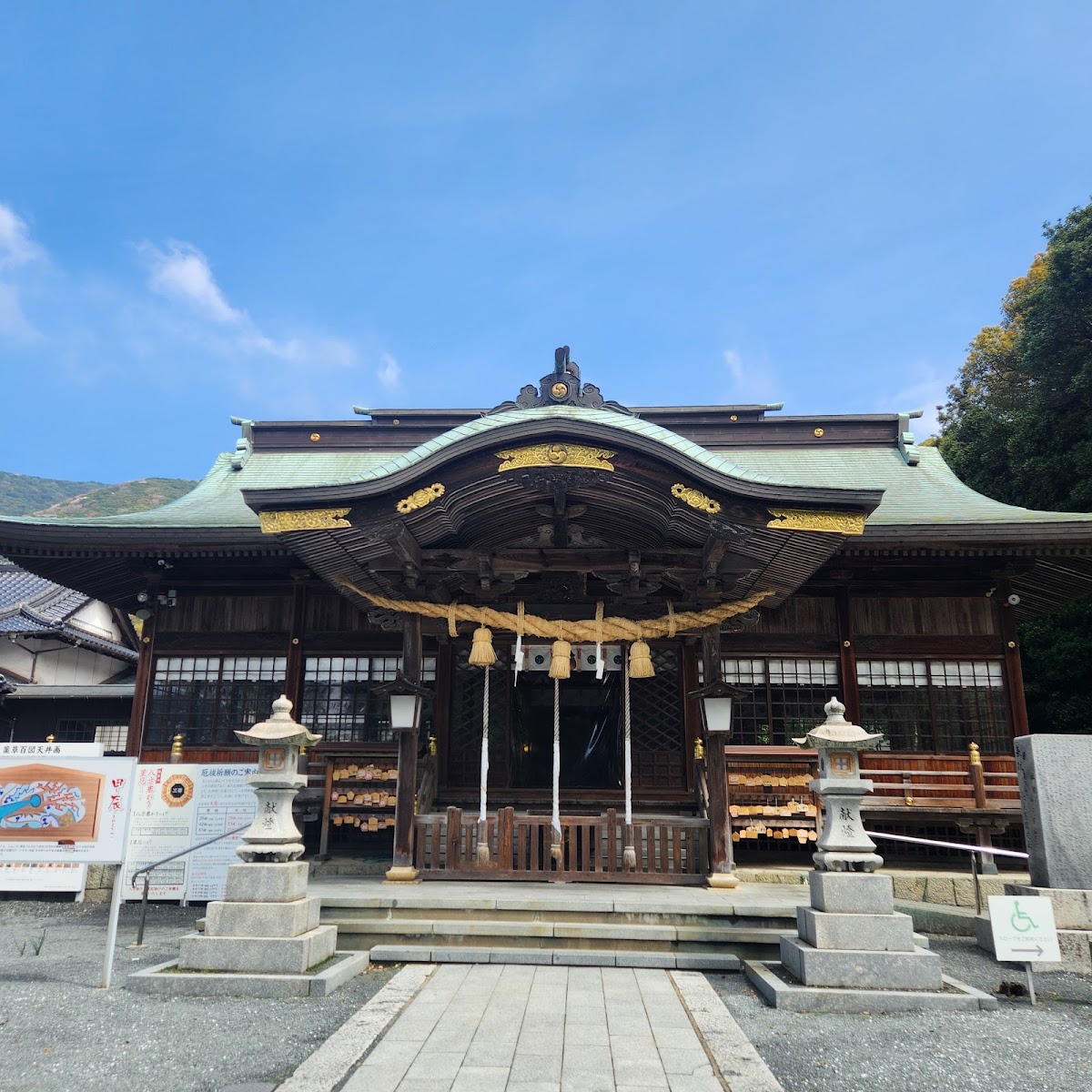
Under the Meiji era’s shrine ranking system, it was ranked as a local shrine and has been revered as a central shrine in the region. The current shrine building is considered the oldest wooden shrine building in Kitakyushu City and is preserved as a building of high historical value.
About the Deities Enshrined
Three deities are enshrined at Kuzuhara Hachiman Shrine.
Emperor Ōjin
The 15th Emperor, and the principal deity enshrined at Hachiman shrines throughout Japan. He is widely worshipped as the god of military fortune and the god of national protection.
Empress Jingū
The mother of Emperor Ōjin, and an empress known for the legend of the conquest of the Three Kingdoms of Korea. She is revered as the god of safe childbirth and child-rearing, and as a guardian deity of women.
Wake no Goō Daimyōjin (Wake no Kiyomaro)
Wake no Kiyomaro, known as a loyal retainer of the Nara period. Due to his meritorious service in protecting the imperial lineage during the Usa Hachimangu Oracle Incident, he was later enshrined as a deity. He is worshipped as a god who heals foot ailments, brings good fortune and protection from evil, and bestows the virtues of honesty and integrity.
Highlights of the Shrine Grounds
Rehabilitation Path
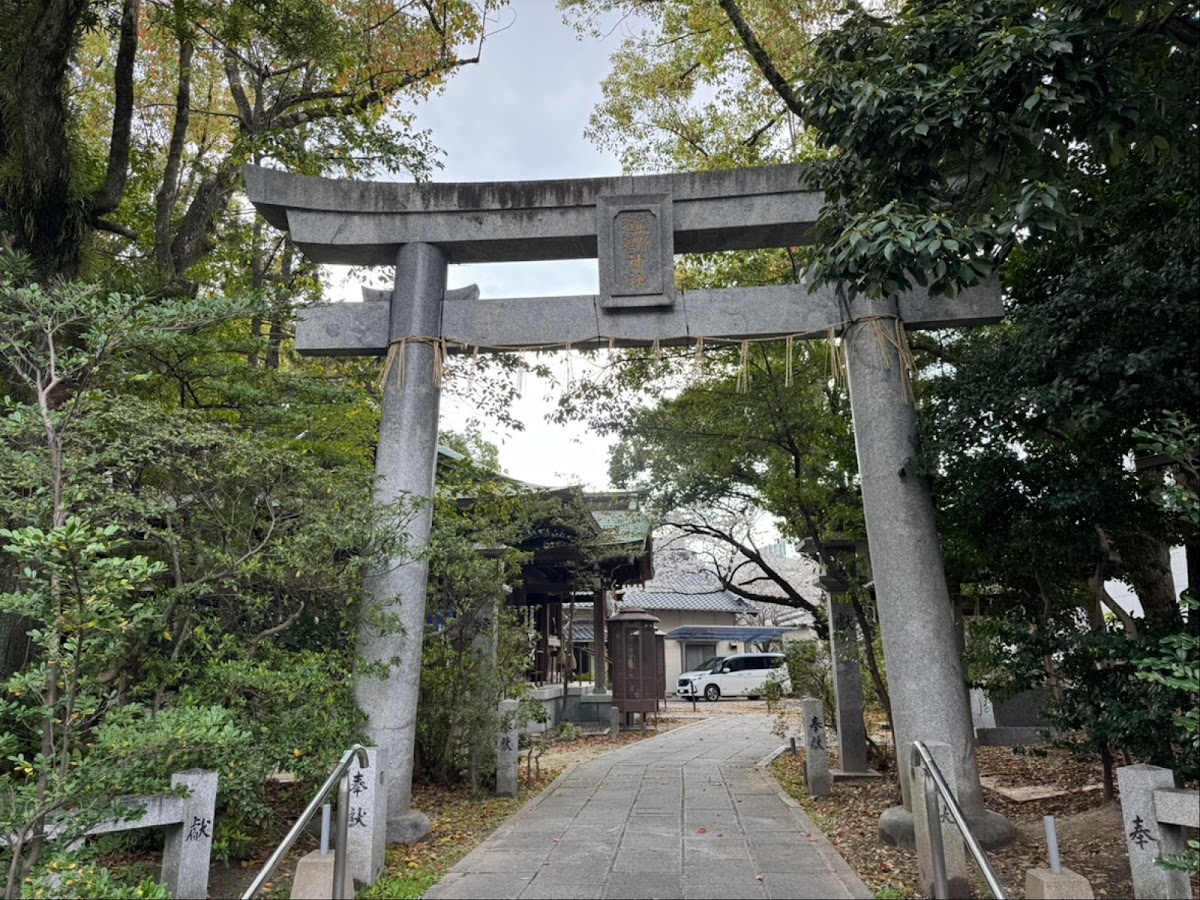
The approximately 250-meter-long path leading from the shrine entrance to the main hall is named the “Rehabilitation Path.” This name is derived from the legend that Wake no Kiyomaro recovered from a foot injury using this path, and it embodies the wish for relaxation of mind and body and the achievement of recovery. The tranquil path, surrounded by trees, provides a space where one can refresh both mind and body by walking slowly.
Kitakyushu City’s Oldest Wooden Shrine
The current worship hall is considered the oldest wooden shrine in Kitakyushu City and is highly valued for its historical significance. As a valuable cultural asset that conveys traditional architectural styles to the present day, it attracts many worshippers and history enthusiasts.
Ceiling Painting of 100 Medicinal Herbs
The ceiling of the main hall is adorned with a painting of 100 medicinal herbs, a distinctive decoration associated with the legend of Wake no Kiyomaro’s healing of his foot. The meticulously depicted ceiling painting of 100 different medicinal herbs symbolizes the shrine’s character as a place for praying for good health.
Statue of Wake no Kiyomaro
A standing statue of Wake no Kiyomaro stands on the shrine grounds, welcoming visitors. This statue commemorates Kiyomaro’s great achievements and serves as a symbol to pass on his spirit to future generations.
Tomozunaishi (Stern Rope Stone)
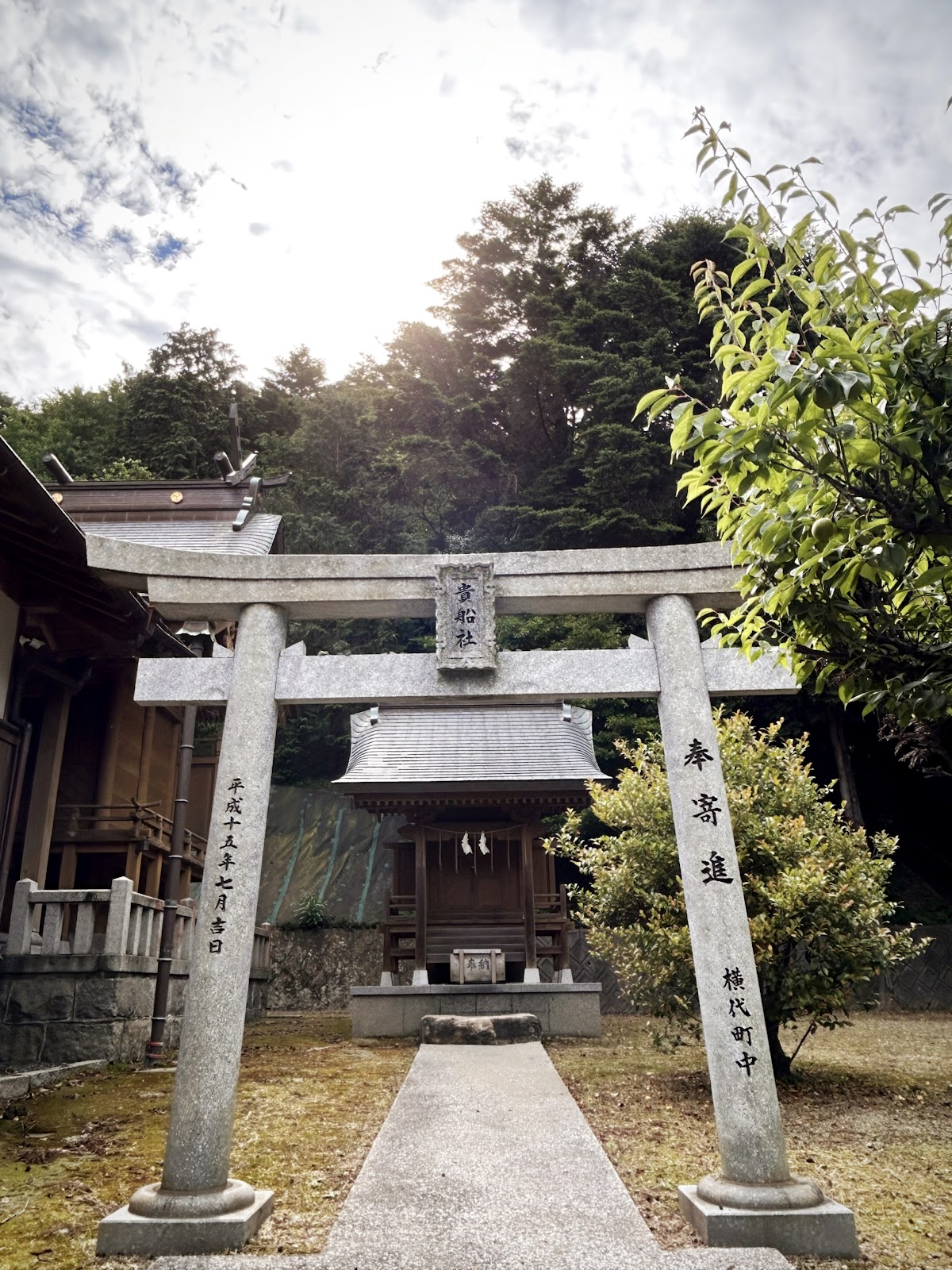
Within the shrine grounds is a historical stone called Tomozunaishi. It is said that when Wake no Kiyomaro visited this area following a divine oracle from Usa Hachiman Okami, he tied the stern rope of his boat to this stone. Furthermore, it is believed that Sugawara no Michizane also used it when he rested here on his way to Dazaifu. Originally located on the banks of the Takema River, it was moved to the shrine grounds. The shrine grounds also house a Tenmangu shrine, making it a place deeply connected to Sugawara no Michizane.
Annual Festivals and Events
Kuzuhara Hachiman Shrine holds various festivals and events throughout the seasons.
Dondo-yaki Festival (January)
This traditional event involves burning New Year’s decorations such as pine branches, sacred ropes, and old amulets. It is a beloved Shinto ritual for local residents, praying for good health and a fresh start to the year.
Summer Purification Festival (June)
This ritual purifies the impurities accumulated over the past six months and prays for good health for the remaining half of the year. Traditional rituals such as passing through a ring of reeds are performed, attracting many worshippers.
Kuzuhara Shinmachi Gaku (Last Sunday of October)
Every year on the last Sunday of October, the “Kuzuhara Shinmachi Gaku,” designated as an Intangible Folk Cultural Property of Kitakyushu City, is performed. This traditional performing art has continued since the Edo period and is carefully preserved as a regional cultural heritage. The elegant dance, accompanied by the sounds of flutes and drums, transports viewers to a world of history.
Other Annual Festivals
- New Year’s Festival (January 1st)
- Setsubun Festival (February)
- Spring Grand Festival (April)
- Autumn Grand Festival (October)
- Shichi-Go-San Festival (November)
- Monthly Festivals (Every Month)
These festivals are important opportunities to deepen the bonds of the local community, and many parishioners and devotees attend.
Goshuin (Shrine Seal) Information
About the Issuance of Goshuin
Goshuin (shrine seals) can be obtained at Kuzuhara Hachiman Shrine. Goshuin (temple/shrine stamps) are important records of one’s connection to a shrine and are received by many as proof of their visit.
Features of Goshuin
The goshuin at Kuzuhara Hachiman Shrine may include a stamp indicating its connection to Wake no Kiyomaro along with the shrine’s name. Pre-printed goshuin may also be available; please check with the shrine office upon arrival.
Issuance Hours and Precautions
Goshuin are generally only issued during the shrine office’s opening hours. During festivals and events, it may be difficult to obtain a goshuin, so it is recommended to check in advance if you definitely want one. It is considered polite to receive a goshuin after completing your prayers.
Access and Parking Information
Basic Information
Location: 4-3-1 Kuzuhara, Kokuraminami-ku, Kitakyushu City, Fukuoka Prefecture
Phone Number: Please contact the shrine office directly.
Access by Train
The nearest station is Abeyama Park Station on the JR Nippo Main Line. It’s about a 15-20 minute walk from the station. The path through the peaceful residential area to the shrine offers a nice opportunity to experience the local atmosphere.
Access by Bus
If using Nishitetsu Bus, board at Kokura Station Bus Center and get off at the “Kuzuhara Elementary School” bus stop. From the bus stop to the shrine is about 270 meters, a 3-5 minute walk.
Access by Car and Parking
Turning left at the Kuzuhara Police Box traffic light on the old National Route 10 from the direction of Kokura North, you will see a tree-lined approach to the shrine straight ahead. The parking lot is located behind the shrine (after walking counterclockwise around the shrine from the torii gate). It’s in a slightly hard-to-find location, so first-time visitors should be careful. There is a free parking lot with space for several cars.
Surrounding Environment
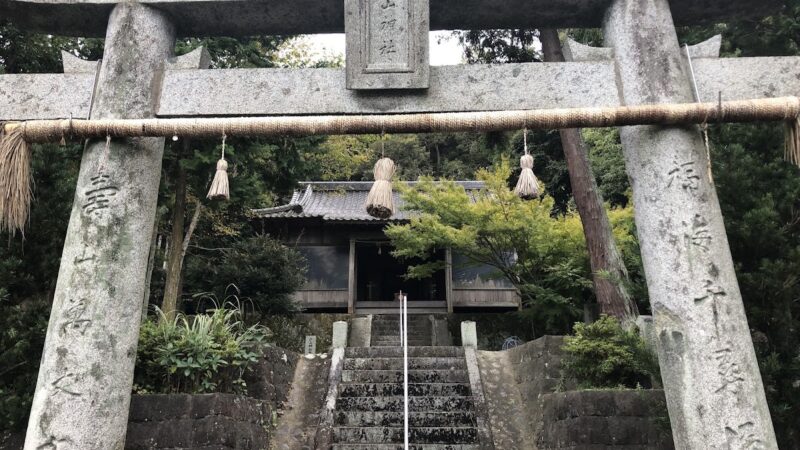
Kuzuhara Hachiman Shrine is located in a residential area, but the shrine grounds are surrounded by lush greenery, creating a quiet environment. Located at the foot of Mount Adachi, this is a charming place where nature and history harmonize.
Benefits of Visiting
Kuzuhara Hachiman Shrine is believed to offer various benefits through the divine virtues of its enshrined deity.
Leg and Lower Back Health & Healing
Due to the legend that Wake no Kiyomaro healed his leg injury here, it is particularly known for its benefits in leg and lower back health and healing from illness. Many visitors come to pray for physical and mental recovery by walking along the rehabilitation path.
Good Fortune, Protection from Evil, and the Virtue of Honesty and Sincerity
Kiyomaro is known as a loyal retainer who stood firm in truth and refused to bow to authority during the Usa Hachiman Shrine Oracle Incident. Therefore, it is believed that one can receive the virtue of honesty and sincerity, and that one can walk the right path in life.
Long-lasting Military Fortune & Victory
As it enshrines Emperor Ojin, who is also known as Hachiman-sama, it is believed to offer benefits for long-lasting military fortune, good fortune in competitions, and victory in sports.
Safe Childbirth and Child-Rearing
As this shrine enshrines Empress Jingu, it is believed to offer blessings for safe childbirth, child-rearing, and protection for women.
Nearby Attractions
Adachiyama Myoken-gu Shrine
Like Kuzuhara Hachiman Shrine, Adachiyama Myoken-gu Shrine, also known as “Adachi no Myoken-san,” is located at the foot of Mount Adachi and is known as a place associated with Wake no Kiyomaro. Legend says that Kiyomaro soothed his feet in a hot spring here, and many people visit both shrines together.
Around the Takeuma River
The Takeuma River, where the Tomotsunaishi stone was originally placed, flows near the shrine. A tranquil landscape unfolds, making it a suitable place for a stroll.
Manners and Points for Visiting a Shrine
Basic Worship Etiquette
- Bow before passing through the torii gate.
- Avoid walking in the center of the path (the center is the path for the gods).
- Purify your body and mind at the water basin.
- Bow twice, clap twice, and bow once in front of the main hall.
- Bow once again after passing through the torii gate on your way out.
Appropriate Attire for Worship
While there are no strict dress code regulations for visiting a shrine, please dress in clean clothing that is respectful to the gods. The approach to the shrine is approximately 250 meters long, so we recommend wearing comfortable shoes.
Photography
Photography is generally permitted on the shrine grounds, but there are places and times when photography is restricted, such as inside the main hall or during Shinto rituals. If you are unsure, please check with the shrine office. It is also important to be considerate of other worshippers.
Connection with the Community
Kuzuhara Hachiman Shrine is not merely a tourist spot; it plays an important role as the center of the local community. Festivals and events held throughout the year deepen the bonds among local residents and serve as a platform for passing on traditional culture to future generations.
In particular, the Kuzuhara Shinmachi Gaku is a traditional performing art in which local children also participate, providing a valuable opportunity to cultivate pride in and affection for their hometown. Seasonal events such as the Dondo-yaki Festival and the Natsukoshi Festival are important community events that mark the beginning of the year.
Summary
Kuzuhara Hachiman Shrine is a venerable shrine with a history of over 1200 years, and holds special significance as a place associated with Wake no Kiyomaro. It possesses unique charms not found in other shrines, including the oldest wooden shrine building in Kitakyushu City, a ceiling painting depicting 100 medicinal herbs, and a rehabilitation-themed approach.
It offers various blessings, including prayers for healthy legs and feet, recovery from illness, and good fortune and protection from evil, attracting many worshippers not only from the local area but also from far away. Traditional events, including the Kuzuhara Shinmachi Gaku, an intangible folk cultural property, are also a highlight.
Kuzuhara Hachiman Shrine is a venerable shrine with a history of over 1200 years and holds special significance as a place associated with Wake no Kiyomaro. When you visit Kitakyushu City in Fukuoka Prefecture, be sure to stop by Kuzuhara Hachiman Shrine and enjoy a peaceful visit while feeling the breath of history. The time spent in the lush grounds will surely be a healing moment that will make you forget the hustle and bustle of everyday life.