Takakura Hachiman Shrine (Kokura Minami-ku, Kitakyushu City, Fukuoka Prefecture) Complete Guide | Yokodai Kagura and a Sacred Site for Warding Off Evil with 800 Years of History
Takakura Hachiman Shrine, located in Yokodai Minami-machi, Kokura Minami-ku, Kitakyushu City, Fukuoka Prefecture, is a venerable shrine with a history of approximately 800 years. Every year on October 8th, the Autumn Grand Festival features the performance of “Yokodai Kagura,” a nationally designated Important Intangible Cultural Property, attracting many worshippers as a center of local faith and traditional culture. This article comprehensively introduces information you should know before visiting Takakura Hachiman Shrine, including its history, enshrined deities, blessings, annual events, and access methods.
History and Origins of Takakura Hachiman Shrine
Approximately 800 Years from Founding to the Present
Takakura Hachiman Shrine is said to have been founded during the Kamakura period, boasting a long history of approximately 800 years. From its inception, it has been revered as the guardian deity of the region and has been deeply intertwined with the lives of the people of the Yokodai area. The name of the shrine, “Takakura,” is said to originate from the fact that this area was once located on a hill and had warehouses for storing grain and other goods. Another theory suggests it has a history related to Emperor Takakura. It is still carefully preserved today as a valuable historical site that tells the story of the region.
The Tradition of Yokodai Kagura
Indispensable to understanding Takakura Hachiman Shrine is the “Yokodai Kagura.” This kagura is said to have been founded in 1617, but the oldest reliable record is a document from 1715.
Yokodai Kagura is one of the Buzen Kagura traditions, belonging to the lineage of kagura passed down from Fukuoka Prefecture to Oita Prefecture. Its historical value and artistic merit have been recognized, and it has been designated a National Important Intangible Cultural Property. This traditional performing art, which has been preserved and passed down by the local people for over 300 years, occupies an extremely important position as a Japanese cultural heritage.
Deities and Blessings
Main Deity: Emperor Ōjin
The main deity of Takakura Hachiman Shrine is Emperor Ōjin. Widely worshipped as Hachiman-sama, Emperor Ōjin is known as the god of military fortune and victory, and is also revered as the god of national protection and industrial development.
Blessings You Can Receive
Takakura Hachiman Shrine is beloved by the local community for the following blessings:
Protection from Misfortune: It wards off misfortune at life’s turning points and protects you for peaceful days. Many people visiting during their unlucky years come to pray.
Traffic Safety: In today’s car-dependent society, it protects you from traffic accidents and ensures safe driving. Many people visit for blessings when purchasing a new car or to pray for safety during their daily commute to work or school.
Family Safety: It protects the health and happiness of all family members and ensures peace in the home. The shrine is especially bustling with worshippers praying for family safety during the New Year’s visit.
Business Prosperity: Prayers can be offered for the development and prosperity of businesses. It attracts devout followers from local business owners.
Academic Success: Prayers can be offered for academic improvement for students and those taking entrance exams.
The Charm of the Autumn Grand Festival and Yokodai Kagura
The Autumn Grand Festival Held Every Year on October 8th
The most important annual event at Takakura Hachiman Shrine is the Autumn Grand Festival, held every year on October 8th. On this day, many worshippers, including parishioners and those from far away, visit the shrine, and the grounds are enveloped in a solemn atmosphere.
After the Shinto rituals are performed during the Autumn Grand Festival, the Yokodai Kagura, a nationally designated Important Intangible Cultural Property, is offered. Many spectators, including traditional performing arts enthusiasts and researchers, gather every year to witness this Kagura.
Yokodai Kagura Performances and Characteristics
Yokodai Kagura has developed uniquely while inheriting the traditions of Buzen Kagura. From the masks and costumes to the dance movements, the long-standing tradition is strongly reflected.
The performances express stories based on mythology through dance, depicting famous scenes from Japanese mythology such as Amaterasu’s hiding in the Heavenly Rock Cave and Susanoo-no-Mikoto’s slaying of Yamata-no-Orochi. It is characterized by its combination of solemn religious aspects and popular entertainment aspects.
The Kagura is supported by local preservation societies, who pass down the techniques and spirit across generations. They actively engage in activities to pass on the tradition to younger generations, dedicating themselves to the preservation and development of this traditional culture.
Value as a Nationally Designated Important Intangible Cultural Property
Yokodai Kagura is designated as a Nationally Designated Important Intangible Cultural Property due to its historical continuity and artistic value. The fact that this tradition has been passed down uninterrupted for over 300 years speaks to the strong bonds of the local community and their pride in their culture.
Furthermore, it maintains unique characteristics within the lineage of Buzen Kagura and occupies an important position in the study of Japanese Kagura. It is highly regarded as a comprehensive traditional performing art, encompassing dance forms, music, masks, and costumes.
Highlights of the Shrine Grounds
Main Hall and Worship Hall
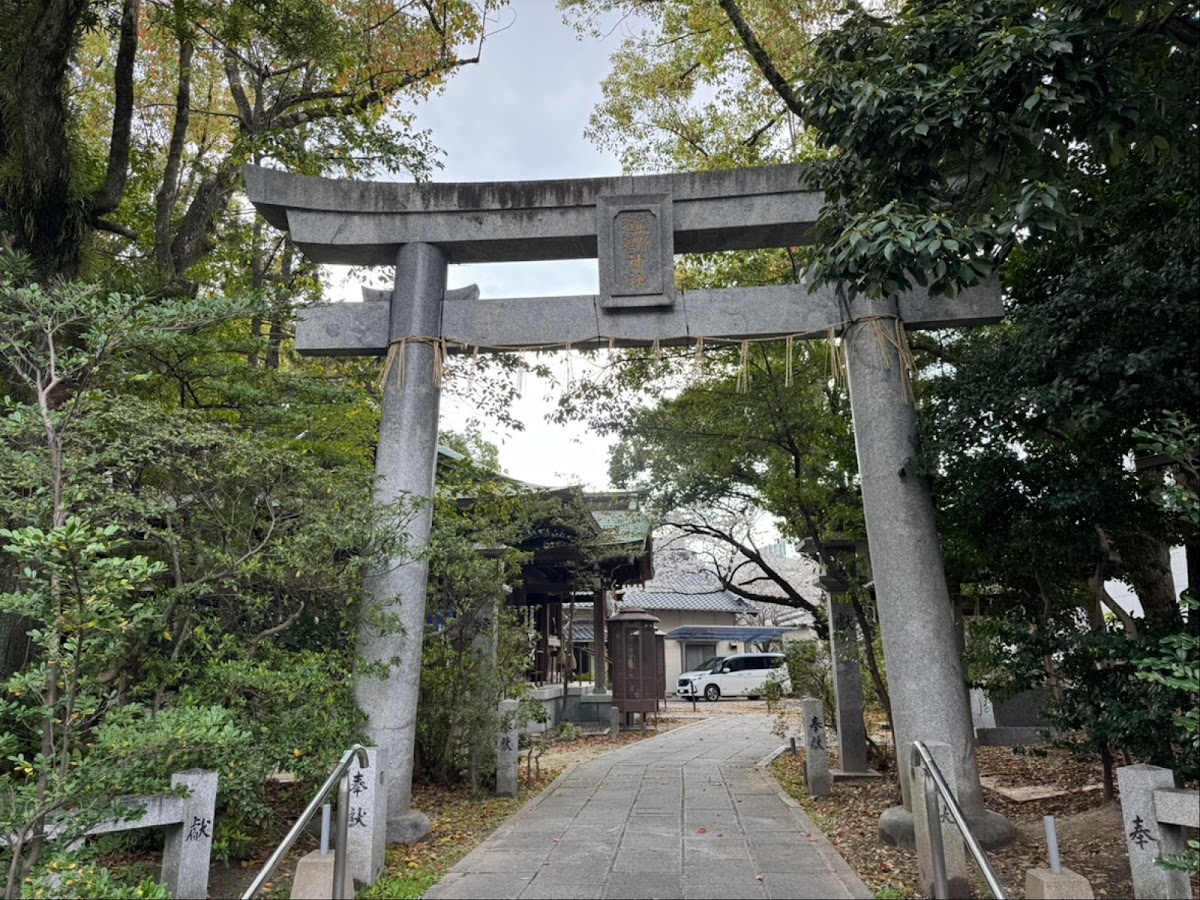
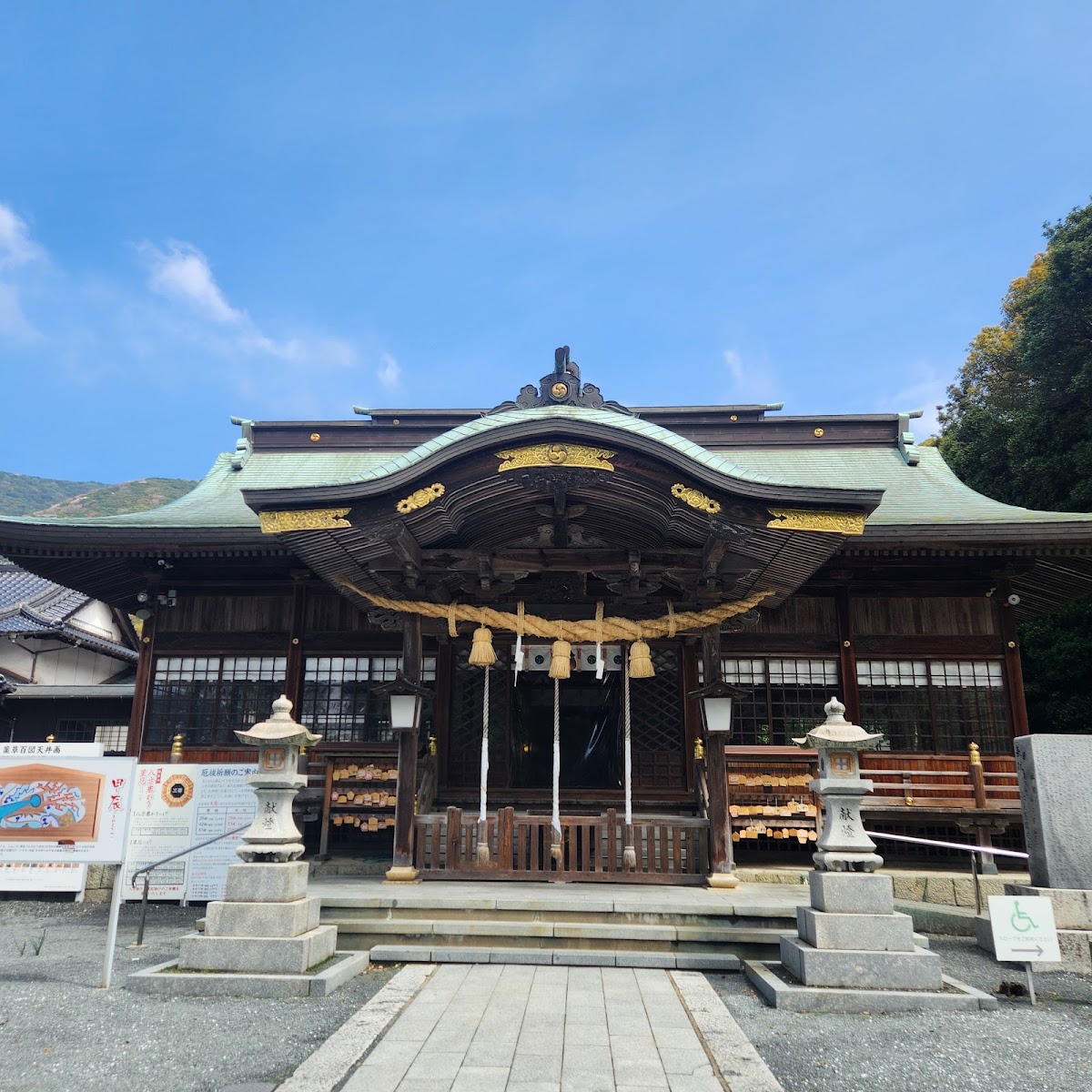
The main hall of Takakura Hachiman Shrine is built in the traditional shrine architectural style, exuding a sense of long history. In the worship hall, visitors can be seen quietly offering their prayers.
Subsidiary Shrines
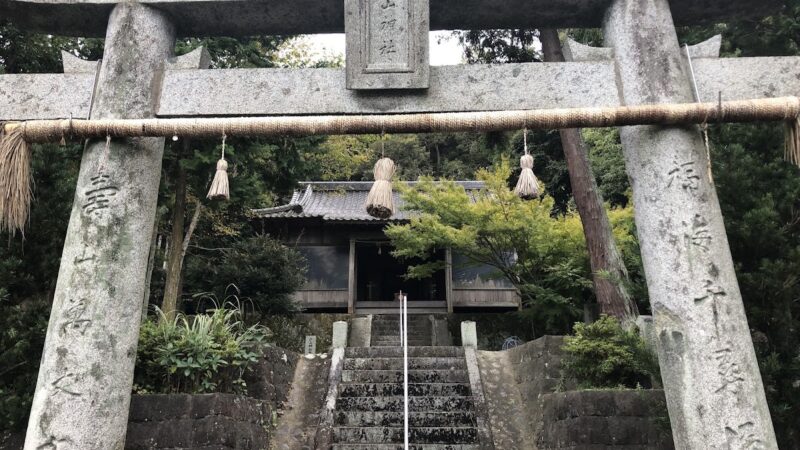
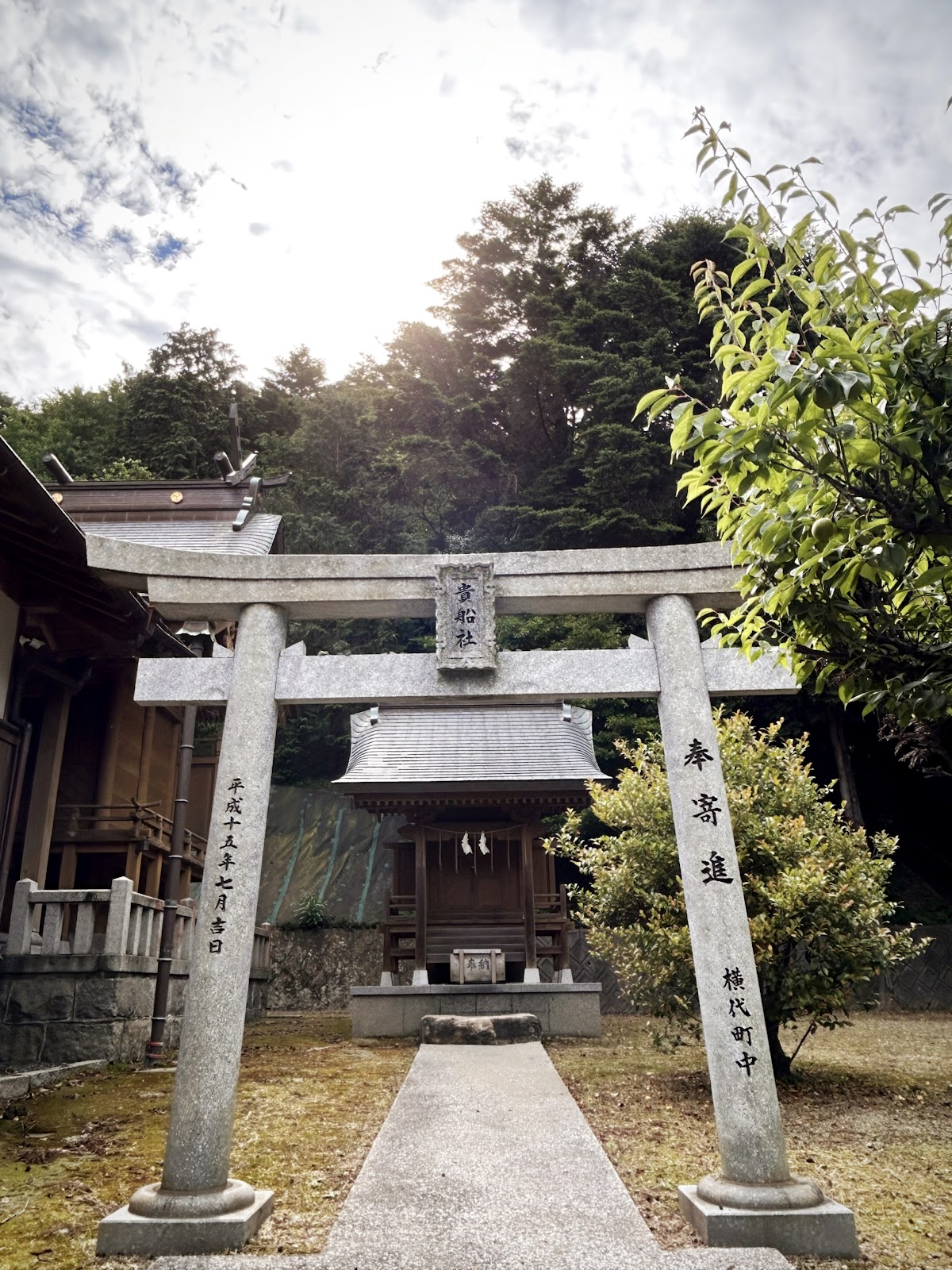
Several subsidiary shrines are enshrined around the main hall, each dedicated to a different deity. Visiting these subsidiary shrines in addition to the main hall will allow you to receive even greater blessings.
Kagura Hall
The Kagura Hall, where the Yokodai Kagura is performed during the Autumn Grand Festival, is an important facility within the shrine grounds. Normally quiet and unassuming, the shrine is beautifully adorned as a stage for traditional performing arts during festivals.
A Rich Natural Environment
Takakura Hachiman Shrine is located near the Kitakyushu City General Agricultural Center, surrounded by a rich natural environment. The shrine grounds are home to many ancient trees, allowing visitors to experience the beauty of nature throughout the seasons.
Annual Events
New Year’s Visit (January 1st-3rd)
Many worshippers visit the shrine for their first shrine visit of the new year. It is bustling with people praying for safety in the new year, including family safety, protection from evil, and traffic safety. For local residents, welcoming the start of the year at Takakura Hachiman Shrine is an important tradition.
Autumn Grand Festival (October 8th)
As mentioned above, this is the most important festival at Takakura Hachiman Shrine. Various Shinto rituals are performed, centered around the dedication of Yokodai Kagura (a type of Shinto dance).
Other Events
Various Shinto rituals are held throughout the year, including the Spring Festival and monthly festivals. Regular events praying for the peace and well-being of the community and its parishioners are held, deepening the connection between the shrine and the local area.
Access and Transportation Information
Access by Train
Using the JR Hitahikosan Line
- Nearest Station: Ishida Station
- Distance from Station: Approximately 15 minutes on foot
- Ishida Station is approximately 20 minutes from Kokura Station on the Hitahikosan Line.
Access by Bus
It is also possible to access the shrine by taking a Nishitetsu bus and walking from the nearest bus stop. Please check the Nishitetsu Bus official website for detailed routes and timetables.
Access by Car
Using the Kitakyushu Urban Expressway
- Approximately 20 minutes from Higashiko IC or Otani IC
Using General Roads
- Approximately 30 minutes from central Kokura via National Route 322
- Please enter “Takakura Hachiman Shrine” or the address “Yokodai Minamimachi, Kokura Minami-ku, Kitakyushu City” into your car navigation system.
Parking Information
The shrine has parking spaces for visitors. However, congestion is expected during events such as the Autumn Grand Festival, so we recommend using public transportation.
Nearby Tourist Attractions
Kitakyushu City General Agricultural Center
Located very close to Takakura Hachiman Shrine, this facility offers seasonal flowers and agricultural experiences. It’s an ideal spot to visit in conjunction with your shrine visit.
Hiraodai
Hiraodai, one of Japan’s leading karst plateaus, is a representative tourist attraction in Kokura Minami-ku. You can enjoy magnificent natural scenery.
Other Shrines in Kokura Minami Ward
Besides Takakura Hachiman Shrine, Kokura Minami Ward is home to many other historical shrines, including Numa Hachiman Shrine, Kuzuhara Hachiman Shrine, Tsuda Hachiman Shrine, and Munakata Shrine. Visiting these shrines is highly recommended.
Manners and Etiquette for Worship
Basic Worship Etiquette
- Bow before passing through the torii gate: As a sign of respect before entering the sacred area, bow before the torii gate.
- Purify yourself at the water basin: Purify your left hand, then your right hand, then your mouth.
- Walk along the edge of the path: The center is considered the path of the gods.
- Etiquette at the main hall: The basic etiquette is two bows, two claps, and one bow.
Attire
While everyday clothing is acceptable for worship, clean and subdued attire is preferred. Formal attire is especially appropriate when attending important events such as the Autumn Grand Festival.
Regarding Photography
Photography is generally permitted on the shrine grounds, but may be restricted during Shinto rituals or Kagura performances. Please check in advance or follow the instructions of the staff.
Takakura Hachiman Shrine and the Local Community
As a Center of Local Faith
Takakura Hachiman Shrine has long been the tutelary shrine of the Yokodai district and surrounding areas, attracting the faith of local residents. Visiting the shrine and offering prayers to the gods at important life events is a deeply rooted custom in the lives of the people of this region.
A Hub for Cultural Inheritance
The preservation and transmission of Yokodai Kagura is not merely about protecting the performing arts, but also about protecting the regional identity. Various initiatives are underway, including training younger generations and collaboration with school education.
A Place to Deepen Community Bonds
Annual events, including the Autumn Grand Festival, provide valuable opportunities for local residents to gather and deepen their connections. Activities centered around the shrine support community bonds that tend to weaken in modern society.
About Goshuin (Shrine Seals)
Collecting Goshuin as a memento of shrine visits is becoming increasingly popular. While it may be possible to obtain a Goshuin at Takakura Hachiman Shrine, there may not always be a permanently staffed shrine office, so it’s recommended to check in advance.
Bringing your Goshuincho (seal book) and making a respectful request is important. Goshuin are not merely stamps; they are proof of your visit, so remember to offer your prayers with sincerity first.
Shrine Culture in Kokura Minami Ward
The Spread of Hachiman Faith
Kokura Minami Ward is home to many Hachiman shrines, including Takakura Hachiman Shrine, Numa Hachiman Shrine, Kuzuhara Hachiman Shrine, Tsuda Hachiman Shrine, and Sho Hachiman Shrine. This demonstrates the depth of Hachiman faith in Kyushu and shows that the Hachiman faith, with Usa Jingu Shrine as its head shrine, is widely ingrained in the region.
The Tradition of Buzen Kagura
Buzen Kagura, exemplified by Yokodai Kagura, is a general term for Kagura (Shinto ritual dance) passed down in the area from eastern Fukuoka Prefecture to northern Oita Prefecture. While each region has developed its own unique style, there are many common elements, making it an important part of the local culture.
Points to Note When Visiting
Clothing by Season
- Spring (March-May): It’s warm during the day, but it can get chilly in the mornings and evenings, so it’s a good idea to bring something to wear over your clothes.
- Summer (June-August): Don’t forget to take precautions against the heat and stay hydrated. Parasols and hats are also effective.
- Autumn (September-November): The weather is relatively pleasant during the Autumn Grand Festival, but it can get chilly in the mornings and evenings.
- Winter (December-February): Take thorough precautions against the cold during the New Year’s visit period.
Crowded Periods
- New Year’s Visit Period (January 1st-3rd)
- Autumn Grand Festival (October 8th)
- Weekend and public holiday mornings
During these periods, many worshippers visit, so it is recommended to allow ample time for your visit.
Summary: The Charm of Takakura Hachiman Shrine
Takakura Hachiman Shrine, located in Kokura Minami-ku, Kitakyushu City, Fukuoka Prefecture, is a venerable shrine with a history of approximately 800 years. The Autumn Grand Festival, where the Yokodai Kagura, a nationally designated Important Intangible Cultural Property, is performed, is a valuable opportunity to experience traditional Japanese culture.
Takakura Hachiman Shrine is believed to offer protection against misfortune, ensure traffic safety, and grant blessings for family well-being. It attracts the faith of local residents and plays a vital role as a center for cultural preservation. Its convenient location, just a 15-minute walk from JR Ishida Station, is another attractive feature.
When visiting Kitakyushu City, be sure to stop by Takakura Hachiman Shrine and experience its long history and traditional culture. In particular, the Autumn Grand Festival on October 8th offers the opportunity to witness the magnificent Yokodai Kagura dance, which has been passed down for over 300 years. The tranquil grounds offer a peaceful retreat where you can feel the traditions of Japan and the bonds of community – a truly memorable experience.