Complete Guide to Higashi-Ono Hachiman Shrine (Fukuoka Prefecture) | Guardian Deity of Hiraodai, Known for its 1300-Year History and Butt-Shaking Festival
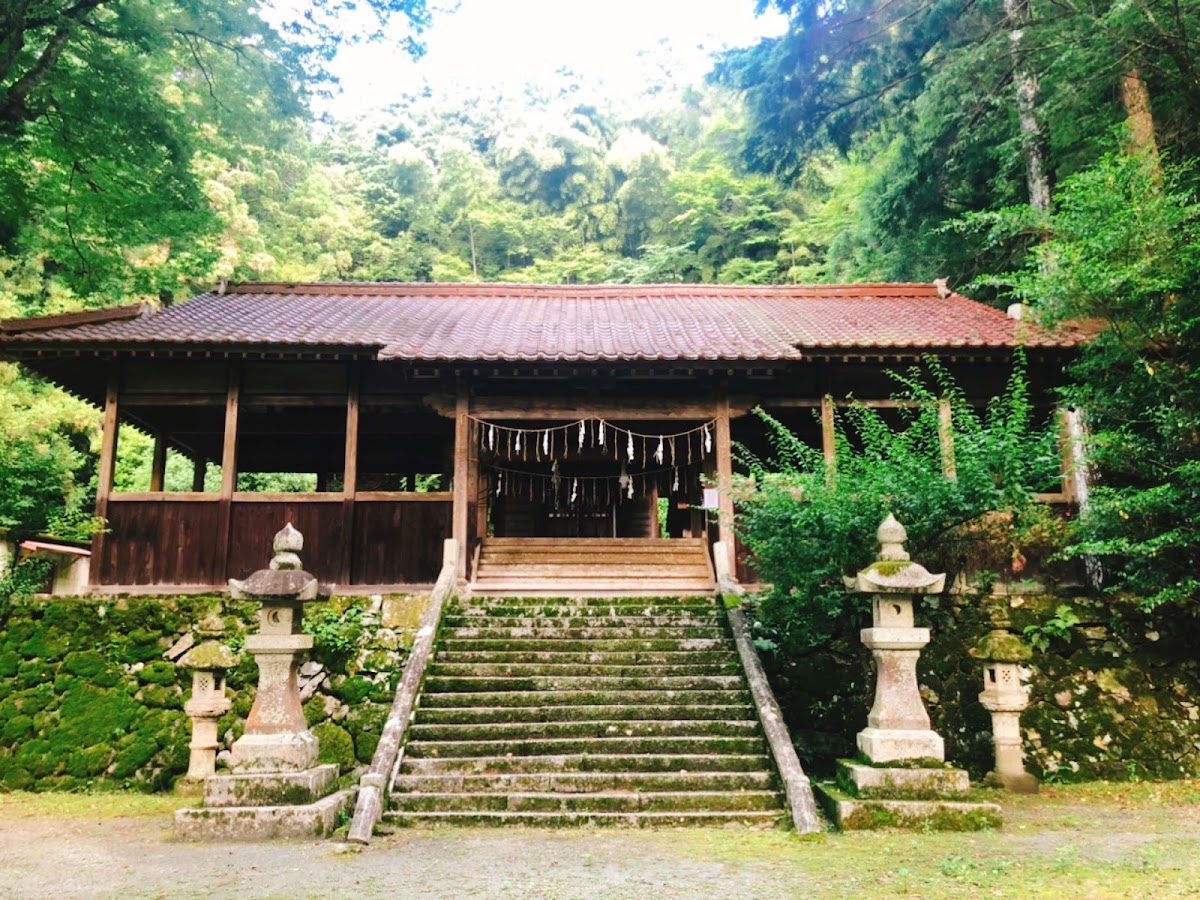
Higashi-Ono Hachiman Shrine, located in Kokura Minami-ku, Kitakyushu City, Fukuoka Prefecture, is a venerable shrine boasting a history of over 1,300 years. Situated on Hanaeyama Mountain overlooking the Hiraodai karst plateau, a national park, it has been revered by the local people as the tutelary deity of the ten villages of Higashitani. This article provides detailed information you should know before visiting Higashi-Ono Hachiman Shrine, including its history, blessings, festivals, and access methods.
History and Origins of Higashi-Ono Hachiman Shrine
From Founding to the Present
The founding of Higashi-Ono Hachiman Shrine dates back to February of the fifth year of Emperor Tenji’s reign (666 AD). According to shrine records, the divine spirit of Hachiman Daishin appeared at the Kageyōishi stone in Sato-Furihara (present-day Gōhara) in Takatsuo, and is said to have given a divine oracle to Miyazaki Moriaki, saying, “I am Hirohata Hachihata-no-Kami.” This oracle is believed to have been the catalyst for the establishment of Hachiman worship in this area.
In 1667 (Kanbun 7), a shrine was built on Hanaeyama, the current location, due to the reverence of the people, and it came to be known as Higashi Ōno Hachiman Shrine. Since then, it has been revered as the tutelary deity of the ten villages of Higashitani, attracting the faith of the local people and worshipped as the guardian deity of agriculture and daily life.
Reconstruction by the Lord of Kokura Domain
On February 20, 1749 (Kan’en 2), Lord Ogasawara Tadamoto, the lord of Kokura Castle, offered prayers and ordered the reconstruction of the shrine in the village. This reconstruction resulted in the current main hall, and the shrine, built with the benevolence of Lord Ogasawara Tadamoto, features numerous intricate carvings. The shrine is particularly rich in sculptures featuring marine life, and despite being an inland shrine, its unique decorations are heavily influenced by maritime culture.
In 1872 (Meiji 5), it was ranked as a local shrine, officially recognizing its status within the region. It also played a role as the Komori Tenaga Grand Shrine, establishing its position as a center of worship for a wide area.
Deities and Benefits
Deities
The following five deities are enshrined at Higashi-Ono Hachiman Shrine:
- Honda-wake-no-mikoto: Emperor Ojin. The principal deity of Hachiman, the god of military fortune and national protection.
- Okinagatarashihime-no-mikoto: Empress Jingu. The god of safe childbirth and child-rearing.
- Tagirihime-no-mikoto: One of the three Munakata goddesses. God of maritime safety and traffic safety
- Tagitsuhime-no-Mikoto: One of the three Munakata goddesses. God of wealth and business prosperity
- Ichikishima-hime-no-Mikoto: One of the three Munakata goddesses. Goddess of beauty and performing arts
Main Benefits
Higashi-Ono Hachiman Shrine is particularly known for its divine blessings related to fertility. The sacred tree on the shrine grounds is believed to have miraculous powers for granting children, and the shrine is affectionately known as the “Fertility Shrine.” Couples hoping for children visit from all over the country, and there are reports of many having their wishes granted.
In addition, the following blessings are believed to be offered:
- Prayer for Safe Childbirth: As it enshrines Empress Jingu, blessings for safe childbirth and child-rearing are offered.
- First Shrine Visit: Prayers for the healthy growth of newborns.
- Traffic Safety: As it enshrines the Munakata Three Goddesses, prayers for safe travels are offered.
- Exorcism: Removal of misfortune at important life stages.
- Long-lasting Military Fortune: As it enshrines Emperor Ojin, prayers for success in competitions and work are offered.
Highlights of the Shrine Grounds
Exquisite Carvings on the Main Hall
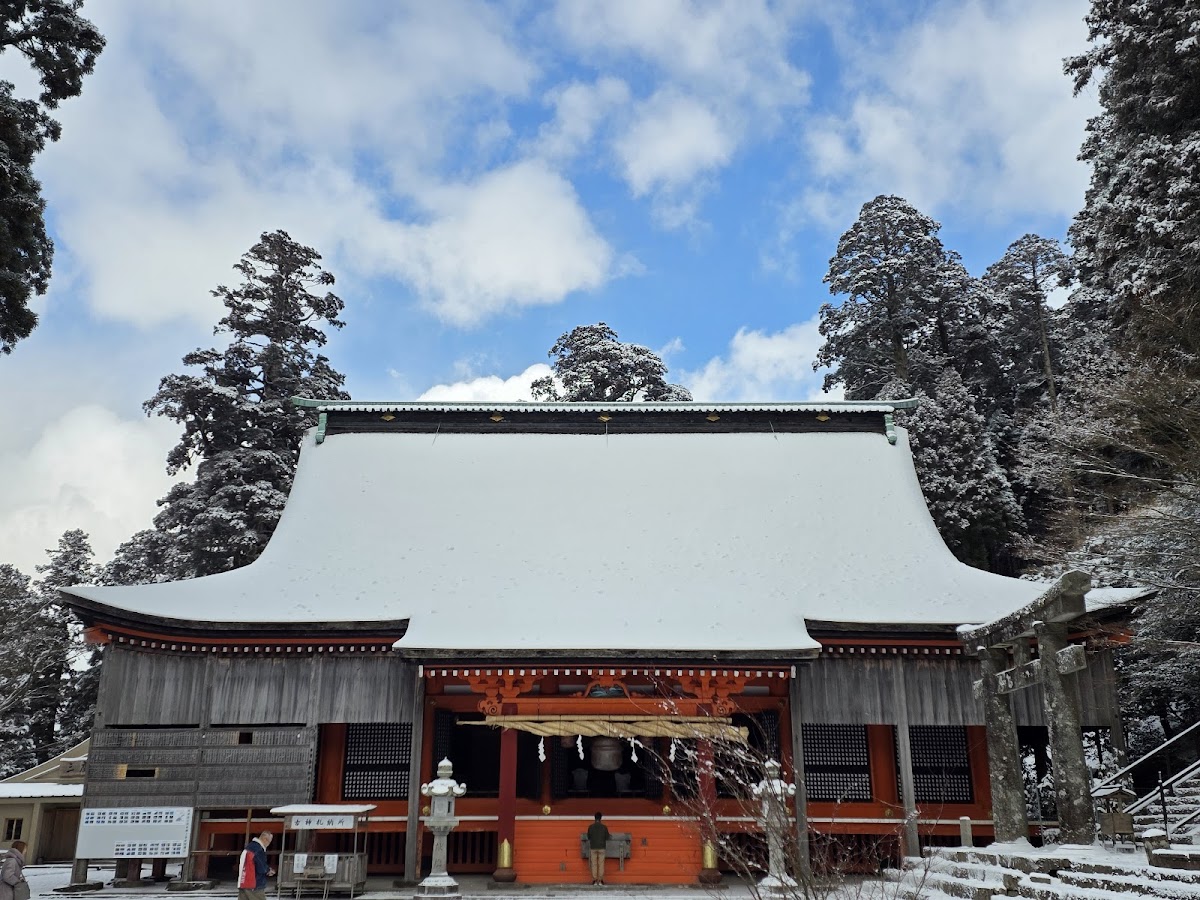
The greatest highlight of Higashi-Ono Hachiman Shrine is the numerous carvings on the main hall. The shrine, rebuilt by order of Lord Ogasawara Tadamoto, lord of Kokura Castle, showcases the finest carving techniques of the mid-Edo period.
Particularly noteworthy are the carvings depicting marine life. Fish, shellfish, seaweed, and other marine creatures are carved three-dimensionally, a rare decoration for an inland shrine. This is thought to be related to the worship of the three Munakata goddesses, and it demonstrates a unique culture that fuses sea and mountain worship.
Many of the carvings depict mythical creatures such as dragons and phoenixes, as well as flowers, birds, wind, and moon, and each one is exquisitely crafted. When visiting, we highly recommend taking the time to admire the carvings in the main hall.
The Sacred Tree for Fertility
The sacred tree towering within the temple grounds is a giant tree said to be several hundred years old, and it attracts worshippers who believe it has the divine power to grant children. There is a legend that touching the trunk and praying will bring blessings of having children, and many worshippers pray before the sacred tree.
A sacred rope (shimenawa) is stretched around the sacred tree, creating a sacred atmosphere. The tree’s very life force is worshipped as divine power, showcasing a unique Japanese form of worship that fuses nature worship and Shinto.
Views Overlooking the Hiraodai Karst Plateau
Higashi-Ono Hachiman Shrine is located on Hanaeyama Mountain, overlooking the Hiraodai Karst Plateau, a national park that Kitakyushu City is proud of. From the shrine grounds, you can enjoy the magnificent scenery of Hiraodai and appreciate the beauty of nature throughout the seasons.
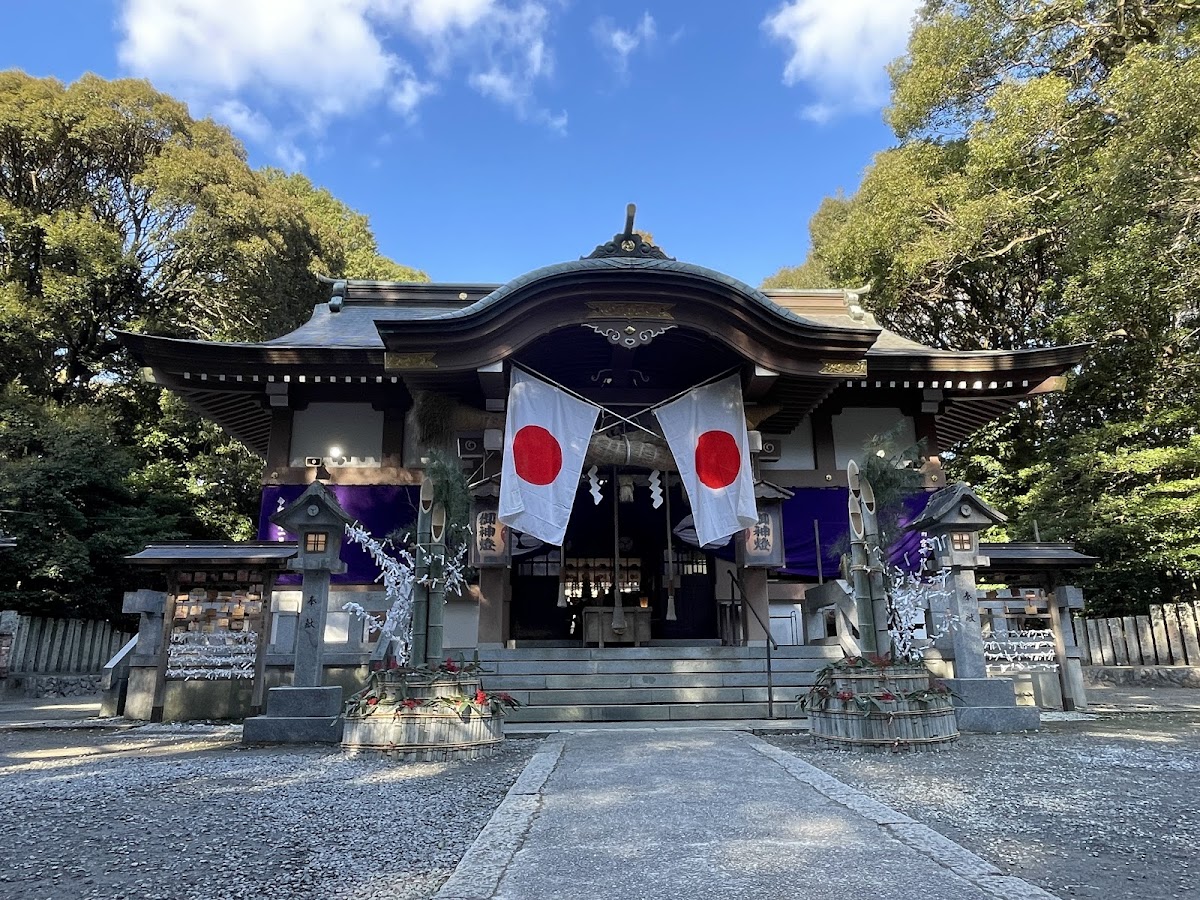
Especially during the time of the first sunrise of the year, many worshippers visit to worship the sun rising over Hiraodai. As the guardian shrine of Hiraodai, the number of worshippers for the first shrine visit of the year is increasing every year, and it is becoming known as a sacred place to welcome the new year.
Festivals and Annual Events
Butt-Shaking Festival (A Unique Japanese Festival)
The most distinctive festival of Higashi-Ono Hachiman Shrine is the “Butt-Shaking Festival“. This festival is considered one of Japan’s unique festivals, and its distinctive movements and traditions have been passed down through generations.
The Butt-Shaking Festival is a festival to pray for a bountiful harvest and the prosperity of descendants, and as the name suggests, a Shinto ritual involving distinctive hip movements is performed. The origins of this festival are ancient, believed to stem from agricultural rituals and fertility beliefs, and it is considered a valuable event for the study of Japanese folk culture.
For detailed information on the festival’s schedule and content, please contact the shrine directly or check its official website.
Other Annual Events
Higashi-Ono Hachiman Shrine holds various festivals throughout the year:
- New Year’s Day Festival: Prayers for peace and prosperity in the new year
- Spring Grand Festival: Celebration of the arrival of spring and prayers for a bountiful harvest
- Summer Purification Ceremony: A Shinto ritual to cleanse away the impurities accumulated over the past six months
- Autumn Grand Festival: A festival to give thanks for the harvest and repay divine blessings
- Shichi-Go-San Festival: Celebration of children’s growth and prayers for their healthy development
These festivals are attended by local people, serving as a place for the continuation of traditional culture and the deepening of community bonds.
Goshuin (Shrine Seal) Information
Issuance of Goshuin
Higashi-Ono Hachiman Shrine offers goshuin. The goshuin features the shrine’s name and the date of visit written in ink, and stamped with a red seal. Many visitors receive goshuin as a memento of their visit and as proof of their connection to the shrine.
Goshuin can be obtained at the shrine office, but since priests may not always be present, it is recommended to call ahead to confirm availability if you wish to be sure of receiving one.
Goshuincho (Shrine Seal Book)
Please inquire directly with the shrine regarding whether they have an original goshuincho. If you have a standard goshuincho, you can have the goshuin written in it.
Access Information
Location
Address: 467 Ishihara-cho, Kokuraminami-ku, Kitakyushu City, Fukuoka Prefecture 803-0267
Access by Car
From Kokuraminami Interchange on the Kyushu Expressway:
- Head south on National Route 322 towards Tagawa
- Turn left at the fourth traffic light, “Higashi-Ono Hachiman Shrine”
- Estimated time: Approximately 10 minutes
From Tagawa:
- Head north on National Route 322
- Turn right at the fifth traffic light from the Hiraodai Entrance intersection, “Higashi-Ono Hachiman Shrine”
- Approximately 5 minutes by car from the Hiraodai Entrance
Parking is available on the shrine grounds, so you can visit by car with peace of mind.
Access by Public Transportation
By JR:
- Get off at Ishihara-machi Station on the JR Hita-Hikosan Line
- Approximately 8 minutes on foot
By Bus:
- Get off at Tekko Danchi Iriguchi bus stop (Nishitetsu Bus)
- Approximately 5 minutes on foot
When using public transportation, please note that the number of services may be limited, so we recommend checking the timetable in advance.
Notes and Manners for Visiting the Shrine
Visiting Hours
The grounds of Higashi-Ono Hachiman Shrine are generally open all day, but the shrine office has limited hours. If you wish to receive a Goshuin (shrine stamp) or request prayers, we recommend visiting during weekday daytime hours (around 9:00 AM to 5:00 PM).
Shrine Visiting Etiquette
Please observe basic shrine visiting etiquette:
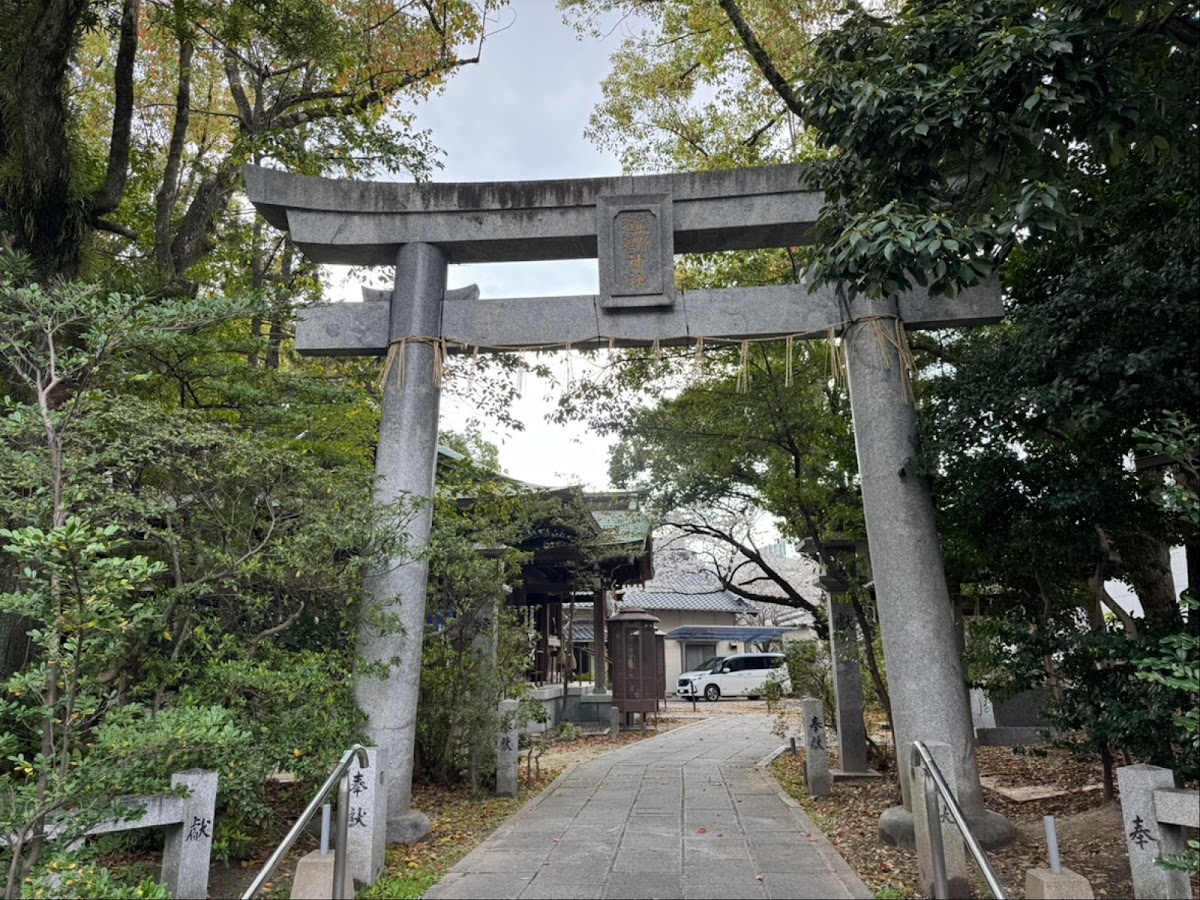
- When passing through the torii gate: Bow before entering the shrine grounds.
- Etiquette at the purification fountain: Cleanse your left hand, then your right hand, then your mouth, and finally cleanse the handle of the ladle.
- Worship etiquette: Two bows, two claps, and one bow are the basics.
- Behavior within the shrine grounds: Maintain silence and refrain from loud conversations.
- Photography: Be mindful of areas where photography is prohibited, such as inside the main hall.
Attire
For regular visits, everyday clothes are acceptable, but if you are receiving prayers, clean and subdued attire is preferable. Especially during New Year’s and festivals, crowds are expected, so comfortable clothing is recommended.
Nearby Tourist Attractions
Hiraodai (National Park)
Located about 10 minutes by car from Higashi-Ono Hachiman Shrine, Hiraodai is a national park considered one of Japan’s three major karst regions. The unique landscape of exposed limestone is also known as “Sheep Plain,” resembling a flock of sheep grazing.
Hiraodai boasts several limestone caves, including Senbutsu Cave and Mejiro Cave, allowing visitors to explore a mysterious underground world. Hiking trails that allow you to enjoy the changing seasons are also well-maintained, making it a popular spot for families.
Senbutsu Cave
A representative tourist spot of Hiraodai, designated as a national natural monument. Within the approximately 900-meter-long cave, numerous stalactites and stalagmites have formed, allowing visitors to appreciate the beauty of natural formations. Water flows through the cave, and in some sections, you can have an adventurous experience wading through knee-deep water.
Hiraodai Nature Village
A comprehensive facility where you can learn about and experience the nature of Hiraodai. Sheep graze in the vast grasslands, allowing for interaction with animals. Various experience programs, such as soba noodle making and butter making, are also available.
Summary of the Charms of Higashi-Ono Hachiman Shrine
Higashi-Ono Hachiman Shrine boasts a history of over 1,300 years and continues to be beloved by the local community. It offers many attractions and unique charms, including a sacred tree known for its blessings of fertility, a main hall adorned with intricate carvings, and the unique Japanese festival, the “Shiri-furi Matsuri” (Butt-Shaking Festival).
Its location overlooking Hiraodai National Park is magnificent, allowing visitors to pray in a peaceful space where nature, history, and culture harmonize. When visiting Kitakyushu City, be sure to visit Higashi-Ono Hachiman Shrine and experience the form of faith woven over 1,300 years of history.
Higashi-Ono Hachiman Shrine warmly welcomes visitors during important life events and for prayers such as New Year’s visits, prayers for fertility, safe childbirth, and protection from evil. Combining a visit with sightseeing in Hiraodai will make for a fulfilling trip where you can fully experience the nature and history of Kitakyushu.
Basic Information
Shrine Name: Higashi-Oono Hachiman Shrine
Location: 467 Ishihara-machi, Kokuraminami-ku, Kitakyushu City, Fukuoka Prefecture 803-0267
Deities Enshrined: Hondawake-no-Mikoto, Okinagatarashihime-no-Mikoto, Takirihime-no-Mikoto, Takitsuhime-no-Mikoto, Ichikishimahime-no-Mikoto
Main Blessings: Childbearing, Safe Childbirth, First Shrine Visit, Traffic Safety, Protection from Evil
Shrine Rank: Former Village Shrine
Founded: 5th year of Emperor Tenji’s reign (666 AD)
Annual Festival Date: Please inquire with the shrine for details
Parking: Available (Free)
Official Website: https://higashioono.jimdofree.com/
Access:
- Approximately 8 minutes on foot from JR Hita-Hikosan Line “Ishihara-machi Station”
- Approximately 5 minutes on foot from Nishitetsu Bus “Tekko Danchi Iriguchi” bus stop
- Approximately 10 minutes by car from the Kokura Minami Interchange on the Kyushu Expressway.
Inquiries: Please check the official website for details.
Higashi-Ono Hachiman Shrine is a hidden gem in Kitakyushu, where history, nature, and faith intertwine. When traveling to Hiraodai, be sure to stop by this historic shrine and experience the sacred space nurtured by 1,300 years of history.