Susa Shrine (Kawara-machi, Fukuoka Prefecture) Complete Guide | History, Deities, Gion Festival, and Access Information
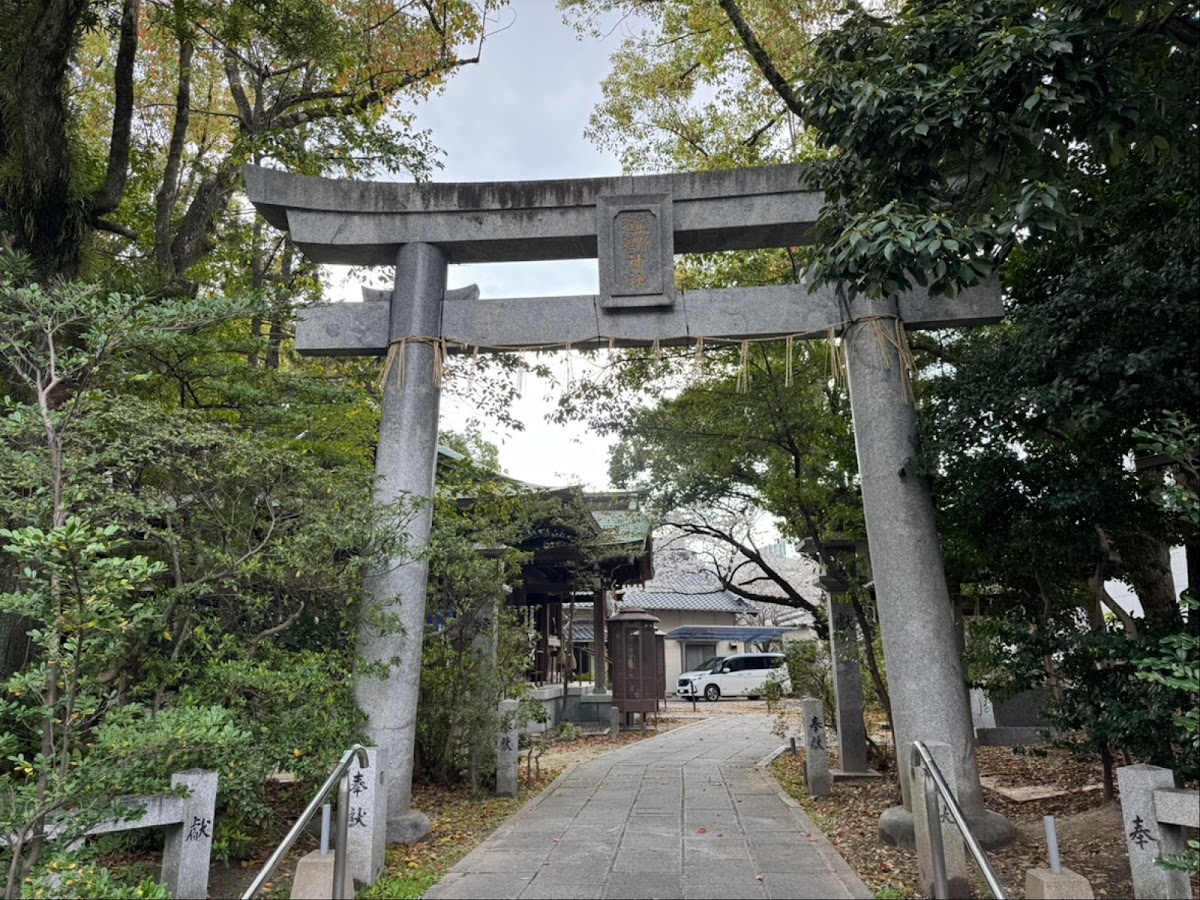
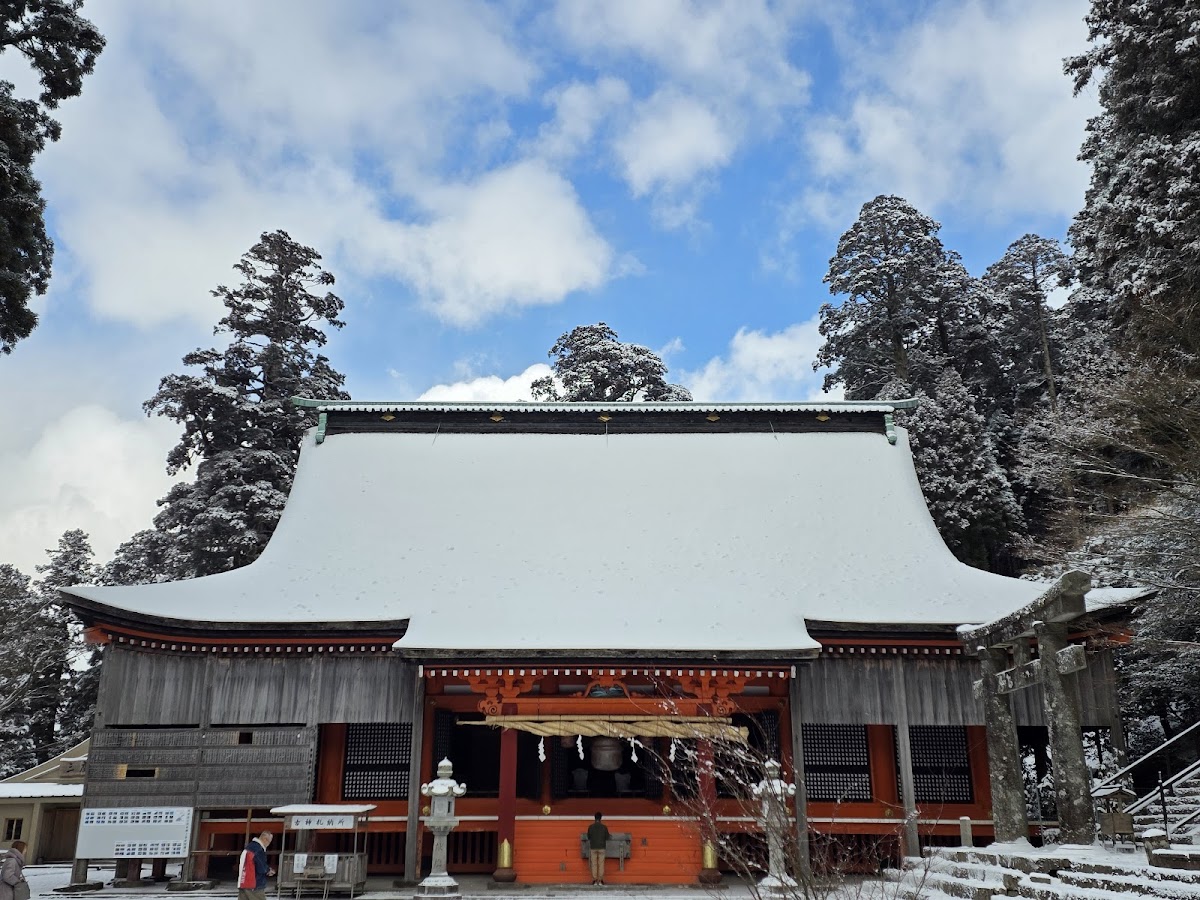
Located in Kawara-machi, Tagawa-gun, Fukuoka Prefecture, Susa Shrine is a historic shrine dedicated to Susanoo-no-Mikoto. Characterized by its impressive stone walls, this shrine was revered by the Hosokawa clan, the lords of the Kokura domain during the Edo period, and played an important role as a center of local faith. This article provides a detailed explanation of Susa Shrine’s history, deities, annual events, and access methods.
Basic Information on Susa Shrine
Susa Shrine is located at 458 Kawara, Kawara-machi, Tagawa-gun, Fukuoka Prefecture, and is within walking distance of Kawara Station on the JR Hita-Hikosan Line. Parking is available on the shrine grounds for visitors, making it accessible by car.
The most striking feature of the shrine is the impressive stone walls surrounding the grounds. These walls, an important structure that conveys the history and prestige of the shrine, attract the attention of visitors. Located along the Akizuki Road, it was once a place of worship for travelers along the route.
Location and Access
- Address: 458 Kawara, Kawara-machi, Tagawa-gun, Fukuoka Prefecture
- Nearest Station: Kawara Station, JR Hita-Hikosan Line
- Parking: Parking available on the shrine grounds
- Phone Number: 0947-32-2880
Kawara-machi is located in the Chikuhō region of Fukuoka Prefecture and has long prospered from copper mining. It has a long history dating back to the Manyō era, and in the early modern period, it played a central role in the politics, economy, culture, and education of Tagawa City and County.
About the Deity, Susanoo-no-Mikoto
The deity enshrined at Susa Shrine is Susanoo-no-Mikoto. Susanoo-no-Mikoto is one of the representative gods in Japanese mythology and is known as the younger brother of Amaterasu Ōmikami.
While Susanoo-no-Mikoto is known for his fierce nature, he also has a heroic side as a god who saved people by slaying the Yamata no Orochi (eight-headed serpent). He is also worshipped as a god who wards off disease and misfortune, and is enshrined at Susa Shrines, Yasaka Shrines, and Gion Shrines throughout Japan.
At the Susa Shrine in Kawara Town, it is believed that the safety and prosperity of the local people have been protected by the divine power of Susanoo-no-Mikoto. Especially during times of epidemic, devotion to Susanoo-no-Mikoto deepened, and religious ceremonies such as the Gion Festival were held on a grand scale.
History of Susa Shrine
Reverence in the Edo Period and Relationship with the Hosokawa Clan
A noteworthy aspect of the history of Susa Shrine is its deep relationship with the lord of the Kokura Domain during the Keicho era in the early Edo period.
Hosokawa Tadaoki, the first lord of the Kokura Domain held Susa Shrine in extremely high esteem and made significant contributions to its maintenance and development. Hosokawa Tadaoki was a samurai who was active from the Sengoku period to the early Edo period, and was also a cultured man known as a tea master.
Furthermore, Hosokawa Takayuki, the younger brother of Hosokawa Tadaoki and Lord of Kawara Castle, always visited Susa Shrine from his position as the ruler of Kawara, and deeply revered it as the guardian deity of the region.
Later, Lord Ogasawara, who became the lord of the Kokura domain, also inherited the reverence for Susa Shrine, and the shrine continued to prosper under the protection of the domain. In this way, Susa Shrine received strong faith from the samurai class throughout the Edo period, establishing its position as a spiritual pillar of the region.
Relocation in Meiji 6
A significant turning point in the history of Susa Shrine was the relocation in Meiji 6 (1873). In that year, Susa Shrine was relocated to its current location in Onigajo.
The Meiji era was a period of great change in the environment surrounding shrines, including the separation of Shinto and Buddhism and the abolition of the feudal domains. The relocation of Susa Shrine is thought to have occurred within this historical context. The relocation allowed the shrine to continue attracting local faith in its new location.
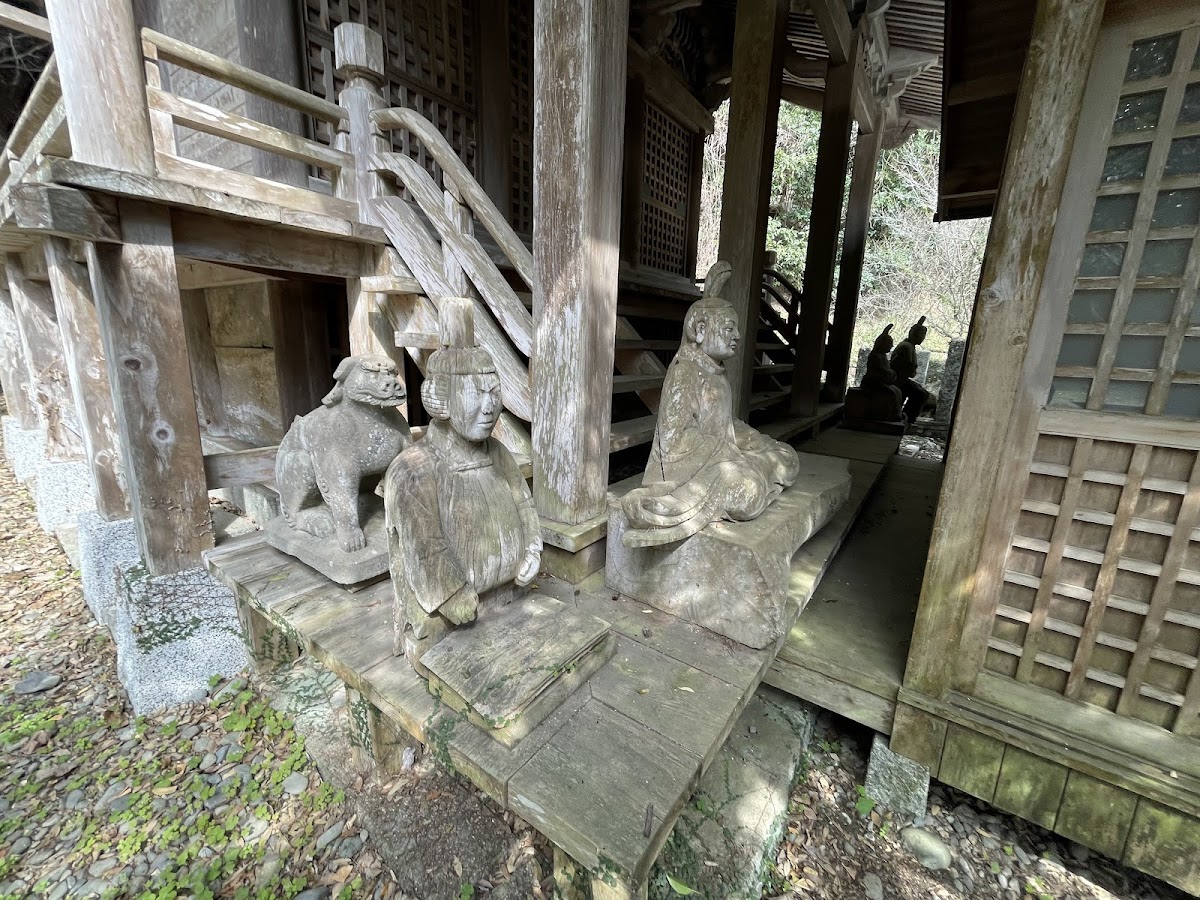
Even after the relocation, Susa Shrine, along with its magnificent stone walls, has maintained the prestige inherited from the Edo period. The current shrine grounds retain stone walls and monuments that tell the story of its long history, conveying the shrine’s origins to visitors.
Highlights of Susa Shrine
Magnificent Stone Walls
The first thing visitors to Susa Shrine see is the magnificent stone walls surrounding the grounds. These walls are a well-known feature of the shrine, and their sturdy construction conveys the shrine’s prestige and historical weight.
The way the stones are stacked and the materials used reveal the high level of craftsmanship at the time of construction. Furthermore, the weathered appearance of the stones, aged over time, is evidence that Susa Shrine has been protected by the local people for many years.
When visiting, be sure to pay attention to these stone walls. The view of the shrine grounds from beyond the stone wall evokes a unique atmosphere characteristic of Susa Shrine.
Remnants of the Domain Office
In Kawara Town, a stone monument and stone wall remain as the site of the domain office, and the area around Susa Shrine is filled with a historical atmosphere. As a shrine revered by samurai during the Edo period, historical sites that retain the atmosphere of that time are scattered throughout the surrounding area.
When visiting Susa Shrine, exploring the surrounding historical spots will allow you to gain a deeper understanding of Kawara’s history.
Annual Events: Gion Festival
Gion Festival in May
The most important of Susa Shrine’s annual events is the Gion Festival, held every May. The Gion Festival is a widely celebrated festival at shrines dedicated to Susanoo-no-Mikoto, and is known as a Shinto ritual to pray for the eradication of disease and good health.
At Susa Shrine’s Gion Festival, the decorated floats are a highlight. These floats are truly spectacular, attracting many worshippers and tourists during the festival.
The decorative floats are adorned with intricate decorations, and their beauty and grandeur are well worth seeing. Carefully crafted by local people, these floats symbolize the transmission of traditional techniques and the unity of the local community.
Significance of the Festival
The Gion Festival is not merely an annual event; it is an important occasion for the community to come together to express gratitude to the gods and pray for future safety and prosperity. This festival, which has continued since the Edo period, remains an important element of Kawara Town’s cultural identity.
During the festival, the shrine grounds are bustling with worshippers, and the entire area is filled with energy. The Gion Festival at Susa Shrine, a fusion of traditional Shinto rituals and the enthusiasm of the local people, is an event you should definitely experience when visiting Kawara Town.
Other Attractions in Kawara Town
When visiting Susa Shrine, we recommend also visiting other tourist spots in Kawara Town.
Kawara Shrine
Besides Susa Shrine, Kawara Town is also home to another important shrine, Kawara Shrine. As recorded in the “Kawara Shrine Chronicle,” Kawara Shrine is a highly revered shrine where Dengyo Daishi Saicho is said to have prayed for success in his journey to Tang China.
A legend remains that after visiting Usa Shrine, Saicho received a divine oracle stating that “a miraculous deity resides in Kawara, in the northeast,” and subsequently visited Kawara Shrine.
Kyushu Olle “Chikuhō-Kawara Course”
Kawara Town is the setting for the Kyushu Olle “Chikuhō-Kawara Course”, a popular spot for trekkers and hikers. Olle is a trekking course originating in Jeju Island, South Korea, allowing participants to enjoy nature and history while walking.
The Chikuhō-Kawara Course allows you to experience the rich nature and culture of Kawara Town while visiting historical sites such as Susa Shrine and Kawara Shrine.
Kawara Town Historical Museum
For those who want to learn more about the history of Kawara Town, a visit to the Kawara Town Historical Museum is highly recommended. Here, exhibits showcase Kawara’s history from ancient times, its copper mining history, and local cultural heritage, allowing for a deeper understanding of the historical background of Susa Shrine.
Kamimabu Park
Kamimabu Park is a park utilizing the remains of former copper mining tunnels. It is an important spot that conveys the history of Kawara Town’s prosperity as a copper producing area, and its value as an industrial heritage site is highly regarded.
Kawara Town’s Local Products
Along with your visit to Susa Shrine, be sure to check out Kawara Town’s local products.
Saidosho Dried Persimmons
Saidosho Dried Persimmons are one of Kawara Town’s representative local products. Made with persimmons produced in the Saidosho area, these dried persimmons are characterized by their natural sweetness and refined flavor, making them a popular souvenir.
Kawara Lotus Rice
Kawara Lotus Rice is rice cultivated using environmentally friendly farming methods that utilize lotus flowers as green manure. Grown in a rich natural environment, Kawara Lotus Rice boasts a good balance of stickiness and sweetness, and is highly regarded locally.
Kawara Wish Bag
Kawara Wish Bag is a charm-like item where you write your wish and carry it with you. Developed as part of Kawara Town’s tourism promotion efforts, it is also popular as a souvenir of a visit to Susa Shrine.
Kawara Town Events
Besides the Gion Festival at Susa Shrine, Kawara Town hosts various events throughout the year.
Kawara Hometown Summer Festival Bon Odori Dance Competition
In the summer, the Kawara Hometown Summer Festival Bon Odori Dance Competition is held, where local residents and tourists enjoy Bon Odori together. In addition to traditional Bon Odori, dances set to modern music are also performed, making it an event that can be enjoyed by all generations.
Furusato Kawara Autumn Festival
In autumn, the Furusato Kawara Autumn Festival is held, featuring sales of local agricultural products and specialties, stage events, and more. This festival, celebrating the harvest season, is an excellent opportunity to experience the rich natural blessings and local culture of Kawara Town.
Manners and Precautions for Visiting the Shrine
When visiting Susa Shrine, please observe the following manners:
- Bow before passing through the torii gate: As a sign of respect before entering the sacred area, bow before the torii gate before entering the grounds.
- Purify at the water basin: Before praying, always purify your hands and mouth at the water basin. The proper procedure is to purify your left hand, then your right hand, then your mouth, and finally your left hand.
- Two bows, two claps, one bow: In front of the main hall, the basic way to pray is to bow twice, clap twice, and then bow once. 4. Please be quiet: Please be quiet within the shrine grounds and be considerate of other worshippers.
- Photography: Photography is generally permitted within the shrine grounds, but it is considered good manners to refrain from taking pictures inside the main hall or during religious ceremonies.
Nearby Accommodation and Dining Information
There are accommodations and restaurants around Kawara Town, allowing you to enjoy a relaxing stay.
Accommodations
There are business hotels and inns in Kawara Town and the neighboring city of Tagawa. If you plan to walk the Kyushu Olle course or visit multiple shrines, staying overnight and enjoying sightseeing at a leisurely pace is recommended.
Restaurants
Kawara Town has restaurants that serve dishes made with local ingredients. You can enjoy regional cuisine from the Chikuhō area and dishes made with fresh agricultural products.
Summary
The Susa Shrine, located in Kawara Town, Tagawa District, Fukuoka Prefecture, is a historical shrine that enshrines Susanoo-no-Mikoto as its main deity. Susa Shrine boasts many attractions, including its impressive stone walls, the reverence it received from the Hosokawa clan, the lords of the Kokura domain during the Edo period, its historical significance as a shrine relocated in 1873, and the spectacular Gion Festival held every May.
Located along the Akizuki Road and easily accessible from JR Kawara Station, Susa Shrine is a recommended spot not only for history buffs but also for hikers enjoying the Kyushu Olle trail and tourists seeking to experience local culture.
When visiting Kawara Town, be sure to pay your respects at Susa Shrine and experience the sacred atmosphere of this shrine with its long history. Visiting the surrounding Kawara Shrine, the Historical Museum, and Kamimabu Park will allow you to gain a deeper understanding of Kawara Town’s rich history and culture.
Don’t forget to try local specialties such as dried persimmons from Saidosho and Kawara lotus rice. Visiting during the Kawara Summer Festival or Autumn Festival will allow you to experience the town’s vibrancy and traditional culture more intimately.
Susa Shrine is a precious spot that represents Kawara Town, where history, culture, nature, and the faith of the local people are all intertwined. When you visit Fukuoka Prefecture, be sure to stop by.