Yamajinja Shrine (Kakishita, Kawara-machi, Fukuoka Prefecture) Complete Guide | History, Deities, Access, and Goshuin Information
Yamajinja Shrine, located in Kakishita, Kawara-machi, Tagawa-gun, Fukuoka Prefecture, is a historical shrine deeply rooted in the local community. This article provides detailed information useful for visitors, including the deities enshrined at Yamajinja Shrine, its history, highlights within the grounds, availability of Goshuin (shrine stamps), and access methods.
Basic Information about Yamajinja Shrine
Yamajinja Shrine is located in the Kakishita area of Kawara-machi, Tagawa-gun, Fukuoka Prefecture, and has long been revered as the local guardian deity. Kawara-machi is located in the northeastern part of Fukuoka Prefecture, in the Chikuhō region, and has been known for limestone mining since ancient times.
Location: Kakishita, Kawara-machi, Tagawa-gun, Fukuoka Prefecture
Shrine Rank: Village Shrine (Former Shrine Rank)
Main Festivals: Spring Grand Festival, Autumn Grand Festival
About the Deities
As the name suggests, Yamajinja Shrines are dedicated to the gods of mountains. Generally, the following deities are enshrined at Yamajinja Shrines:
Oyamatsumi-no-kami
Oyamatsumi-no-kami is the principal deity enshrined at most Yamajinja Shrines. This mountain god appears in the Kojiki and Nihon Shoki, and is considered the supreme deity of all mountains. He has also been worshipped as the guardian deity of agriculture, fishing, mining, and sake brewing.
Konohanasakuya-hime-no-mikoto
She is the daughter of Oyamatsumi-no-kami and is known as the goddess of beauty and safe childbirth. This deity is also famous as the god of Mount Fuji and is often enshrined together with other deities at mountain shrines.
Characteristics of Mountain God Worship
The Chikuhō region, including Kawara Town, was once a thriving coal mining area, and the worship of mountain gods was particularly strong. For those working in mines and coal mines, mountain gods were revered as guardian deities protecting their safety.
History and Origins of Mountain Shrines
Historical Background of Kawara Town
Kawara Town is a historical region with a long history dating back to ancient times, and Mount Kawara, in particular, has been an object of worship since ancient times. Mount Kawara is a mountain consisting of three peaks, and it is believed that in ancient times, immigrants from Silla (ancient Korea) resided there and copper mining took place.
Kakishita District and Mountain Shrines
The Kakishita district is a naturally rich area within Kawara Town, and the mountain shrine has functioned as a spiritual center for the local residents. The exact founding date is unknown, but according to local elders, it has been worshipped since before the Edo period.
Changes Since the Modern Era
Despite being affected by the Meiji-era policy of consolidating shrines, it has continued to exist as the local guardian deity. During the heyday of coal mining in the Showa era, it is said that many worshippers visited to pray for the safety of the mines.
Highlights of the Shrine Grounds
Shrine Building
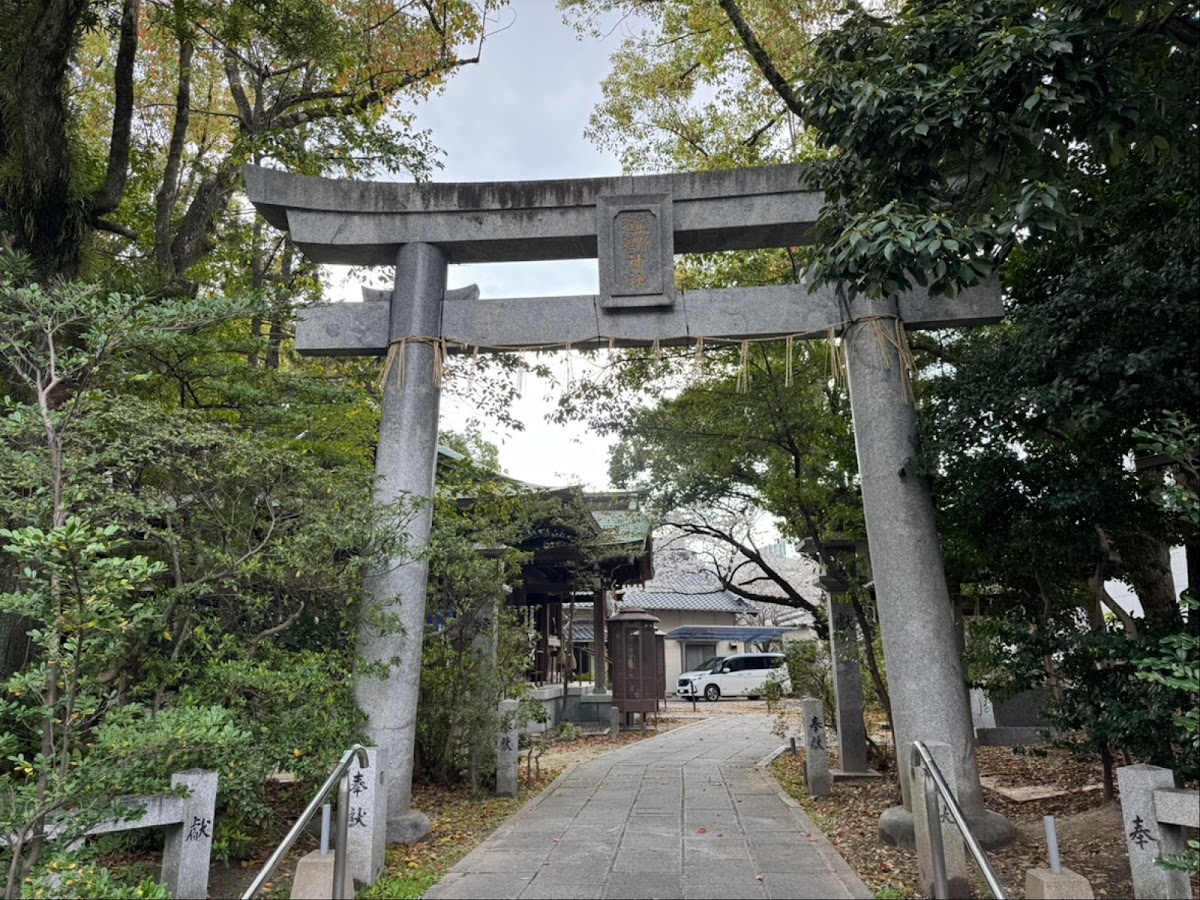
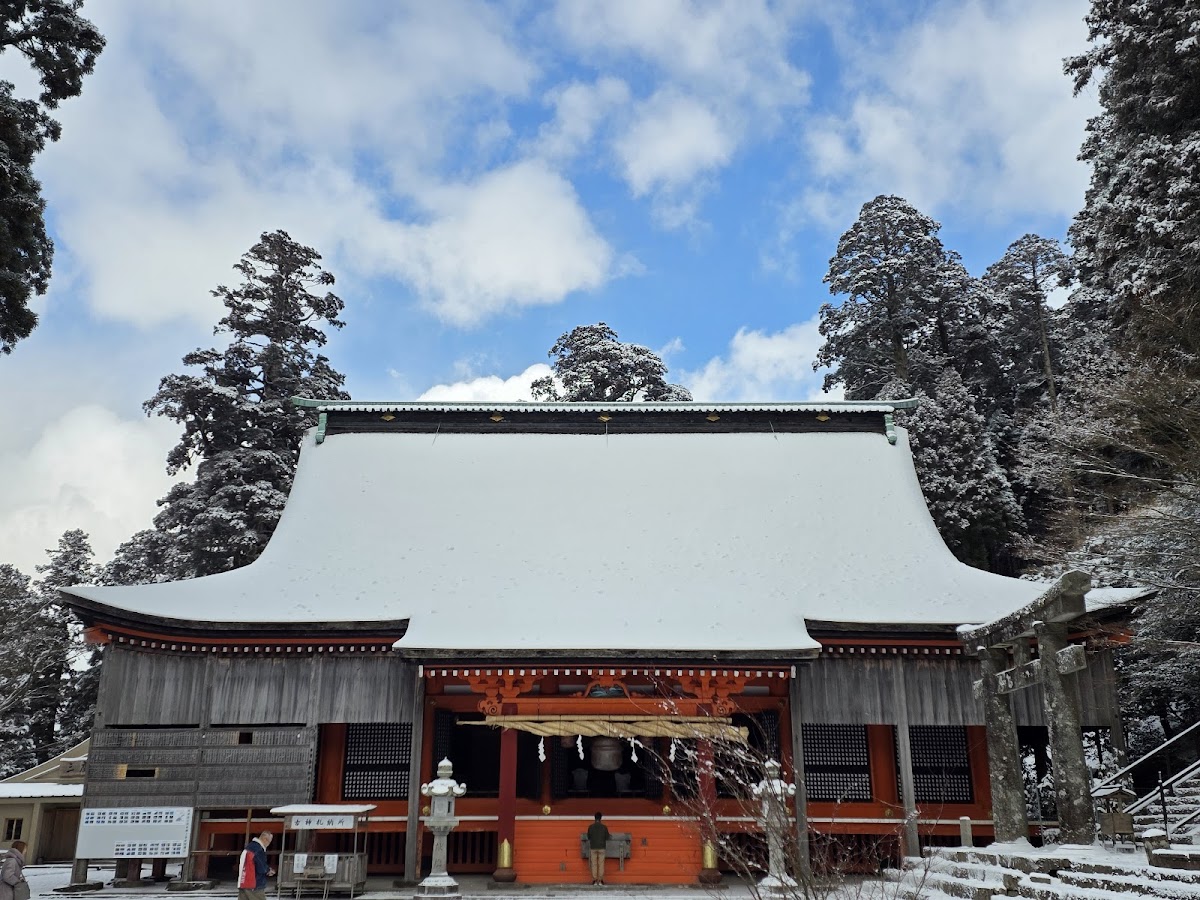
The shrine building of Yamajinja is a simple yet carefully maintained structure. It is cherished and protected by local parishioners, who regularly clean and repair it.
Nature of the Shrine Grounds
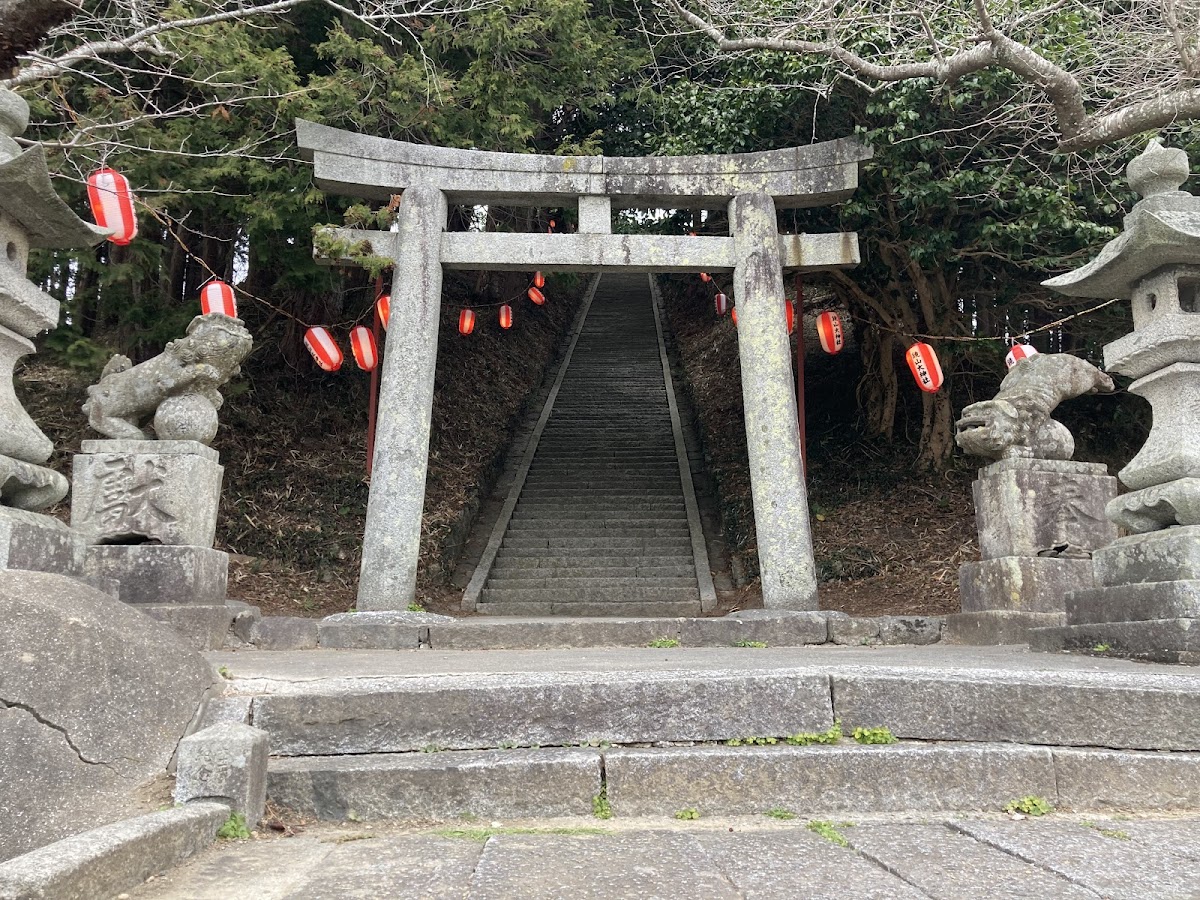
The shrine grounds are surrounded by abundant nature, allowing visitors to enjoy the scenery of each season. The scenery is particularly beautiful during the fresh greenery of spring and the vibrant autumn foliage.
Stone Monuments and Memorials
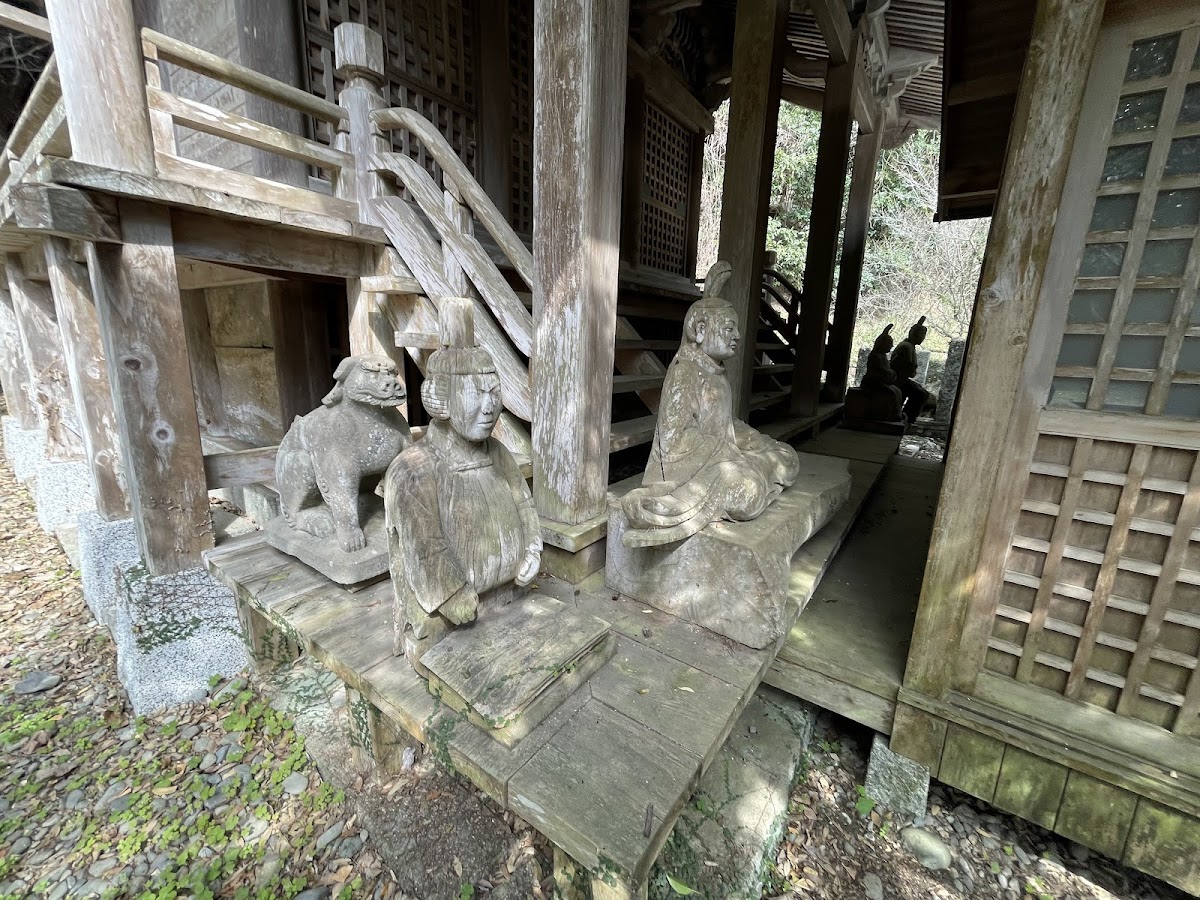
Sometimes, stone monuments and memorials remain on the shrine grounds, telling the history of the region. These are valuable historical materials that convey the history of the faith of the local people.
Annual Events and Festivals
Spring Grand Festival
In spring, the Spring Grand Festival is held to pray for a bountiful harvest. This is an important festival praying for the development of local agriculture and the safety of the residents.
Autumn Grand Festival
In autumn, the Autumn Grand Festival is held to give thanks for the harvest. We express gratitude for the year’s bounty and pray for a good harvest the following year.
Daily Worship
Besides the Grand Festival, local residents visit the shrine daily to pray for family safety and good health.
About Goshuin (Shrine Seals)
Because Yamajinja Shrine is a small shrine, there is a high possibility that there is no resident priest, and prior confirmation is necessary regarding the issuance of Goshuin. Many small shrines in the region have the following policies:
- No Chief Priest: Often managed unattended.
- Partner Shrine: Possibility that the chief priest of a larger nearby shrine also serves here.
- Goshuin Available: In the case of a part-time shrine, it may be possible to obtain a Goshuin at the main shrine.
If you wish to obtain a Goshuin, we recommend contacting the Kawara Town Hall or a nearby shrine.
Access Methods
Access by Car
From Fukuoka City:
- Approximately 40 minutes from the Kyushu Expressway’s “Kokura-Higashi IC” or “Yahata IC”
- Via National Route 201 and Prefectural Route 62 to Kawara Town
From Kitakyushu City:
- Approximately 30 minutes via National Route 322 and Prefectural Route 62
Parking: There may be a few parking spaces on the temple grounds or nearby, but prior confirmation is recommended.
Access by Public Transportation
Nearest Station: JR Hitahikosan Line “Kawara Station”
Access from the Station:
- Walk or take a taxi from Kawara Station
- The distance to the Kakishita area varies depending on your location within the area
- Check the Kawara Town Community Bus schedule for bus services
Note: Public transportation services are limited, so it is recommended to check the timetable in advance.
Nearby Tourist Attractions
Kawara Shrine
A representative shrine of Kawara Town, situated at the foot of Mount Kawara. A venerable shrine with a history dating back to ancient times.
Mount Kawara
A symbolic landmark of Kawara Town, consisting of three peaks. A historical mountain whose shape has been altered by limestone mining.
Around Saidosho Station
Saidōsho is considered one of Japan’s oldest copper mining sites. An area where you can feel the romance of history.
Kawara Roadside Station
A roadside station where you can purchase local specialties and fresh agricultural products. Ideal for taking a break or buying souvenirs.
Manners and Points for Visiting a Shrine
Basic Shrine Visit Etiquette
- Bow before passing through the torii gate: A courtesy before entering the sacred area
- Avoid the center of the approach: The center is considered the path of the gods
- Purify yourself at the water basin: Purify your mind and body before praying
- Two bows, two claps, one bow: The general etiquette for visiting a shrine
Things to Keep in Mind When Visiting a Local Shrine
- Worship quietly: Respect that this is a place of worship for the local people
- Keep the grounds clean: Take your trash with you
- Photography: Do so with moderation
- Be mindful of private property: Areas outside the shrine grounds may be private property
About Kawara Town
Regional Characteristics
Kawara Town is a small town with a population of approximately 10,000, but its charm lies in its long history dating back to ancient times and its rich natural environment. It is known as a region with a particularly large number of historical legacies within the Chikuhō region.
Industry and Culture
- Limestone Industry: Limestone mining continues at Mt. Kawara.
- Agriculture: Agriculture, primarily rice cultivation, is practiced.
- Historical Heritage: Valuable historical sites, such as ancient copper mining sites and burial mounds, are scattered throughout the area.
Transportation Hub
This region has developed as a transportation hub connecting Fukuoka and Oita since ancient times. Even today, it boasts convenient transportation links via National Routes 201 and 322.
How to Enjoy Visiting Yamajinja Shrine
Experiencing the Seasons
Spring (March-May): Enjoy the beautiful fresh greenery and refreshing air during your visit.
Summer (June-August): Experience the coolness of the lush green grounds.
Autumn (September-November): A season of beautiful autumn foliage. Offer a visit to express gratitude for the bountiful harvest.
Winter (December-February): An ideal time for a serene visit to express gratitude for a year of safety.
Combine with Local History Exploration
Visiting Yamajinja Shrine in conjunction with exploring the history of Kawara Town is highly recommended. You can spend time leisurely while feeling the history of Kawara that has continued since ancient times.
Summary
Yamajinja Shrine, located in Kakishita, Kawara Town, Tagawa District, Fukuoka Prefecture, is a historical shrine deeply rooted in the community. While not a large-scale tourist shrine, it is a shrine that has gathered the faith of the local people and has been carefully preserved.
When visiting Kawara Town, be sure to visit Yamajinja Shrine. The time spent calming your mind in the quiet grounds and offering daily gratitude to the mountain gods will surely be a memorable experience.
When visiting, it is important to respect the fact that it is a place of worship for the local people and to observe proper etiquette. Also, for detailed information such as Goshuin (shrine stamps) and festival schedules, it is recommended to inquire with the Kawara Town Hall or nearby shrines in advance.
Enjoy visiting the mountain shrine while experiencing the rich nature and history of Kawara Town.