Susa Shrine (Kakishita, Kawara-machi, Fukuoka Prefecture) Complete Guide | History, Gion Festival, and Access Information
Located in Kakishita, Kawara-machi, Tagawa-gun, Fukuoka Prefecture, Susa Shrine is a historic shrine dedicated to Susanoo-no-Mikoto. Known for its impressive stone walls, historical background, and the decorative floats used in the annual Gion Festival held in May, this shrine has long been a center of local faith. This article provides a detailed overview of Susa Shrine, including its history, highlights, annual events, access methods, and nearby tourist attractions.
Overview and Basic Information of Susa Shrine
Susa Shrine is located in the Kakishita district of Kawara-machi, Tagawa-gun, Fukuoka Prefecture. It enshrines Susanoo-no-Mikoto as its main deity and is revered by local residents as a god of protection against misfortune and disease.
Basic Information
- Location: Kakishita, Kawara-machi, Tagawa-gun, Fukuoka Prefecture (Onigajo)
- Deity Enshrined: Susanoo-no-Mikoto
- Nearest Station: Approximately 13 minutes on foot from JR Hita-Hikosan Line “Kakishita Onsen-guchi Station,” also within walking distance from “Kawara Station”
- Parking: Parking available on the shrine grounds
- Visiting Hours: Open all day
Features of Susa Shrine
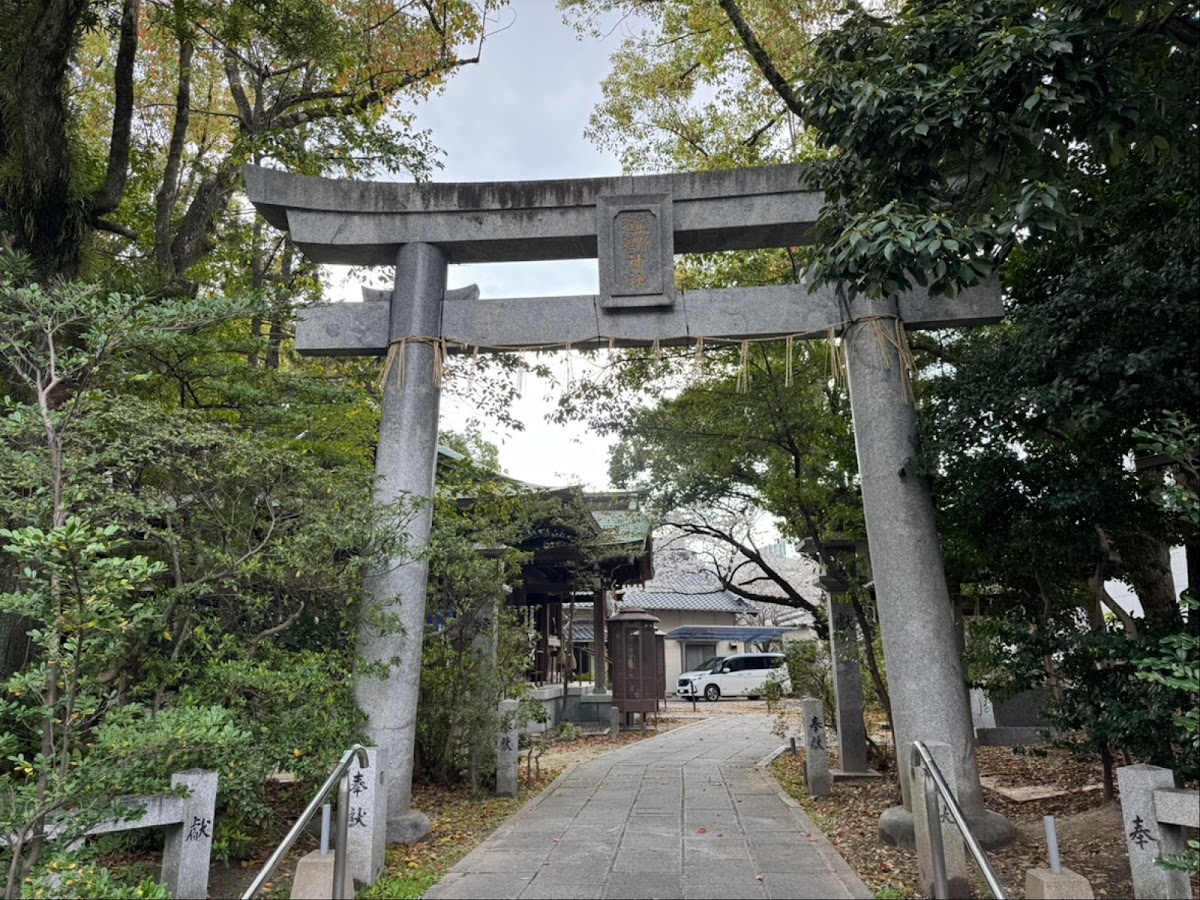
The most distinctive feature of Susa Shrine is the magnificent stone wall surrounding the grounds. This stone wall speaks to the historical value of the shrine and gives visitors a solemn impression. Furthermore, it has a history of being relocated to its current location in Onigajo in 1873 (Meiji 6), and is deeply connected to the history of the region.
History and Origins of Susa Shrine
Reverence in the Edo Period
Essential to understanding the history of Susa Shrine is its connection with the samurai class during the Keicho era of the early Edo period. The first lord of the Kokura Domain, Hosokawa Tadaoki, held the shrine in extremely high esteem and made significant contributions to its maintenance and development.
Hosokawa Tadaoki was a samurai who was active from the Sengoku period to the early Edo period, and is known for his deep knowledge of tea ceremony and culture. The fact that Lord Tadaoki held Susa Shrine in such special faith suggests that it was recognized as a highly sacred shrine even at that time.
Deep Connections with the Hosokawa Family
Of particular note is the relationship with Lord Hosokawa Takayuki, Lord of Kawara Castle and Tadaoki’s younger brother. Lord Takayuki regularly visited Susa Shrine and held it in high esteem as the guardian deity of the region. Kawara Castle was a crucial location in the history of Kawara Town, and the frequent visits of its lord indicate that Susa Shrine was not merely a local shrine, but held significant importance within the samurai society.
Furthermore, it is said that successive heads of the Ogasawara family also held Susa Shrine in high esteem. The Ogasawara family was a daimyo family that ruled Buzen Province, and their devotion speaks to the high status of Susa Shrine.
Relocation in the Meiji Era
In 1873 (Meiji 6), Susa Shrine was relocated to its current location in Onigajo. This relocation occurred amidst the social changes following the Meiji Restoration and represents a significant turning point in the shrine’s history. Even after the relocation, local faith remained unchanged; in fact, the shrine’s presence in its new location became even stronger.
The place name Onigajo is also interesting, suggesting the existence of a castle or defensive structure in this area in the past. The continued presence of the stone walls may be related to this historical background.
Highlights and Spots of Susa Shrine
Magnificent Stone Walls
The first thing that catches your eye when visiting Susa Shrine is the magnificent stone walls surrounding the grounds. These walls not only serve as a boundary, but are also an important structure symbolizing the history and prestige of the shrine.
The structure of the stone walls is a valuable relic that conveys the stonework techniques of the Edo period, and the skill of the craftsmen shines through in the placement of each stone. When you visit the shrine, be sure to pay attention to these stone walls. You will be able to feel the techniques that have been passed down through the ages and the feelings of the people who have continued to protect the shrine.
Stone Monument as the Site of the Domain Office
Around Susa Shrine, a stone monument and stone walls remain as the site of the domain office. This is an important historical site that tells the history of Kawara Town, indicating that this area was once the center of politics and administration.
The stone monument is inscribed with records and origins from that time, making it a must-see spot for history enthusiasts. It is also a valuable opportunity to learn about the local history in conjunction with visiting the shrine.
Atmosphere of the Shrine Grounds
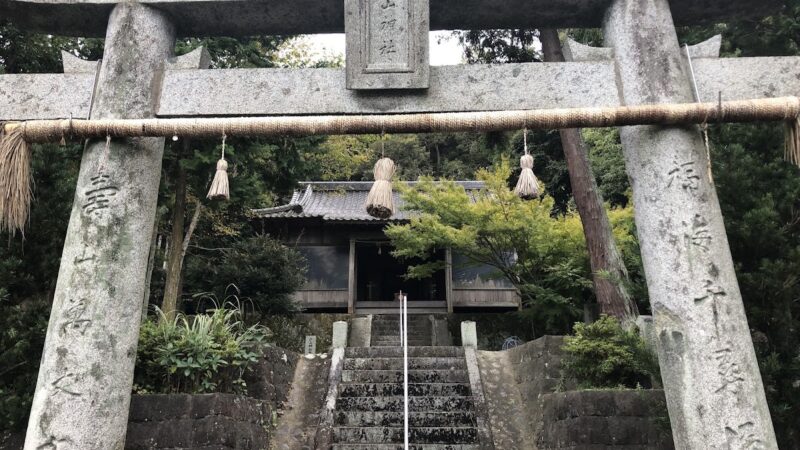
The grounds of Susa Shrine are enveloped in a tranquil and peaceful atmosphere. Located in a mountainous area far from the hustle and bustle of the city, you can enjoy a leisurely visit while listening to the sounds of nature.
You can also enjoy the changing seasons: fresh greenery in spring, deep green in summer, vibrant autumn leaves, and a crisp, clean air in winter. This shrine is especially recommended for those who wish to visit in a calm and peaceful setting.
Gion Festival at Susa Shrine
Gion Festival in May
The most important annual event at Susa Shrine is the Gion Festival, held every May. This festival is a traditional event unique to a shrine dedicated to Susanoo-no-Mikoto, and is deeply rooted in the community as a festival to pray for the eradication of disease and a bountiful harvest.
While the Gion Festival is best known at Yasaka Shrine in Kyoto, similar festivals are held at shrines throughout Japan that enshrine Susanoo-no-Mikoto, and the Gion Festival at Susa Shrine also carries on this tradition.
Decorated Floats
The highlight of the Gion Festival at Susa Shrine is the decorated floats (yamahoko). These floats are adorned with magnificent and opulent decorations, featuring figures depicting scenes from mythology and history. Their exquisite craftsmanship and beautiful colors overwhelm viewers, attracting many spectators every year.
The creation of these floats involves the cooperation of local artisans and residents, with preparations taking several months. The completed floats are displayed on the shrine grounds and throughout the town during the festival, and are cherished as a source of local pride.
The Significance of the Festival
The Gion Festival is not merely a tourist event; it is also an important opportunity to deepen the bonds of the local community. From the preparations to the operation of the festival on the day itself, the involvement of many residents fosters intergenerational exchange and contributes to the preservation of traditional culture.
Susanoo-no-Mikoto is worshipped as the god who wards off epidemics, and especially in recent social circumstances, the meaning of this belief has been re-examined. Through the Gion Festival, the prayers of people for health and peace continue to be passed down.
How to Access Susa Shrine
Access by Train
When visiting Susa Shrine by public transport, the JR Hita-Hikosan Line is convenient.
- Approximately 13 minutes on foot from Kakishita-Onsen-guchi Station
- Also accessible on foot from Kawara Station (approximately 15-20 minutes)
Both stations are relatively close, making it possible to visit on foot. The walk from the station to the shrine allows you to enjoy the nature and townscape of Kawara Town.
Access by Car
When visiting by car, the following route is convenient.
- From Fukuoka City: Take the Kyushu Expressway, exit at Kokura-Higashi IC or Yahata IC, and travel via National Route 322 for approximately 1 to 1.5 hours.
- From Kitakyushu City: Head south on National Route 322 for approximately 40 to 50 minutes.
- From Oita: Take National Route 10 and then National Route 322 for approximately 1 hour.
There is parking space on the shrine grounds, but congestion is expected during events such as the Gion Festival, so early arrival is recommended.
Relationship with Akizuki Kaido
Susa Shrine is located along the historic Akizuki Kaido. The Akizuki Kaido was a road developed during the Edo period, serving as an important transportation route connecting Kokura and Akizuki (present-day Asakura City, Fukuoka Prefecture). Historical sites and buildings are scattered along this road, and Susa Shrine is one of them, preserving the history of the road to this day.
Tourist Attractions Around Susa Shrine
When visiting Susa Shrine, we recommend also exploring other attractive spots in Kawara Town.
Kawara Shrine
Kawara Shrine is one of the representative shrines of Kawara Town. It is a historically significant shrine, believed to enshrine the gods of the Silla Kingdom since ancient times, and there is a legend that Dengyo Daishi Saicho visited it during his trip to Tang China. It has deep ties to Usa Shrine and occupies an important position as the center of faith in the Kawara region.
Kamimabu Park
The history of the copper mine is essential to understanding the history of Kawara Town. Kamimabu Park is a park developed from the remains of a former copper mine, and is a facility of high value as an industrial heritage site. You can learn about the history of mining in Kawara Town.
Kawara Town Historical Museum
For those who want to learn more about the history and culture of Kawara Town, a visit to the Kawara Town Historical Museum is recommended. It exhibits local archaeological discoveries, historical materials, and folk materials, allowing you to gain a deeper understanding of the historical background of Susa Shrine. ### Kyushu Olle “Chikuhō-Kawara Course”
For those who want to experience the charm of Kawara Town in a healthy way, the Kyushu Olle “Chikuhō-Kawara Course” is highly recommended. This course is an introduction to the trekking course originating in Jeju Island, South Korea, and allows you to enjoy walking through the nature and history of Kawara Town. Susa Shrine is also included as one of the highlights along the course.
Saidōsho Dried Persimmons
A well-known specialty of Kawara Town is “ama-boshi-gaki” (dried persimmons) made in the Saidōsho area. Made using the local climate and traditional methods, these dried persimmons are characterized by their natural sweetness and soft texture, making them a popular souvenir.
Kawara Lotus Rice
In Kawara Town, rice is grown using environmentally friendly farming methods that utilize lotus flowers as green manure. “Kawara Lotus Rice” is highly regarded as safe and delicious rice due to its cultivation method that reduces chemical fertilizers.
Kawara Wish Bag
The “Kawara Wish Bag,” filled with specialty products from Kawara Town, is a product that allows you to easily enjoy the charm of the region. It contains local agricultural products and processed goods, allowing you to experience the rich food culture of Kawara Town.
Kawara Town Events and Festivals
Kawara Hometown Summer Festival Bon Odori Dance Competition
As a summer tradition, Kawara Town holds the “Kawara Hometown Summer Festival Bon Odori Dance Competition.” This event brings together local residents to enjoy traditional Bon Odori dancing, with lights and music enveloping the entire town and illuminating the summer night.
Kawara Hometown Autumn Festival
In autumn, the “Kawara Hometown Autumn Festival” is held, sharing the joy of the harvest. Local agricultural products are sold, regional cuisine is served, and stage events are held, attracting many visitors.
These events, along with the Gion Festival of Susa Shrine, are pillars of Kawara Town’s annual events and greatly contribute to the revitalization of the local community. ## Manners and Etiquette for Visiting a Shrine
When visiting Susa Shrine, please observe basic shrine visiting etiquette.
Basic Etiquette for Visiting a Shrine
- Bow before passing through the torii gate: As a greeting before entering the sacred area, bow before the torii gate.
- Walk along the edge of the path: The center of the path is considered the path of the gods, so it is proper etiquette to walk along the edge.
- Purify yourself at the water basin: If there is a water basin, purify your left hand, then your right hand, then your mouth.
- Worship at the main hall: The basic ritual is two bows, two claps, and one bow.
Regarding Photography
Photography is generally permitted on the shrine grounds, but there may be restrictions during festivals or special events. Also, please be considerate of other visitors.
The Faith and Benefits of Susa Shrine
About Susanoo-no-Mikoto
Susanoo-no-Mikoto, the enshrined deity of Susa Shrine, is an important god appearing in Japanese mythology. Known as the younger brother of Amaterasu-Omikami, he is famous for the myth of slaying the Yamata-no-Orochi (eight-headed serpent).
While Susanoo-no-Mikoto is sometimes depicted as a fierce god, he is also worshipped as a god of protection against misfortune, disease, and agriculture. He is particularly believed to have the power to ward off disease and is revered throughout Japan as a central deity of Gion worship.
Expected Benefits
The main benefits you can expect from visiting Susa Shrine are as follows:
- Protection from Evil and Disaster: Susanoo-no-Mikoto’s powerful energy will ward off disasters.
- Prayer for Protection from Epidemics and Good Health: Protects you from illness and disease.
- Safety for the Family: Protects the peace and well-being of your family.
- Abundant Harvest: Prays for prosperity in agriculture and business.
- Matchmaking: Susanoo-no-Mikoto is also the god who married Kushinadahime-no-Mikoto.
History and Culture of Kawara Town
Origins of Kawara Town
Kawara Town is located in Tagawa District, in the eastern part of Fukuoka Prefecture. It has flourished since ancient times as a transportation hub and developed as a post town along the Akizuki Road. The town name “Kawara” is an ancient place name, derived from the distinctive mountain Kawara-dake.
History of Mines
The history of mines is indispensable when discussing the history of Kawara Town. In particular, copper mining has been carried out in the Saidosho district since ancient times, and there is a legend that copper from this area was used in the casting of the Great Buddha of Nara. Mining flourished from the Edo period to the Showa period, supporting the town’s economy.
Cultural Properties and Historic Sites
Kawara Town has many historical shrines, temples, and historical sites, including the Susa Shrine. These are valuable cultural heritage sites that convey the history of the region to the present day, allowing visitors to feel the rich history of Kawara Town.
Summary
The Susa Shrine, located in Kakishita, Kawara Town, Fukuoka Prefecture, is a venerable shrine with magnificent stone walls and a deep history. In the early Edo period, it was revered by the Hosokawa family, and since its relocation to its current location in Onigajo in 1873, it has been cherished as a center of faith in the region.
The decorative floats of the Gion Festival, held every May, are breathtakingly beautiful, captivating many worshippers and tourists. As a shrine dedicated to Susanoo-no-Mikoto, many people visit seeking protection from misfortune and disease.
With its convenient access—approximately a 13-minute walk from Kakishita Onsen-guchi Station on the JR Hita-Hikosan Line—and on-site parking, it’s easily accessible by both train and car. The surrounding area boasts numerous facilities where you can experience the history and culture of Kawara Town, including Kawara Shrine, Kamimabu Park, and the Kawara Town Historical Museum.
You can also enjoy local specialties such as dried persimmons from Saidosho and Kawara lotus rice while walking the Kyushu Olle “Chikuhō-Kawara Course.” Events such as the Kawara Summer Festival Bon Odori Dance and the Kawara Autumn Festival are held throughout the year, allowing you to experience the charm of Kawara Town.
This spot is recommended not only for history buffs but also for those seeking peace of mind in a quiet, natural environment and those who want to experience traditional festivals. When visiting Fukuoka Prefecture, be sure to visit Susanoo-no-Mikoto in Kawara Town. Within the temple grounds, surrounded by magnificent stone walls, you can feel the weight of faith and history that has been passed down through the ages.