Complete Guide to Furumiya Hachiman Shrine (Fukuoka Prefecture) | History, Benefits, Access, and Highlights Explained in Detail
Furumiya Hachiman Shrine, located in Fukuoka Prefecture, is a venerable shrine deeply intertwined with the history of the region. This article provides detailed information you should know before visiting, including the historical background, benefits, highlights within the shrine grounds, how to worship, and access information.
What is Furumiya Hachiman Shrine?
Furumiya Hachiman Shrine is a shrine based on Hachiman worship located in Fukuoka Prefecture. Hachiman, whose principal deity is Emperor Ojin, is worshipped nationwide as the god of military fortune and victory. The name “Furumiya” indicates that the shrine has been located in this area since ancient times, and it has played an important role as a historical center of the region.
About Hachiman Worship
Hachiman worship is one of the representative Shinto beliefs that spread throughout Japan. The principal deity, Emperor Ojin (Homudawake no Mikoto), was an ancient emperor and has been revered as a god of war. Hachiman, the god of war, was particularly revered in samurai society and is also known as the tutelary deity of the Minamoto clan.
Furumiya Hachiman Shrine inherited this traditional Hachiman faith and has long been revered as a guardian deity of the region.
History and Origins of Furumiya Hachiman Shrine
Origin of Founding
The founding date of Furumiya Hachiman Shrine is detailed in local traditions and historical documents. As the name “Furumiya” (古宮) suggests, it is considered one of the oldest shrines worshipped in this region.
From the medieval to the early modern period, it attracted the faith of local samurai and commoners, occupying an important position as the guardian shrine of the village. It was especially cherished by those engaged in agriculture and fishing as a place to pray for bountiful harvests and safe voyages.
Historical Changes
During the Edo period, it established a firm position as the local tutelary deity, and regular festivals were held. Even during the Meiji era’s shrine system reforms, it was recognized as an important shrine in the region and has been preserved to this day.
Even during the post-war reconstruction period, it functioned as a spiritual pillar of the local community, serving as a place to deepen the bonds among residents through festivals and annual events.
Deities and Benefits
Main Deities
The main deities of Furumiya Hachiman Shrine are as follows:
- Emperor Ōjin (Homudawake no Mikoto): The 15th Emperor, worshipped as the god of military fortune
- Empress Jingū (Okinagatarashihime no Mikoto): The mother of Emperor Ōjin, the goddess of safe childbirth and child-rearing
- Hime Ōkami (Munakata Three Goddesses): Goddesses of maritime safety and traffic safety
These deities form the core of Hachiman worship, and each is believed to bring different benefits.
Main Benefits
The main benefits that can be received at Furumiya Hachiman Shrine are as follows:
- Good Fortune in Competitions and Victory: Due to Emperor Ojin’s character as a god of war, you can pray for success in all kinds of competitions, such as passing exams, sports competitions, and business prosperity.
- Protection from Misfortune and Disaster: As a guardian deity of the region, it is believed to have the power to protect you from various calamities.
- Safe Childbirth and Child-Rearing: Due to the legend that Empress Jingu safely gave birth to Emperor Ojin here, many worshippers visit to pray for safe childbirth and the healthy growth of their children.
- Family Safety: It is a popular place to pray for the health and happiness of family members and for harmony in the home.
- Traffic Safety: With the protection of Hime-no-Okami, you can pray for safe travel on land and sea.
- Abundant Harvest and Business Prosperity: This shrine is revered as a guardian deity of regional industrial development, and worshippers pray for the prosperity of agriculture and commerce.
Highlights of the Shrine Grounds
Main Hall and Worship Hall
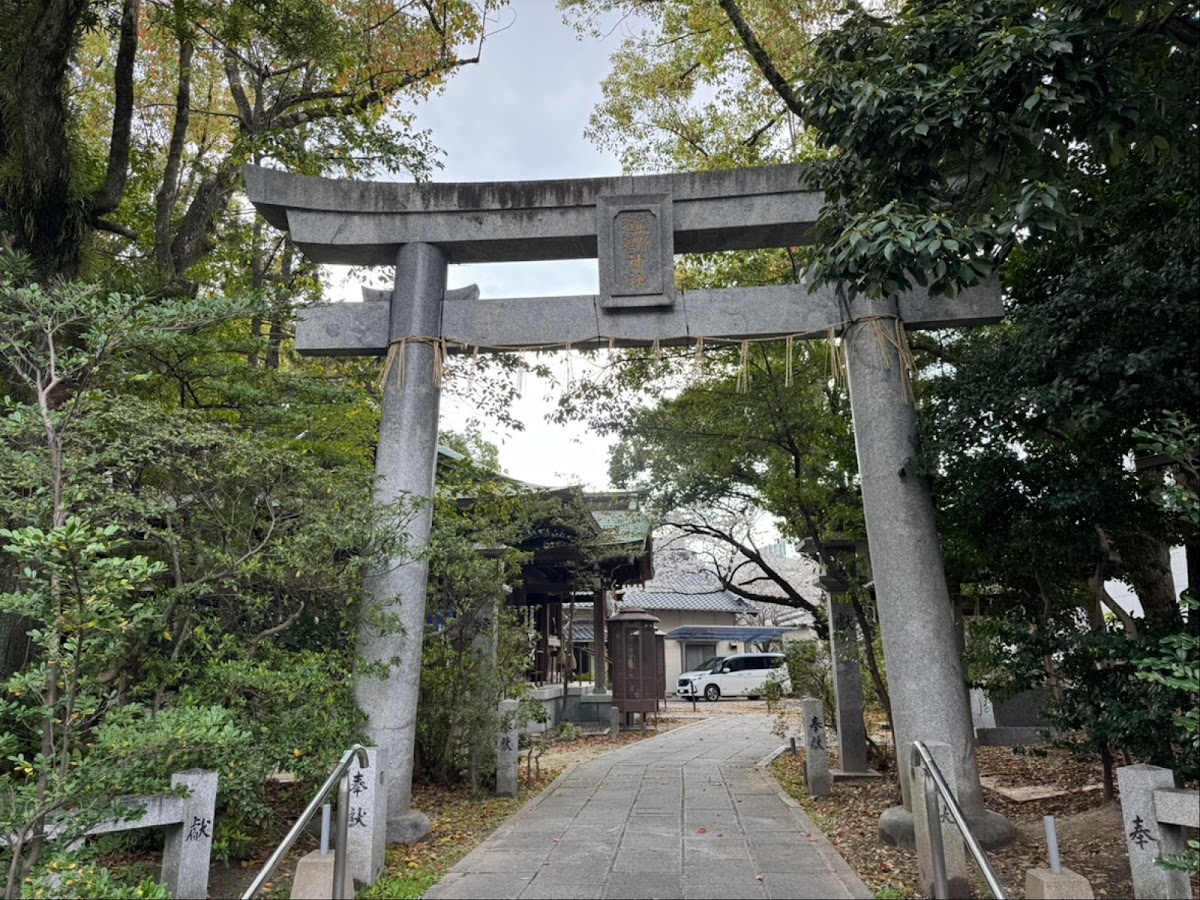
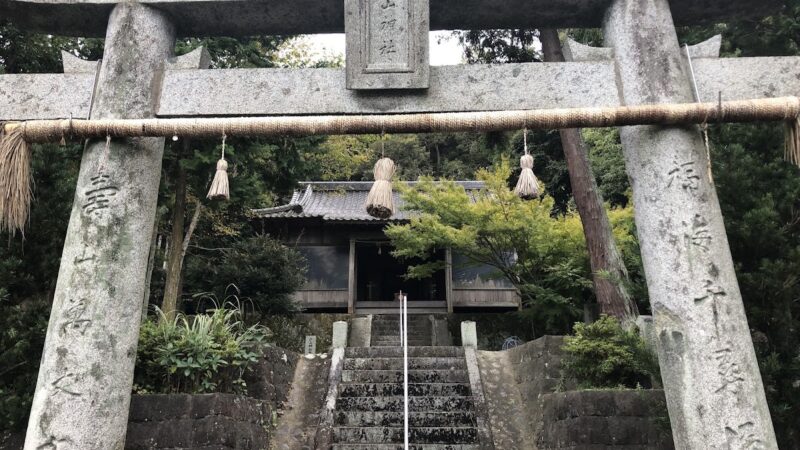
The main hall of Furumiya Hachiman Shrine is a valuable structure that preserves traditional shrine architecture. Daily worship and prayers are performed in the worship hall, allowing visitors to face the deities in a solemn atmosphere.
The architectural style reflects regional characteristics, and the detailed carvings and decorations are worth paying attention to.
Subsidiary Shrines
Several subsidiary shrines (absent shrines and minor shrines) are enshrined around the main hall. These small shrines enshrine deities associated with the region or deities that grant specific blessings. It is believed that visiting these shrines along with the main hall will grant a wider range of blessings.
Sacred Trees and Nature
The shrine grounds welcome visitors with ancient sacred trees and the changing seasons of nature. Large trees, in particular, are revered as sacred and are attracting attention as a power spot.
The shrine grounds, which show different expressions with each season—cherry blossoms in spring, fresh greenery in summer, autumn leaves in fall, and a tranquil atmosphere in winter—offer a sense of peace to visitors.
Water Basin
The water basin, where one purifies their mind and body before worship, is also an important facility on the shrine grounds. By purifying one’s hands and mouth with the correct etiquette, one can show respect to the gods.
Annual Events and Festivals
Grand Festival
At Furumiya Hachiman Shrine, various festivals are held throughout the year. Among them, the Grand Festival is the most important event, attracting many worshippers and local residents.
The Grand Festival includes a procession of portable shrines, dedication ceremonies, and the dedication of Kagura (sacred dance), providing a valuable opportunity to pass on the region’s traditional culture. During the festival, stalls line the shrine grounds, creating a lively atmosphere.
First Shrine Visit of the New Year
The first shrine visit of the New Year is an important event to pray for safety and happiness throughout the year. From New Year’s Day to the third day, many worshippers visit to pray for good fortune in the new year.
Within the shrine grounds, sweet rice wine is served, and amulets and protective arrows are distributed, creating a festive atmosphere befitting the New Year.
Shichi-Go-San Festival
In November, the Shichi-Go-San festival takes place. This traditional event expresses gratitude for the healthy growth of children aged three, five, and seven, and prays for their future happiness.
Children in their finest attire adorn the shrine grounds, creating a place for families to create precious memories.
Other Annual Events
- Setsubun Festival: Bean-throwing ceremonies are held on Setsubun in February to pray for protection against evil.
- Summer Purification Ceremony: A Shinto ritual is held at the end of June to purify and cleanse away the impurities accumulated over the past six months.
- Monthly Festival: A regular monthly festival where gratitude and prayers are offered.
Goshuin (Shrine Seals), Amulets, and Other Items
Goshuin (Shrine Seals)
At Komiya Hachiman Shrine, goshuin are given as proof of worship. Goshuin are precious mementos with the date of visit, the shrine’s name, and the shrine’s crest written in ink and stamped with a red seal.
You can bring your own goshuincho (seal book) or have it stamped in a goshuincho provided by the shrine. Collecting goshuin has become increasingly popular in recent years and is one of the joys of visiting shrines.
Amulets and Souvenirs
The shrine’s gift shop offers a variety of amulets and souvenirs:
- Victory Amulet: An amulet for praying for success in exams or victory in competitions.
- Safe Childbirth Amulet: An amulet for praying for safe childbirth and the health of mother and child.
- Traffic Safety Amulet: An amulet for safety when driving or cycling.
- Exorcism Amulet: An amulet for those in their unlucky year or those seeking protection from misfortune.
- Academic Success Amulet: An amulet for praying for academic improvement and the bestowal of wisdom.
- Family Safety Amulet: An amulet for protecting the health of family members and peace in the home.
Other items such as ema (votive tablets), omikuji (fortune slips), and hamaya (demon-repelling arrows) are also available.
How to Worship and Etiquette
Basic Worship Etiquette
Knowing the correct worship etiquette at a shrine will allow for a more heartfelt visit:
- Passing Through the Torii Gate: Bow before entering the shrine grounds. Walk along the edge of the path leading to the shrine, as the center is considered the path of the gods.
- Purifying at the Water Basin:
- Hold the ladle in your right hand and purify your left hand.
- Switch the ladle to your left hand and purify your right hand.
- Switch the ladle back to your right hand, receive water in your left hand, and rinse your mouth.
- Purify your left hand again.
- Hold the ladle upright, purify the handle, and return it to its original position.
- Worship at the Main Hall:
- Place your offering in the offering box.
- Ring the bell if there is one.
- Bow twice, clap twice, and bow once (bowing deeply twice, clapping twice, bowing deeply once).
- Quietly recite your wish in your heart.
- Departure: After exiting the torii gate, turn around and bow once.
Attire and Manners for Visiting the Shrine
- Clean, understated clothing is preferable.
- Remove hats and sunglasses in front of the main hall.
- Please be quiet and considerate of other visitors on the shrine grounds.
- Photography is only permitted in designated areas.
- Please check in advance regarding bringing pets.
Access and Transportation Information
Location
For the exact location of Furumiya Hachiman Shrine, please check the specific city/town name and address within Fukuoka Prefecture in advance.
Access by Public Transportation
The following are ways to access the shrine from the nearest station:
- By Train: Accessible on foot or by bus from the nearest station. It is recommended to check the travel time and route from the station to the shrine in advance.
- By Bus: Within walking distance from the nearest bus stop. Checking the bus timetable in advance is recommended.
Access by Car
- By Expressway: Access via general roads from the nearest interchange.
- Car Navigation Settings: You can search by shrine name or address.
- Parking: Parking for visitors may be available on the shrine grounds or nearby. Since the number of vehicles may be limited, please consider using public transportation during festivals and other special occasions.
Visiting Hours
- Shrine Grounds Visiting: Generally open all day (lighting may be limited at night)
- Shrine Office/Amulet Shop: Usually 9:00 AM to 5:00 PM (may vary depending on the season)
- Prayer Request Reception: Advance reservations may be required, so we recommend contacting the shrine office.
Nearby Tourist Attractions
Nearby attractions to visit in conjunction with your visit to Furumiya Hachiman Shrine:
Historical Sites
Fukuoka Prefecture has many historical sites. Near Furumiya Hachiman Shrine, there may be castle ruins, ancient tombs, and historical buildings scattered around. Understanding the local history will deepen your understanding of the shrine.
Nature and Parks
Visiting nearby nature parks and scenic spots allows you to refresh yourself while enjoying sightseeing. There may be spots nearby where you can enjoy nature in all four seasons.
Gourmet Food & Souvenirs
Enjoying local specialty dishes and products is a highlight of any trip. Fukuoka Prefecture boasts a wealth of nationally renowned cuisine, including mentaiko (spicy cod roe), ramen, and motsunabe (offal hot pot). Why not savor the local food culture after your visit?
The Charm of Furumiya Hachiman Shrine
The Heart of the Community
Furumiya Hachiman Shrine is not merely a tourist spot; it’s a place of faith deeply rooted in the lives of local residents. Through festivals and annual events, it fosters intergenerational exchange and strengthens community bonds.
The Weight of History
As its name “Furumiya” (meaning “old shrine”) suggests, this shrine has a long history and has witnessed the changes in the region. Standing on the grounds, you can feel the history of the faith of our ancestors.
Peace of Mind
In today’s increasingly urbanized world, shrines offer precious spaces of tranquility. Spending time on the grounds of Furumiya Hachiman Shrine provides an opportunity to escape the hustle and bustle of everyday life and find peace of mind.
Precautions When Visiting the Shrine
Consideration of Weather
- Be careful as the ground can be slippery in rainy weather.
- In summer, prepare a hat and water to prevent heatstroke.
- In winter, don’t forget to dress warmly.
Peak Seasons
The shrine is especially crowded during New Year’s, the annual festival, and the Shichi-Go-San season. We recommend visiting with plenty of time to spare.
Inquiries
For inquiries regarding prayer reservations, event schedules, parking availability, etc., please contact the shrine in advance to ensure a smooth visit.
Summary
Furumiya Hachiman Shrine is a shrine with a long history and tradition, serving as a center of Hachiman worship in Fukuoka Prefecture. Many worshippers from both within and outside the region visit seeking various blessings, including good fortune in competitions, safe childbirth, and protection from evil.
The shrine offers many elements worth visiting, such as the solemn atmosphere of the grounds, the changing seasons, and traditional festivals. By observing the correct etiquette for worship and praying with sincerity, you will feel the blessings of the gods.
When you visit Fukuoka Prefecture, be sure to visit Furumiya Hachiman Shrine and experience its history and charm. It will be a valuable opportunity to experience the depth of the region’s culture and faith.
Through worship, you will gain peace of mind and deepen your understanding of the region’s history and culture, making for a more fulfilling experience. We hope that Furumiya Hachiman Shrine will be a place that brings happiness and success to your life.