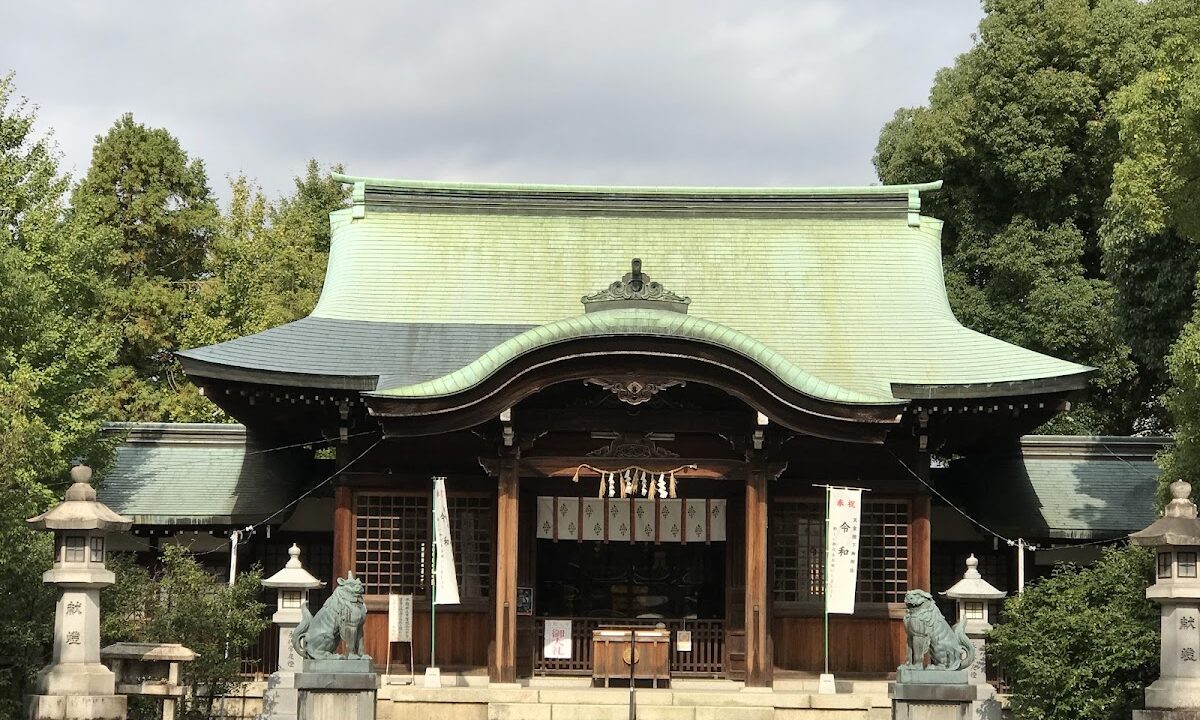
Mizobata Shrine (Gifu Prefecture) Complete Guide | History, Goshuin (Shrine Seal), Access, and the Charm of the Annual Festival
Located in the heart of Gifu City, within walking distance of Meitetsu Gifu Station, Mizobata Shrine is a historic shrine known for its blessings of protection against disease and misfortune. Also known as “Chokoku Shrine,” its annual lantern festival in July is a beloved summer tradition in Gifu. This article provides detailed information useful for visiting the shrine, from its history and goshuin (shrine seal) to access methods and highlights of the annual festival.
About Mizobata Shrine (Chokoku Shrine)
Mizobata Shrine is located in Mizobata-cho 3-chome, Gifu City, Gifu Prefecture. Its former shrine rank was Village Shrine, Silver Coin Shrine. It enshrines Susanoo-no-Mikoto as its main deity and has also been worshipped as Gozu Tenno. This shrine boasts relatively spacious grounds for an urban shrine, and is characterized by its tranquil atmosphere with Mount Kinka as a backdrop.
Affectionately known as “Mizobata-san” by locals, it attracts many worshippers seeking protection from disease, warding off evil, and praying for good health. Despite its location in the heart of Gifu City, stepping onto the shrine grounds offers a peaceful space that makes you forget the hustle and bustle of the city.
History of Mizobata Shrine
Origin of Founding
While there are various theories regarding the founding date of Mizobata Shrine, tradition suggests it dates back to the second year of Emperor Yomei’s reign (586 AD). At that time, a plague was rampant in the region, causing suffering to many people. Prayers were offered to Susanoo-no-Mikoto for the eradication of the plague, and when the plague subsided, a miraculous response was observed. In gratitude, the shrine was built.
Because of this history, Mizohata Shrine has been revered by local people since ancient times as a shrine for warding off disease and misfortune. Susanoo-no-Mikoto is a heroic god in Japanese mythology who defeated the Yamata no Orochi (eight-headed serpent), and is widely worshipped as a god with the power to ward off disease and disaster.
Alternate Name: Hajime Shrine
Mizohata Shrine is also known by the alternative name “Hajime Shrine.” This name is said to have meaning related to the beginning and founding of Japan, and indicates the high status of the shrine. Both names are used locally, and the “Hajime Shrine” stamp is sometimes found on the shrine’s official seal.
History Since the Modern Era
During the Meiji era, it was ranked as a village shrine under the shrine system and was also recognized as a Silver Coin Shrine. During World War II, because Gifu was a center of the aircraft industry, it played an important role as a place to enshrine the spirits of the pilots who perished in the war.
Even after the war, it has continued to be cherished by many people as the local guardian shrine and a valuable place of worship in the heart of Gifu City. In recent years, with the rise of the goshuin (shrine stamp) boom, many worshippers have come from both within and outside the prefecture.
Goshuin and Goshuincho (stamp books)
Regular Goshuin
At Mizohata Shrine, you can receive a goshuin at the shrine office. The goshuin features the calligraphy of “Mizohata Shrine” or “Chokoku Shrine” and is stamped with the shrine’s seal. It is characterized by its simple yet powerful calligraphy and is a popular memento of the visit.
The offering fee for a goshuin is usually around 300 to 500 yen. The shrine office is generally open from 9:00 to 17:00, but this may change during religious ceremonies and events, so it is recommended to check in advance if you wish to be sure to receive one.
Limited Edition Goshuin
One of the major attractions of Mizohata Shrine is its variety of limited edition goshuin. The following types are particularly popular: Full Moon Limited Edition Goshuin
Since July 2018, the limited-edition goshuin (temple/shrine stamp) available only on full moon nights features a beautiful design inspired by the moon. It is given out on the full moon day according to the lunar calendar, and different designs are sometimes available seasonally. Many visitors come from far and wide to experience the special opportunity to receive this limited-edition goshuin along with visiting the shrine on a full moon night.
Airplane/Fighter Jet Goshuin
Because Mizohata Shrine enshrines the spirits of pilots who perished in the war, goshuin featuring fighter planes such as the Zero fighter are also offered. These goshuin, depicting aircraft illustrations, attract attention not only for their historical significance but also for their high design quality. They are popular with aircraft enthusiasts and those interested in war history.
Seasonal Limited Edition Goshuin
In addition, seasonal limited-edition goshuin are sometimes offered during the annual festival, New Year’s, and other times. The latest information on limited-edition goshuin can be found on the shrine’s official social media accounts and visitor blogs.
Original Goshuincho (Stamp Book)
Mizohata Shrine offers its own original goshuincho (stamp book). Designed with the shrine’s symbolic motifs and landscapes of Gifu, these beautiful goshuincho are perfect as a memento of your visit and as your first goshuin stamp collection.
Shrine Grounds and Cultural Properties
Main Hall and Worship Hall
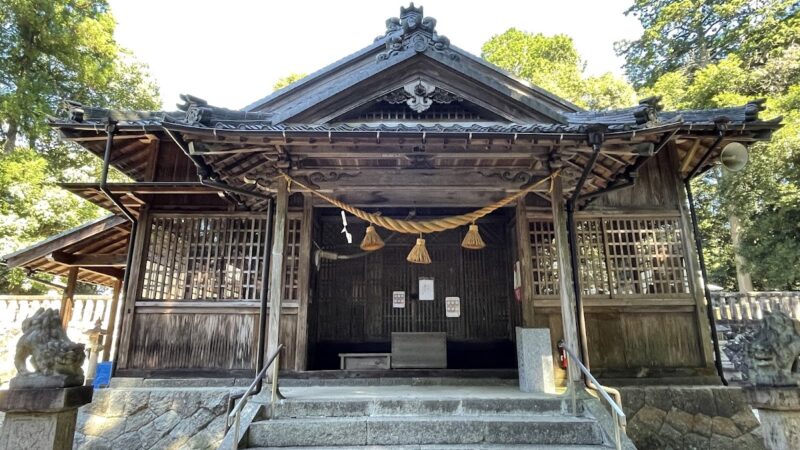
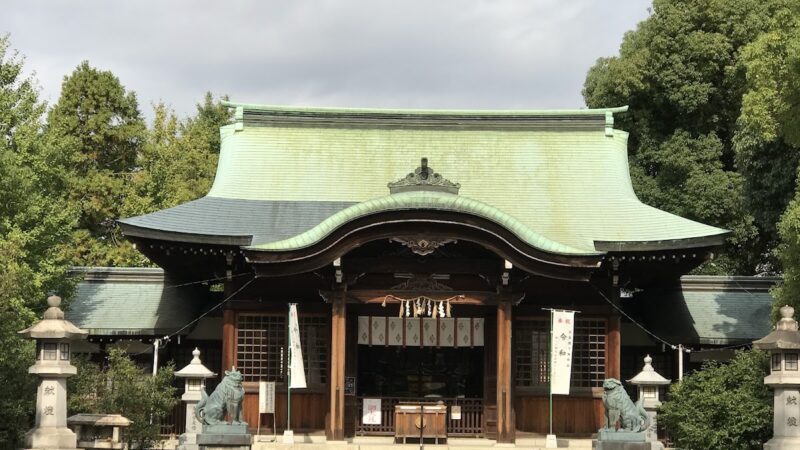
The main hall of Mizohata Shrine is built in the traditional style of shrine architecture. The worship hall is where worshippers offer their prayers, and is characterized by its calm, wooden atmosphere. Despite being in an urban area, the shrine grounds are lush with greenery, displaying different scenery with each season.
Highlights of the Shrine Grounds
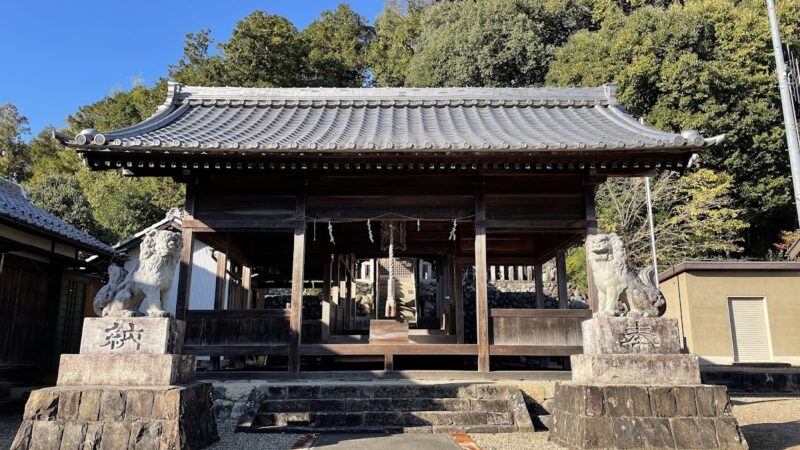
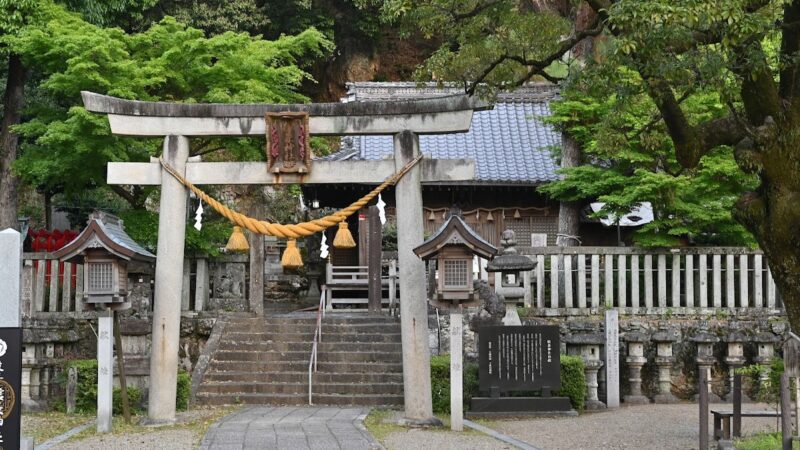
The shrine grounds are equipped with essential elements of a shrine, such as a purification fountain, guardian lion-dogs, and lanterns. Especially during the Lantern Festival, numerous lanterns adorn the grounds, creating a magical atmosphere.
The scenery of the shrine grounds with Mount Kinka in the background is also an excellent photo spot, allowing you to feel the nature and history of Gifu. When you visit the shrine, please take your time to stroll around the grounds.
Place to Commemorate the War Dead
Within the shrine grounds is a place to enshrine the spirits of the pilots who perished in World War II. Because Gifu was a center of the aircraft industry, many young pilots took off from this area. This place is still carefully preserved as a place of remembrance for them and a prayer for peace.
Annual Festivals and Rituals
Mizohata Shrine Lantern Festival (Grand Festival)
The largest event at Mizohata Shrine is the Grand Festival, held every July, commonly known as the “Mizohata Shrine Lantern Festival.” This festival is held to pray for protection against summer epidemics and is an important ritual directly related to the founding of the shrine.
Festival Features
During the Lantern Festival, numerous lanterns are displayed throughout the shrine grounds, creating a fantastical scene at night. The shrine grounds, illuminated by the lantern light, are enveloped in a mystical atmosphere completely different from that of the daytime. The sight of local people gathering to pray for protection from summer epidemics and good health conveys the enduring spirit of ancient beliefs.
Event Period
The annual grand festival is held from mid-to-late July each year. The specific dates vary from year to year, so those planning to visit are advised to check with the shrine or the official website beforehand.
Other Rituals
Throughout the year, various rituals are performed, including the New Year’s Day Festival, the Setsubun Festival, and the Autumn Grand Festival. Local people participate in each ritual, forming a community centered around the shrine.
Items Offered
In addition to Goshuin (shrine stamps), Mizohata Shrine offers a variety of items.
Amulets
The main offerings are amulets for protection from epidemics, warding off evil, and praying for good health. Amulets for recovery from illness and protection from disaster, inspired by the divine virtues of Susanoo-no-Mikoto, are particularly popular. Amulets for various wishes, such as traffic safety and academic success, are also available.
Amulets and Talismans
Amulets for praying for family safety and business prosperity are also available. By enshrining them in your home altar, you can receive divine protection in your daily life.
Ema (Votive Tablets)
Ema (votive tablets) are available for writing wishes and offering them. Many ema, wishing for health and family happiness, are offered at the ema rack on the shrine grounds.
Access and Basic Information
Location
Address: 3-chome, Mizohata-cho, Gifu City, Gifu Prefecture
Access by Train
From Meitetsu Gifu Station
Access to Mizohata Shrine is very convenient. It is located in the heart of Gifu City, approximately 8-10 minutes on foot from Meitetsu Gifu Station.
- Exit Meitetsu Gifu Station and head north.
- Cross Nagarabashi Street and proceed through the residential area.
- Follow the signs and you will arrive at Mizohata Shrine.
From JR Gifu Station
The shrine is within walking distance from JR Gifu Station, approximately 12-15 minutes. It’s easier to access via Meitetsu Gifu Station.
Access by Car
Parking
The shrine has a parking lot for visitors, but spaces are limited. During events such as the annual festival, congestion is expected, so using public transportation is recommended. There are also several coin-operated parking lots nearby.
Access from Major Roads
- Approximately 20 minutes from the Tokai-Hokuriku Expressway “Gifu-Kakamigahara IC”
- Approximately 30 minutes from the Meishin Expressway “Gifu-Hashima IC”
Visiting Hours
While entry to the shrine grounds is generally free, the shrine office is open from approximately 9:00 AM to 5:00 PM. If you wish to receive a Goshuin (temple/shrine stamp) or other amulets, we recommend visiting within these hours.
Nearby Tourist Attractions
Numerous tourist attractions in Gifu City are located around Mizohata Shrine.
Mt. Kinka and Gifu Castle
Gifu Castle, associated with Oda Nobunaga, stands on the summit of Mt. Kinka, visible from the shrine. You can reach the summit by ropeway and enjoy a panoramic view of Gifu City.
Nagara River Cormorant Fishing
In the summer, you can witness traditional cormorant fishing on the Nagara River. This traditional fishing method, with a history of over 1300 years, is a representative tourist attraction of Gifu.
Old Townscape of Kawaramachi
Along the Nagara River, the old townscape of Kawaramachi, which retains the atmosphere of the Edo period, is preserved. You can stroll through the charming streets and enjoy traditional craft shops and cafes.
The Charm and Points to Note When Visiting Mizohata Shrine
An Oasis in the City
Despite its location in the heart of Gifu City, the shrine grounds are enveloped in a quiet and peaceful atmosphere. It’s a popular spot for a casual visit between shopping and sightseeing, and a place to find peace and prayer.
Protection Against Disease and Misfortune
As its founding history suggests, Mizohata Shrine is known for its blessings against disease and misfortune. Especially in light of recent infectious disease outbreaks, the number of visitors praying for good health has increased. It is believed that the powerful divine authority of Susanoo-no-Mikoto will ward off calamities and protect one’s health.
Diverse Goshuin (Shrine Seals)
The availability of unique goshuin, such as full moon-themed and airplane-themed goshuin, is another major attraction of Mizohata Shrine. For those who enjoy collecting goshuin, this shrine is well worth a visit. Because different goshuin (temple/shrine stamps) are given out according to the season and events, there are new discoveries every time you visit.
A Faith Rooted in the Community
Local people actively participate in annual Shinto rituals, including the Lantern Festival, and a community centered around the shrine has been formed. One of the charms of Mizohata Shrine is that you can feel the ancient faith still alive today.
Manners and Precautions for Visiting
Basic Worship Etiquette
- Bow Before Passing Through the Torii Gate: Bow before entering the sacred area, in front of the torii gate.
- Purify at the Water Basin: Purify your hands and mouth at the water basin.
- Worship: Worship in front of the main hall using the two bows, two claps, and one bow ritual.
- Behavior on the Shrine Grounds: Walk quietly and respectfully on the shrine grounds.
Regarding Photography
Photography is generally permitted on the shrine grounds, but there may be restrictions, such as inside the main hall or during Shinto rituals. If you are unsure, please check with the shrine office. It is also important to be considerate of other visitors.
Notes on Receiving a Goshuin (Shrine Seal)
A Goshuin is given as proof of your visit. Please request your Goshuin at the shrine office after completing your prayers. For limited edition Goshuin, the issuance dates and times are limited, so it is recommended to check the information in advance.
Summary
Mizohata Shrine (Chokoku Shrine) is a venerable shrine with a history of over 1400 years, located in the heart of Gifu City. It boasts many attractions, including blessings for protection against disease and misfortune, a variety of Goshuin, and a summer lantern festival.
Its convenient location within walking distance of Meitetsu Gifu Station is also a major draw, making it a must-visit spot during Gifu sightseeing. Mizohata Shrine continues to be cherished by many as a place to pray for health and peace through the powerful divine power of Susanoo-no-Mikoto, and as a place to experience Gifu’s history and culture.
Whether you’re visiting to get a limited-edition goshuin (temple/shrine stamp), to enjoy the magical atmosphere of the lantern festival, or to quietly pray for good health, there are many ways to enjoy Mizohata Shrine. Please do visit. Away from the hustle and bustle of the city, the time you spend quietly offering prayers will surely be a memorable experience.