Shinogaya Shrine (Gifu Prefecture) Complete Guide | The Charm and Visiting Information of a Historic Shrine Nestled in Umebayashi Park
Nearby in Gifu City’s Umebayashi Park stands the venerable Shinogaya Shrine, a shrine with a history dating back to the 1500s. This shrine, dedicated to Izanagi-no-Mikoto, who was invited from Taga Taisha Shrine in Shiga Prefecture, has been cherished by the local community. This article provides detailed information on the history of Shinogaya Shrine, its enshrined deities, its blessings, and helpful information for visitors.
History and Origins of Shinogaya Shrine
The Story of its Founding by Jakko
The founding of Shinogaya Shrine dates back to the 1500s. At that time, a monk named Jakko was a fervent worshipper of Taga Taisha Shrine in Shiga Prefecture. Taga Taisha Shrine, affectionately known as “O-Taga-san,” is known as a shrine for longevity and matchmaking, dedicated to Izanagi-no-Mikoto and Izanami-no-Mikoto.
Jakko, deeply devoted to Taga Taisha Shrine, decided to invite a分霊 (bunrei, a divided spirit) of the deity to Gifu. This invitation refers to the practice of receiving a divided spirit of a deity and enshrining it in a different location. Thus, a new shrine was born in Shinogaya.
Deep Connection to Taga Taisha Shrine
Taga Taisha Shrine is a prestigious shrine known for the ancient poem, “If you visit Ise, visit Taga; Ise and Taga are children of each other.” It enshrines Izanagi-no-Mikoto and Izanami-no-Mikoto, the parents of Amaterasu-Omikami, the deity enshrined at Ise Grand Shrine, and is revered as a deity who played a crucial role in Japan’s creation myths.
By enshrining a divided spirit of Taga Taisha Shrine, Shinogaya Shrine became a place in Gifu where one can receive the same divine blessings. This historical background is an essential element in discussing the value of Shinogaya Shrine.
A History Integrated with Umebayashi Park
Currently, Shinogaya Shrine is located within Umebayashi Park. Umebayashi Park is a beloved place of relaxation for the citizens of Gifu, and in spring, it boasts a beautiful landscape of blooming plum blossoms. The integrated space of the shrine and park provides visitors with tranquility and peace.
The presence of the shrine within the park makes it easy to visit while strolling through the park, making it a familiar place of worship for local residents. This location is also evidence of the shrine’s deep roots in the community.
Deities and Blessings
Izanagi-no-Mikoto
The main deity enshrined at Shinogaya Shrine is Izanagi-no-Mikoto. In Japanese mythology, he is known as one of the gods who, along with Izanami-no-Mikoto, created the Japanese archipelago and many other gods.
After returning from the underworld, Izanagi-no-Mikoto performed a purification ritual, during which he gave birth to the three noble children: Amaterasu-Omikami, Tsukuyomi-no-Mikoto, and Susanoo-no-Mikoto. From this myth, he is revered as a symbol of purification, regeneration, and vitality.
Benefits of Shinogaya Shrine
Shinogaya Shrine, dedicated to Izanagi-no-Mikoto, is believed to offer the following benefits:
Longevity: Just as Taga Taisha Shrine is worshipped as a “god that extends life,” Shinogaya Shrine is also believed to offer benefits of health and longevity.
Matchmaking and Marital Harmony: Due to Izanagi-no-Mikoto and Izanami-no-Mikoto’s relationship as a married couple, visitors come to pray for successful relationships and harmonious marriages.
Protection from Evil and Disaster: Based on the myth of purification through ritual cleansing, the shrine is believed to offer protection from evil and disaster.
Family Safety and Prosperity of Descendants: Due to its nature as a creator god that gave birth to the land and the gods, there is a belief in praying for the safety of the family and the prosperity of descendants.
Healing from Illness: Due to its divine status as a source of vitality, many people pray for recovery from illness and the maintenance of good health.
Highlights of the Shrine Grounds
Tranquil Shrine Building
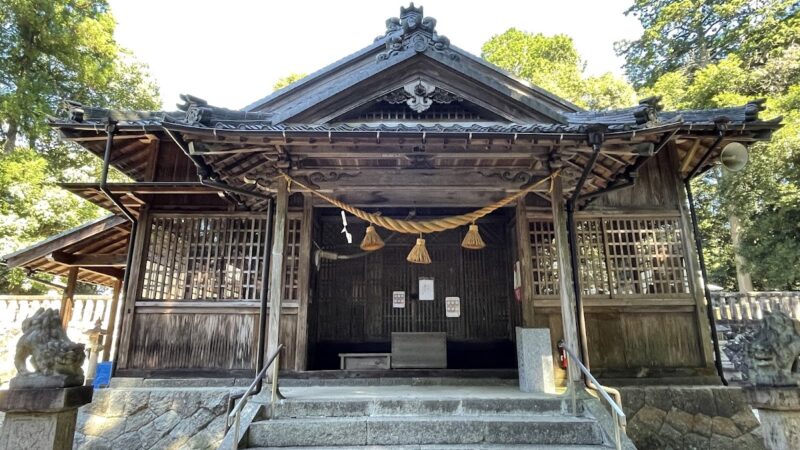
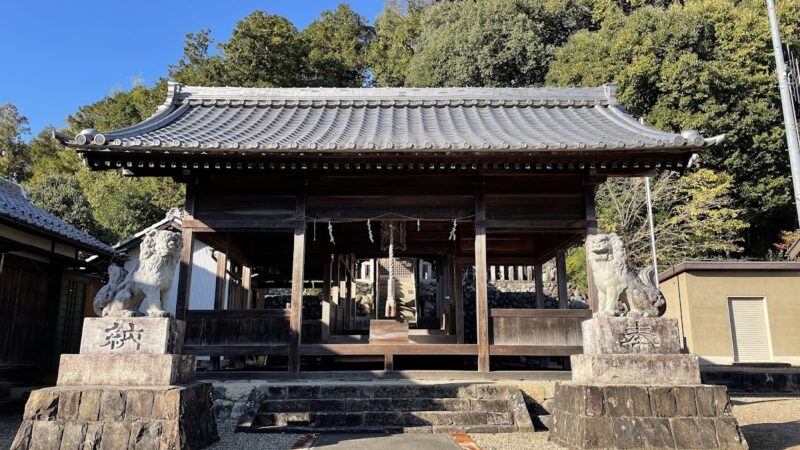
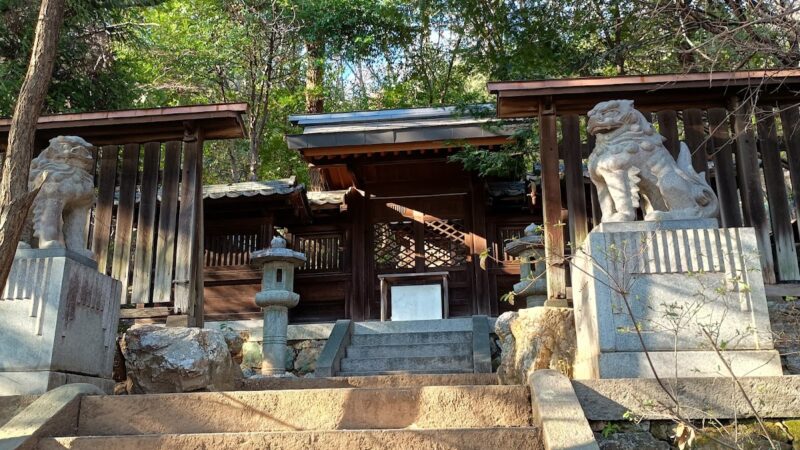
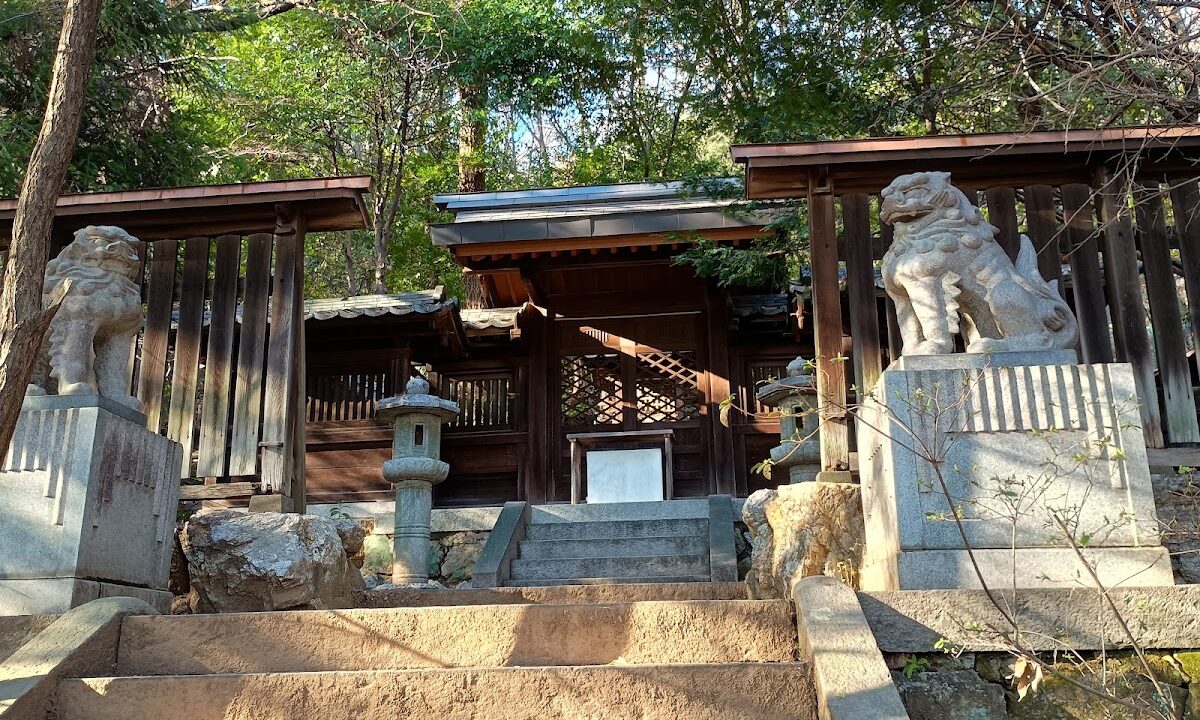
The shrine building of Shinogaya Shrine stands in a quiet environment surrounded by the greenery of Umebayashi Park. While not large in scale, the grounds are meticulously maintained and clean, warmly welcoming visitors.
The shrine building follows the traditional style of shrine architecture, possessing a historical charm. It is not flashy, but its simplicity is precisely the charm of a shrine rooted in the community.
Natural Environment of Umebayashi Park
A major characteristic of Shinogaya Shrine is its location within the rich natural environment of Umebayashi Park. Especially during the spring plum blossom season, the area around the shrine is enveloped in a vibrant atmosphere as red and white plum blossoms bloom in profusion.
Plum blossoms have a deep connection to Sugawara no Michizane, known as “Tenjin-sama,” and are also a symbol of academic achievement. Visiting the shrine while surrounded by the fragrance of plum blossoms will be a precious experience that refreshes both mind and body.
A Shrine Open to the Community
Due to its location within a park, the shrine grounds always have an open atmosphere. You can see local residents stopping by while walking or jogging, and families visiting the shrine, demonstrating how the shrine is integrated into daily life.
This open environment demonstrates that the shrine is not only a special place but also functions as an integral part of the local community.
Access Information
Location
Address: 3 Umebayashi, Gifu City, Gifu Prefecture 500-8111
Shinogaya Shrine is located slightly north of the center of Gifu City, within the grounds of Umebayashi Park. The surrounding area is a quiet residential area.
Access by Train
Nearest Station: Meitetsu Kakamigahara Line, “Tagami Station”
Shinogaya Shrine is approximately an 11-minute walk from Tagami Station. Exit the station and head north; after passing through a residential area, you will arrive at Umebayashi Park. The route is flat and easy to walk, allowing you to enjoy the local atmosphere while visiting the shrine.
From Nagoya, the most common route is to take the Meitetsu Inuyama Line to Inuyama Station, then transfer to the Meitetsu Kakamigahara Line to Tagami Station. Access by bus from Gifu Station is also possible.
Access by Car
If visiting by private car, you can access the shrine from Gifu city center via National Route 156 or a prefectural road. There is parking space at Umebayashi Park, but the number of spaces is limited, so caution is advised during busy times.
When using a car navigation system, searching for “Umebayashi Park” or “Shinogaya Shrine” is convenient.
Surrounding Transportation Environment
The area around Shinogaya Shrine is a residential area, so some roads are relatively narrow. When visiting by car, please be mindful of your speed and be considerate of the surrounding residents.
If using public transportation, the Meitetsu Kakamigahara Line operates regularly throughout the day, making access convenient. Combining a visit with sightseeing around Gifu Station is also recommended.
Manners and Etiquette for Worship
Basic Worship Etiquette
When visiting Shinogaya Shrine, please observe the following basic etiquette:
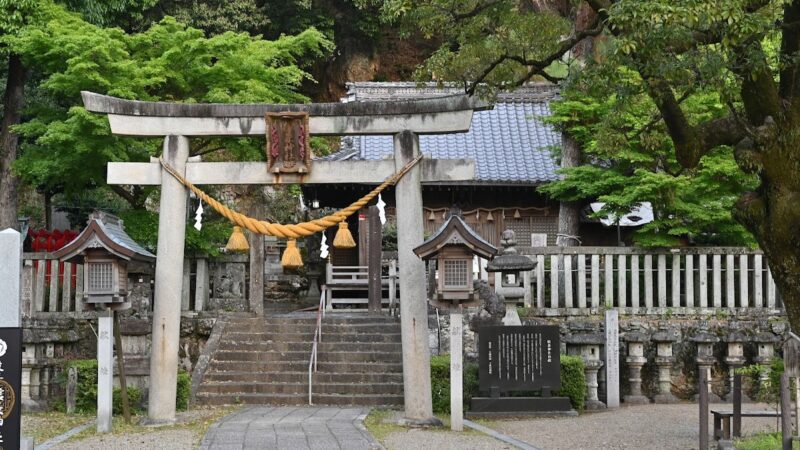
- Bow before the Torii Gate: Before entering the shrine grounds, bow before the torii gate to indicate your entry into the sacred area.
- Purify yourself at the Water Basin: If there is a water basin, purify your left hand, then your right hand, and then your mouth.
- Walk along the edge of the path: The center of the path is considered the path of the gods, so it is polite to walk along the edge.
- Two Bows, Two Claps, One Bow: In front of the main hall, bow deeply twice, clap twice, and finally bow once. 5. Bow upon leaving: When leaving, turn around and bow after exiting the torii gate.
Attire and Mindset for Visiting
There are no specific dress code requirements, but clean attire that reflects the sacred nature of the place is desirable. Also, please pray quietly and remember to be considerate of other worshippers and local residents.
While the park setting makes it easy to visit as an extension of a walk, it is important to treat the deities with respect.
Comparison with Other Major Shrines in Gifu Prefecture
Inaba Shrine
Inaba Shrine, a representative shrine of Gifu City, is located at the foot of Mt. Kinka and is a prestigious shrine with a history of over 1900 years. The main deity is Isonishikiirihiko-no-Mikoto, and it attracts many worshippers as the guardian shrine of Gifu.
Compared to Shinogaya Shrine, Inaba Shrine is larger in scale and is bustling with many people during New Year’s visits and annual festivals. On the other hand, Shinogaya Shrine is characterized by its quiet and peaceful atmosphere for worship.
Tejikarao Shrine
Located in Kuramae, Gifu City, Tejikarao Shrine enshrines Tejikarao-no-Mikoto, the strong god who opened the rock door when Amaterasu-Omikami hid in it. It attracts the faith of athletes and people involved in physically demanding work.
While Shinogaya Shrine enshrines Izanagi-no-Mikoto, the god of creation and life, Tejikarao Shrine enshrines strength and good fortune in competitions.
Kasahara Shinmei-gu Shrine
Located in Tajimi City, Kasahara Shinmei-gu Shrine is a Shinmei-gu shrine dedicated to Amaterasu-Omikami and has strong ties to Ise Grand Shrine. It is characterized by its vast grounds and solemn atmosphere.
Like Shinogaya Shrine, which was established by inviting a deity from Taga Taisha Shrine, Kasahara Shinmei-gu Shrine also shares a connection to Ise Grand Shrine, but the enshrined deities and the content of the worship differ.
Chiyobo Inari Shrine (Ochobo-san)
Located in Kaizu City, Chiyobo Inari Shrine is widely known as the god of business prosperity and is affectionately called “Ochobo-san.” The approach to the shrine is lined with many shops, making it a popular tourist spot where you can enjoy street food.
In contrast to the tranquil atmosphere of Shinogaya Shrine, Chiyobo Inari Shrine is lively and vibrant. Choose the shrine that best suits your purpose and preferences.
Annual Events at Shinogaya Shrine
Annual Festival and Community Involvement
Shinogaya Shrine holds various Shinto rituals throughout the year. The annual festival, in particular, is an important event where local residents gather. It is recommended to check the specific dates and details in advance.
As a shrine deeply rooted in the community, volunteer activities by parishioners and devotees are also carried out, and the maintenance and management of the shrine are supported by the local community.
New Year’s Visit and Milestone Prayers
During the New Year’s visit, the shrine is primarily visited by local residents. It’s not as crowded as larger shrines, making it a pleasant place to offer prayers for the new year in a relaxed atmosphere.
The shrine also accepts visits for milestones in life, such as Shichi-Go-San (a traditional Japanese rite of passage for children) and exorcisms. Contacting the shrine in advance may allow you to discuss arrangements for prayers and other services.
Enjoying the Shrine in Combination with Umebayashi Park
Enjoying the Seasonal Nature
Umebayashi Park, where Shinogaya Shrine is located, offers enjoyment of nature throughout the seasons, not just the plum blossoms in spring. The fresh greenery is beautiful in spring, and the autumn leaves are stunning.
By strolling through the park in conjunction with your visit, you can enjoy a refreshing time surrounded by nature. There are benches available, allowing you to relax and take your time.
Visiting with Family
Due to its location within a park, it’s easily accessible for families with children. If there are playgrounds, adults can visit while their children play.
As a place of relaxation for the community, the integrated space of the shrine and park is a valuable place that can be enjoyed by people of all ages.
As a Photo Spot
During the plum blossom season, the combination of plum blossoms and the shrine makes for a beautiful photo spot. It’s also recommended for those seeking Instagrammable scenery.
However, please remember to be considerate of worshippers and local residents, and take photos while observing proper etiquette.
Precautions When Visiting
Consideration for Park Users
Umebayashi Park is a public space used by many people. When visiting, please behave quietly so as not to disturb other park users.
In particular, since parking is limited, please avoid parking for extended periods and consider using public transportation.
Opening Hours and Visiting Hours
As it is located within a park, you can generally visit anytime during the day, but it is advisable to refrain from visiting early in the morning or late at night. Since the surrounding area is residential, please be mindful of noise levels.
Regarding Goshuin (Shrine Seals) and Souvenirs
We recommend checking in advance regarding the availability of Goshuin and souvenirs at Shinogaya Shrine. Since there may not always be a resident priest, you may need to visit at a specific time.
Nearby Tourist Attractions
Tourist Attractions in Gifu City Center
Shinogaya Shrine is relatively close to Gifu City center, making it possible to combine a visit with other tourist attractions.
Gifu Castle and Kinka Mountain: Gifu Castle, a symbol of Gifu, is located on the summit of Kinka Mountain and is accessible by ropeway. The view from the castle tower is spectacular.
Nagara River Cormorant Fishing: In summer, traditional cormorant fishing takes place on the Nagara River, attracting many tourists as a symbol of Gifu.
Old Townscape of Kawaramachi: Kawaramachi, which stretches along the Nagara River, preserves the atmosphere of the Edo period and is perfect for a stroll.
Nearby Shrines and Temples
Inaba Shrine: As mentioned above, this is a prestigious shrine serving as the guardian shrine of Gifu City. Visiting it along with Shinogaya Shrine is highly recommended.
Ontake Shrine Kayakaya-gu: A shrine dedicated to Ontake faith located within Gifu City, suitable for those interested in mountain worship.
Horinzan Kotoku-ji Temple: A historic temple in Gifu City, known for its tranquil grounds.
Best Season for Visiting Shinogaya Shrine
Spring (March-May)
The best season to visit Shinogaya Shrine is early spring, when the plum blossoms are in bloom. From late February to March, the plum blossoms in the plum grove park reach their peak, enveloping the shrine grounds in a vibrant atmosphere.
Visiting the shrine while surrounded by the fragrance of plum blossoms will be a special experience that refreshes both mind and body. The weather is mild during this time, making it ideal for a stroll.
Autumn (September-November)
Autumn is also a suitable season for visiting the shrine. The heat subsides, and the weather is pleasant for worship. During the autumn foliage season, the trees in the park change color, allowing visitors to enjoy a beautiful landscape.
New Year’s Visit (January)
Visiting Shinogaya Shrine for the New Year’s visit is also a good opportunity. Because it is not as crowded as larger shrines, you can offer your prayers for the new year in a calm atmosphere.
Summary: The Charm of Shinogaya Shrine
Shinogaya Shrine is a historical shrine established in the 1500s, having been invited from Taga Taisha Shrine. It is a valuable place of worship in Gifu City, dedicated to Izanagi-no-Mikoto. Nestled in the naturally rich environment of Umebayashi Park, it has been cherished by local residents for generations.
Unlike large tourist shrines, its greatest charm is the quiet and peaceful atmosphere in which visitors can worship. It offers various blessings, including longevity, matchmaking, and protection from evil, making it worthwhile to visit at various milestones in life.
Its convenient location, just an 11-minute walk from Tagami Station on the Meitetsu Kakamigahara Line, is one of its attractions. Combining a visit with other sightseeing spots in Gifu City will allow you to enjoy a more fulfilling Gifu sightseeing experience.
The scenery is especially beautiful during the spring plum blossom season. Spending time quietly offering prayers at this historic shrine, while experiencing the changing seasons, will be a precious experience away from the hustle and bustle of everyday life.
When you visit Gifu, be sure to visit Shinogaya Shrine and feel its tranquil atmosphere and the weight of history. The warmth unique to a shrine rooted in the community, and the sacred atmosphere inherited from Taga Taisha Shrine, will gently welcome visitors.