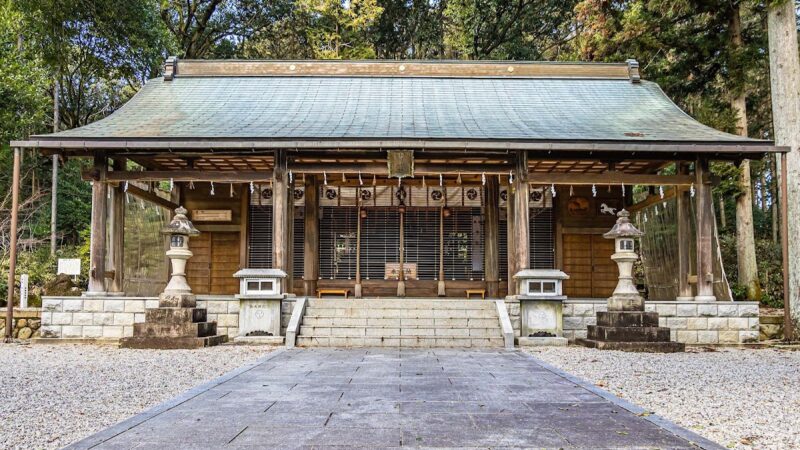
Inaba Shrine Complete Guide | A Thorough Explanation of 1900 Years of History, Blessings, Goshuin (Shrine Seals), and Access Information
Located at the foot of Mt. Kinka in the heart of Gifu City, Inaba Shrine is a representative ancient shrine of Gifu with a history of over 1900 years. As the third-ranked shrine of Mino Province, it is said to have been revered by figures such as Saito Dosan and Oda Nobunaga, and even today, it attracts many worshippers as the guardian deity of Gifu.
This article provides a thorough explanation of everything you need to know before visiting Inaba Shrine, from its history and highlights within the grounds to types of prayers, goshuin information, and access methods, incorporating a local perspective.
What is Inaba Shrine? | 1900 Years of History Protecting Gifu
Founding and Deities
Inaba Shrine is said to have been founded in the 14th year of Emperor Keiko’s reign (approximately 1900 years ago). The main deity enshrined here is Prince Inishikiirihiko-no-Mikoto, the eldest son of Emperor Suinin, who is revered as the pioneering god of this land.
The following four deities are enshrined alongside Prince Inishikiirihiko-no-Mikoto:
- Nunoshihime-no-Mikoto: Consort of Prince Inishikiirihiko-no-Mikoto
- Hibasuhime-no-Mikoto: Mother of Prince Inishikiirihiko-no-Mikoto
- Hikotatsuhiko-no-Mikoto: Maternal grandfather and ancestor of the Inaba Kuni-no-Miyatsuko (provincial governor)
- Mononobe-no-Tochine-no-Mikoto: Vassal
These five deities are collectively called “Inaba-no-Okami.”
Status as the Third Shrine of Mino Province
Inaba Shrine, as the third shrine of Mino Province, has long been a center of local faith. This shrine is a prestigious shrine, designated as a Shikinaisha (a shrine listed in the Engishiki, an ancient Japanese legal code) and ranked as a National Shrine of the lower rank during the Meiji era. On April 24, 2015, it was designated a Japan Heritage site as part of the cultural properties of Gifu, a Sengoku period castle town where the hospitality of Lord Nobunaga still lives on.
History of Relocation
Inaba Shrine was originally located on the summit of Mount Inaba (present-day Mount Kinka). In 1539, when Saito Dosan made Inabayama Castle his residence, the shrine was relocated to its current location. Following this relocation, the Kuro-ryu Shrine, which had been located on this site before, is still enshrined as a subsidiary shrine within the grounds.
It is said that Oda Nobunaga also revered this shrine during his time as lord of Gifu Castle, and visited it while harboring dreams of unifying Japan.
Highlights of the Shrine Grounds | 24-Hour Visiting Area
The grounds of Inaba Shrine are open for worship 24 hours a day throughout the year. Climbing the stone steps, you’ll find a solemn atmosphere, and from the shrine grounds, a breathtaking panoramic view of Gifu city unfolds.
The Tower Gate and Main Hall
As you proceed along the approach to the shrine, the first thing you’ll see is the magnificent tower gate. The vermilion-lacquered gate has a grand presence, welcoming worshippers as the entrance to the sacred area. Passing through the tower gate, you’ll reach the worship hall and then the main hall.
The main hall has a majestic presence, and you can enjoy the beautiful scenery surrounded by nature in every season. The greenery of the grounds is especially vibrant during the seasons of fresh greenery and autumn leaves.
Kuro-ryu Shrine | The Most Powerful Spot
Among the shrines within the grounds, the Kuro-ryu Shrine is particularly popular. This historic shrine has been located here since before the relocation of Inaba Shrine in 1539, and many worshippers visit it as a deity that grants wishes.
Kuro-ryu Shrine is known as one of the top power spots in the Chubu region, offering blessings for financial fortune, business prosperity, and matchmaking. After visiting the main shrine, be sure to also pay your respects at Kuro-ryu Shrine.
Inaba Daikoku Shrine and the Upside-Down Komainu
The Inaba Daikoku Shrine, located near the purification fountain, is another power spot not to be missed. It enshrines Daikokuten and offers blessings for financial fortune and business prosperity.
Furthermore, within the shrine grounds, there are unique komainu (guardian lion-dogs) called Upside-Down Komainu. They are seated in a posture different from normal komainu and are popular as a photogenic spot for social media. Be sure to look for them when exploring the grounds.
View from the Shrine Grounds
From the shrine grounds, reached by climbing the stone steps, you can enjoy a magnificent view overlooking Gifu city. This grand view, which Saito Dosan and Oda Nobunaga must have gazed upon while dreaming of ruling the country, is a must-see. Why not take some time to admire this landscape where history and modernity intersect? ## Visiting the Shrine and Offering Prayers | A Shrine that Accompanies You at Life’s Milestones
Inaba Shrine accepts prayers for various milestones in life.
Prayer for Safe Childbirth
Prayers for safe childbirth, performed on the Day of the Dog in the fifth month of pregnancy, pray for the health of mother and child and a safe delivery. You can bring your own maternity belt and receive a purification ceremony.
First Shrine Visit
The first shrine visit after birth is an important event to pray for the healthy growth of the baby. While the 31st day after birth for boys and the 32nd day for girls are generally recommended, it is advisable to prioritize the health of the mother and child when deciding on the date.
Shichi-Go-San Ceremony
Shichi-Go-San Ceremony, performed at the milestones of 3, 5, and 7 years old, is a celebration of gratitude for the child’s growth and a prayer for their future health and happiness. From October to November, many families visit, and the shrine grounds are filled with a vibrant atmosphere.
Exorcism Prayer
Exorcism Prayer, received at the ages corresponding to one’s unlucky years in life, is a prayer to ward off misfortune and ensure a peaceful year. Visiting the shrine during the year before, during, and after one’s unlucky year is recommended.
Car Blessing
Car blessing is also available upon purchasing a new car or after an accident. Prayers are offered for traffic safety and protection for safe driving.
Other Prayers
In addition to the above, we offer various prayers, including prayers for success in exams, business prosperity, family safety, and recovery from illness. We also perform on-site ceremonies such as ground-breaking ceremonies and roof-raising ceremonies. For details, please contact the shrine directly (TEL: 058-262-5151).
Amulets, Charms, and Goshuin (Shrine Seals) | Special Offerings
Types of Charms
Inaba Shrine offers a wide variety of charms. Among them, the most popular is the “Michibiki Mamori” (Guidance Charm), with its beautiful lace-like design. It is believed to guide one correctly on the path of life, and its stylish design makes it popular with younger generations as well.
Other charms are available to fulfill various wishes, including traffic safety, academic success, matchmaking, and health and longevity.
Goshuin and Collaboration Goshuin
In addition to regular goshuin, Inaba Shrine sometimes offers limited-time collaboration goshuin. Past collaborations have included goshuin with JR Tokai and the TV anime “Shoshimin Series,” creating a buzzworthy event.
Goshuin are available at the shrine office, with a fee of approximately 300-500 yen. Goshuin notebooks are also sold, making it a great option for those starting to collect goshuin. The latest announcements and information on limited-edition Goshuin (temple/shrine stamps) can be found on the official website and official Instagram (@inaba_jinja).
Shinto Rituals and Festivals | Annual Events that Preserve Tradition
Inaba Shrine holds various Shinto rituals and festivals throughout the year.
Grand Festival (First Saturday of April)
The Grand Festival is Inaba Shrine’s largest festival. Held annually on the first Saturday of April, it features a magnificent procession of portable shrines and floats. The city center of Gifu is enveloped in the excitement of the festival, bustling with many spectators.
Floats are brought out from each neighborhood, showcasing splendid decorations and traditional performing arts. The portable shrines are carried by parishioners and paraded through the streets.
Other Major Festivals
- Saitansai (January 1st): A festival celebrating the New Year
- Setsubunsai (February 3rd): A ritual to ward off evil spirits by scattering beans
- Natsugoshi no Oharae (June 30th): A ritual to cleanse oneself of sins and impurities accumulated over the past six months
- Shichi-Go-San Mairi (October-November): A celebration of children’s growth
- Toshikoshi no Oharae (December 31st): A ritual to cleanse oneself of sins and impurities accumulated over the past year
Through these seasonal festivals, you can experience traditional Japanese culture.
Access and Parking Information | Approximately 15 minutes from Gifu Station
Basic Information
- Address: 1-1 Inaba-dori, Gifu City, Gifu Prefecture
- Phone: 058-262-5151
- Visiting Hours: Open 24 hours (Shrine office usually open 9:00-17:00)
- Official Website: https://www.inabasan.com/
Access by Public Transportation
Local buses are convenient from JR Gifu Station or Meitetsu Gifu Station.
- Boarding Locations: JR Gifu Station Platforms 11, 12, and 13; Meitetsu Gifu Station Platform 4
- Route: N-line (towards Nagarabashi) or City Loop Counter-clockwise Bus
- Disembarking Bus Stop: Get off at “Inaba-dori” bus stop, approximately 5 minutes on foot
- Fare: 250 yen one way
- Operating Frequency: Approximately every 5 minutes
- Travel Time: Approximately 10 minutes
From the bus stop to the shrine, walk through the Inaba-dori shopping street. There are restaurants and souvenir shops along the way, so you can enjoy strolling before or after your visit.
Access by Car
- Tokai-Hokuriku Expressway: Approximately 20 minutes from Gifu-Kakamigahara IC
- Meishin Expressway: Approximately 30 minutes from Ichinomiya IC, approximately 30 minutes from Gifu-Hashima IC
Parking: There are several paid parking lots around the shrine. During peak seasons such as New Year’s Day and the annual festival, the parking lot is often full, so using public transportation is recommended.
About the Stone Steps
Inaba Shrine is located at the foot of Mt. Kinka, so you will need to climb stone steps to reach the main hall. There aren’t many steps, but those with mobility issues should climb at a comfortable pace. The sense of accomplishment at the top of the steps and the view from there are exceptional.
Nearby Tourist Spots | Places to Visit in Combination with Gifu Sightseeing
Gifu Castle
Gifu Castle, built on the summit of Mt. Kinka, is a famous castle that Oda Nobunaga used as his base for unifying Japan. You can reach the summit by ropeway, and the view from the keep is spectacular. The ropeway station is within walking distance of Inaba Shrine.
The Old Townscape of Kawaramachi
Kawaramachi, which stretches along the Nagara River, is an old townscape that retains the atmosphere of the Edo period. Traditional townhouses with lattice doors line the streets, and shops selling traditional crafts such as Japanese umbrellas and washi paper, as well as cafes and restaurants, are scattered throughout the area.
Nagara River Cormorant Fishing
Held from mid-May to mid-October, the Nagara River Cormorant Fishing is a traditional fishing method with a history of over 1300 years. The fantastical spectacle unfolding on the river at night is a representative tourist attraction of Gifu.
Gifu Great Buddha (Shōhōji Temple)
Located about a 10-minute walk from Inaba Shrine, Shōhōji Temple houses the Gifu Great Buddha, considered one of Japan’s three great Buddhas. This 13.7-meter-tall dry-lacquer Buddha is well worth seeing for its elegant form.
Urasando Mall
Recently gaining attention is the “Urasando Mall,” which opened on the back approach to Inaba Shrine. It’s a collection of unique shops and cafes, perfect for a break or shopping after visiting the shrine. It’s also a popular area among local young people.
Benefits of Inaba Shrine | What Kind of Benefits Can You Get?
Inaba Shrine, dedicated to the pioneering god Isonishikiirihiko-no-Mikoto, is believed to offer the following benefits:
- Family Safety: Peace and happiness for the family
- Business Prosperity: Development and prosperity of businesses
- Protection from Evil: Protection from disasters
- Safe Childbirth: Health and safe delivery for mother and child
- Child Rearing: Healthy growth of children
- Traffic Safety: Protection from accidents
- Good Fortune and Prosperity: Increased luck
In particular, the Kuro-ryu Shrine within the grounds is known for its benefits in financial luck, business prosperity, and matchmaking, and Inaba Daikoku Shrine is also popular as a power spot for financial luck and business prosperity.
Manners and Points for Visiting a Shrine
Basic Worship Etiquette
- Bow at the Torii Gate: Bow before passing through the torii gate.
- Purify at the Water Basin: Purify your left hand, right hand, and mouth in that order.
- Walk along the Edge of the Path: The center is the path for the gods.
- Two Bows, Two Claps, One Bow: This is the basic etiquette in front of the main hall.
Recommended Time to Visit
While the shrine grounds are open 24 hours a day, visiting in the early morning is recommended. You can worship peacefully in a quiet, less crowded atmosphere with fresh air. The shrine grounds are also beautiful at dusk, offering a beautiful view of the Gifu city skyline.
How to Avoid Crowds
The shrine is especially crowded during the New Year’s visit period (January 1st-3rd), the annual festival (first Saturday of April), and the Shichi-Go-San season (weekends in October-November). If you want to avoid crowds, it’s recommended to visit on weekdays, or for New Year’s visits, during the first three days of the year (until January 7th).
Inaba Shrine’s Seasons | Seasonal Charms
Spring (March-May)
The cherry blossoms in the shrine grounds are in full bloom, and the fresh greenery is beautiful. The annual festival in April is the busiest time, and the excitement of the festival combined with the warmth of spring creates a vibrant atmosphere.
Summer (June-August)
The lush green grounds feel relatively cool even in summer. At the Summer Purification Ceremony on June 30th, people purify themselves of the impurities accumulated over the past six months by passing through a ring of reeds.
Autumn (September-November)
The trees in the shrine grounds change color, and the autumn leaves are beautiful. The shrine is bustling with families visiting for Shichi-Go-San (a traditional Japanese rite of passage for children), and the grounds are adorned with people in colorful kimonos.
Winter (December-February)
This shrine boasts one of the highest numbers of visitors in Gifu Prefecture for Hatsumode (first shrine visit of the year). On New Year’s Day morning, many food stalls are set up, offering delicious treats such as takoyaki and beef tongue skewers. Bean-throwing ceremonies are held during the Setsubun Festival in February.
Frequently Asked Questions (FAQ)
Is there parking?
There is no free parking lot specifically for the shrine, but there are several paid parking lots in the surrounding area. It gets crowded during Hatsumode and festivals, so using public transportation is recommended.
Is a reservation necessary for prayers?
Generally, reservations are not required; same-day registration is possible. However, there may be waiting times during busy periods. Please contact the shrine for details (TEL: 058-262-5151).
Can I visit with my pet?
Generally, it is considered bad manners to bring pets to shrines. It is recommended to check directly with the shrine for details.
When can I receive a Goshuin (shrine stamp)?
You can receive prayers during the shrine office’s opening hours (usually 9:00 AM to 5:00 PM). Hours may be extended during the New Year’s period and festivals.
Is it accessible for wheelchair users?
Due to the stone steps, wheelchair access to the main shrine is difficult. If assistance is needed, it is recommended to consult with the shrine in advance.
Summary | Ancient Shrines You Must Visit When Visiting Gifu
Inaba Shrine is a representative shrine of Gifu with a history of over 1900 years. It boasts many attractions, including its status as the third-ranked shrine of Mino Province, the solemn atmosphere of its grounds, power spots such as the Kuro-ryu Shrine, and the view of Gifu city from the grounds.
From prayers for life’s milestones to daily worship, the shrine cherishes its connections with parishioners and many other visitors, and continues to dedicate itself to divine service today. When sightseeing in Gifu, be sure to visit Inaba Shrine and spend some peaceful time in this sacred place where history and tradition breathe.
The official website and Instagram are updated regularly with the latest news and event information, so we recommend checking them before your visit. As the guardian deity of Gifu, we await your visit.